A well drilled into a hidden underground maze
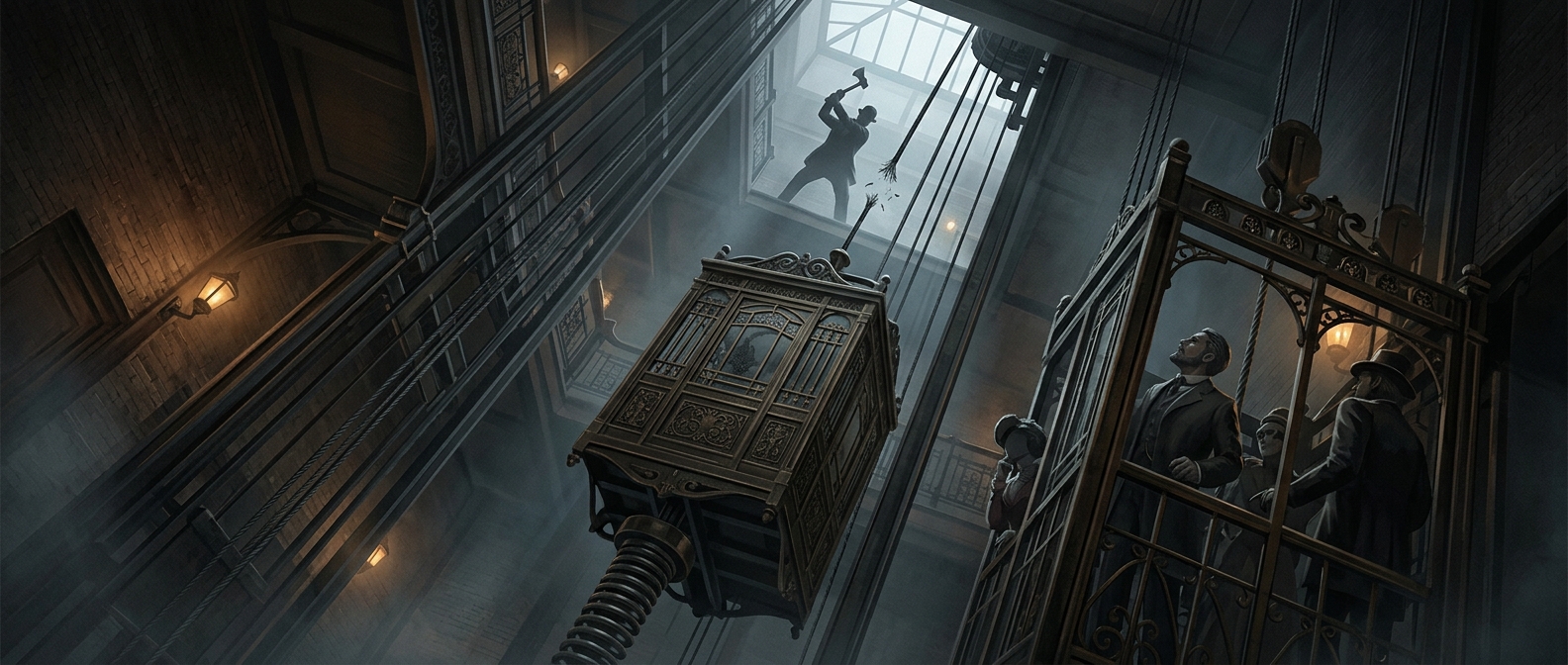
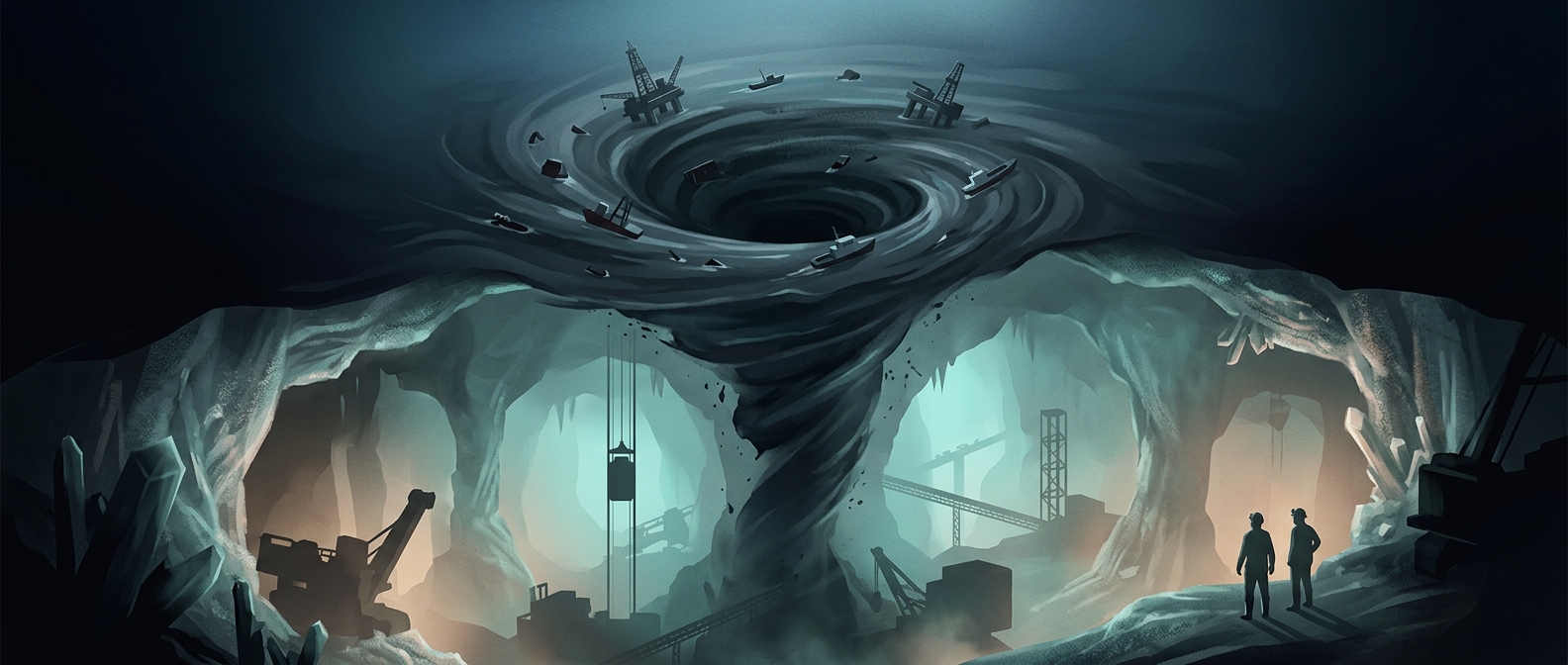
In 1980, an oil-drilling crew was working on Lake Peigneur in Louisiana, above a salt mine operated by Diamond Crystal. The mine was not an empty cavern: miners had cut a network of rooms through the salt, leaving columns of salt behind to support the ceiling. A drilling well was supposed to pass through the lakebed into deeper rock. Instead, the drill broke into the mine workings below.
That opening connected two very different spaces: a lake holding millions of gallons of water and a mine whose passages were not built to contain it. Water poured down through the breach. As it flooded the tunnels, the mine’s structure failed, opening the way for still more water and enlarging the underground void.
Why the lake—and canal—moved toward the hole
The falling water level turned the breach into a powerful drain. The rig and vessels on the lake were pulled toward the growing sinkhole as the lake rushed underground. Barges that had been working in the lake were carried into the opening; the tugboat and drilling rig were lost as well.
The nearby Delcambre Canal then began flowing backward into the lake. The canal had normally carried water away, but the lake’s sudden drop created a lower level at its end. Water followed that new downhill route, and the canal became an additional source feeding the breach.
A landscape changed in hours
The flood destroyed the salt mine, while the lake’s bottom collapsed and reshaped the surrounding shoreline. The event showed how a seemingly local drilling mistake could connect surface water to a vast, concealed industrial space. Beneath Lake Peigneur, the salt mine had turned the ground into a network of rooms—and once the drill opened a passage into it, the lake itself became the force that finished the collapse.