History
Discover facts about history. Small discoveries that change the way you see familiar things.
History
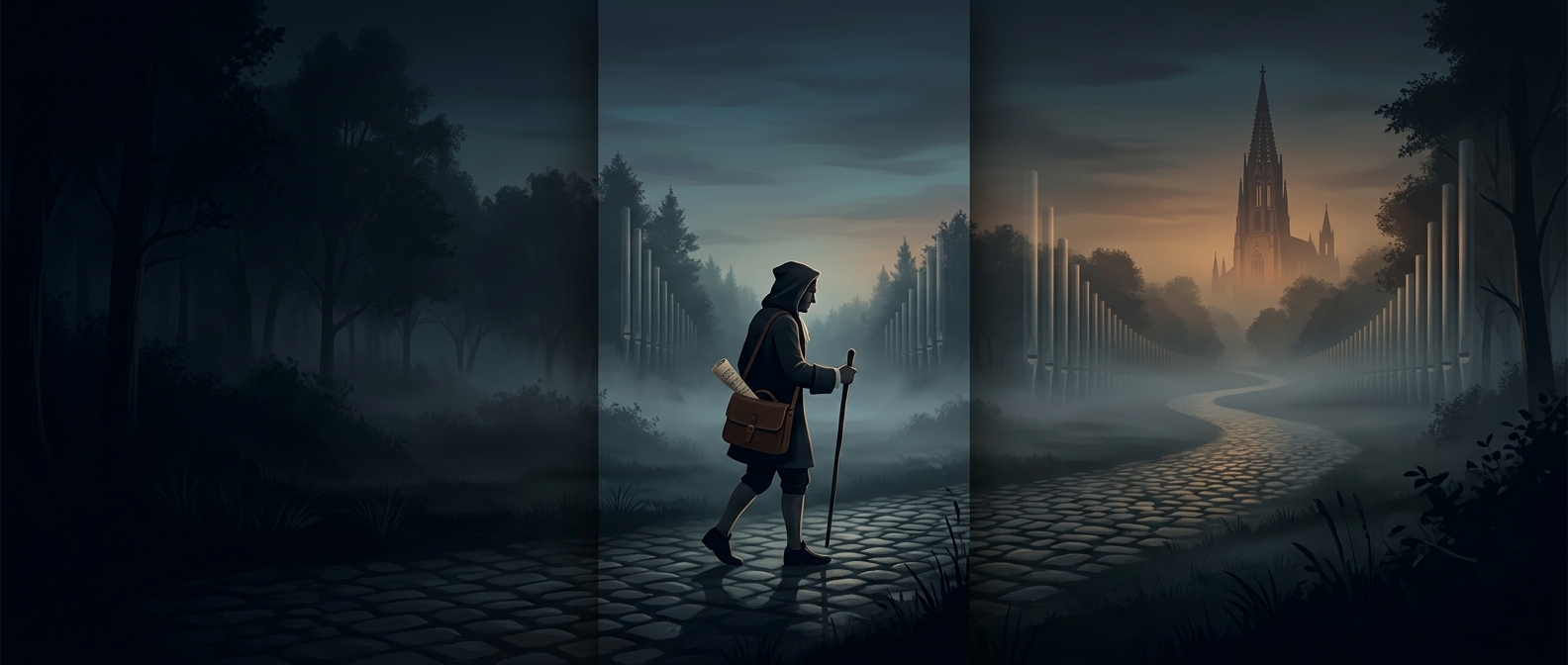
Bach walked 200 miles to hear one organist
Young Johann Sebastian Bach walked about 200 miles to Lübeck to hear organist Dieterich Buxtehude perform. He was supposed to be away for four weeks, but…
Discover more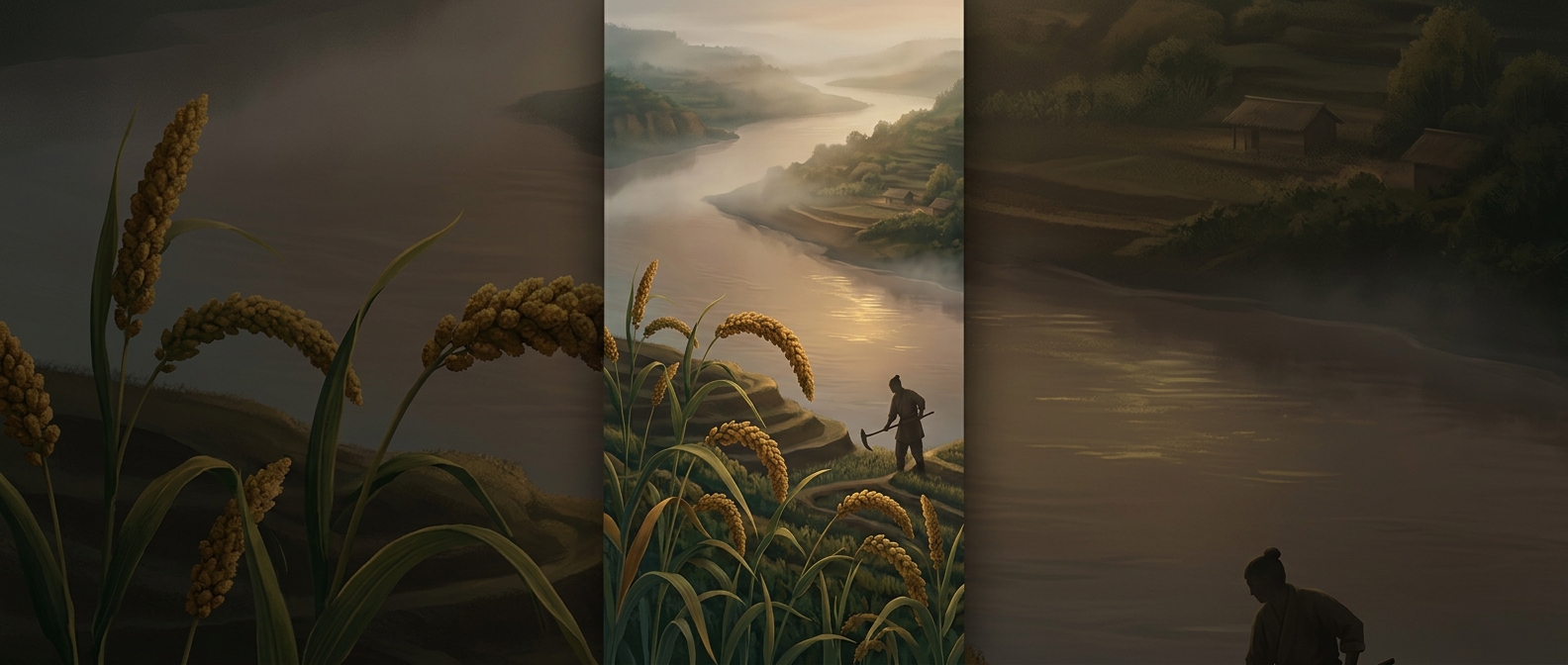
Millet was farmed heavily along the Yellow River
It was a staple long before rice became dominant, despite being a grain many people now associate with birdseed.
Discover more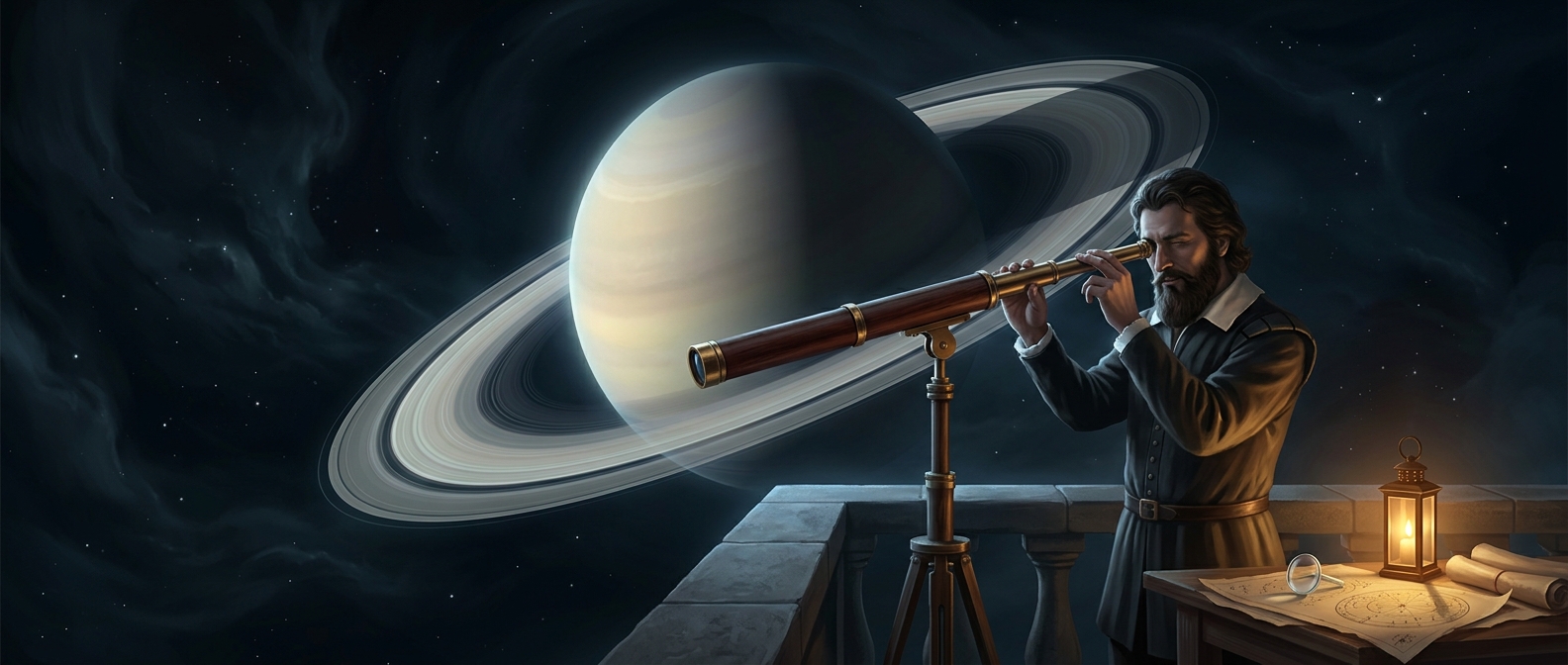
Huygens ground his own glass to find Saturn's rings
Huygens ground his own lenses to get a sharper look at the strange shapes around Saturn. His observations revealed they were rings, not mysterious companions…
Discover more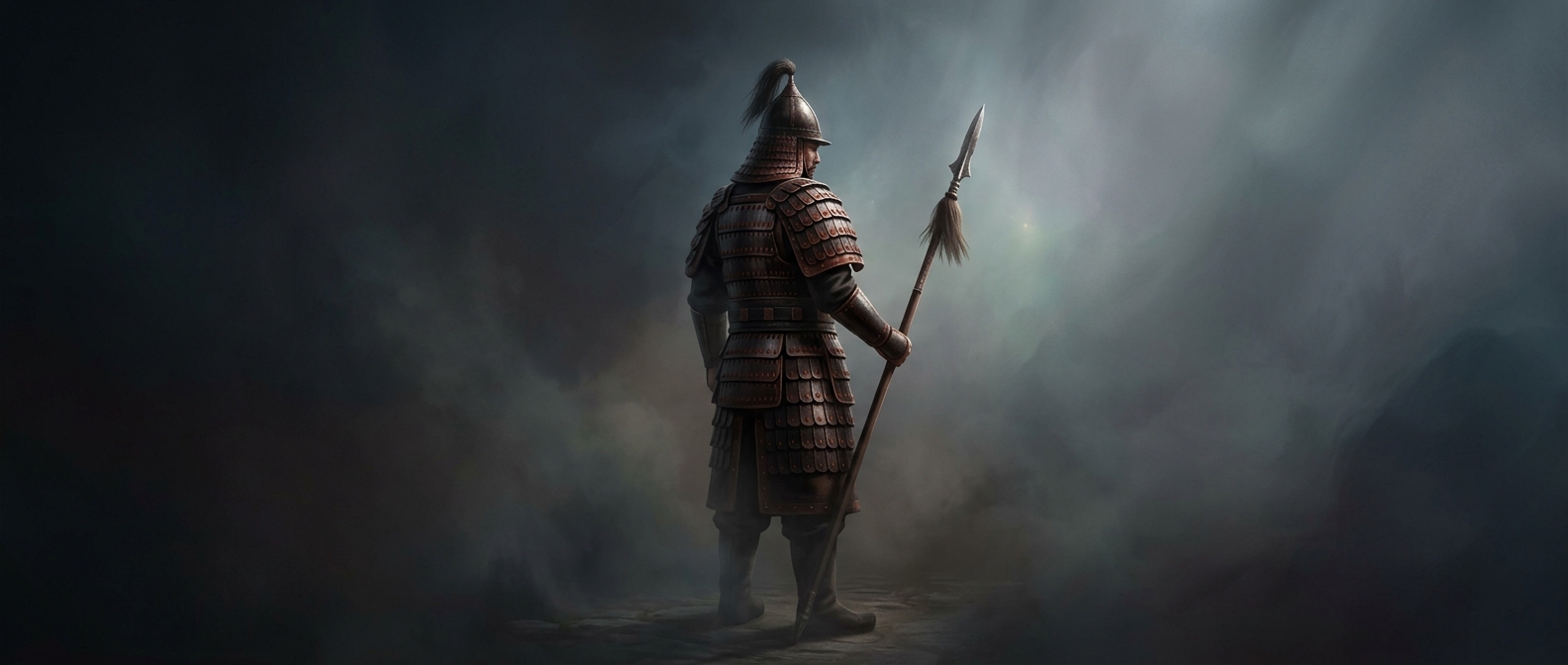
How ancient Chinese armorers turned leather into armor
They boiled and baked thick rawhide, cut it into scales, then laced the pieces together so they overlapped. The layers could deflect glancing blows without…
Discover more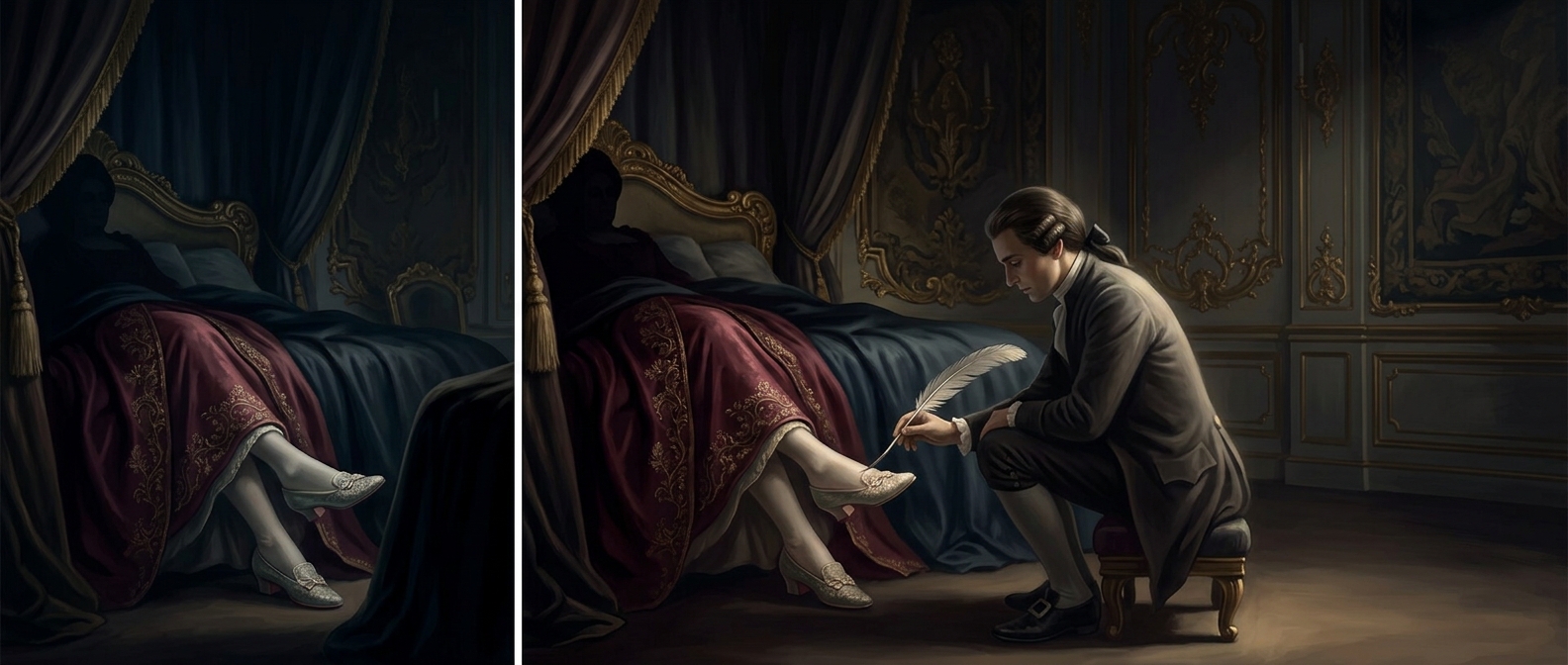
Catherine the Great had a professional foot tickler
Her foot ticklers soothed her feet and sang erotic ballads as she fell asleep—a royal bedtime routine with a surprisingly specific job description.
Discover more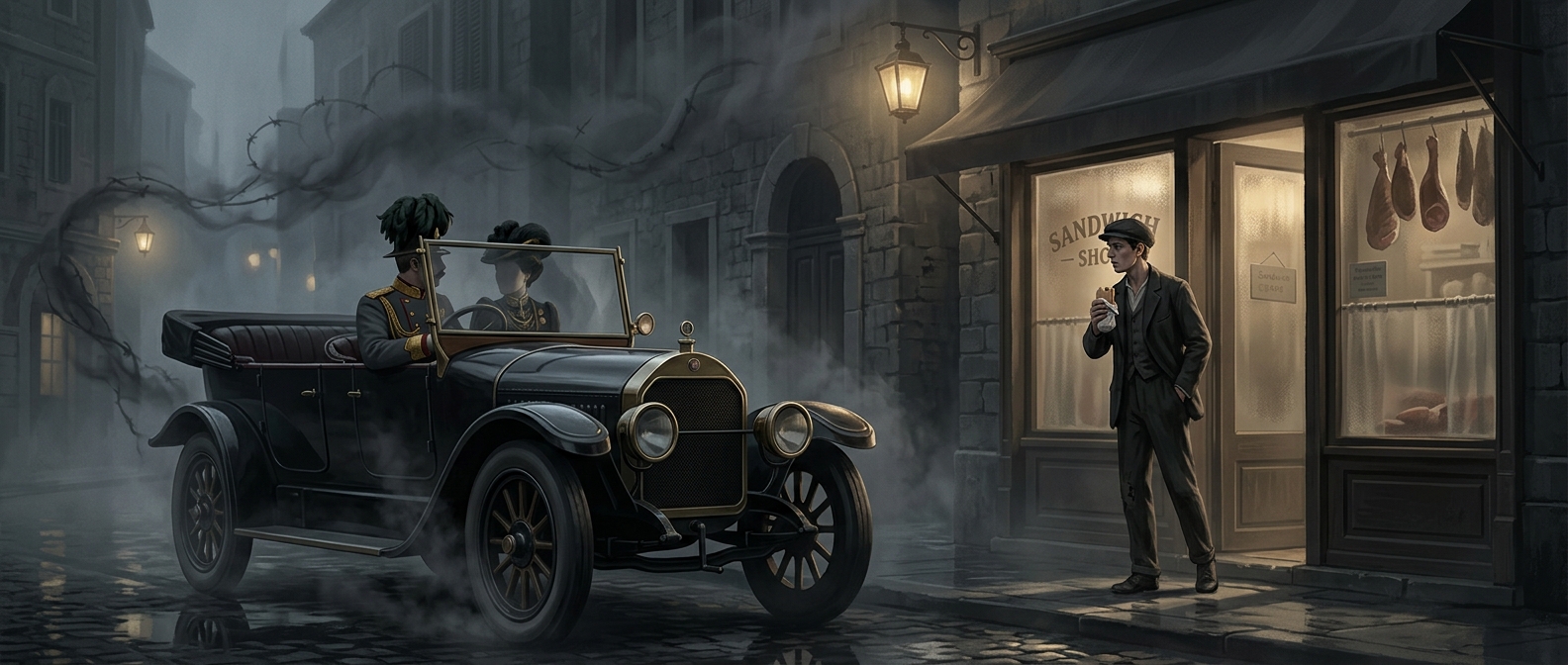
A wrong turn put Franz Ferdinand within an assassin's reach
After an earlier attack failed in Sarajevo in 1914, the archduke's motorcade took a mistaken turn and stopped near Gavrilo Princip. Princip seized the…
Discover more STACKY FOR IPHONE
A bigger world.
One discovery
at a time.
Keep discovering with Stacky. Interesting facts in an app that is always within reach.

The ancient stone walls built like giant jigsaws
Andean masons carved stones with as many as twelve angled corners, fitting them together like a giant jigsaw puzzle to build tightly interlocking walls.
Discover more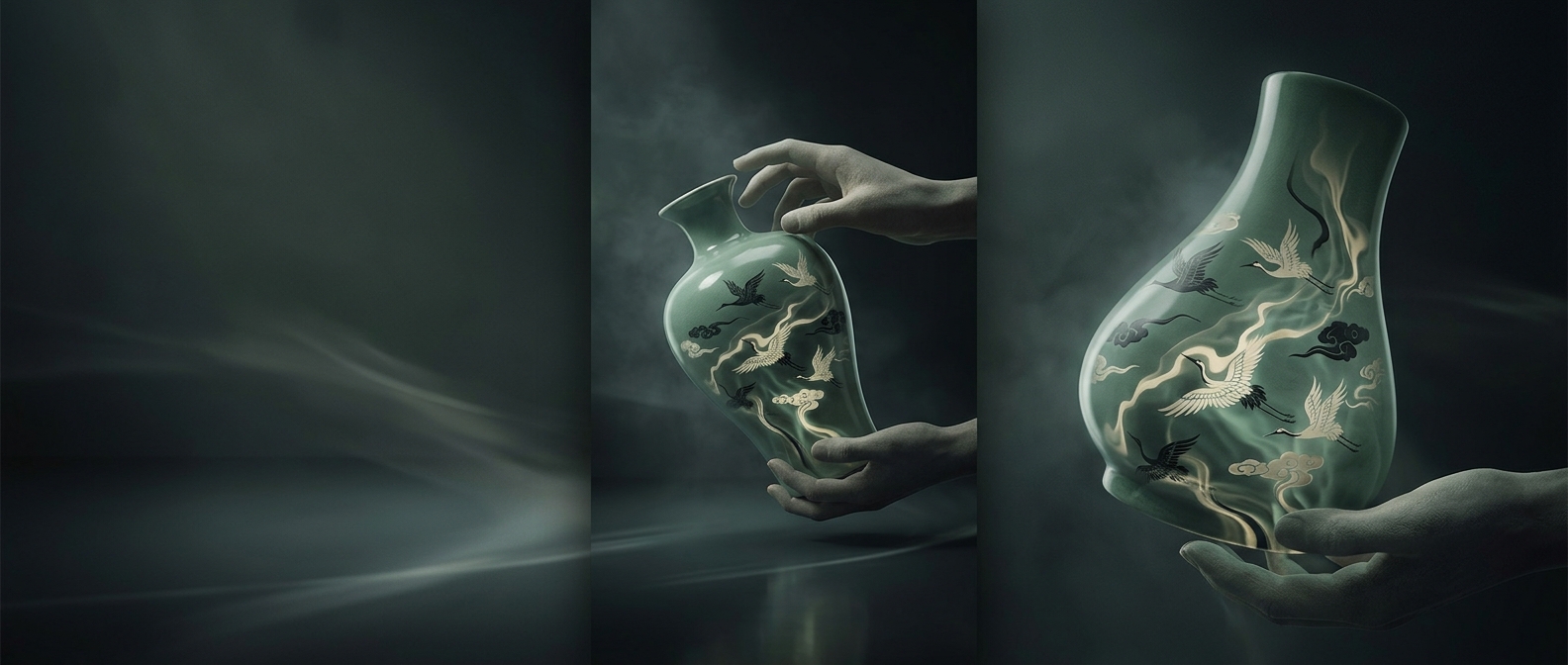
Korean celadon pottery features inlaid colored slips
Potters carved patterns into the clay, filled them with contrasting black or white slips, then fired the celadon.
Discover more
When Saturn’s rings looked like giant ears
Early telescopes couldn't resolve Saturn's rings, so they blurred into two handles jutting from the planet. Better optics revealed a vast ring system of…
Discover more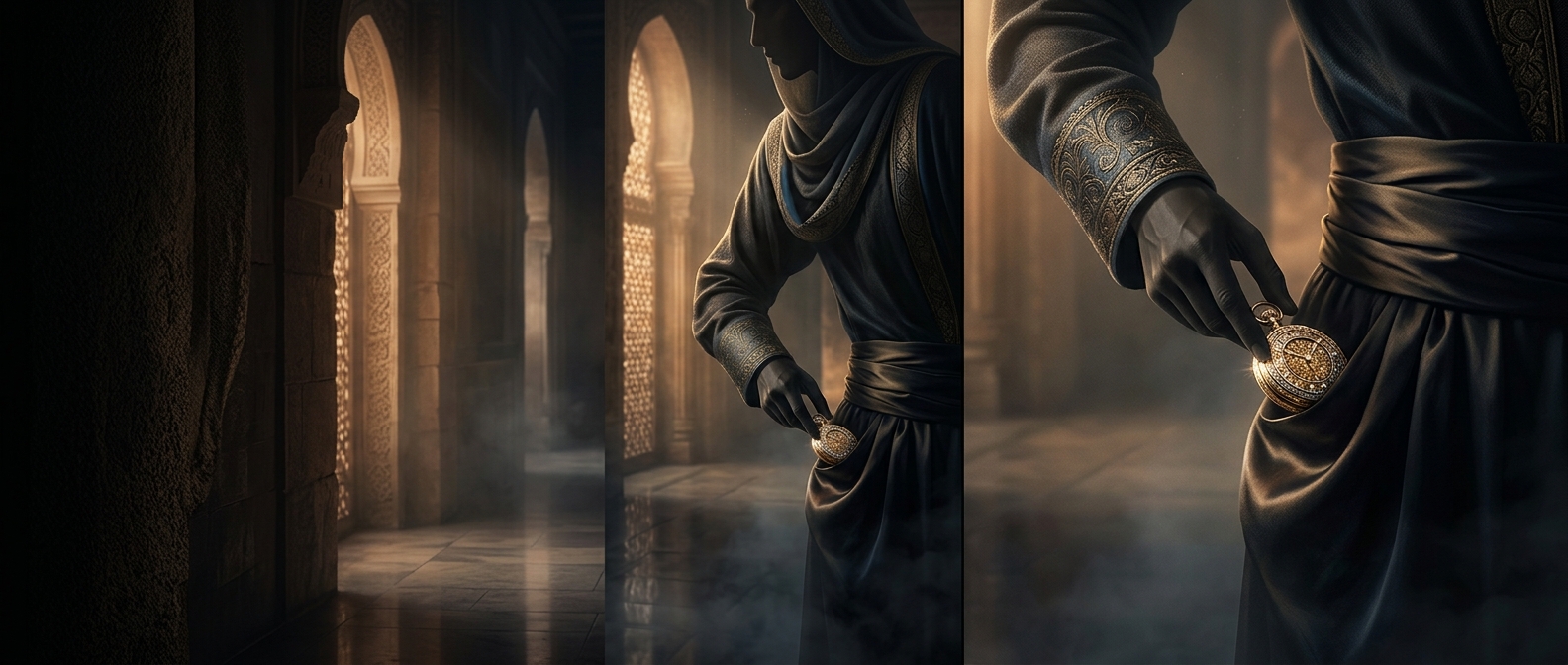
An Egyptian king stole Winston Churchill’s watch
Farouk learned sleight of hand from a professional thief, then put that training to work on Churchill’s pocket watch during dinner. It was a diplomatic visit…
Discover more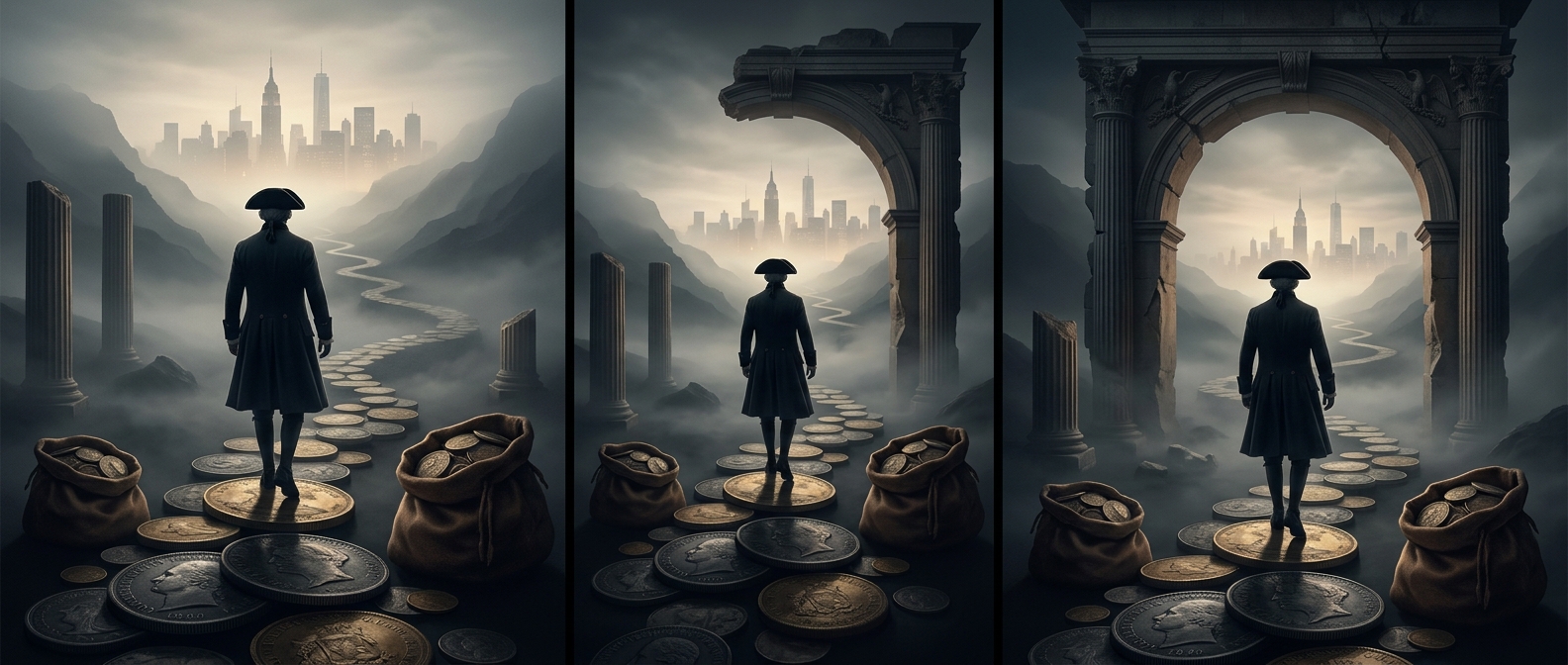
Washington borrowed cash to reach his own inauguration
Before traveling to New York in 1789, he borrowed £600 from merchant Richard Conway to cover debts and the journey. Much of his wealth was tied up in land…
Discover more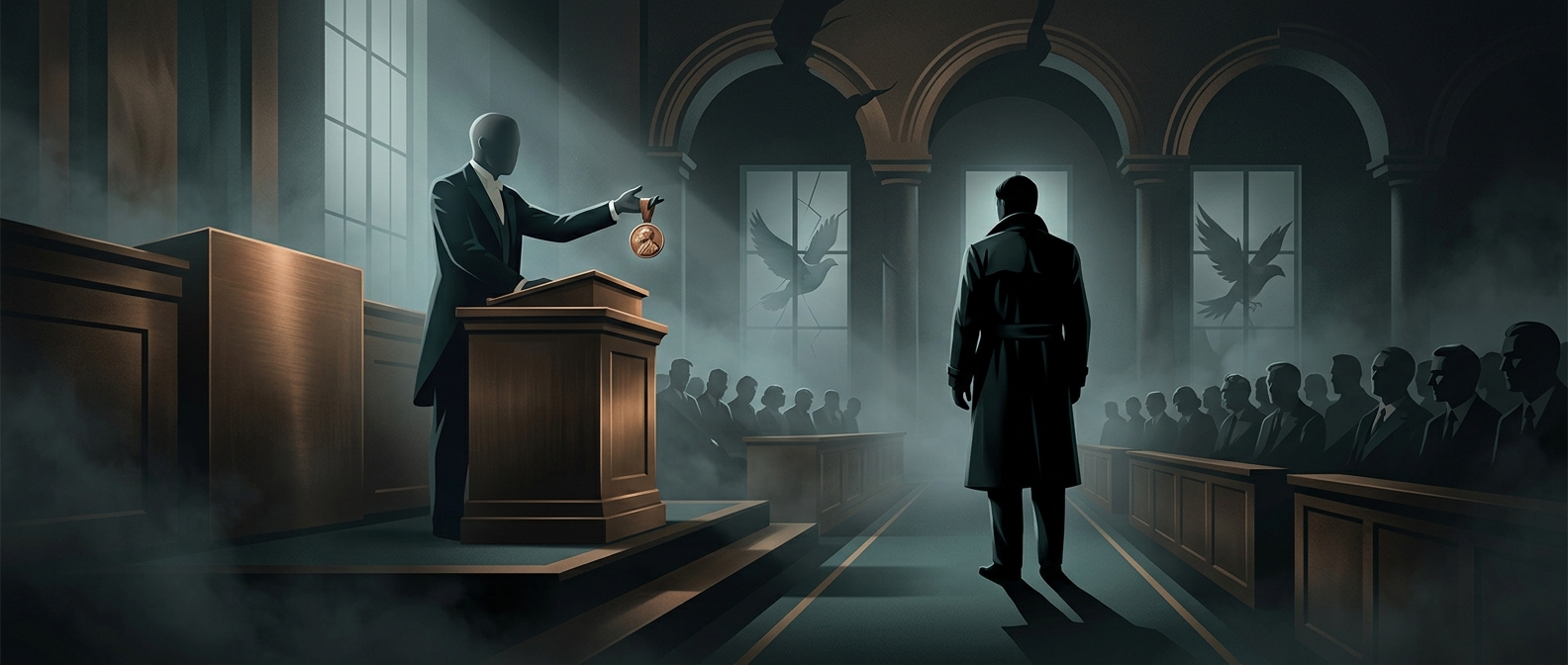
Why Hitler was once nominated for the Nobel Peace Prize
Swedish Social Democrat Erik Brandt nominated Hitler in 1939 as a satirical protest against the nomination of British Prime Minister Neville Chamberlain. The…
Discover more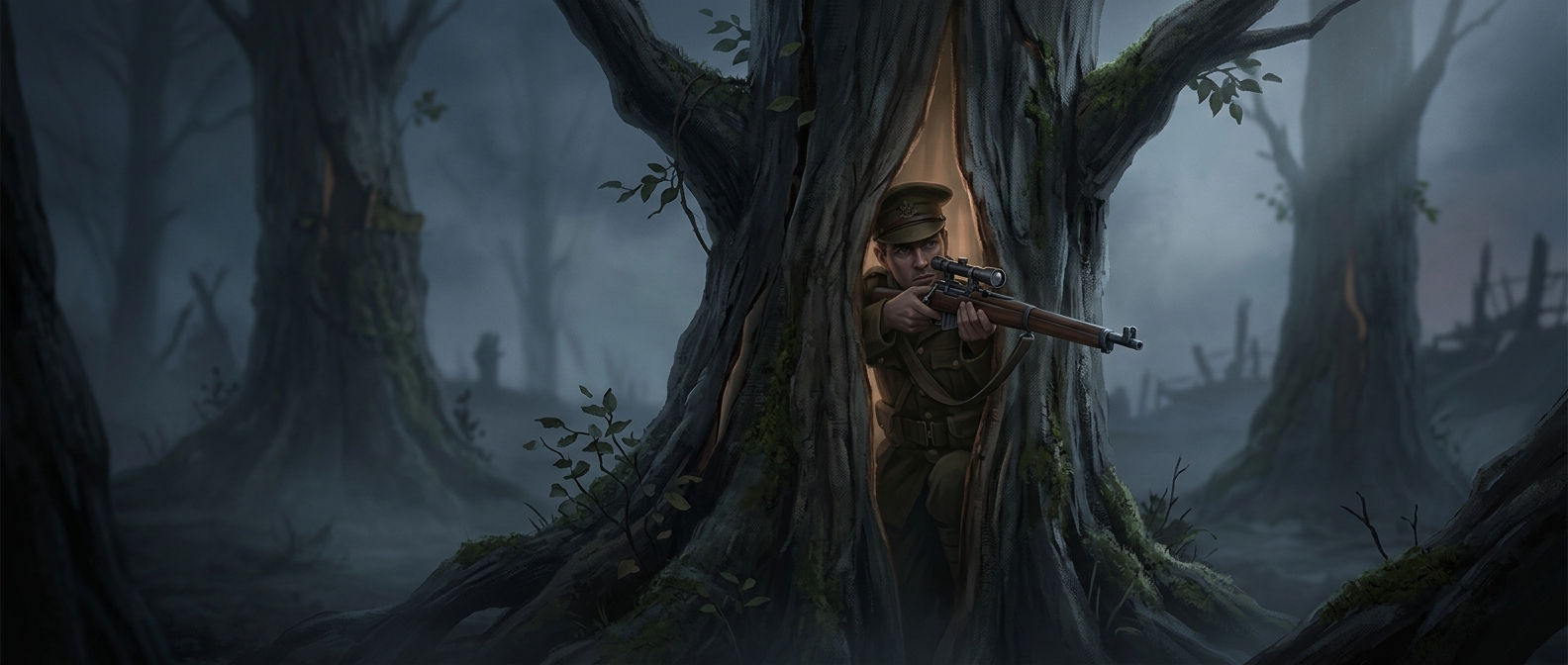
Fake battlefield trees hid observers inside armored trunks
During World War I, camouflage teams copied damaged trees and replaced them at night with observation posts. A narrow protected interior let a soldier watch…
Discover more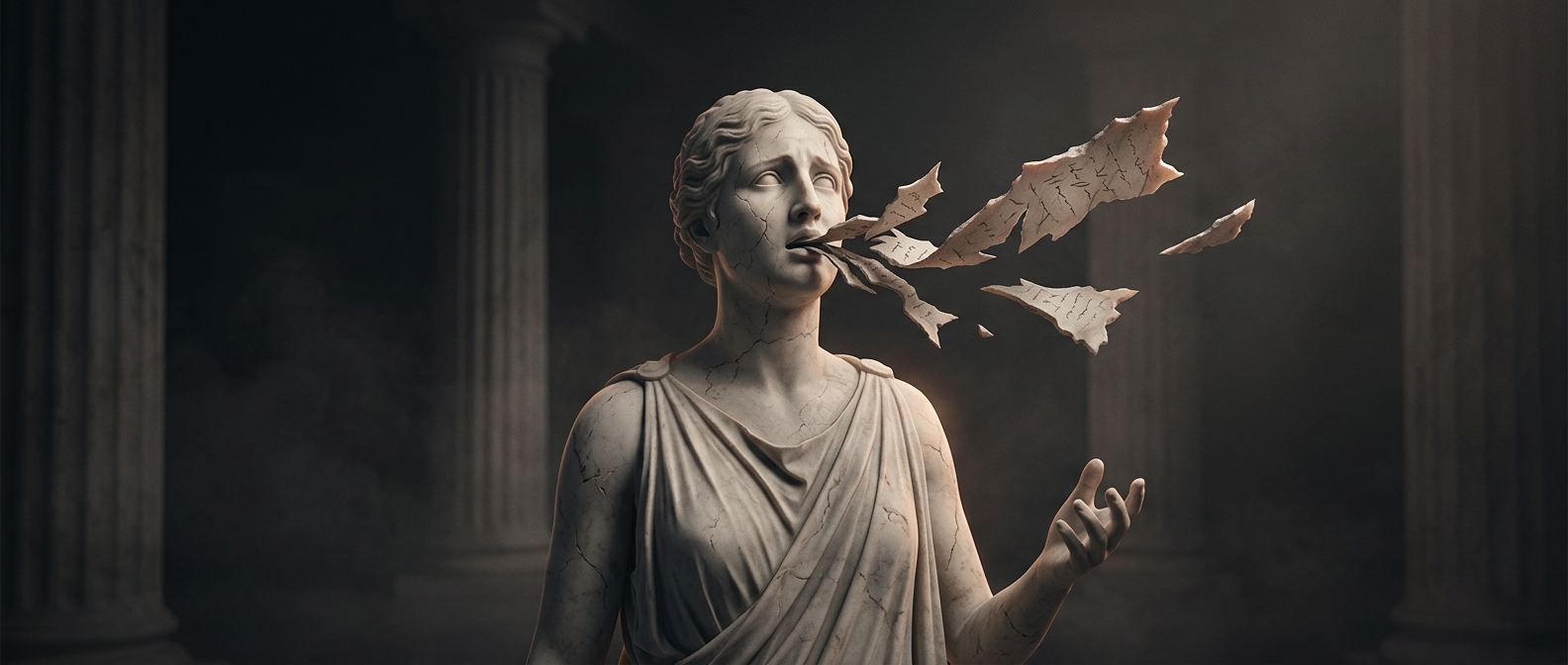
Sarcasm once meant tearing flesh
The word comes from the ancient Greek sarkazein, meaning “to tear flesh like a dog”—a pretty vivid origin for a biting remark.
Discover more
The Maya's vivid red pigment left a mercury footprint
Cinnabar, a mercury-containing mineral, supplied brilliant red for decoration and ceremony. A 2022 review found elevated mercury at several ancient Maya…
Discover more
The bizarre plan to sabotage Hitler with estrogen
Estrogen was tasteless and might make Hitler more docile, but British agents judged that slipping it into the meals of a heavily guarded dictator was nearly…
Discover more
Chinese fleets sailed massive ships across the ocean
Ming treasure ships carried thousands of people and cargo on diplomatic voyages, making each fleet a display of imperial power. Compared with the small…
Discover more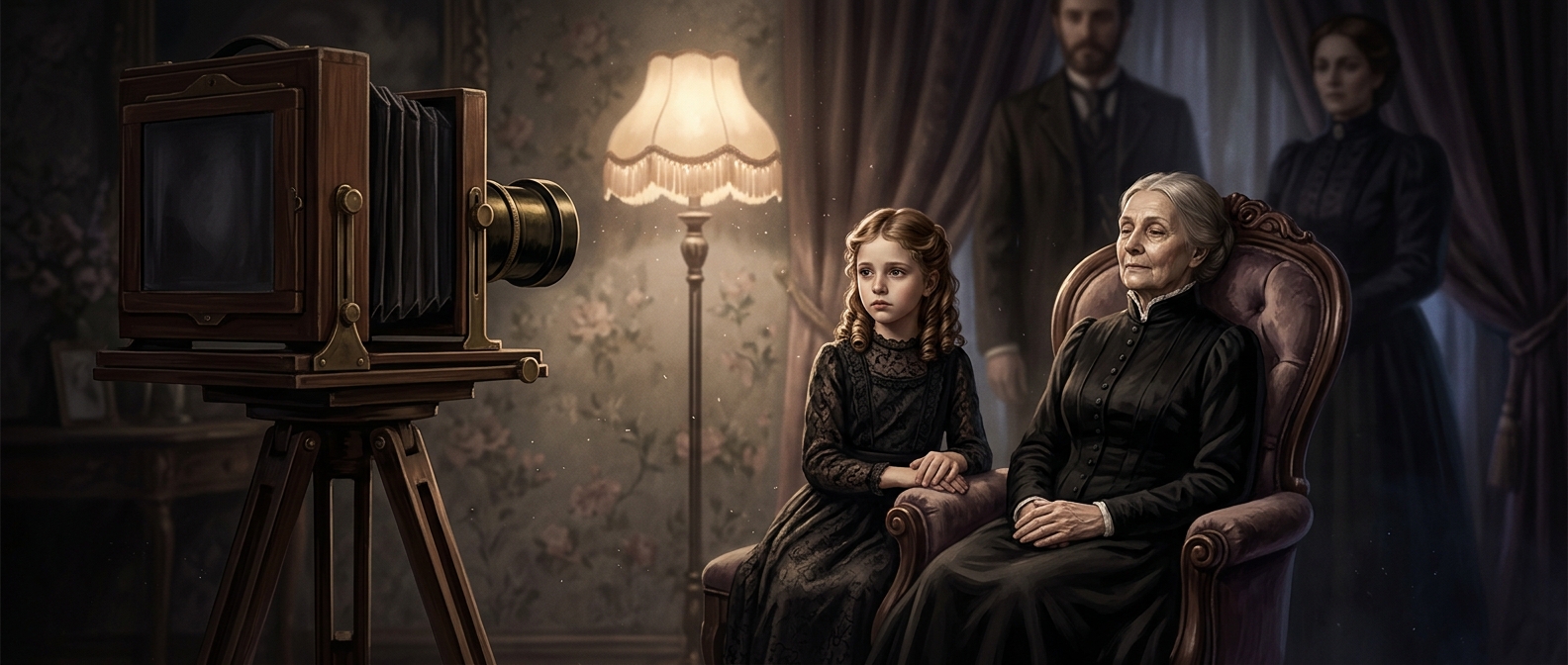
A Victorian family's only portrait might come after death
Post-mortem photographs preserved the likeness of a person whose family might never have obtained a living portrait. Many show the deceased resting or laid…
Discover more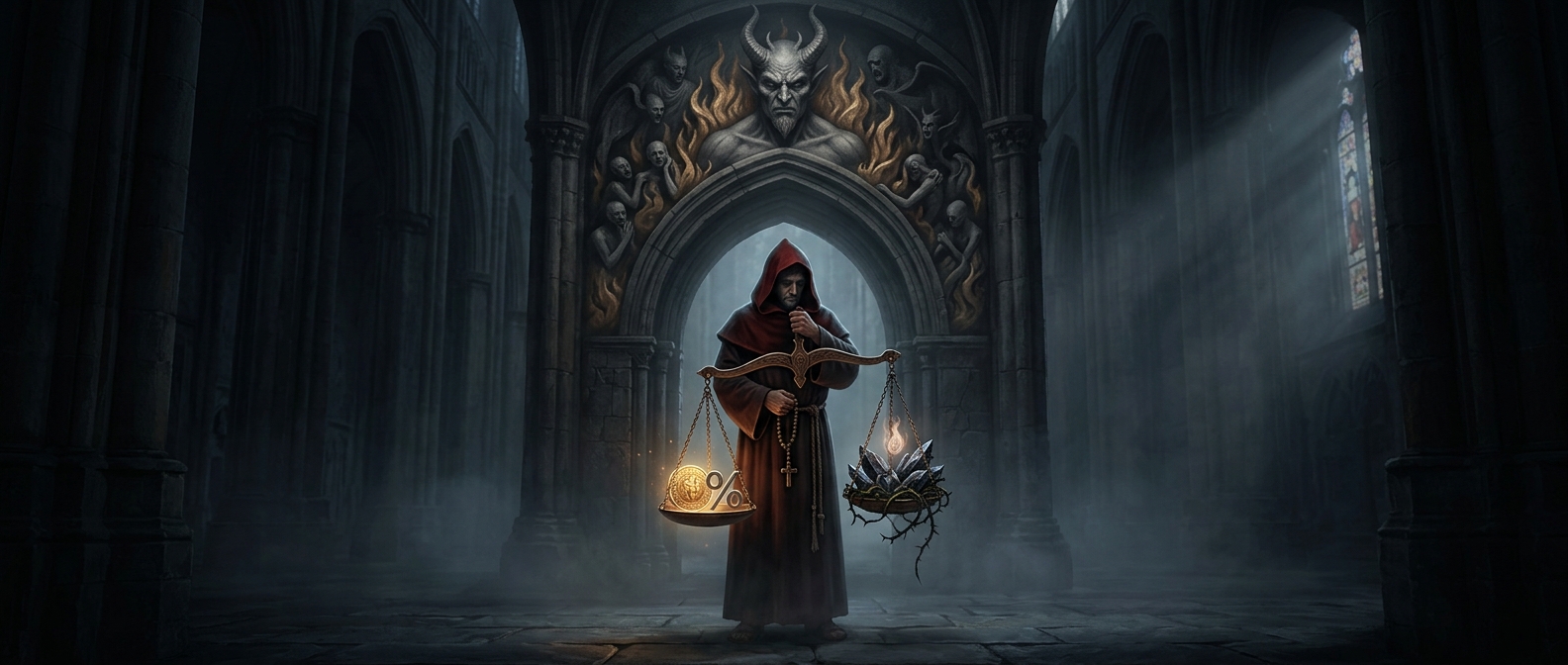
An interest ban made loan contracts more inventive
Medieval Christian restrictions on usury did not eliminate the need for credit. Merchants used arrangements such as bills of exchange, in which returns could…
Discover more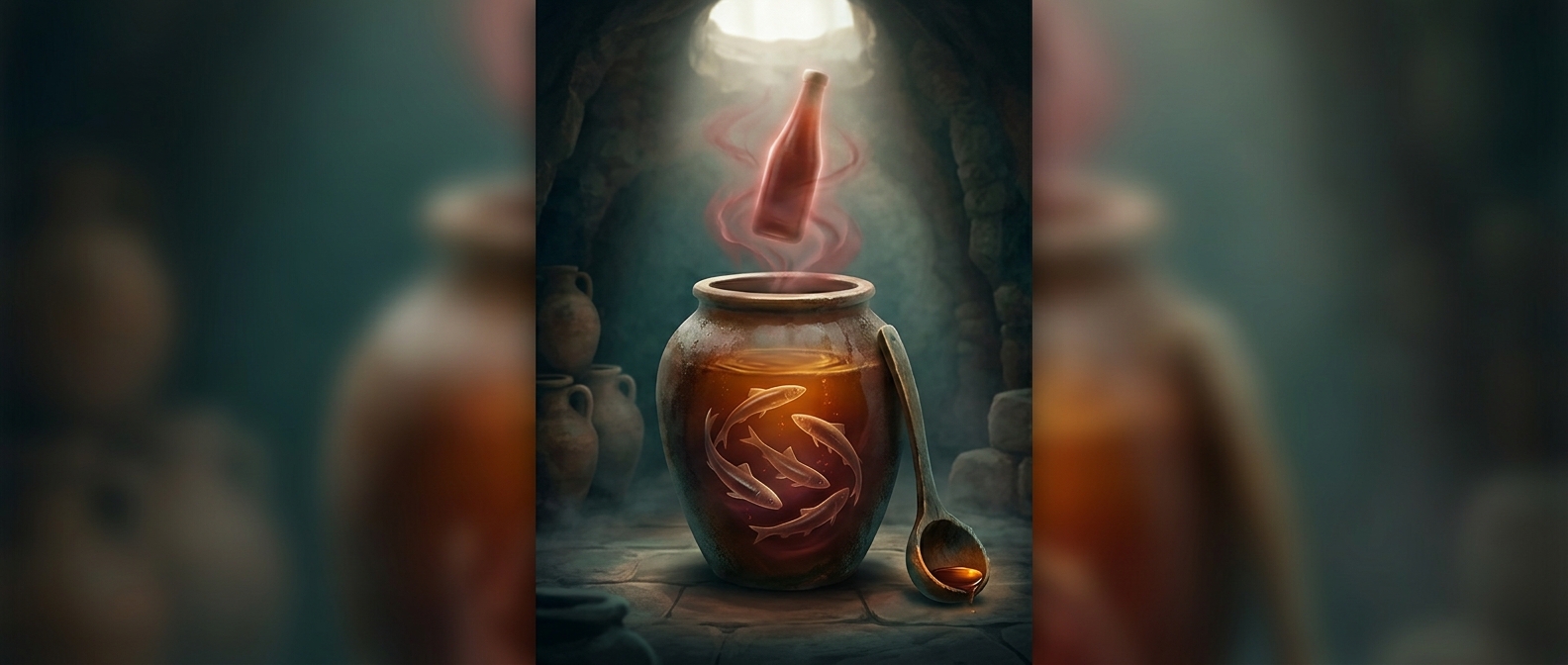
Ketchup began as fish sauce
Early ketchup was a salty fish-sauce brine, not the sweet red condiment on a diner table. As it spread, cooks changed the ingredients; tomatoes came later.
Discover more
An Egyptian dog's funeral was carved into history
An ancient inscription names the dog Abutiu and records a king's order for an honored burial, including a coffin, linen, and incense. That unusual attention…
Discover more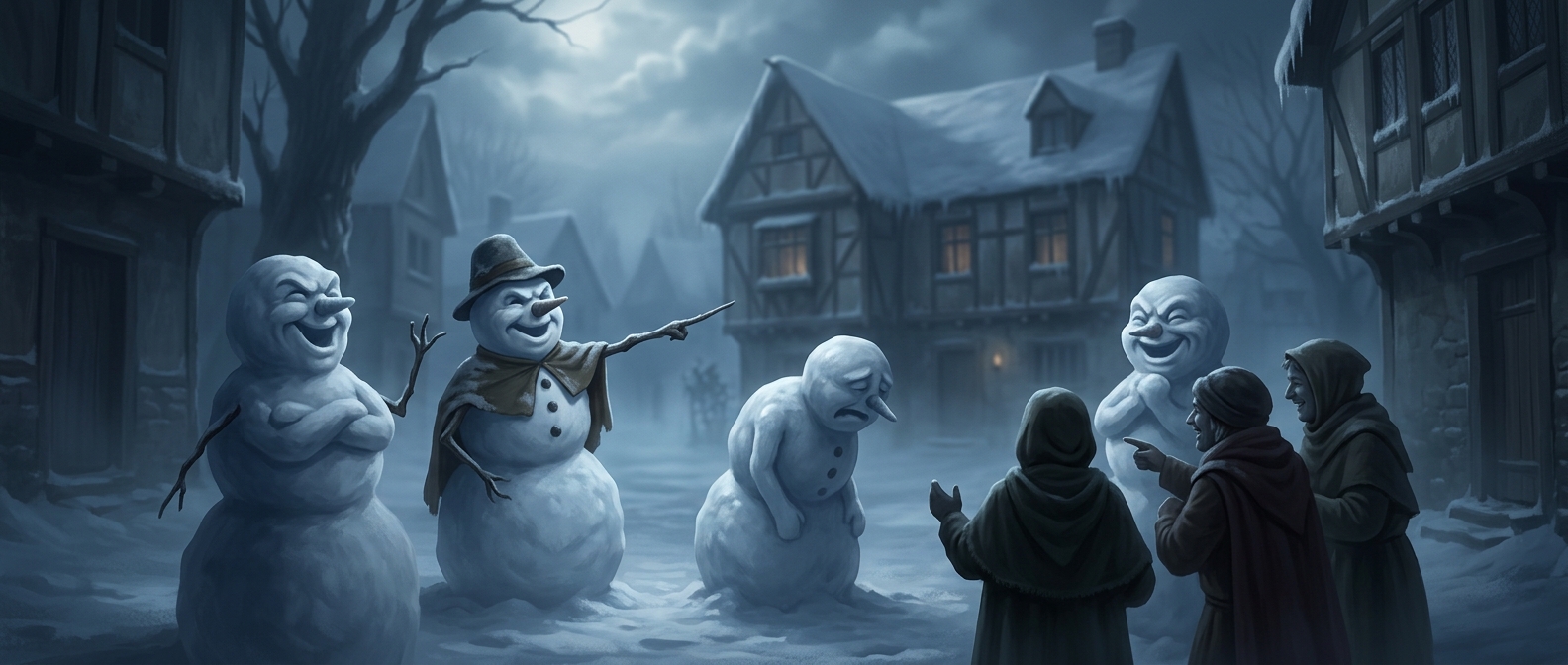
Brussels once filled its streets with scandalous snowmen
In 1511, residents built roughly 110 snow figures, including bawdy scenes and social satire. Poet Jan Smeken recorded the spectacle, preserving jokes whose…
Discover more
Massive tunnel project buried an ugly elevated highway
Boston moved a major highway underground to bury an elevated route that cut through the city. The project took decades and became notorious for delays and…
Discover more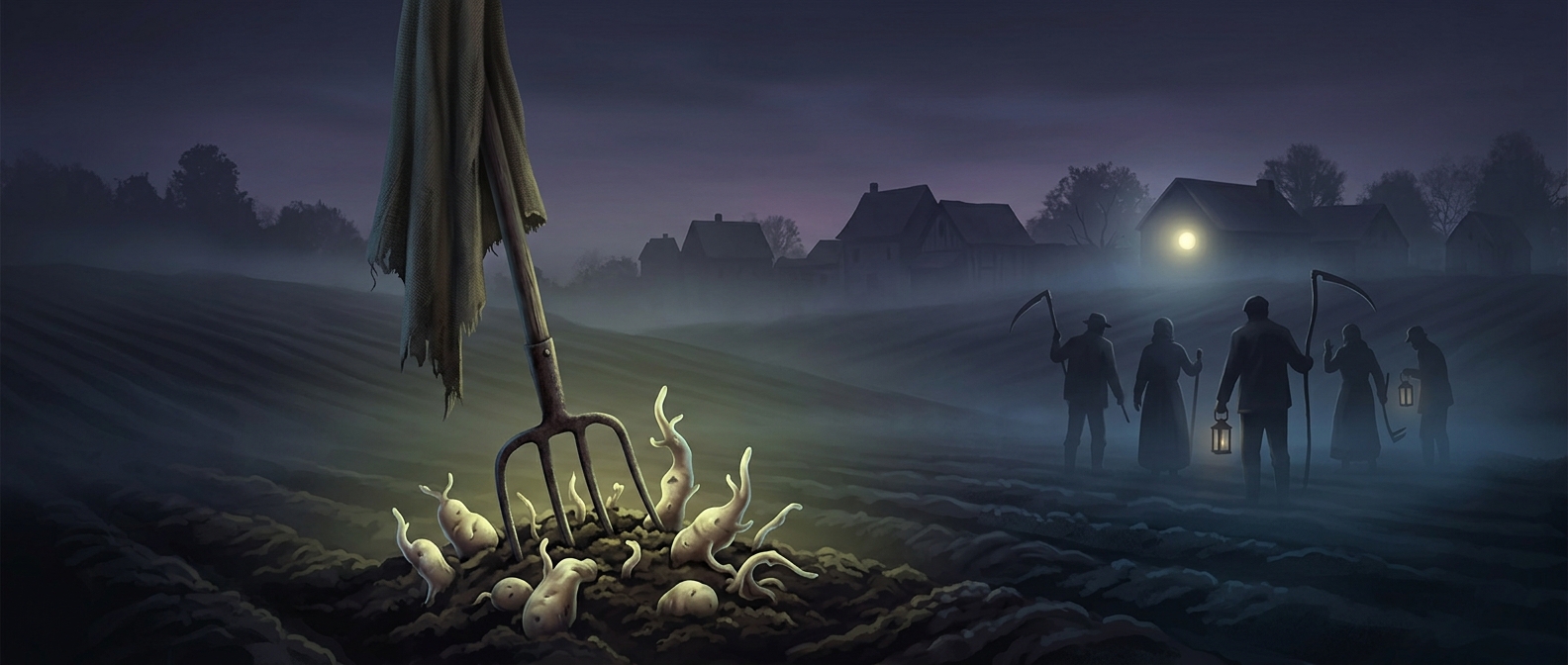
Why Europeans once feared the potato
Because potatoes grew underground and looked unfamiliar, some Europeans treated them as cursed rather than useful food. Farmers had to persuade people to try…
Discover more