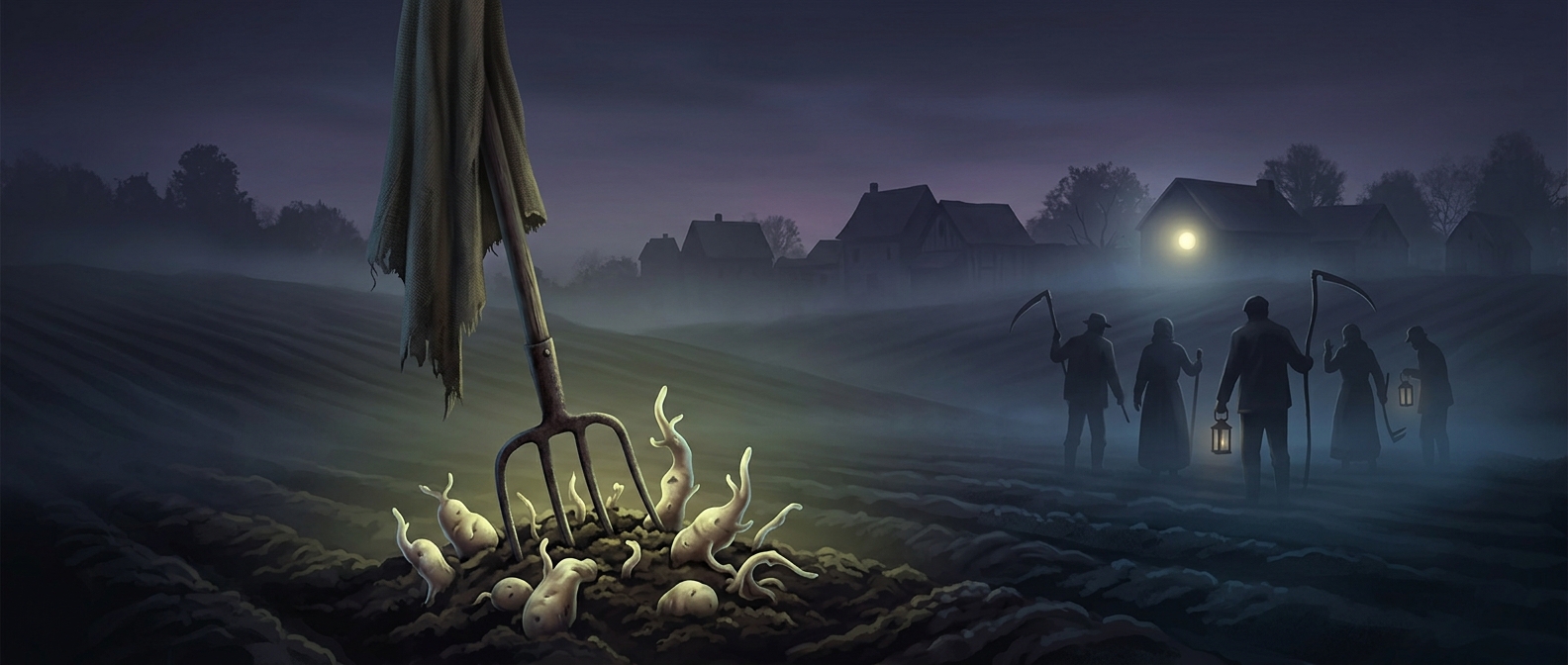
An unfamiliar crop with a suspicious relative
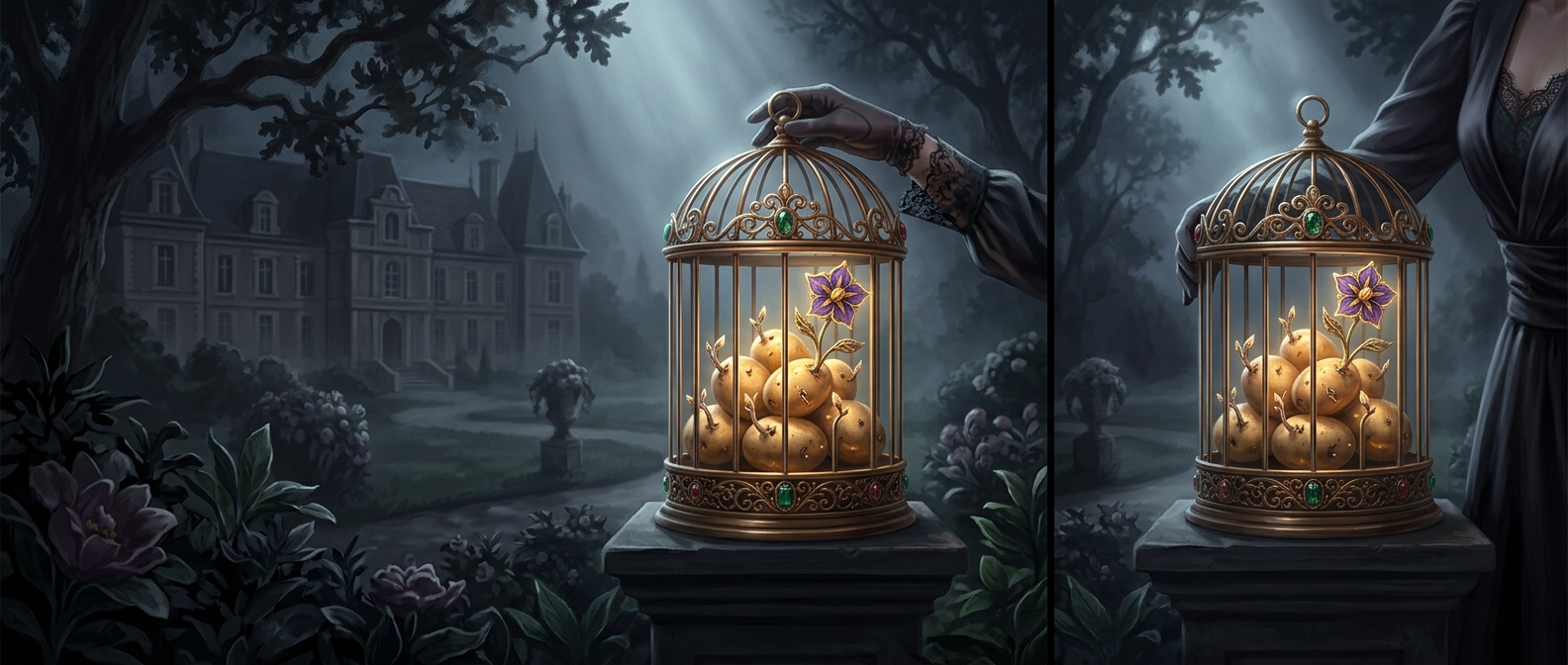
When potatoes arrived in Europe from the Andes in the 16th century, they did not fit the pattern of familiar staples such as wheat and barley. Their edible part was a lumpy tuber hidden in the soil, not a visible seed or grain. For people encountering the plant for the first time, that made it harder to recognize as food—and easier to regard as strange or unsafe.
The potato also belonged to the nightshade family. Some relatives, including deadly nightshade, are poisonous, and the potato plant itself can be harmful: its green parts and berries are not meant to be eaten. That family resemblance gave suspicion a practical foothold, even though the underground tuber is nutritious when properly prepared.
Useful in the field, slow to win trust
A farmer could plant a tuber and harvest more tubers beneath the ground, but the crop’s productivity did not automatically persuade people to eat it. Growing an unfamiliar plant was one decision; serving it to a household accustomed to other foods was another. Potatoes spread unevenly, and in some places they were first treated as curiosities or used mainly as animal feed.
Over time, experience changed the calculation. Potatoes could produce substantial food from a small plot, and their underground growth offered some protection from weather that could damage exposed crops. Once communities learned which parts to eat and how to grow them, the feature that had seemed uncanny became an advantage: the harvest was concealed below the field until it was needed.