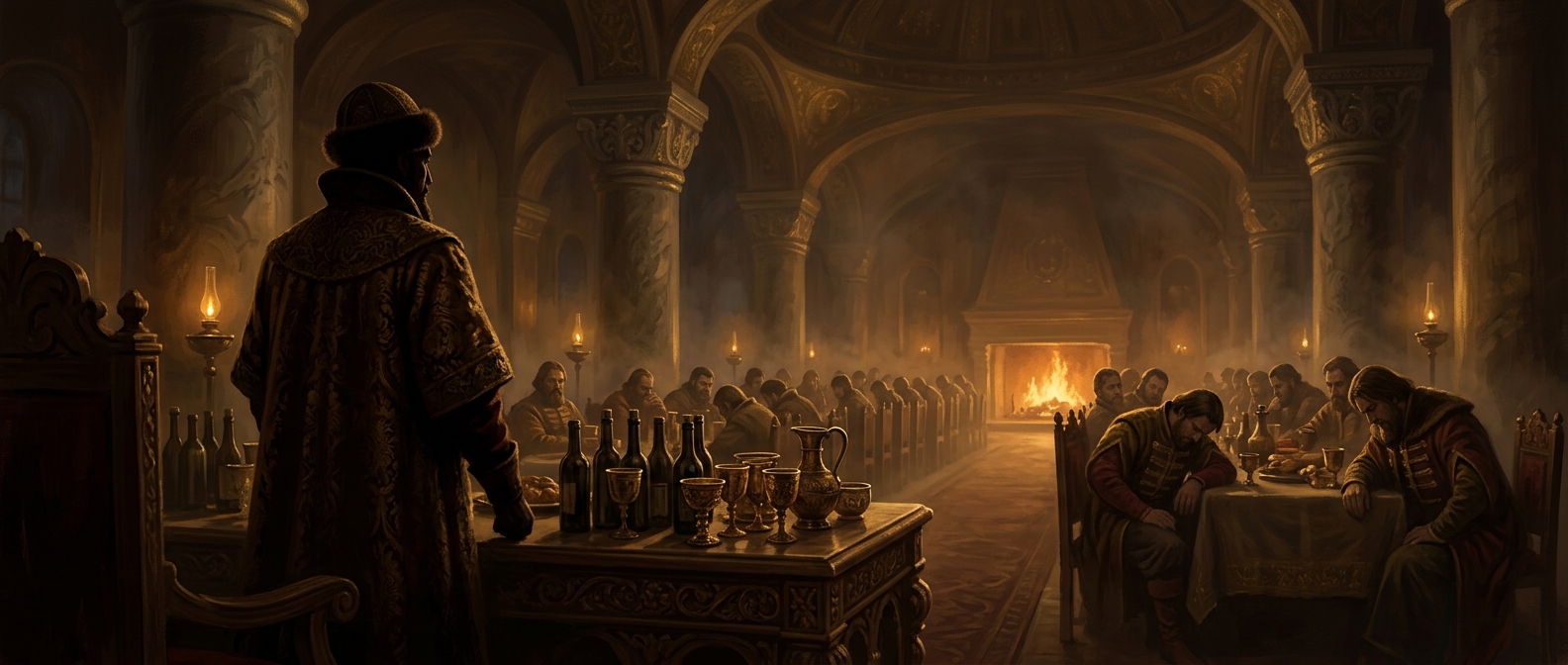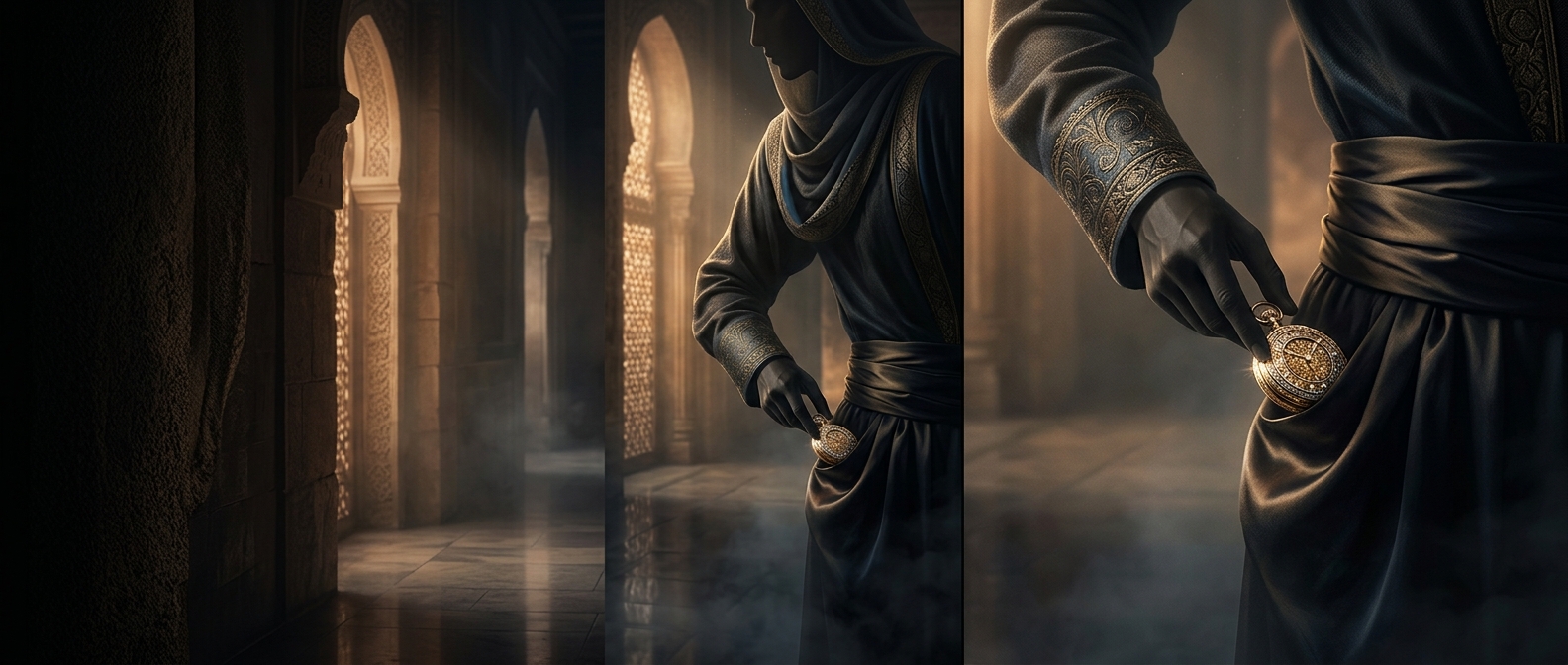
A pickpocket’s trick at the diplomatic table
Sleight of hand works by directing attention away from the hand doing the work. A conversation, gesture, or moment of laughter can draw someone’s eyes upward while a practiced hand moves near a pocket. The motion is meant to feel ordinary; the target notices the missing object only afterward.
That made Churchill’s watch an unusually personal prop. Unlike a staged performance, a dinner table put Farouk within easy reach of his guest, while etiquette encouraged both men to focus on conversation rather than watch each other’s hands. The same closeness that made the encounter diplomatic also created the opening for the trick.
When access becomes the misdirection
The story’s sting comes from the contrast: Churchill was a visiting statesman, but for a moment he was also simply a person whose belongings were within reach. Farouk’s training turned an everyday social setting into the stage—and the watch into evidence that the performance had happened at close quarters. A diplomatic dinner, it suggests, can have its own kind of theater, with the audience seated right beside the performer.