A Court Ritual Built Around Excess
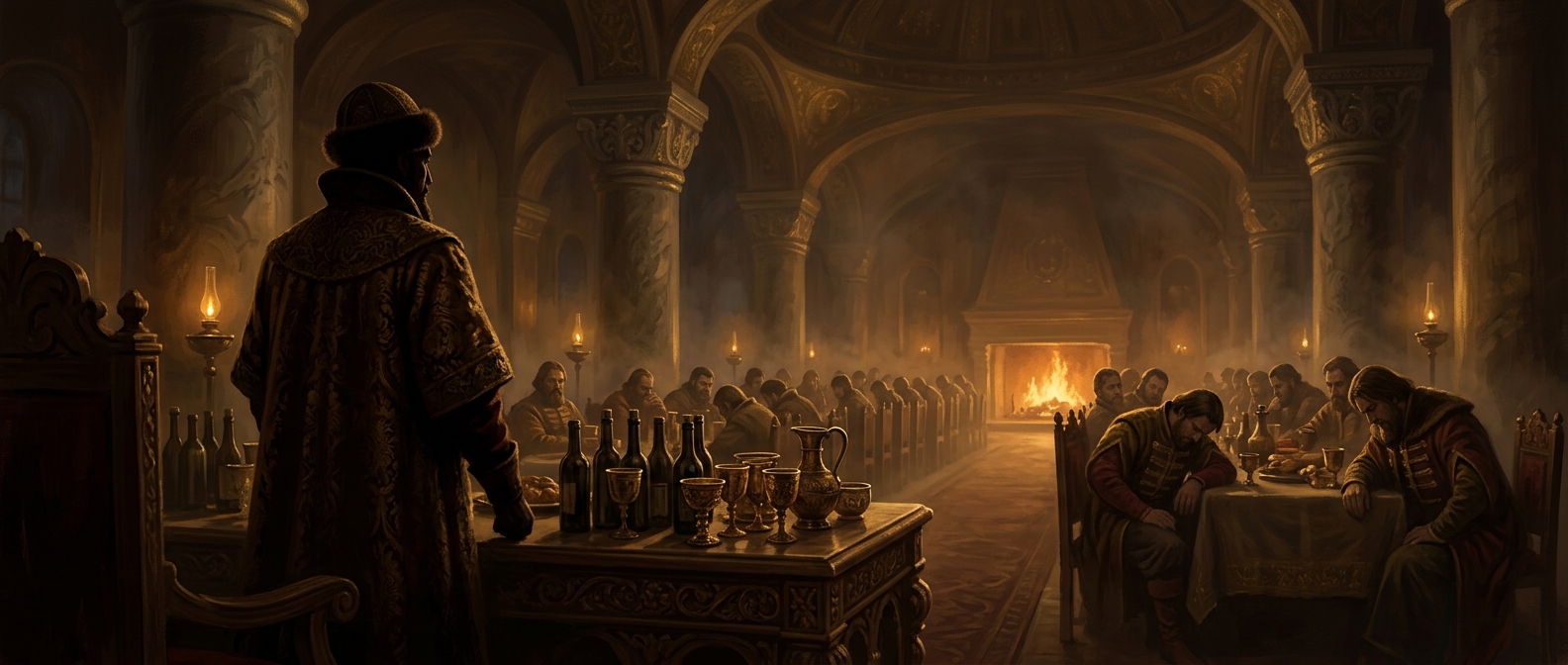
Peter the Great’s drinking gatherings were not simply private parties. They were associated with the mock religious fraternity often called the “Most Drunken Synod,” whose ceremonies parodied church ritual. The joke had a serious edge: nobles summoned to take part could not treat the gathering as optional socializing.
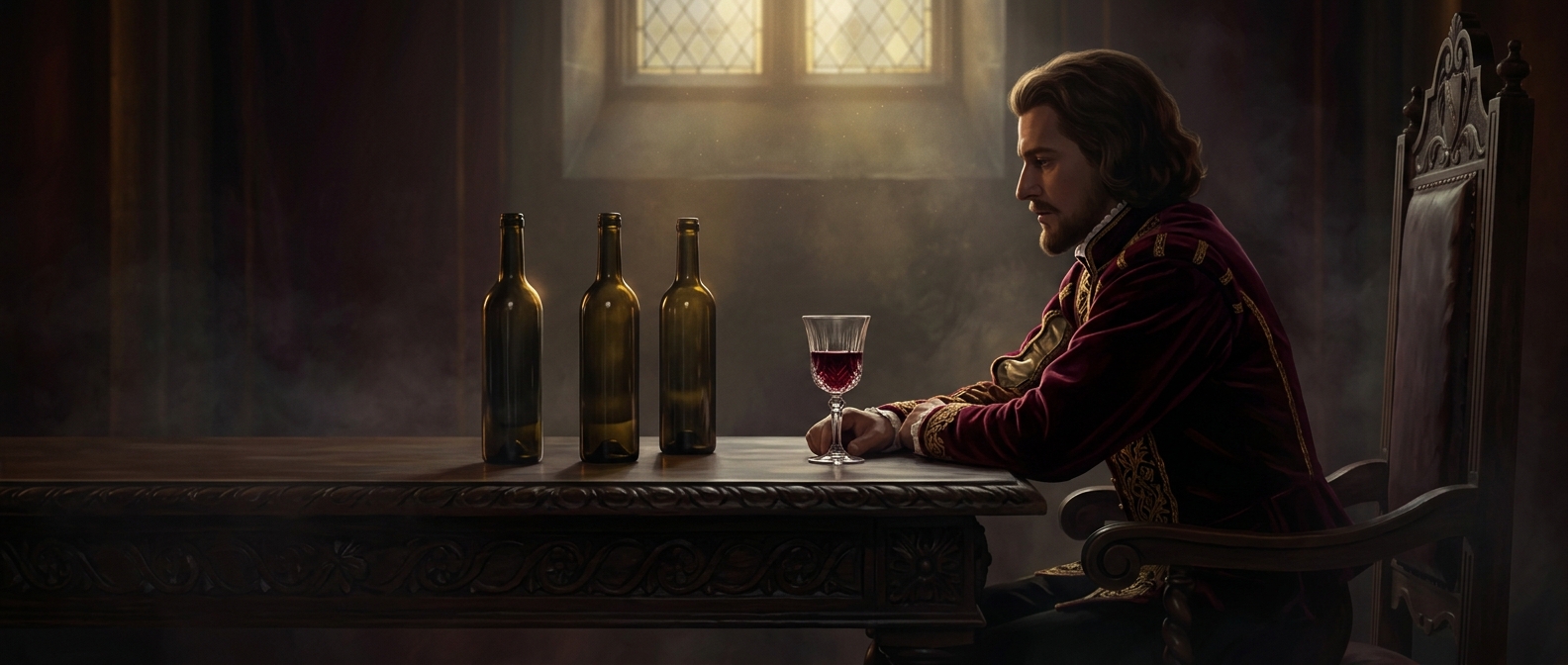
At court, attendance itself signaled submission to the ruler. Once present, a noble faced pressure to drink along with the group; staying sober could bring punishment. The ritual turned a personal choice—whether to drink—into a public test of obedience.
When Drinking Became a Loyalty Test
The days-long sessions blurred the line between entertainment and command. Participants were expected not merely to appear but to join in, making refusal conspicuous. In a court where the sovereign controlled access and status, that pressure carried more weight than an ordinary host’s demand for another round.
The practice also inverted the dignity expected of elite men. Instead of displaying restraint and decorum, nobles were pushed toward visible excess. That inversion made the gatherings a display of Peter’s power: he could set the rules of courtly behavior, even when those rules meant abandoning self-control.
The cost was physical as well as political. Prolonged heavy drinking could leave participants dangerously ill, including from alcohol poisoning. In this court ritual, a cup was not just a cup—it was a small, repeatable test of whether a noble would obey.