Peter’s Personal Role in the 1698 Reprisals
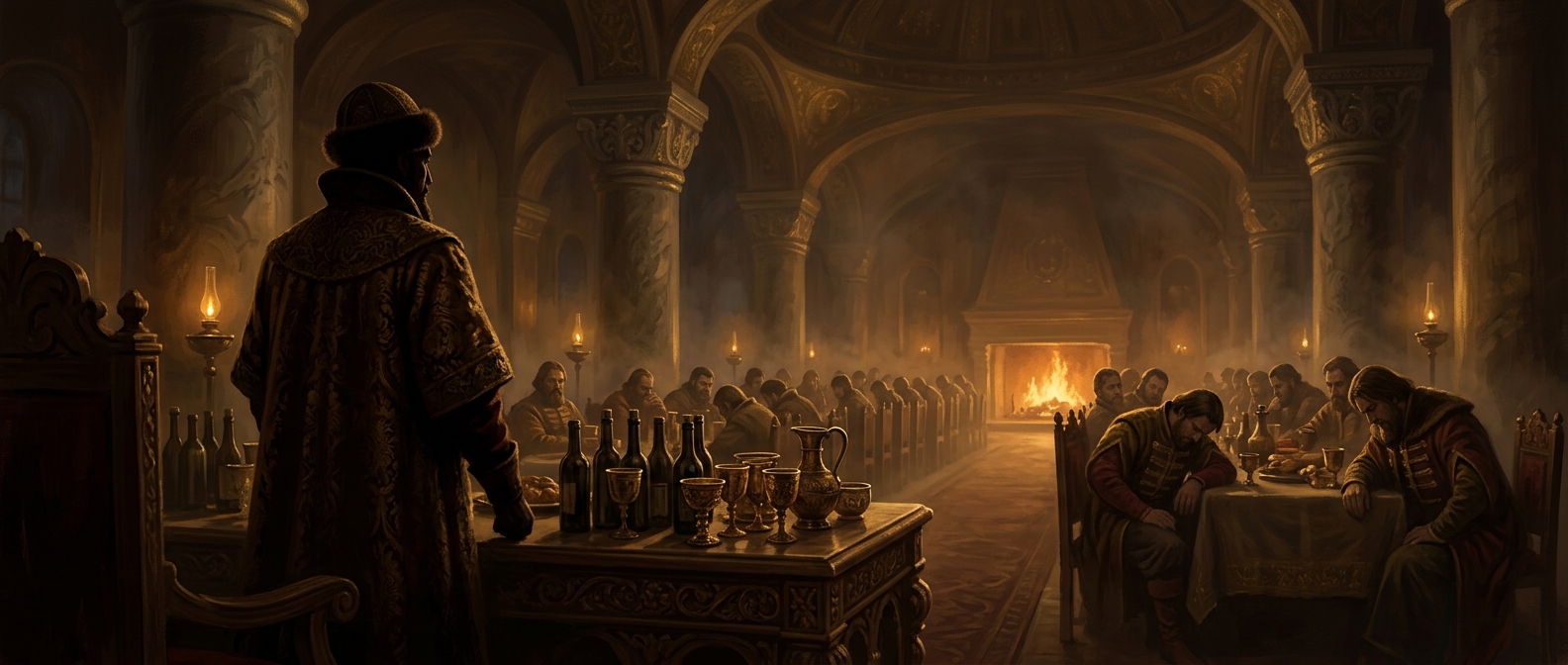
When Peter the Great returned to Russia in 1698, a revolt by the Streltsy—an old corps of armed troops—had already been put down. The uprising took place while Peter was abroad and was linked to opposition to his rule and the possibility of restoring his half-sister Sophia to power. Peter ordered an investigation, and the aftermath brought severe punishment for the rebels.
Accounts of the reprisals say Peter sometimes took up the executioner’s axe himself, beheading condemned men rather than leaving every execution to officials. The surviving accounts do not make each detail equally certain, so it is best understood as a reported part of the executions, not as a regular duty he performed.
Punishment as a Display of Authority
The executions were more than a sentence imposed on individuals: they showed what rebellion against the ruler could cost. By taking part personally, Peter made that violence visible and placed himself at the center of the punishment. His actions also reveal a stark feature of early modern monarchy: a sovereign could present himself not only as the maker of law, but as its direct enforcer.
The episode is striking because the ruler associated with reshaping Russia’s army and government also participated in an older, brutally immediate form of power. In the aftermath of the revolt, the axe was both an instrument of execution and a public sign that Peter intended to rule without sharing authority with armed challengers.