A crown made rank visible
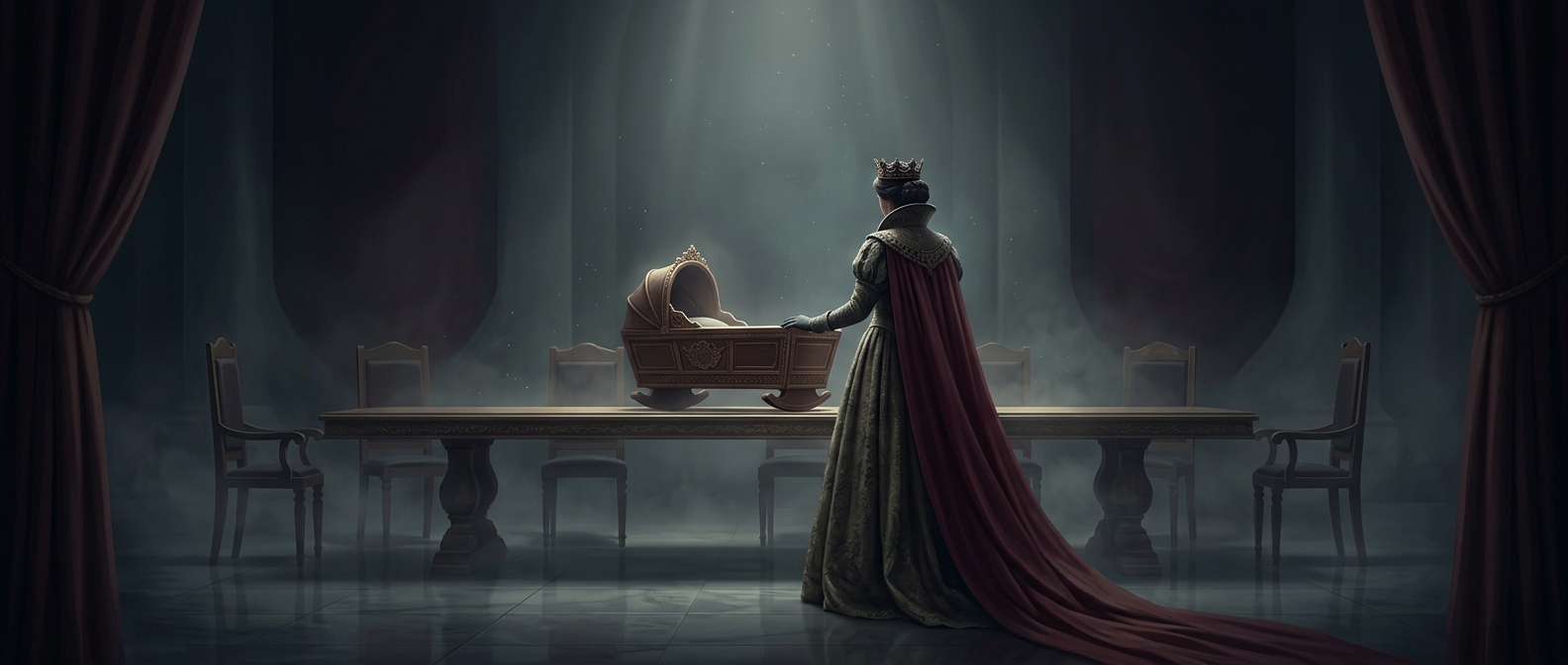
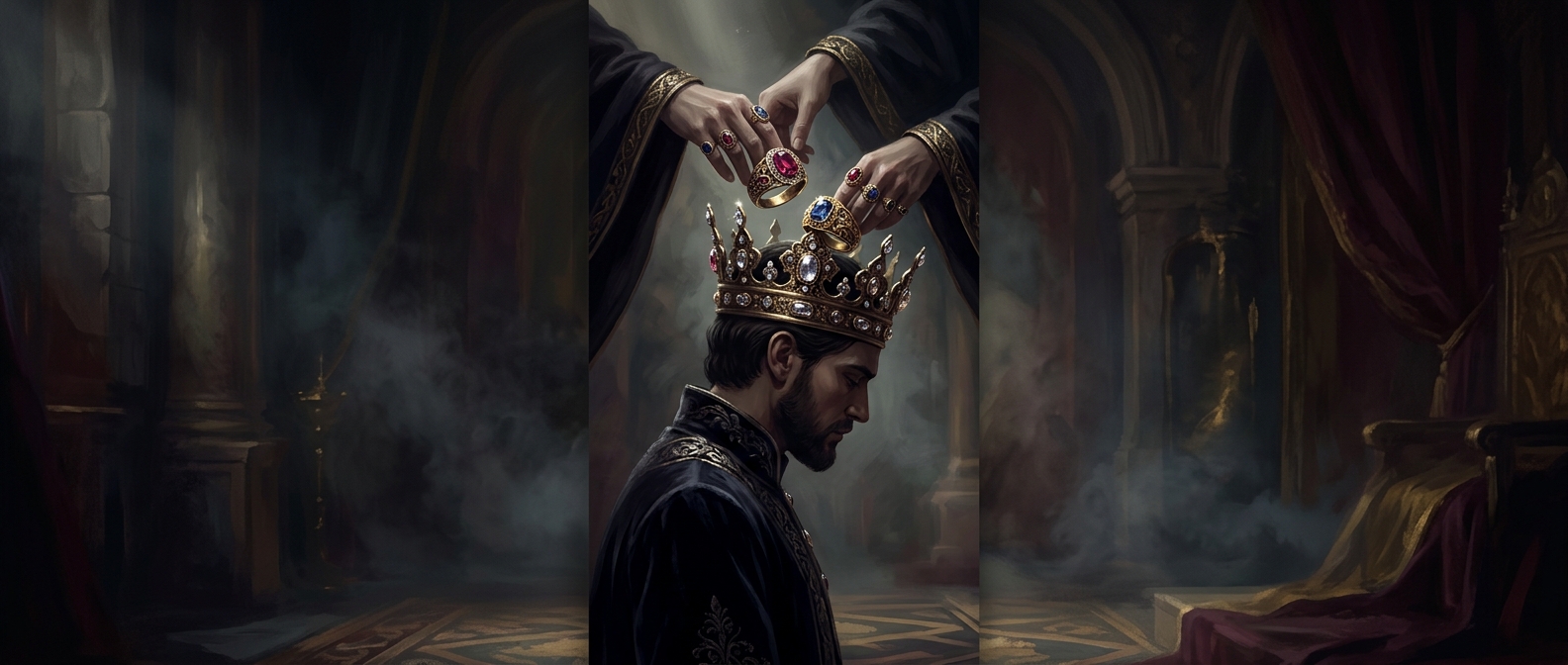
Royal authority is abstract: a title cannot be seen across a crowded hall. A crown turned that status into a conspicuous object. Its height, metalwork, and jewels distinguished the wearer from everyone around them, making identity and rank legible during ceremonies where many people might otherwise have had little chance to recognize the ruler.
That visibility mattered especially in societies where power was communicated through formal appearances. A crown did not create a ruler’s claim by itself, but wearing it could mark a moment when that claim was publicly displayed—such as a coronation or another state ceremony. Its materials also signaled access to wealth and skilled craft, resources associated with the royal household.
Splendor came with a physical cost
The same materials that made a crown impressive could make it burdensome. Metal and mounted jewels add weight above the head, where even a modest load can feel tiring over time. The wearer had to keep the crown balanced and steady while standing or moving, so its display carried a practical constraint as well as a symbolic one.
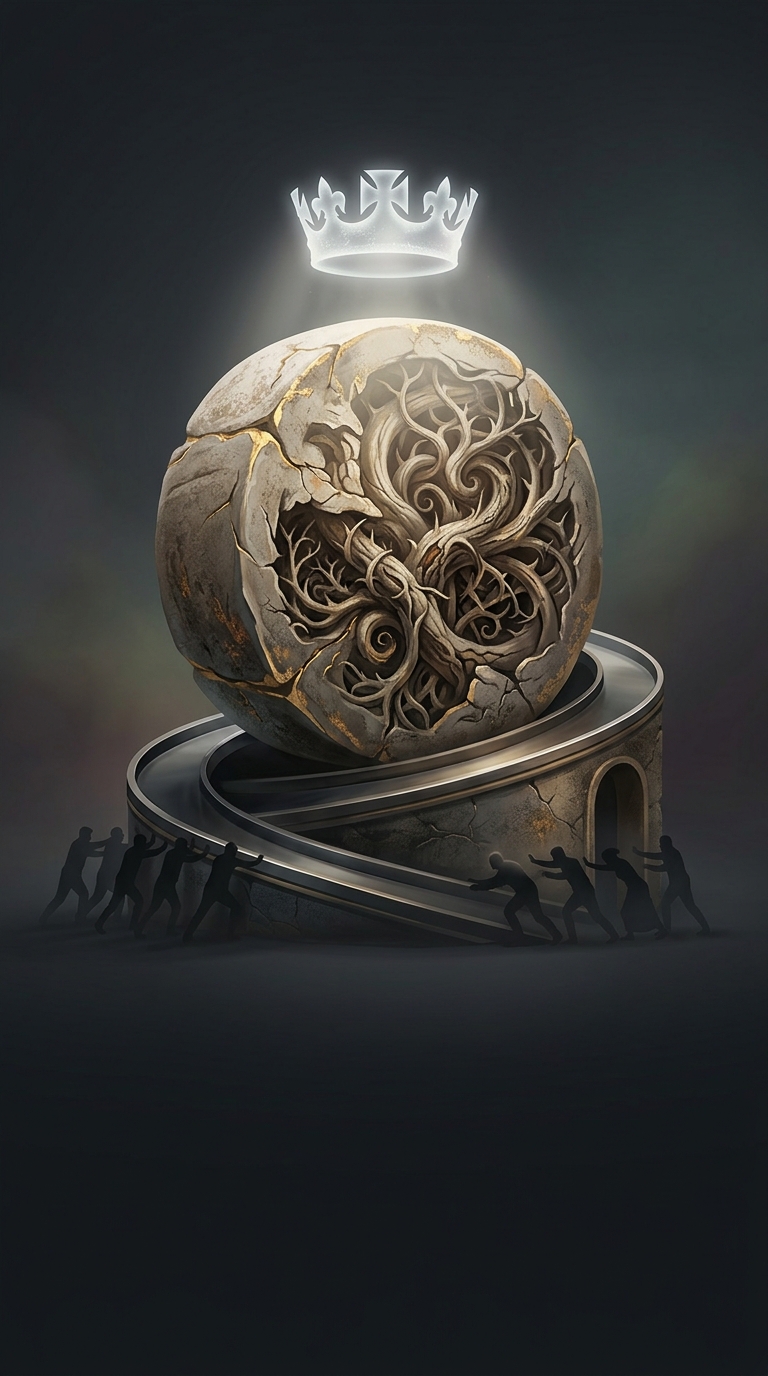
That burden helps explain why a crown’s force was tied to occasions when it was deliberately shown, rather than to ordinary comfort. The weight made royal status not just visible, but physically present: a ruler’s authority was represented by an object that demanded effort to wear. In the ceremony, that effort became part of the spectacle.