A nomination designed as a rebuke
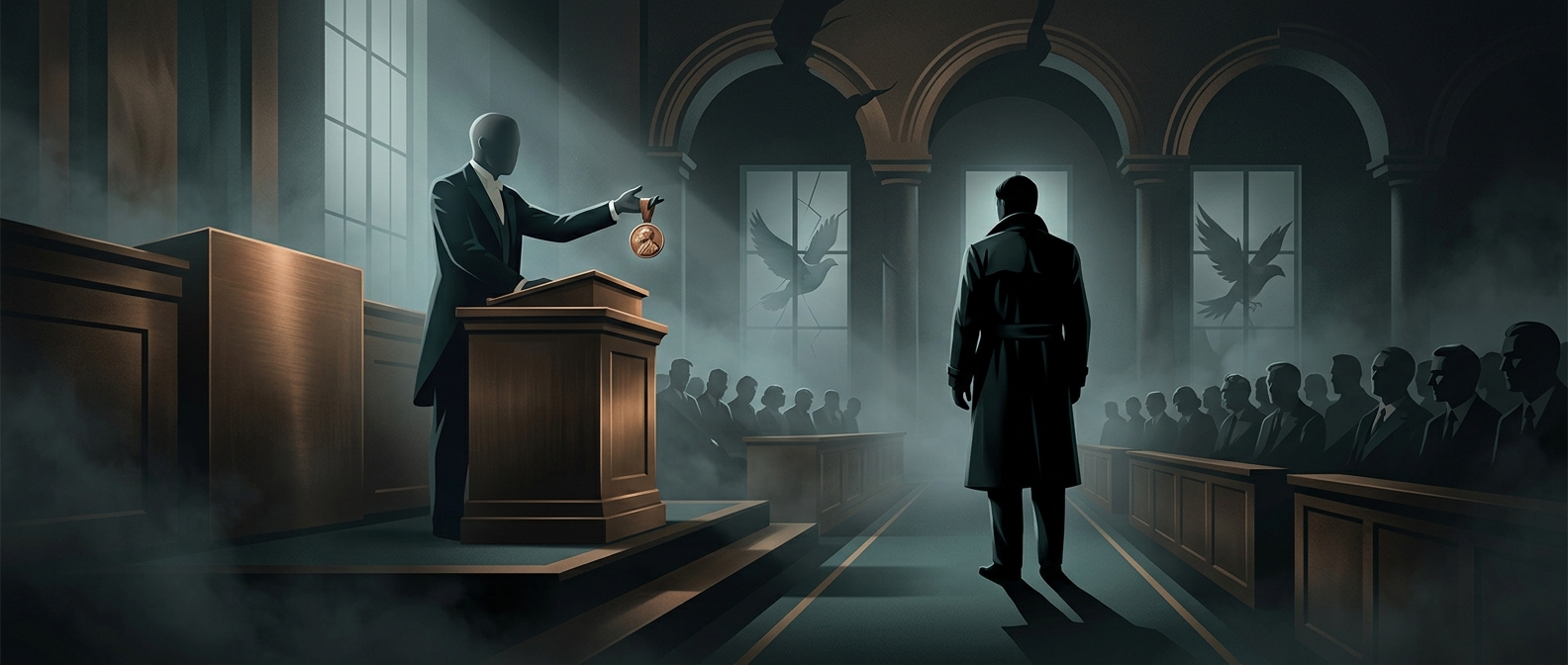
In January 1939, Swedish parliamentarian Erik Brandt put Adolf Hitler’s name forward for the Nobel Peace Prize. The nomination was not an endorsement. Brandt intended it as satire—a way to condemn the decision to nominate British Prime Minister Neville Chamberlain by making the prize’s nomination process look absurd.
Chamberlain had become associated with the Munich Agreement of 1938, under which Britain and France accepted Germany’s annexation of the Sudetenland, a region of Czechoslovakia. Supporters portrayed the agreement as a way to preserve peace. Critics saw it as appeasement: conceding to Hitler’s demands in hopes of preventing a wider war. Brandt’s stunt turned that controversy into a deliberately outrageous comparison.
The joke escaped its context
A Nobel nomination is not an award, and being nominated does not mean the Nobel Committee approves of the nominee. But once Brandt’s proposal circulated beyond its satirical setting, the distinction—and his intent—was easy to miss. The headline-grabbing fact that Hitler had been nominated could be repeated without the protest it was meant to express.
Brandt withdrew the nomination after people treated it as sincere. That reversal mattered: the gesture was meant to expose what he regarded as the hollowness of honoring Chamberlain, not to lend Hitler prestige. The episode shows how a political satire can fail when its shocking surface travels farther than the argument underneath it.