A prime minister’s disappearance became a constitutional emergency
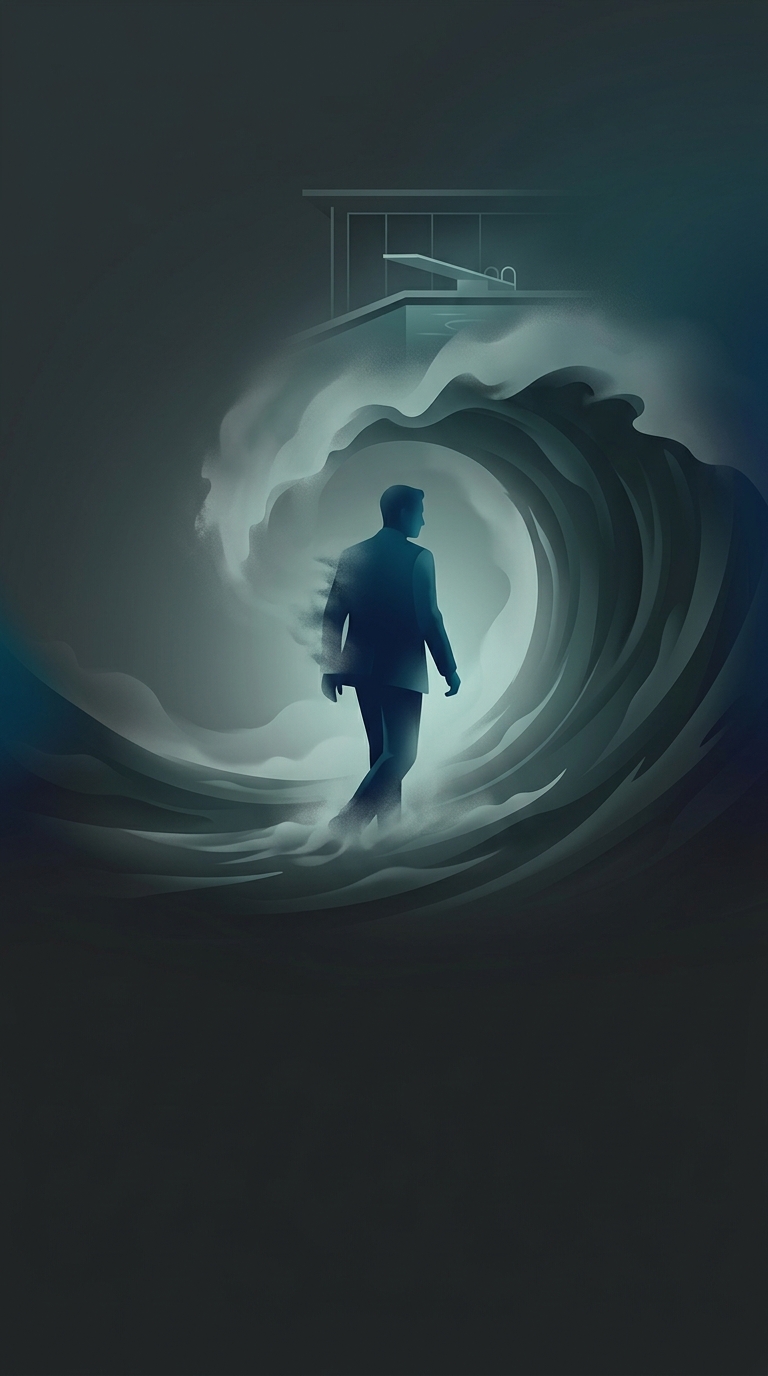
Harold Holt vanished on December 17, 1967, while swimming at Cheviot Beach in Victoria. The sea conditions made an immediate rescue difficult: heavy surf and poor underwater visibility hampered the search, and repeated efforts found no body. Authorities concluded that he had drowned, but without physical evidence, the precise sequence of events could never be established.
The absence of a body left a painful uncertainty for the public, but the government could not wait for certainty to resume its work. Holt’s disappearance abruptly created a practical question: who would lead Australia? Deputy Prime Minister John McEwen took over as caretaker while the governing Liberal Party chose a new leader. John Gorton became prime minister in January 1968.
Why the search could not settle the story
In rough water, a person can be carried away from the place where they entered the sea, while breaking waves make it difficult for rescuers to see beneath the surface. Those conditions complicated the search at Cheviot Beach and helped ensure that the central question—exactly what happened to Holt—would remain unanswered. The official conclusion of drowning addressed the government’s need to proceed, not the public’s desire for a definitive account.
That distinction is part of why the episode endured. Holt was not merely a missing swimmer; he was a serving national leader whose disappearance left no remains to recover and no final scene to confirm. In Melbourne, a public swimming complex later named in his honor offered a strikingly different setting for his memorial: a place built around controlled water, carrying the name of a man lost to the sea.