The séance made darkness part of the trick
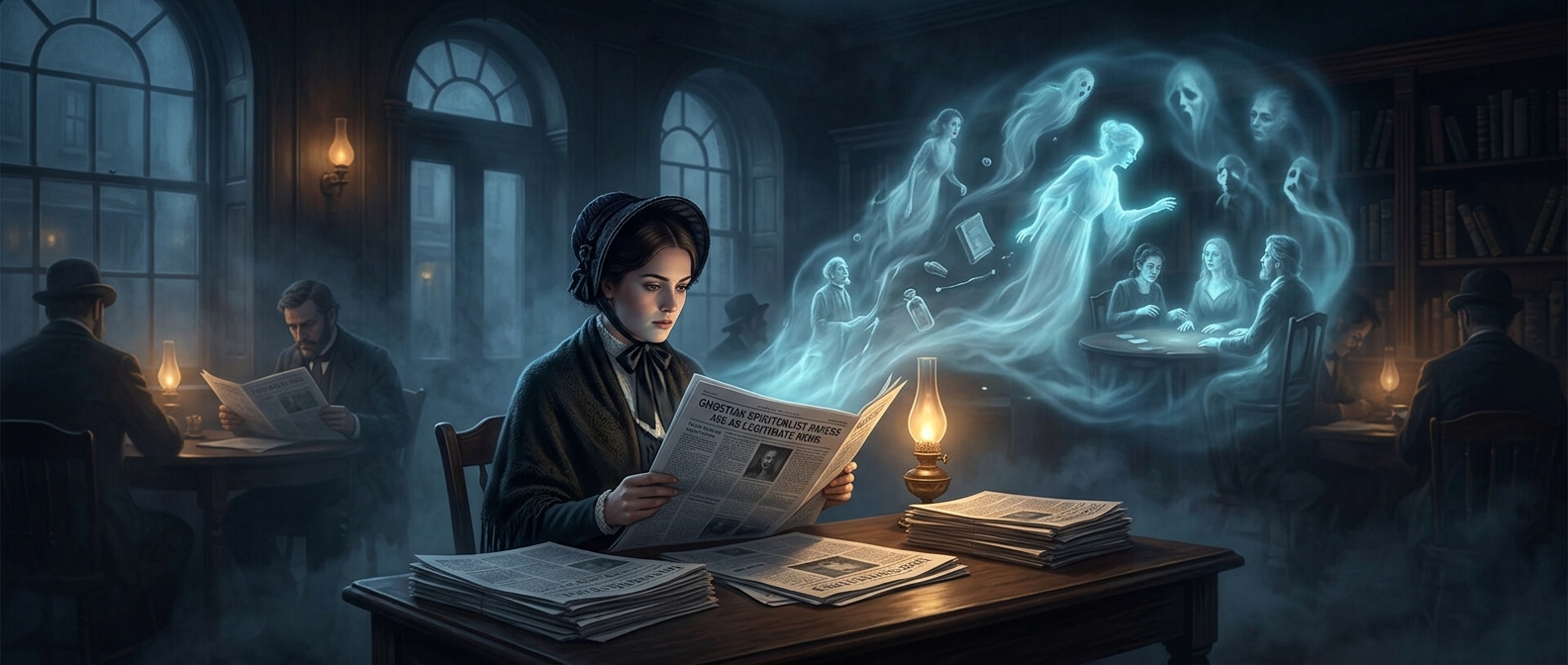
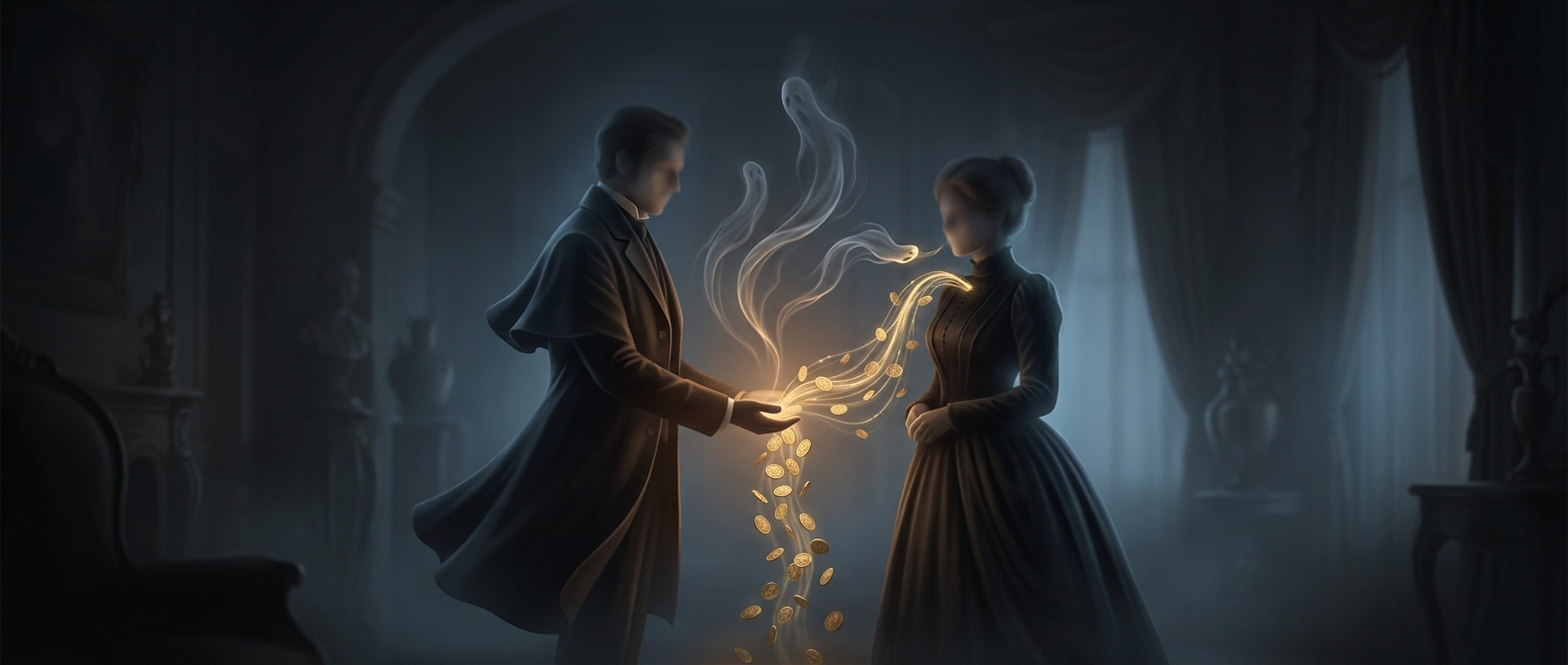
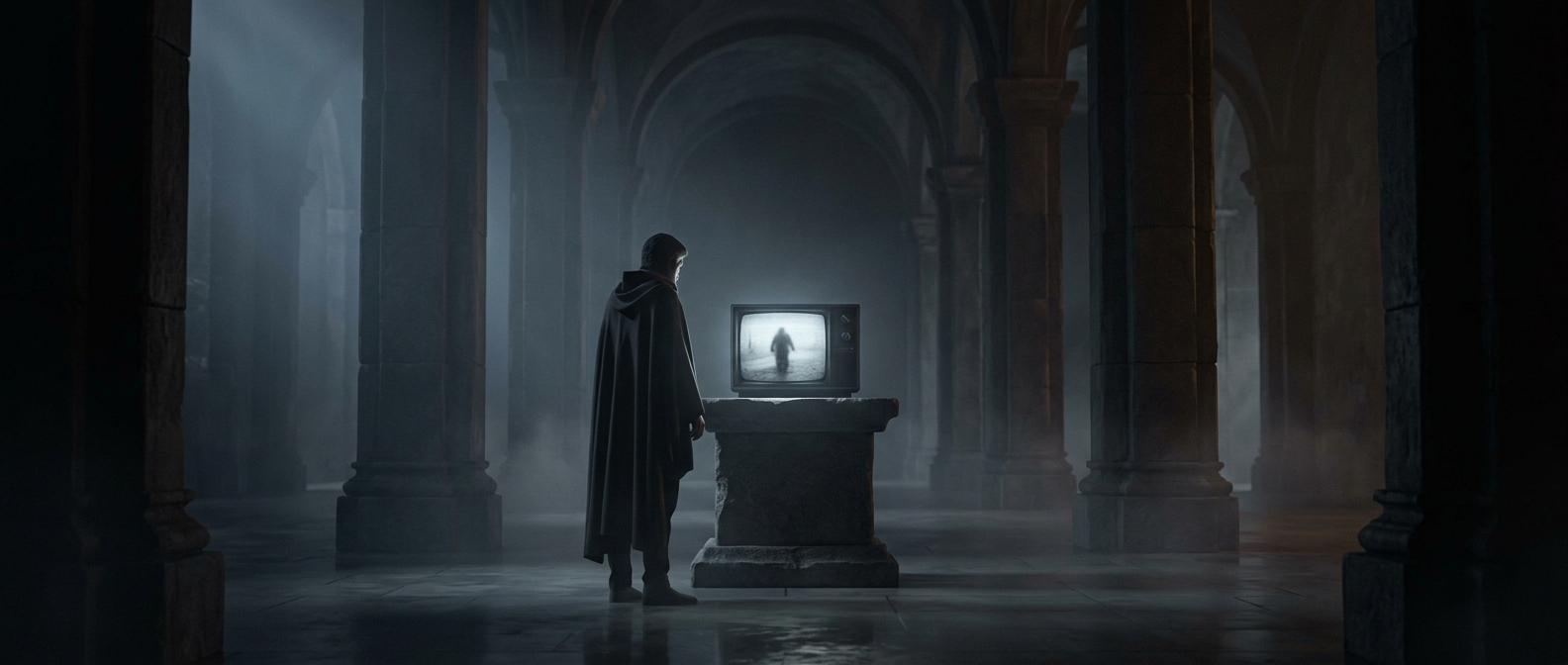
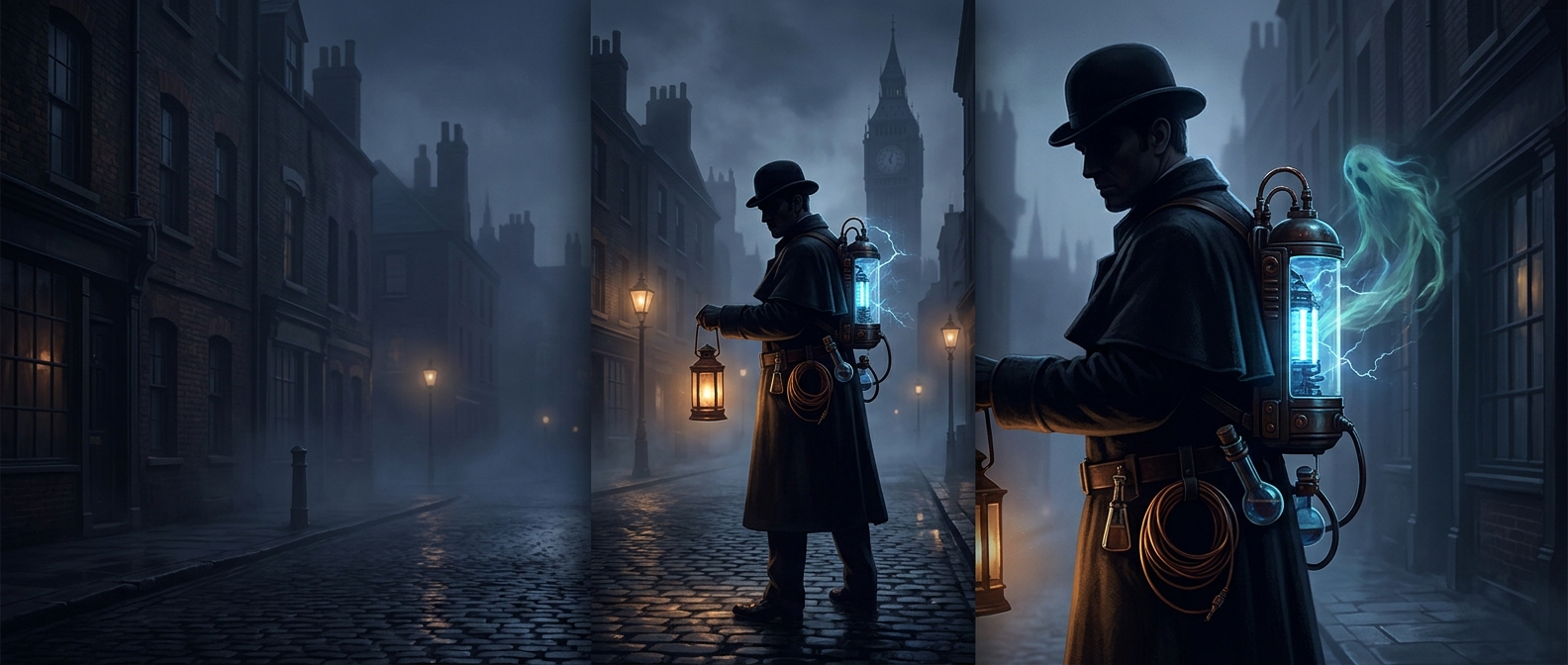
In Victorian séances, dim rooms helped create an atmosphere in which a “spirit” might seem to appear. They also made it harder for people in the room to see exactly what was happening. A figure that suddenly seemed to glow could look otherworldly when its source was hidden in the dark.
The effect in this sting depended on a simple physical disguise: the supposed apparition was a medium covered in glow-in-the-dark paint. Such paint absorbs light and then gives some of it back as a visible glow. In a dark room, the person wearing it could appear less like a human performer and more like a luminous shape.
The officers waited for the reveal
Rather than investigate from outside, the police posed as customers and entered the séance. That let them observe the performance from inside the setting where it was meant to persuade people. When the glowing figure appeared, they tackled it and found the medium beneath the effect; he was arrested.
The timing mattered. A glowing figure could be dismissed as a trick or misunderstood if no one could reach it before it vanished or the room changed. Confronting the performer in the moment turned a mysterious appearance into something officers could physically inspect.
The sting’s memorable reversal was also its practical point: the “spirit” was not just exposed as a person, but caught while still wearing the device that made the deception work.