What a Blurry Frame Can—and Cannot—Show
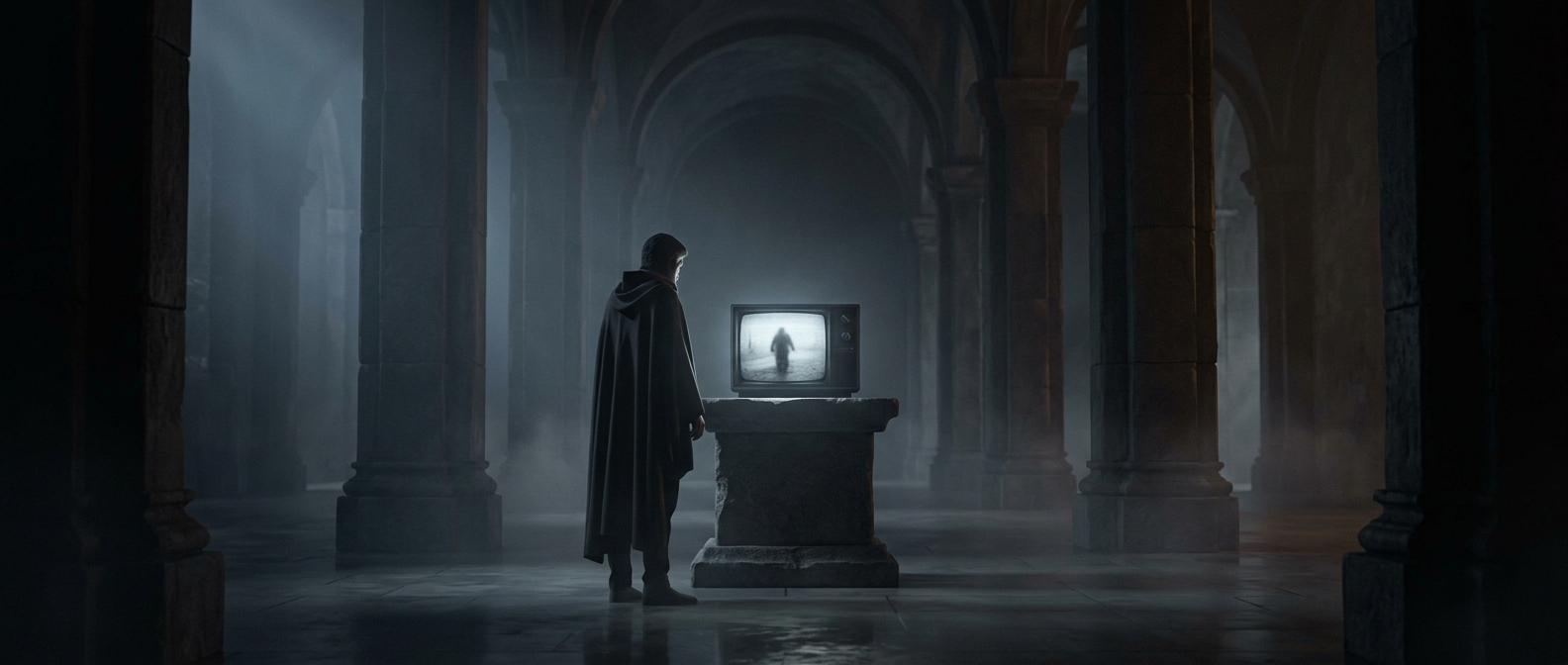
A camera records light, not a person’s identity. When a figure crosses a dim or distant scene, the image may preserve broad patterns—such as a light-dark clothing contrast, a carried object, or which side of the body appears active—while losing the fine detail needed to distinguish one person from another. Compression and low resolution can turn a few pixels into a persuasive-looking shape without adding reliable information.
That makes footage useful as a source of questions rather than answers. Investigators might ask whether a person’s apparent clothing matches an item described elsewhere, or whether a movement is consistent with using one hand. But camera angle, shadows, motion, and the way the image is played back can all change what a viewer thinks they see. A plausible interpretation is not the same as a dependable identification.
Why Old Footage Can Still Move a Case
In a cold case, a lead can matter even when it cannot prove anything by itself. Video may suggest a time window, a route, or a detail that investigators can compare with witness accounts, records, or physical evidence. The key is to test the interpretation against information independent of the image, rather than letting an ambiguous frame dictate the story.
That caution becomes especially important when footage resurfaces years later. A new viewer may notice a detail others missed, but repeated viewing can also make an uncertain pattern feel more certain. The image’s real value is often narrower: it can direct attention toward a question that other evidence may be able to answer.