The clue that gave the Somerton Man his name
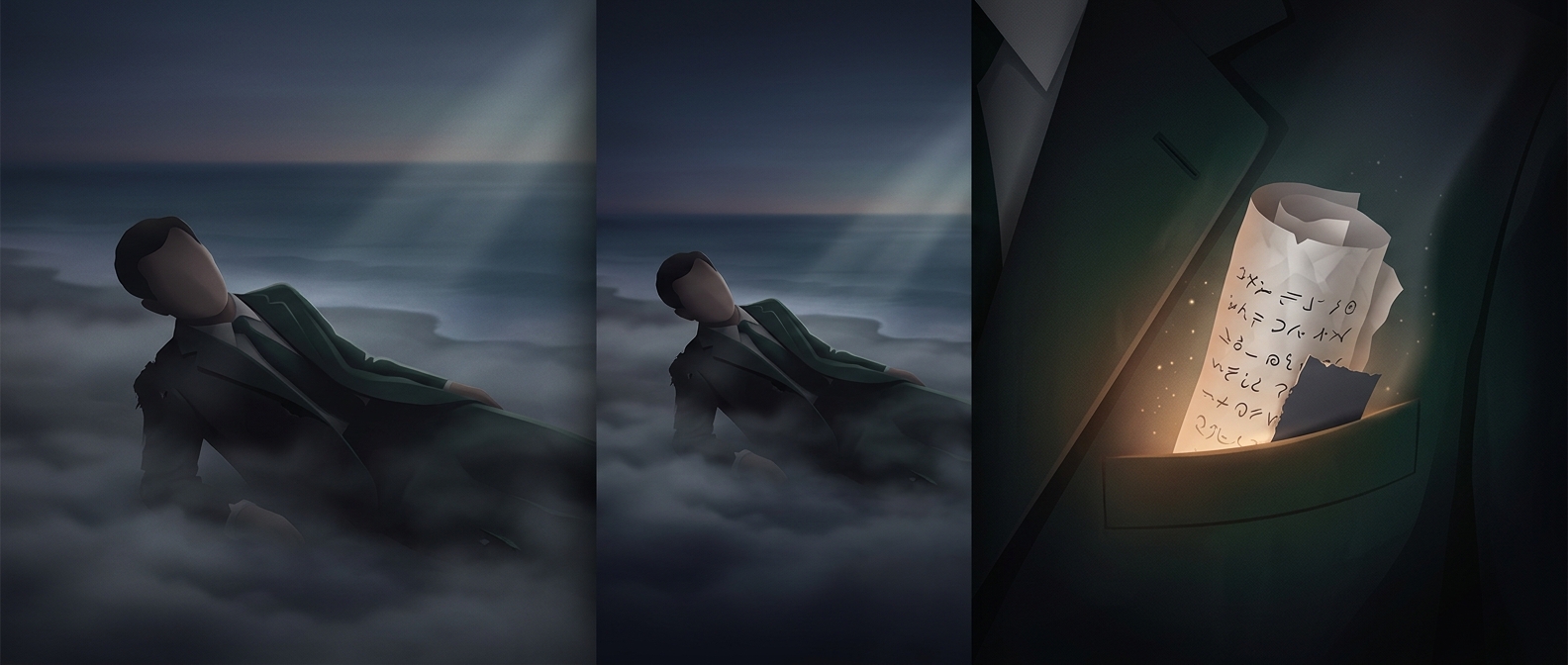
In December 1948, an unidentified man was found dead on Somerton Beach near Adelaide, Australia. His clothes were unusually neat, but their labels had been removed, and he carried no identification. The scrap in his pocket bore two words: “Tamám Shud,” Persian for “ended” or “finished.”
Those words were traced to the final page of a copy of The Rubáiyát of Omar Khayyám, a collection of poems. A matching book turned up nearby, and its last page had been torn out. On the back of the scrap were several lines of letters that appeared to form a code.
Why the code mattered—and why it did not solve the case
The scrap gave investigators a trail to follow, but not a clear message. The letters were brief and repetitive, leaving too little material to establish confidently whether they were encrypted writing, a personal note, or something else. Attempts to interpret them did not produce a verified explanation.
The code also could not answer the most urgent questions: who the man was, how he died, or why the scrap had been hidden in his pocket. The unusual details invited theories of espionage, but an intriguing pattern is not proof of a spy’s identity or mission. For decades, the man became known as the Somerton Man—a name drawn from the beach where he was found.
A name, but not a complete explanation
In 2022, South Australian police said genetic genealogy had identified the man as Carl Webb. That development supplied a name, but it did not automatically decode the scrap or explain the circumstances of his death. The case’s most memorable clue remains just that: a clue whose meaning is still unresolved.
That is the puzzle’s lasting twist. The paper helped make an unknown man famous, yet even after his identity was announced, its few lines of letters still could not tell the story people most wanted to know.