History
Discover facts about history. Small discoveries that change the way you see familiar things.
History
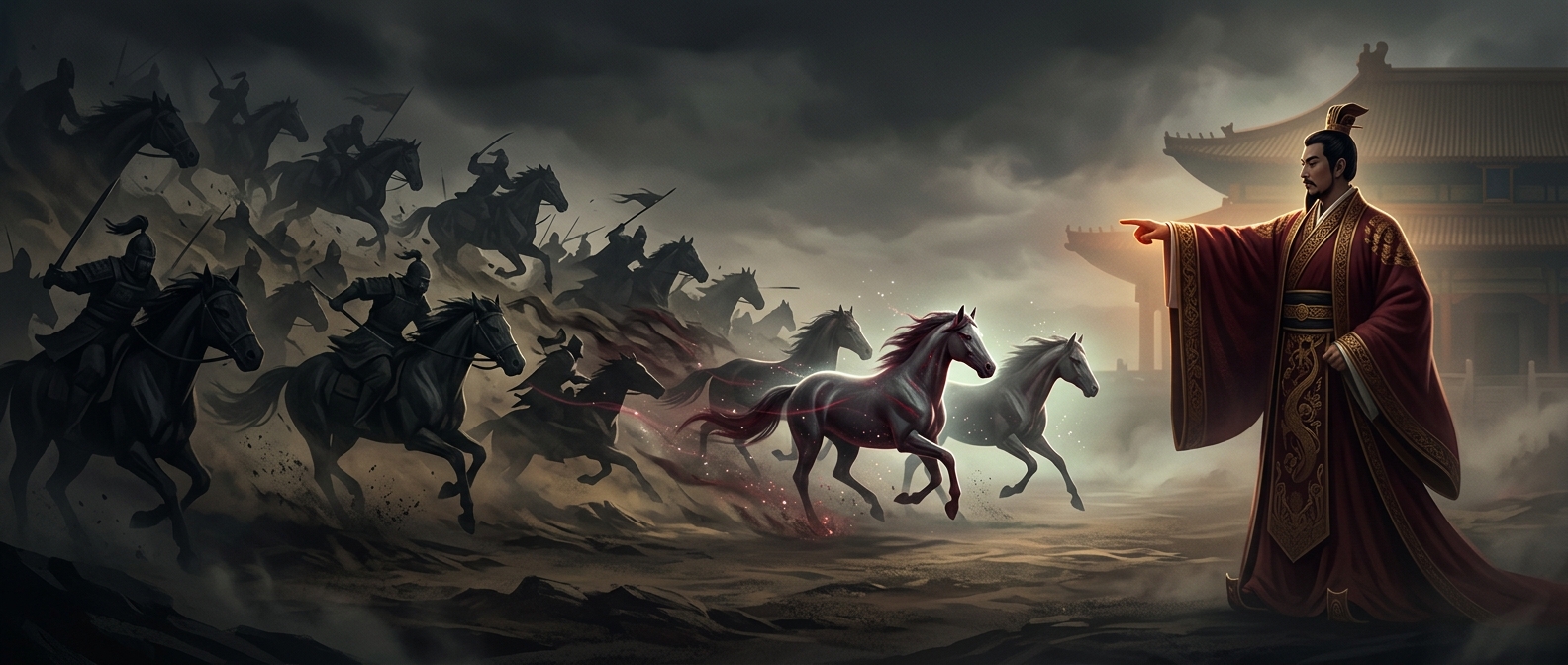
An emperor sent armies shopping for horses
Han emperor Wu wanted the powerful horses of Ferghana to strengthen his cavalry. When diplomacy failed, military expeditions followed, culminating in a siege…
Discover more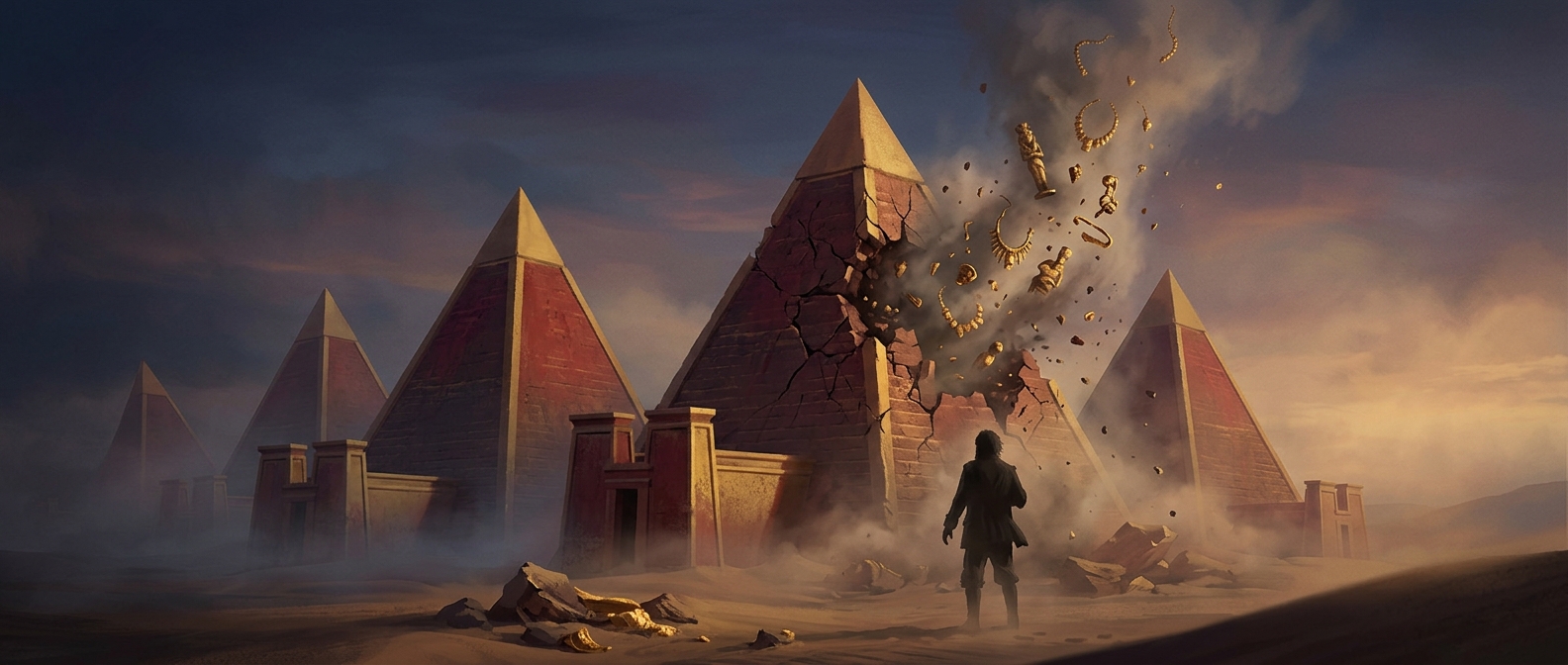
A treasure hunt destroyed part of Meroë's royal heritage
In 1834, Giuseppe Ferlini damaged Nubian pyramids while searching for valuables and found jewelry associated with Queen Amanishakheto. Pieces eventually…
Discover more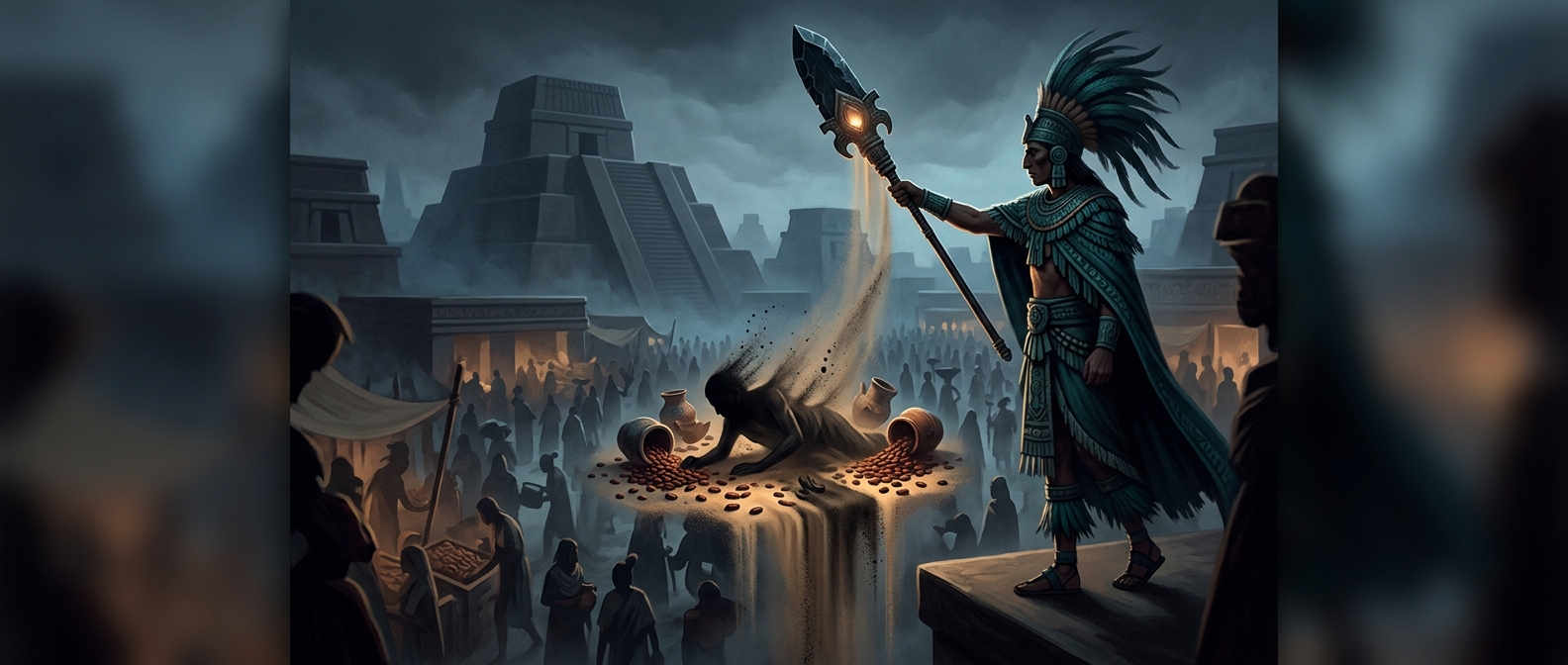
In the Aztec market, cheating customers could be fatal
The Tlatelolco market had a tribunal of elite merchants to regulate trade. Sellers caught using false measures or selling stolen goods could be beaten to…
Discover more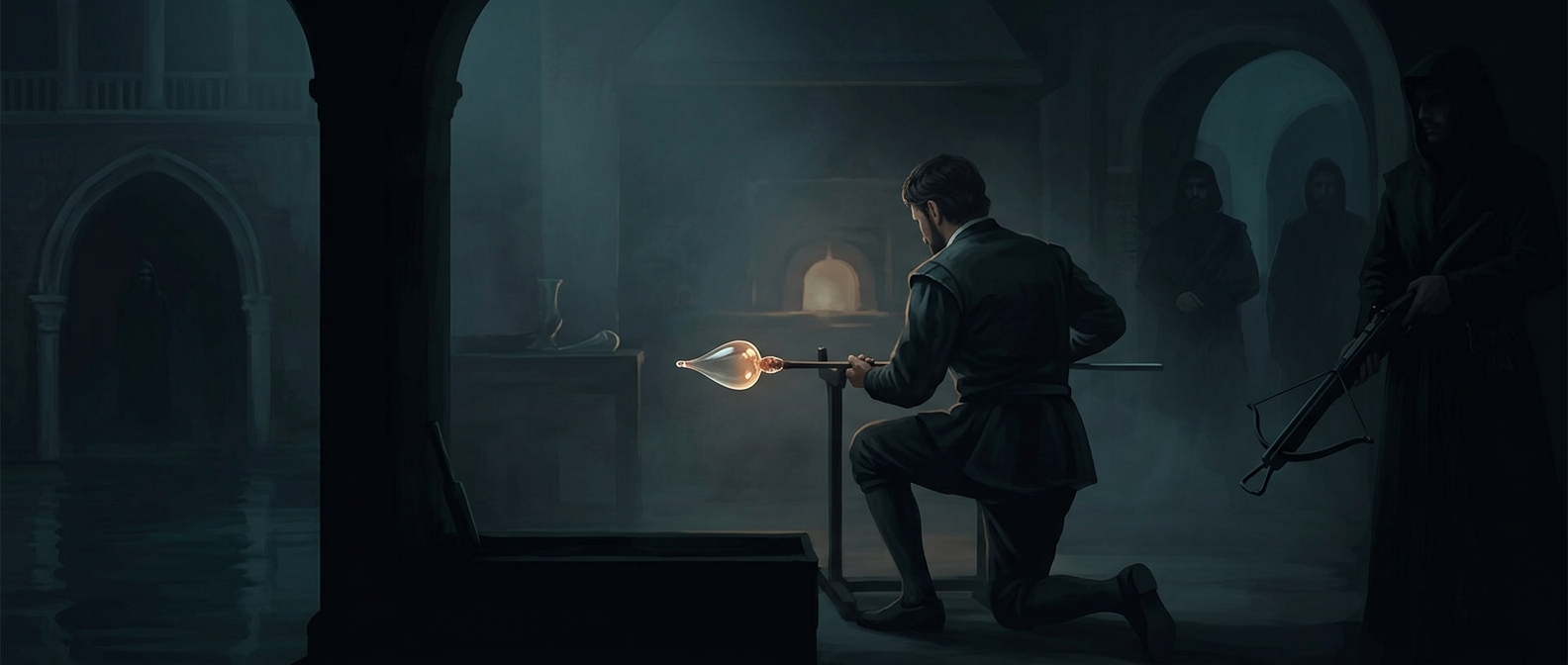
Venice once hunted glassmakers who tried to escape
Venice confined glassmakers to Murano to protect its trade secrets, then treated escape as a threat to the state. The Council of Ten could send bounty hunters…
Discover more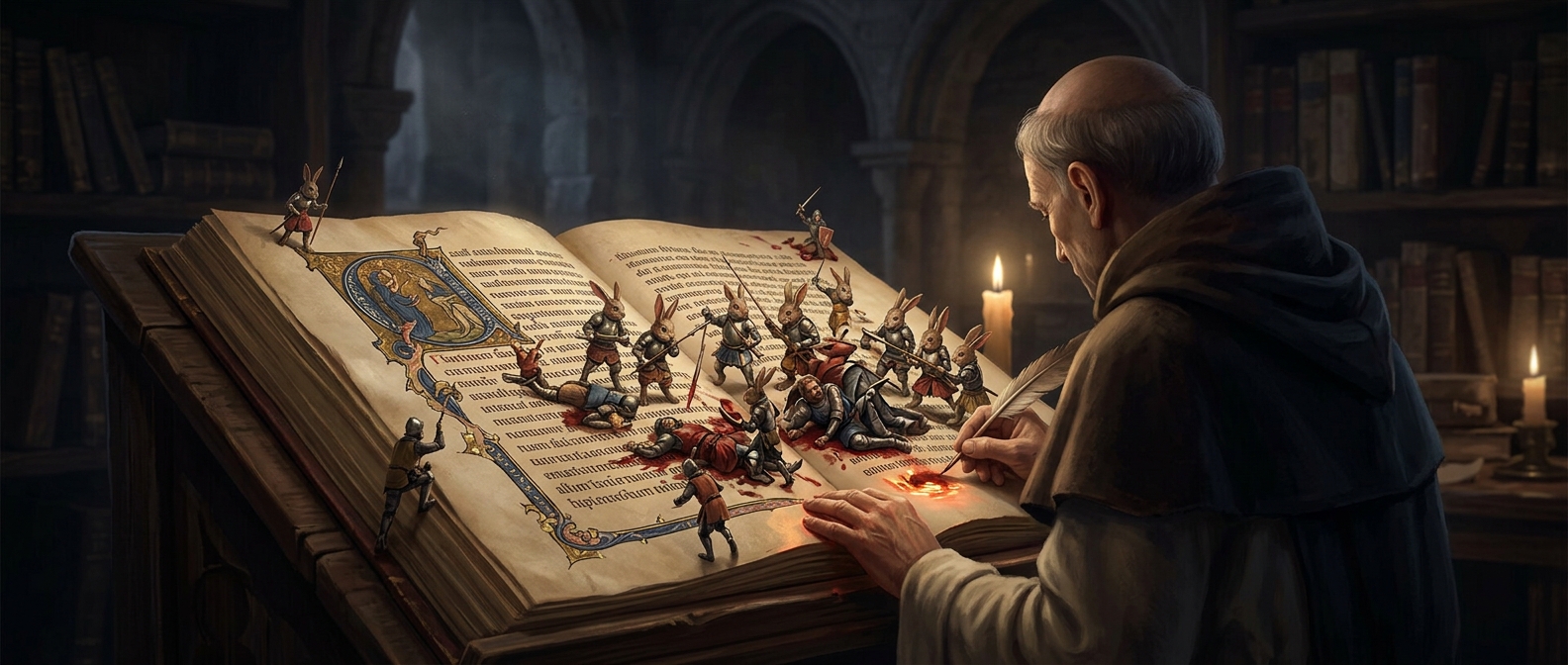
Why medieval monks drew rabbits fighting knights
With blank margins to fill, monks turned the page into a topsy-turvy world: rabbits hunted hounds, skinned hunters, and jousted with knights. The joke was the…
Discover more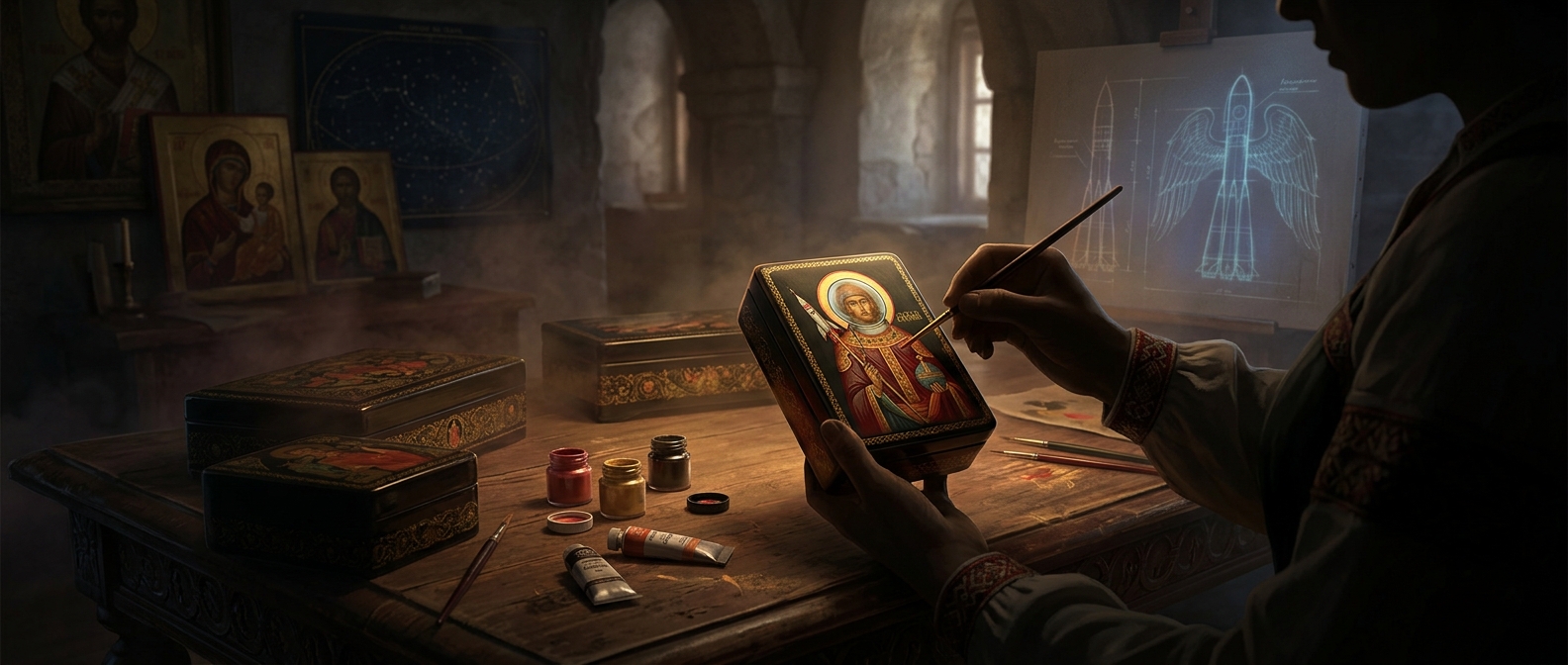
Gagarin can ride through space in a Russian folk painting
A Palekh lacquer box depicts Yuri Gagarin on a fiery red troika, the traditional three-horse team. Its makers use egg-tempera paint and gold on papier-mâché,…
Discover more STACKY FOR IPHONE
A bigger world.
One discovery
at a time.
Keep discovering with Stacky. Interesting facts in an app that is always within reach.

Humayun’s restored reign ended with a fall on the stairs
The Mughal emperor died in 1556 after falling on the steps of his library in Delhi, soon after recovering his throne. Accounts connect the accident with the…
Discover more
Argentina sent a pregnant woman to Antarctica to make a claim
Argentina wanted a birth on the continent to bolster its claim, so Silvia Morella de Palma went to Esperanza Base. Her son Emilio became the first documented…
Discover more
The jars eunuchs kept for the afterlife
Eunuchs sealed their severed body parts in baosheng jars because they feared dying incomplete would mean being reborn as a female mule. Burying the jars with…
Discover more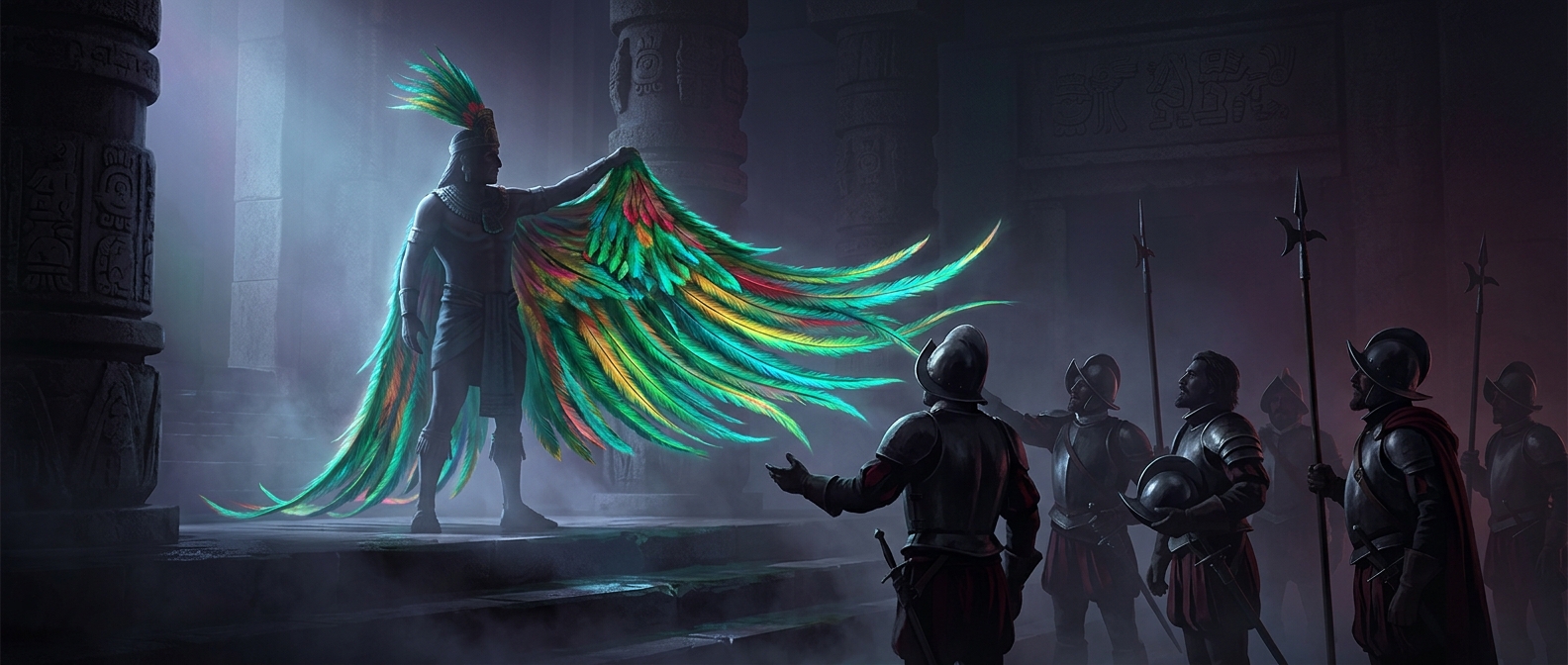
Precious feathers carried power in the Aztec world
Featherworkers used rare, brilliant feathers in objects associated with sacred meaning and elite status. Their value came partly from who could obtain and…
Discover more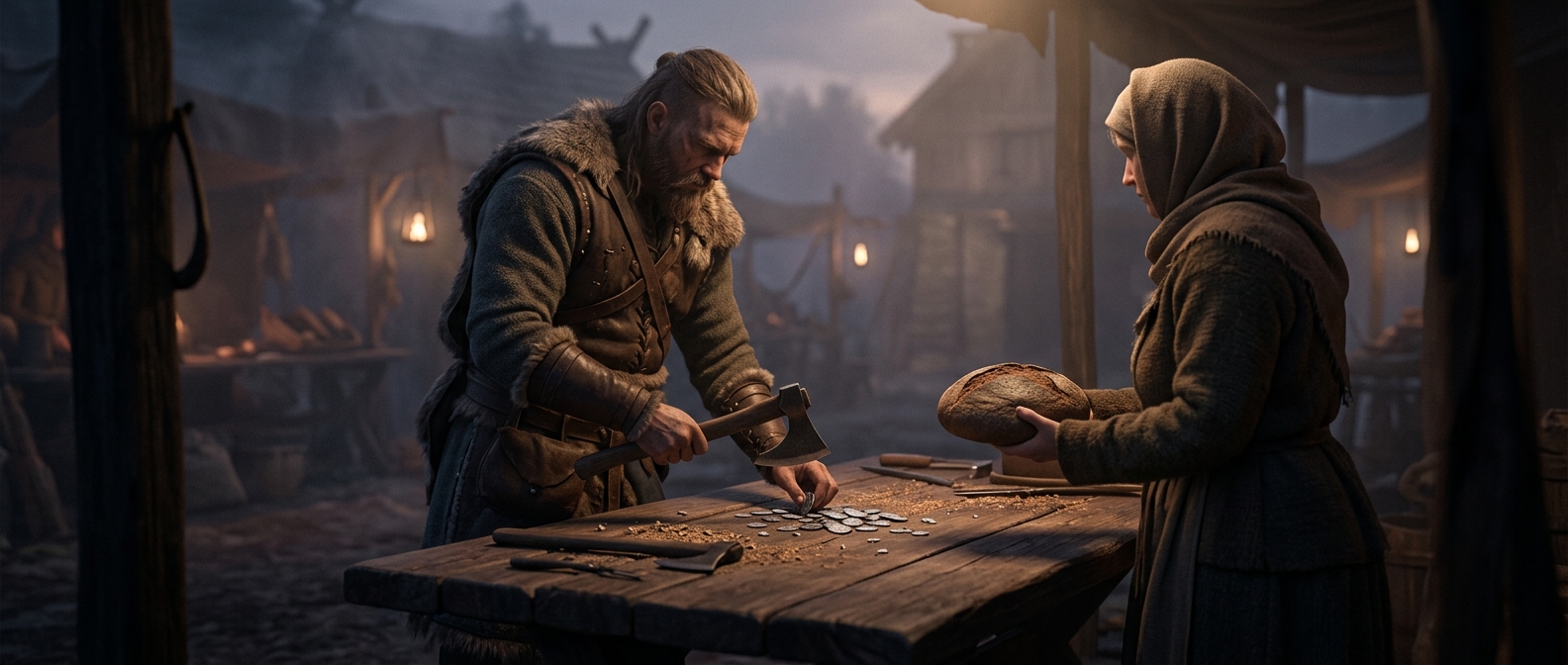
Why Vikings chopped coins into pieces
A coin’s stamped value mattered less than the silver it contained. For a smaller purchase, merchants chopped off a piece and weighed it; the resulting…
Discover more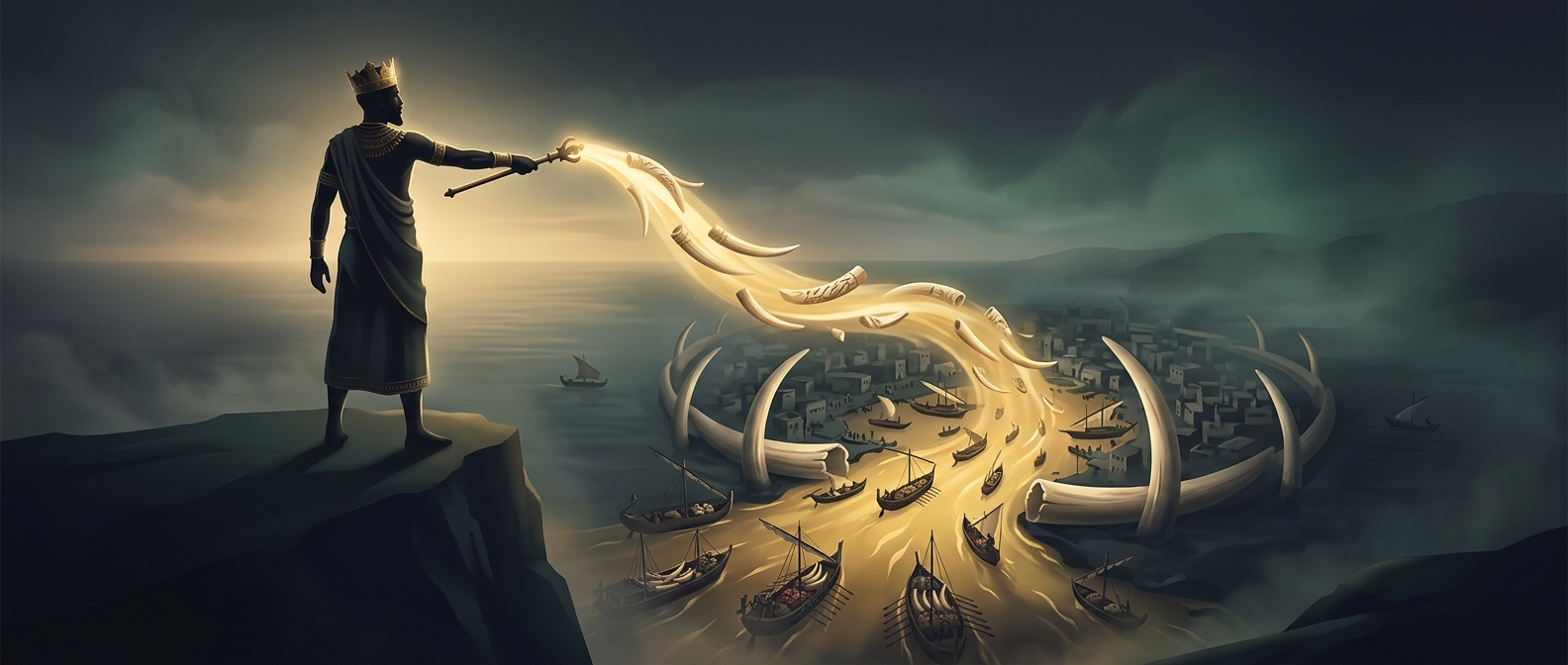
King Ezana transformed the ancient port of Adulis into a massive ivory trading monopoly
Aksum taxed ivory and other valuable goods moving through Adulis on the Red Sea route between Rome and India. That trade helped Ezana’s empire mint gold…
Discover more
In Viking Iceland, killers had to announce their own crime
The law left little room for a private cover-up: the killer had to leave the weapon, cover the body, and report the crime at the first house on the way home.…
Discover more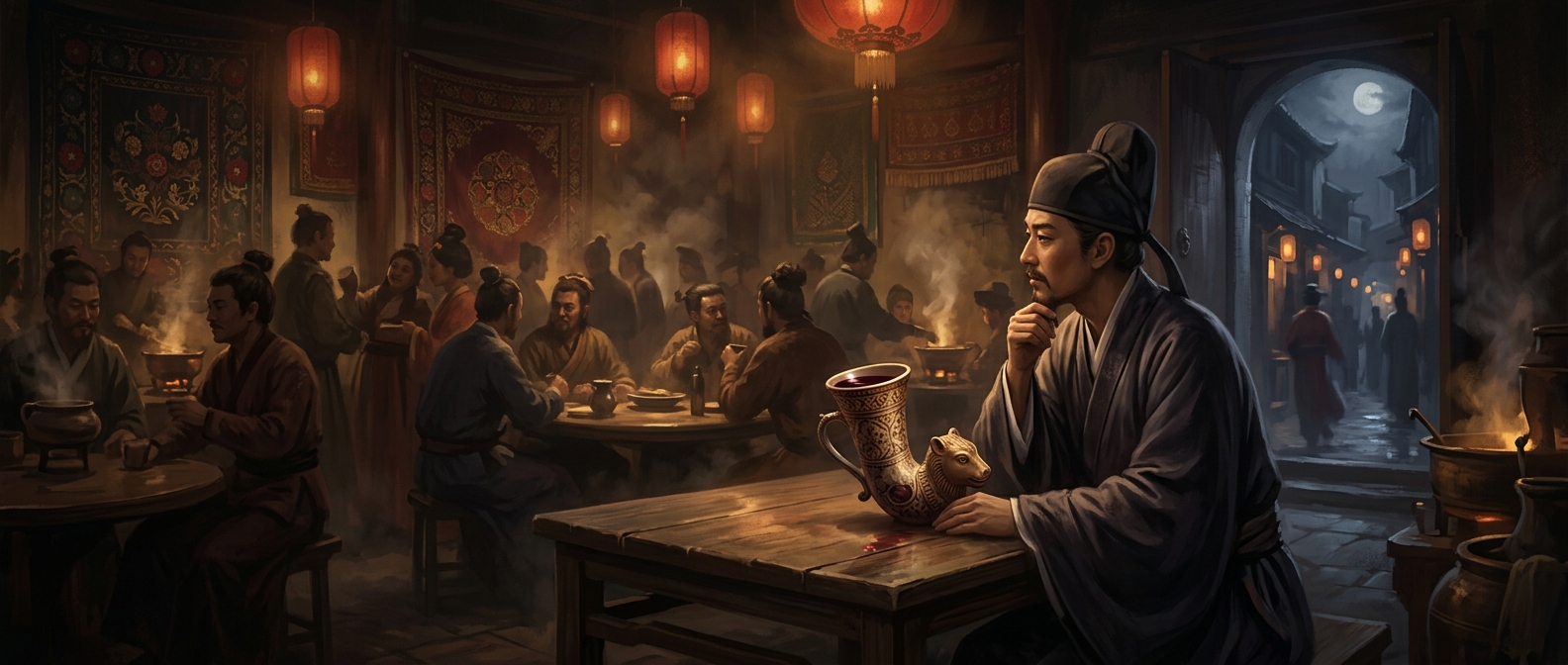
Tang-era Chang'an was a global nightlife hub
Trade brought merchants, performers, and imported goods into the city. At its taverns, poet Li Bai drank Persian grape wine while Sogdian illusionists and…
Discover more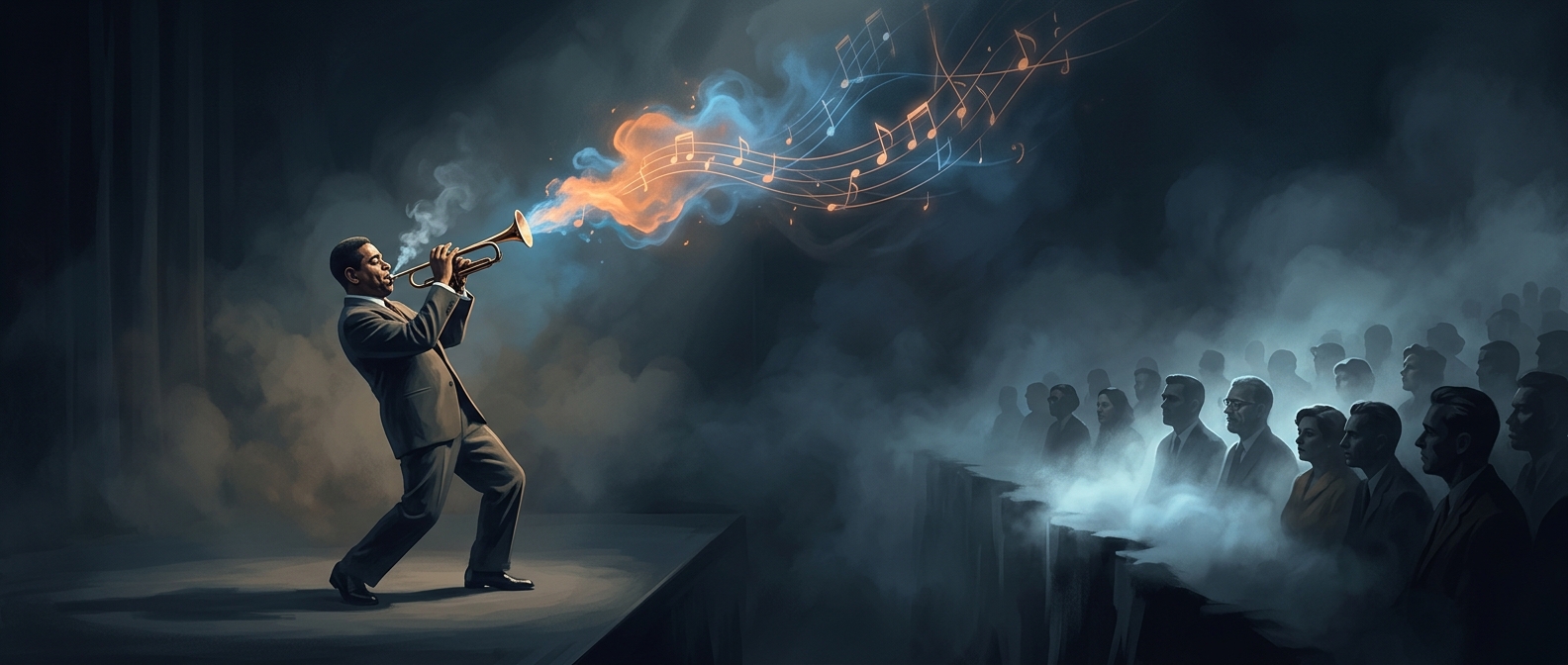
When America sent jazz musicians as Cold War ambassadors
Washington hoped jazz’s improvisational energy would sell American ideals abroad, so it sent Black stars including Dizzy Gillespie and Louis Armstrong on…
Discover more
Venetian spymaster Giovanni Soro decrypted Vatican letters for the Council of Ten using frequency analysis
Soro cracked rival ciphers with frequency analysis, but Venice’s own codes posed a different problem: an accurate translation could expose them. When the pope…
Discover more
A medium's £60,000 gift ended up in court
Jane Lyon adopted Daniel Dunglas Home and transferred a fortune to him, then sued to get it back. The 1868 case examined the influence associated with his…
Discover more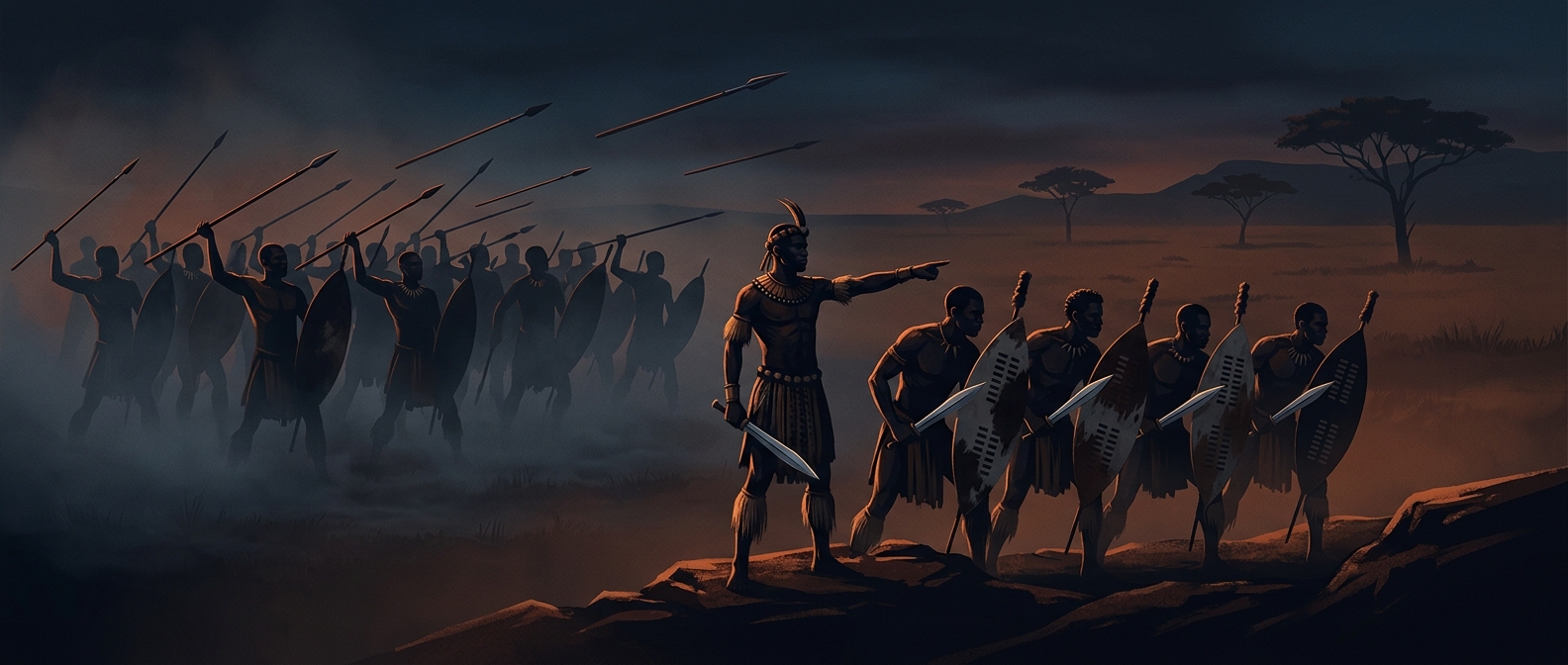
The short spear that transformed Zulu warfare
Shaka replaced long throwing spears with the short iklwa, forcing fighters to close in and stab rather than skirmish from a distance. The weapon’s name is…
Discover more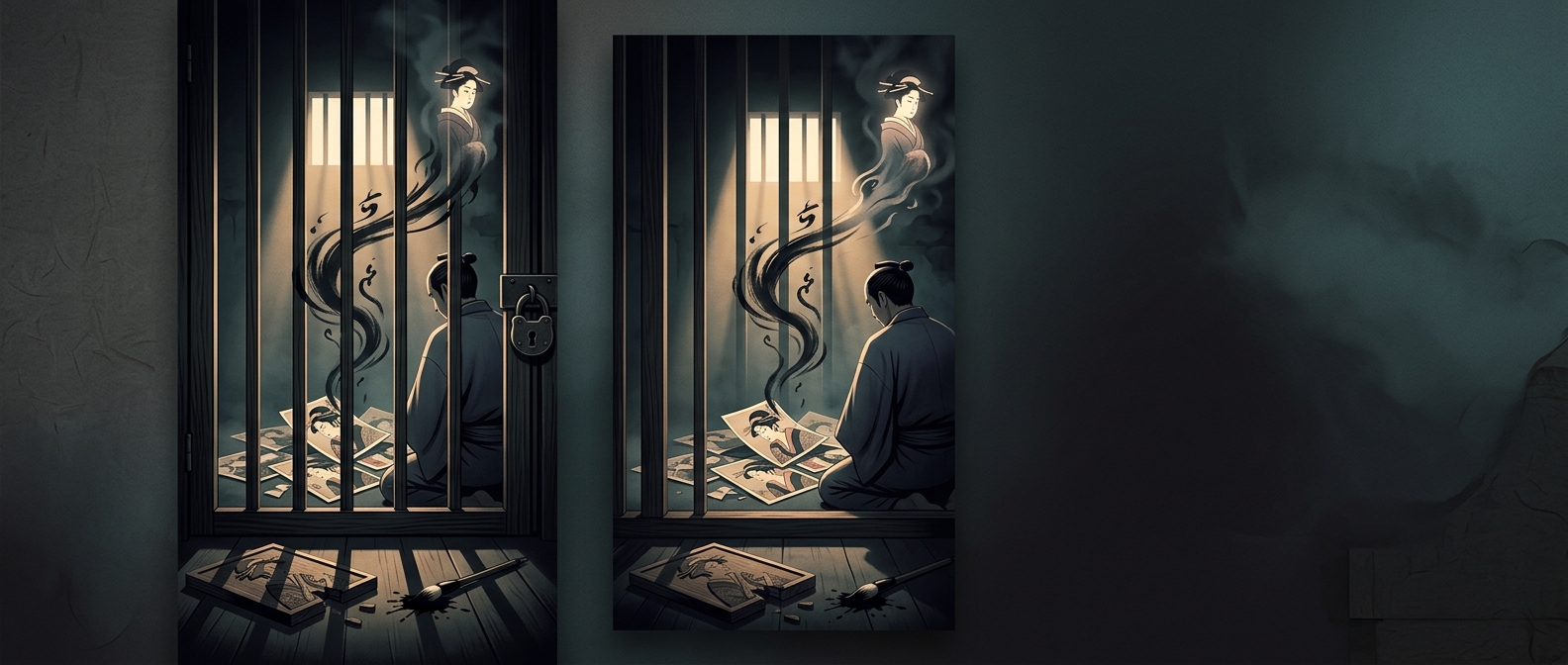
Kansei Reforms jailed Utamaro for illegal woodblock art
The reforms censored depictions of politically sensitive figures; Utamaro’s portrayal of a banned warlord brought him 50 days in shackles. The image could be…
Discover more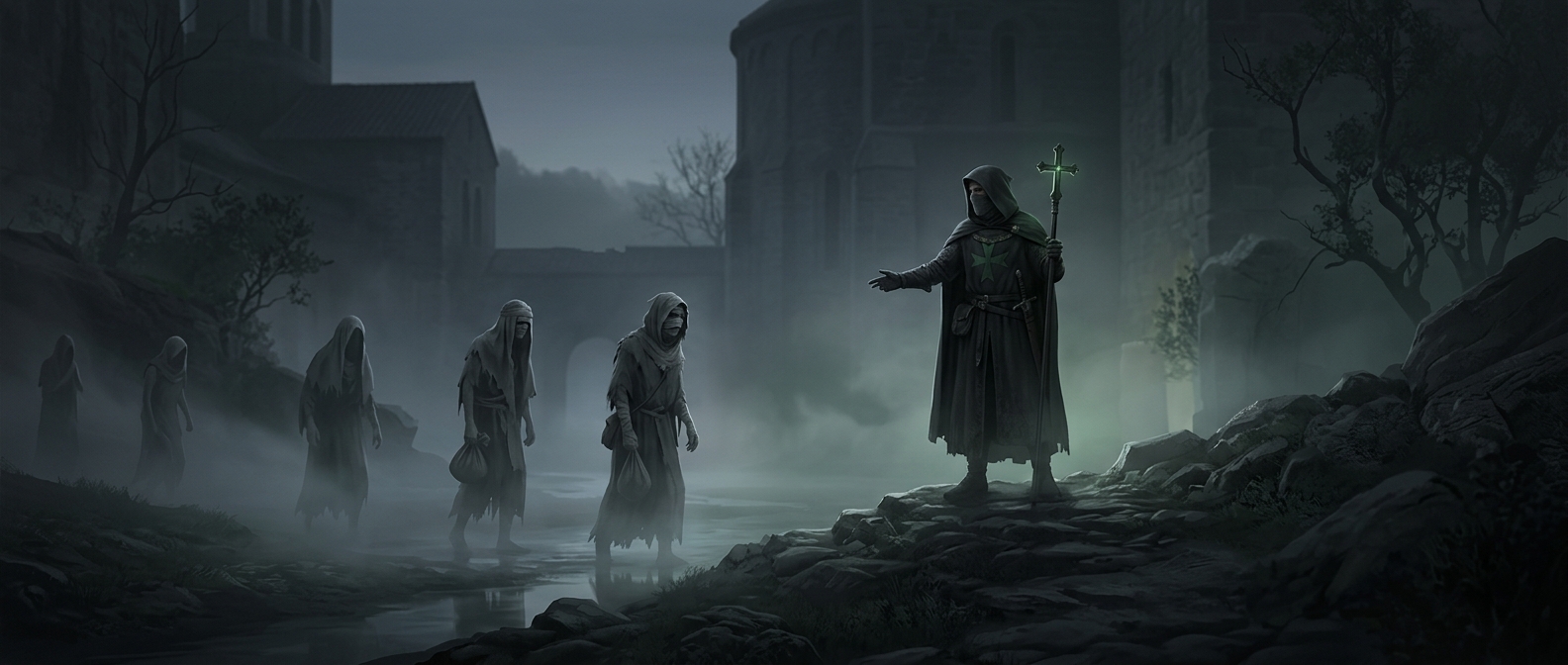
Some medieval patients had to attend their own funerals
That ritual treated people as dead in law while they were still alive. Inside the lazarets, patients built bakeries, courts, and economies of their own.
Discover more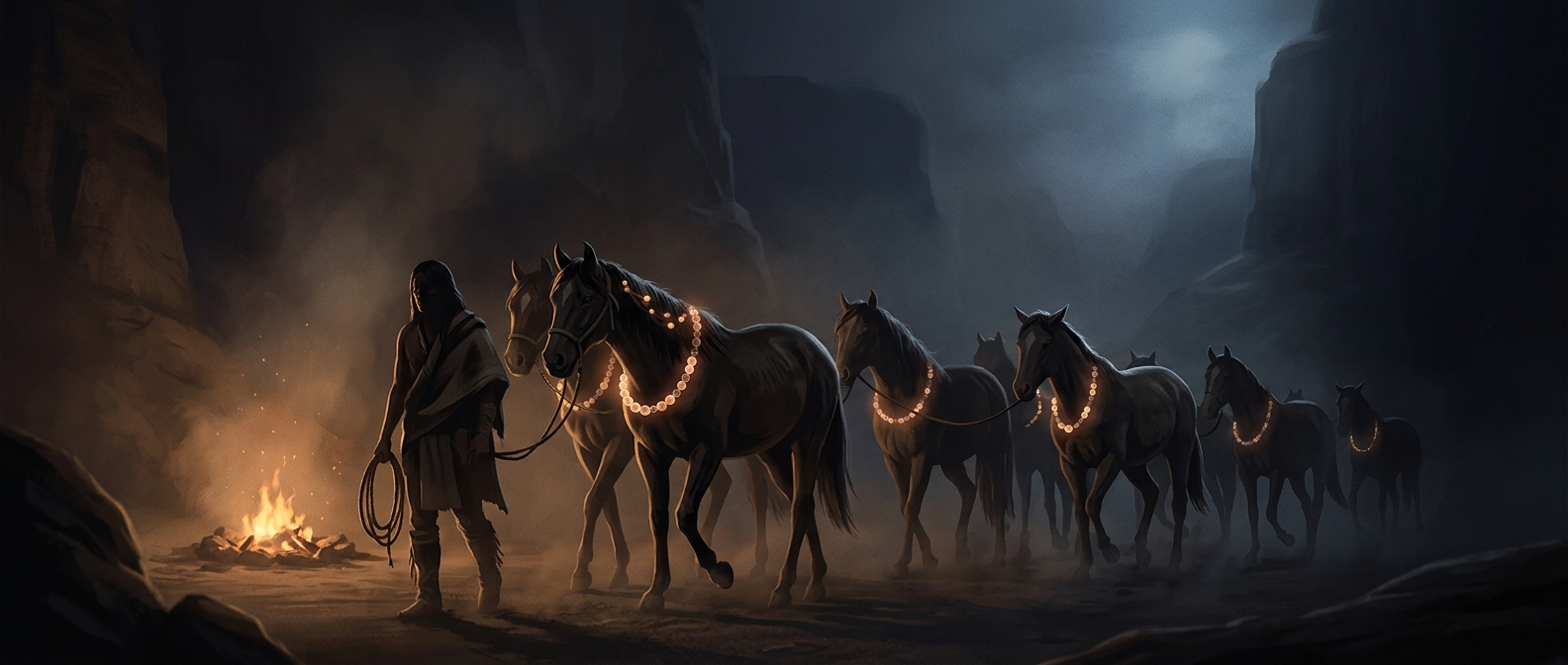
When horses became Apache currency
After horses arrived with the Spanish, raiding livestock in Mexico became a central part of Apache economies. Horses measured wealth and were used in trade,…
Discover more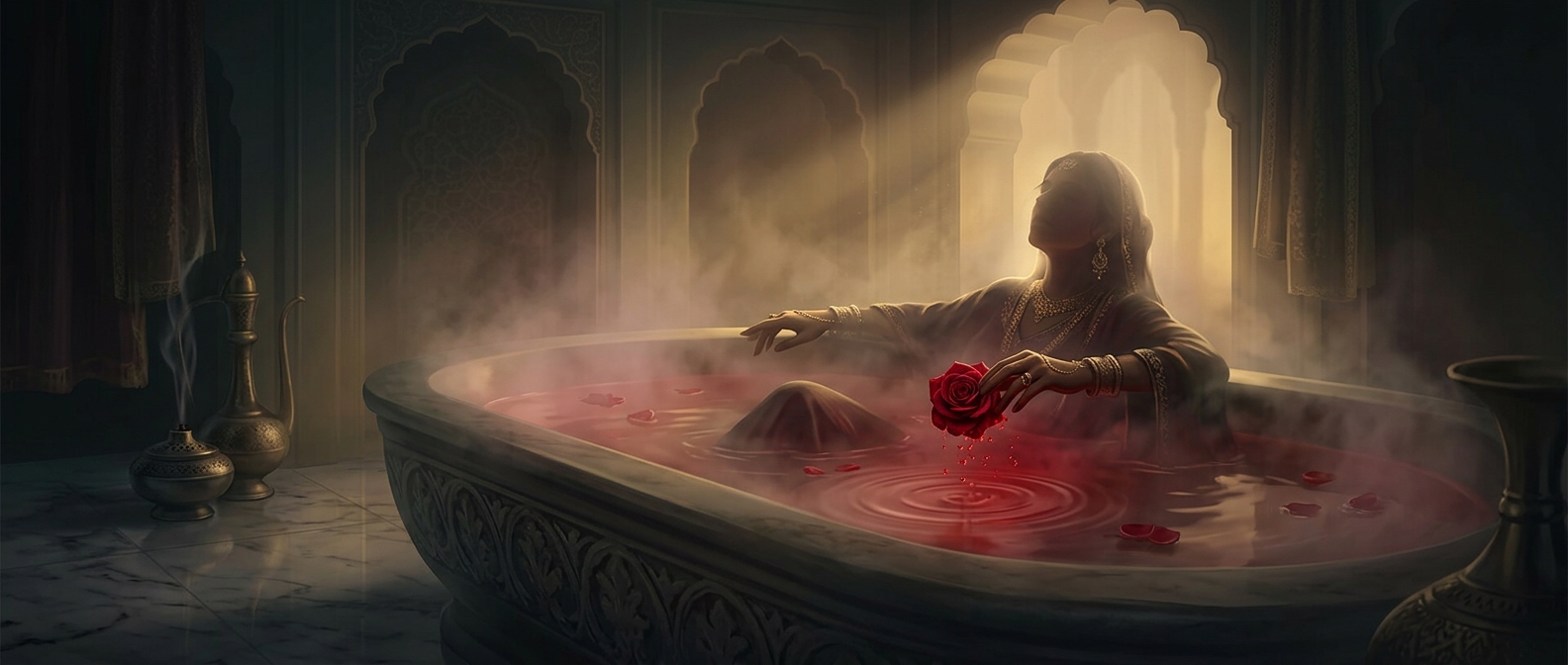
Empress Nur Jahan bathing in rose oil attar
Nur Jahan bathed in costly rose attar and popularized Ruh Gulab, while Mughal court fountains sent rose water through the palace. Perfume became part of the…
Discover more
A medieval ship took nearly forty years to recover and preserve
The Bremen Cog, dated to 1380, was found during dredging in 1962. Its timbers were recovered, reconstructed, and conserved before the ship could stand on…
Discover more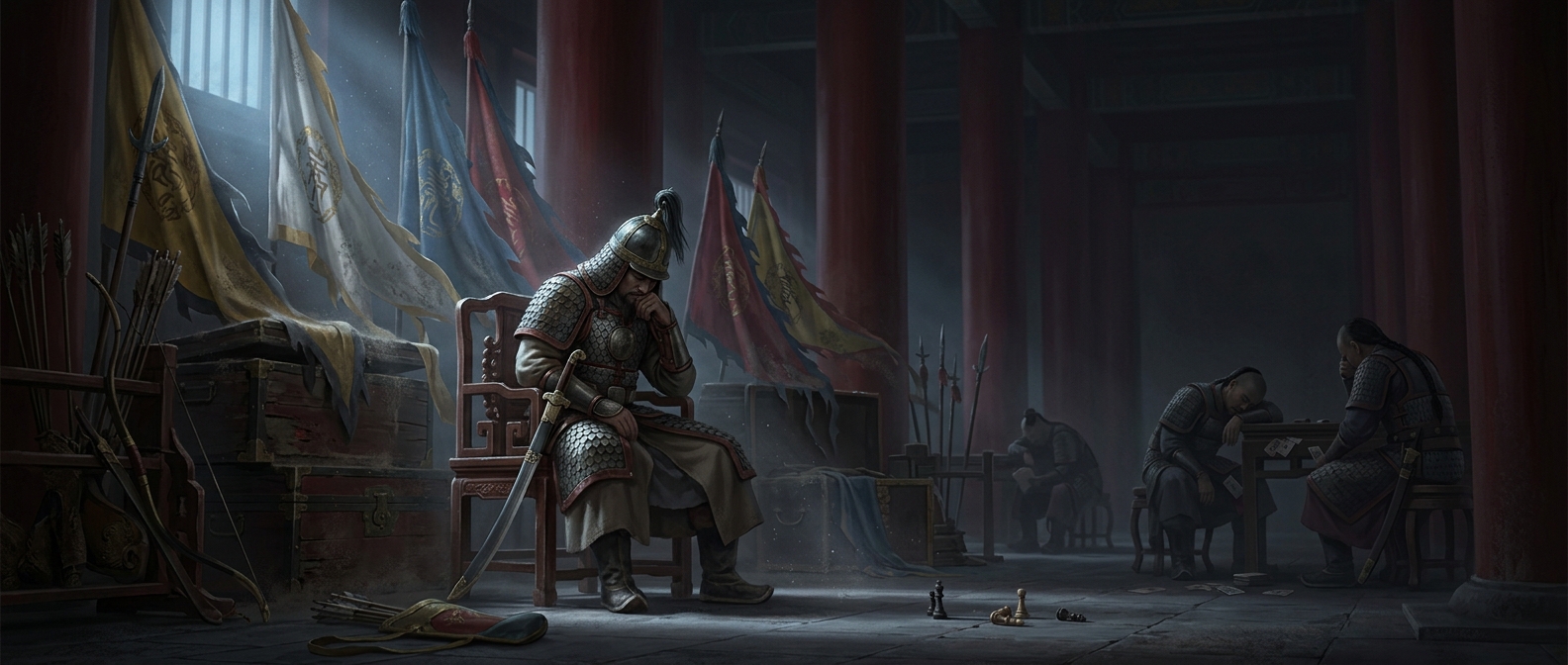
Eight Banners elites rotted in forbidden city garrisons
The Qing state barred Eight Banners families in Beijing from trade and manual labor, leaving them reliant on stipends. Many later fell into gambling, opium…
Discover more