A body part made into a burial object
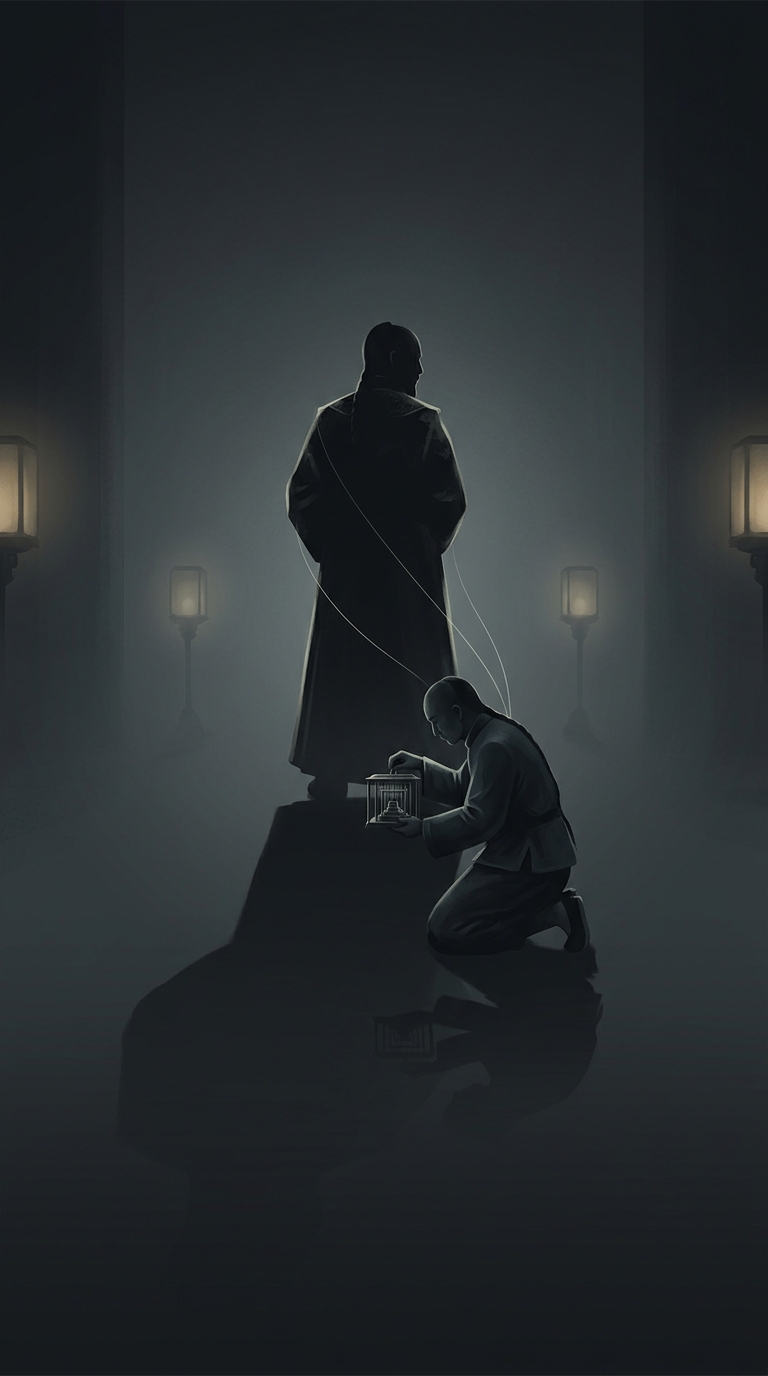
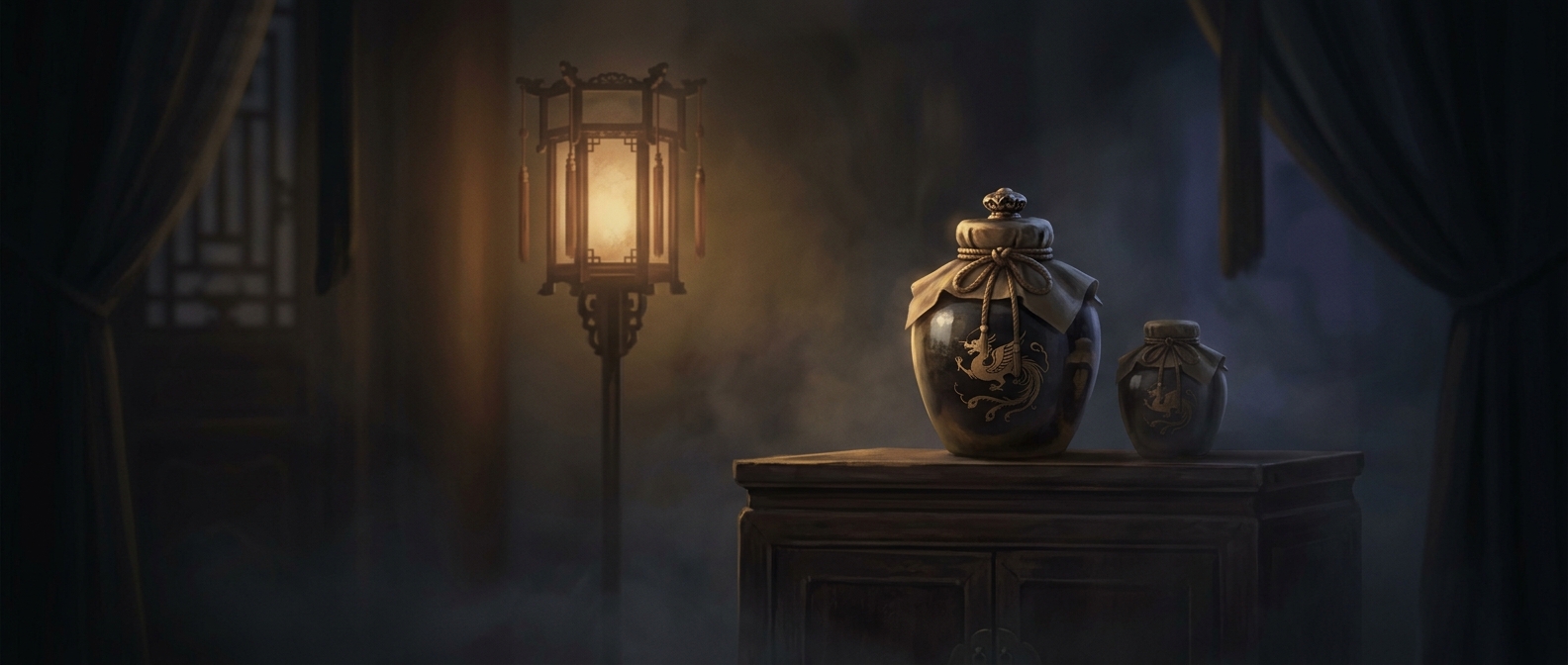
For a eunuch, castration did not necessarily end the story of the severed tissue. Keeping it in a sealed baosheng jar gave the removed part a place in the funeral rites: it could be buried alongside its owner rather than left permanently separate from the body.
That mattered because burial was not only about disposing of remains. It could also express the hope that a person would enter the next life as a complete person. The jar turned something taken away during life into something that could still be accounted for after death.
The fear behind the jar
The belief attached to the practice was stark: a eunuch who died incomplete might be reborn as a female mule. The jar answered that fear in concrete terms. It carried the missing part into the grave, so that the underworld would receive the whole person.
The practice reveals how bodily integrity could reach beyond the living body. Even when castration shaped a eunuch’s life, the severed part remained tied to ideas of identity and fate after death. A small sealed vessel could therefore serve as more than a container: it was a way to make sure the grave held what the body no longer could.