A Funeral Made Visible
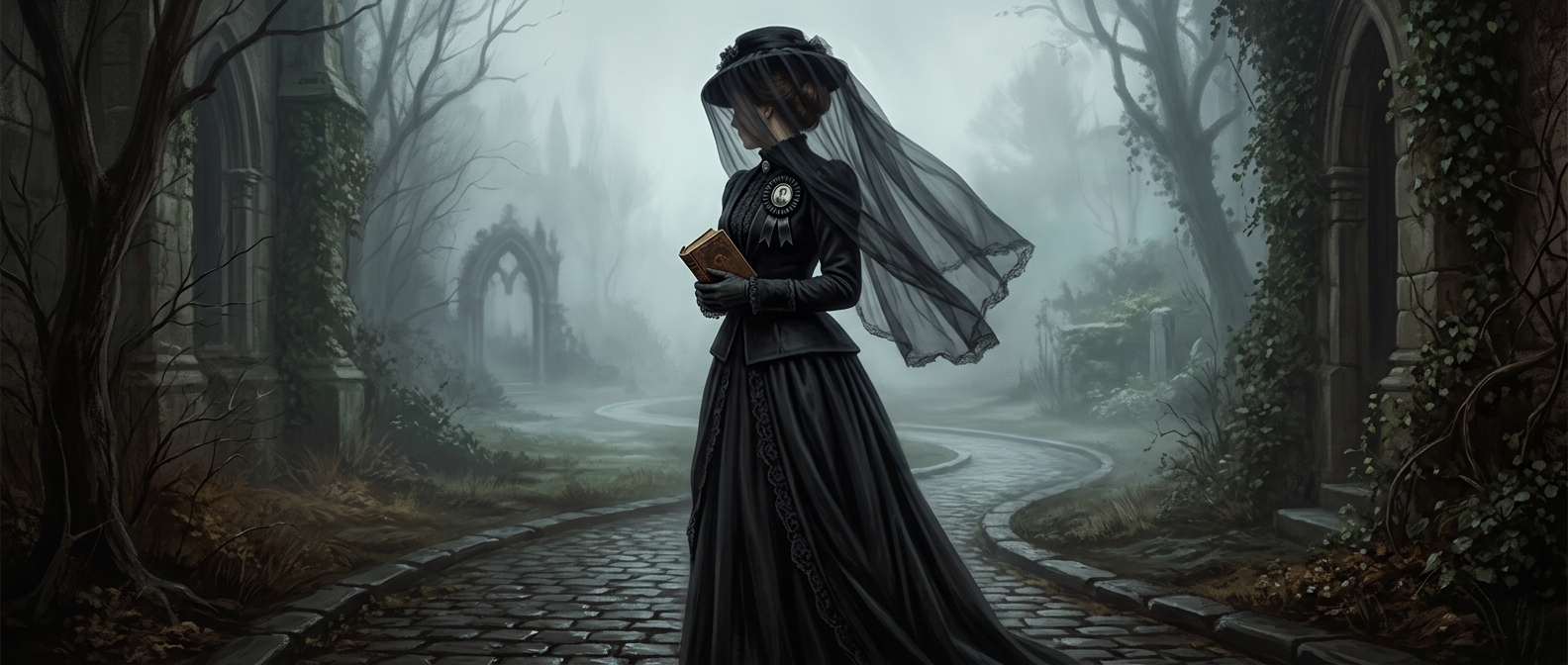
In a close-knit neighborhood, a household’s mourning did not end at its front door. People could see who attended a funeral, how the procession was arranged, and how much ceremony surrounded the dead. Hired mourners made that display larger and more orderly: their dark dress and solemn presence carried the household’s grief into public view.
Their role was not simply to impersonate sorrow. A funeral was a social occasion as well as a private loss, and visible attendants could show that the deceased was being honored—and that the family had the means to honor them. The same public scene could therefore communicate both mourning and status.
Money Could Shape the Message
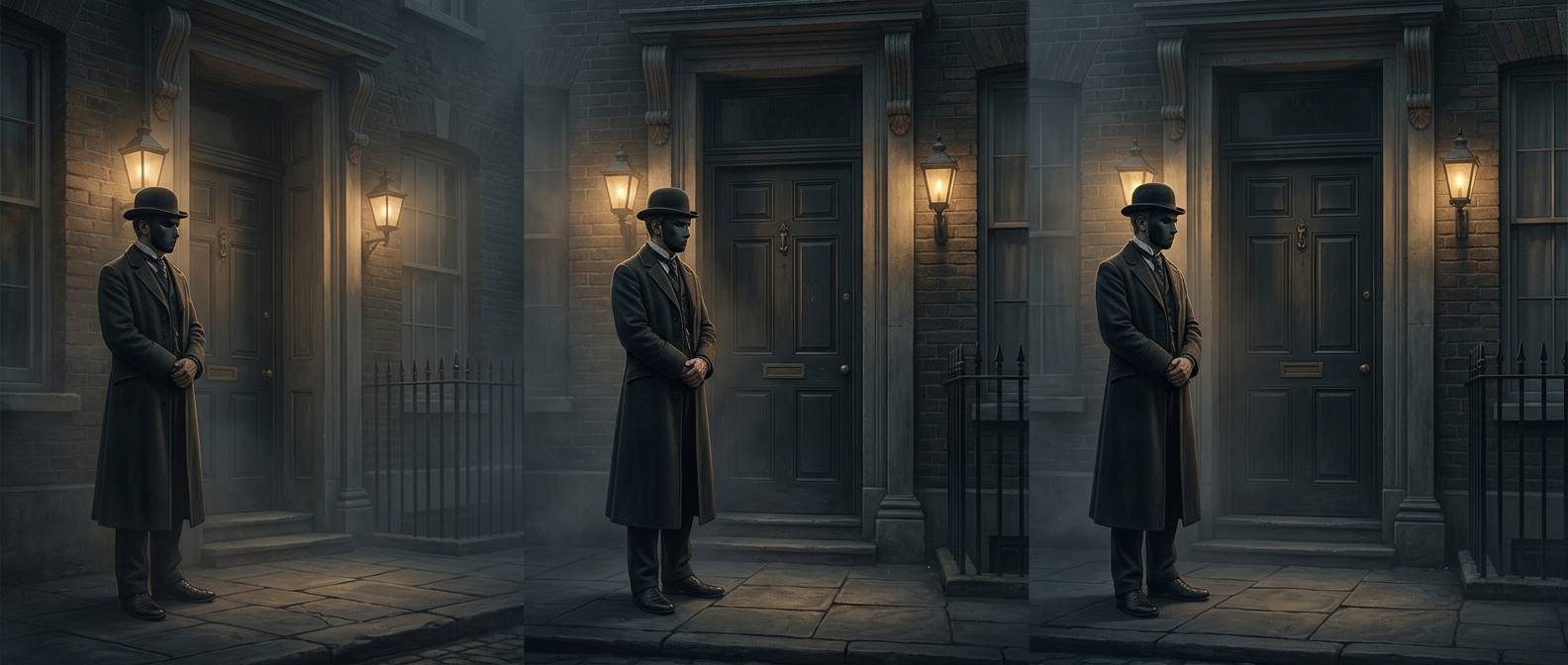
Hiring mourners turned a feeling that might otherwise remain unseen into a managed part of the ceremony. Wealth could determine how many people stood or walked in the procession, while clothing helped make the group read as a coordinated display. The broad black sashes gave passersby an immediate signal: these men were there in an official capacity, not merely as neighbors who happened to be grieving.
That arrangement reveals a tension in public mourning. A family could use paid help to make its loss legible to the community, but the resulting display also advertised its resources. Grief might be personal; the funeral’s visible scale was something money could arrange.