Why a horse could become a military objective
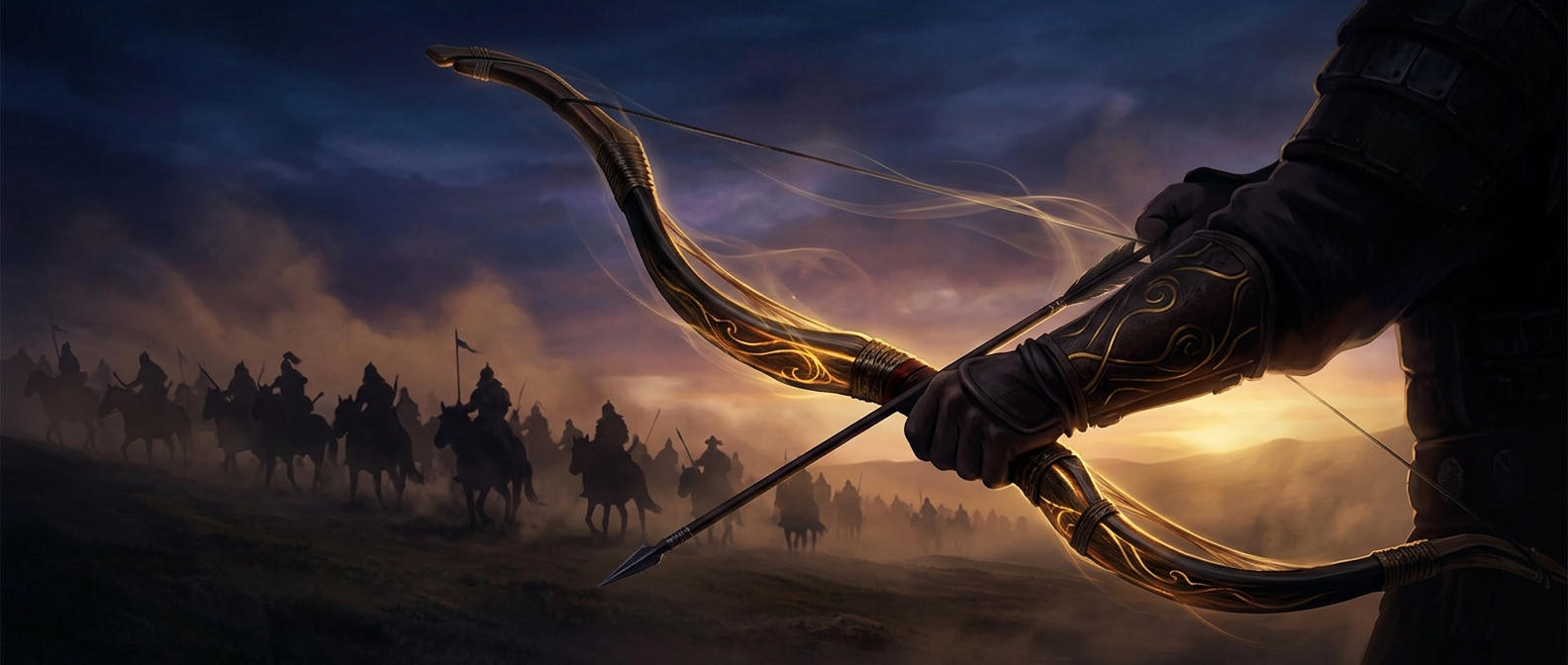
In the second century BCE, the Han dynasty faced a formidable opponent in the Xiongnu, a confederation whose mobile forces could strike across the northern frontier and retreat quickly. Han commanders wanted more capable cavalry of their own. The horses of Ferghana, a fertile valley in Central Asia, were prized for their size and stamina—qualities that could help mounted soldiers travel farther and keep pace in a campaign.
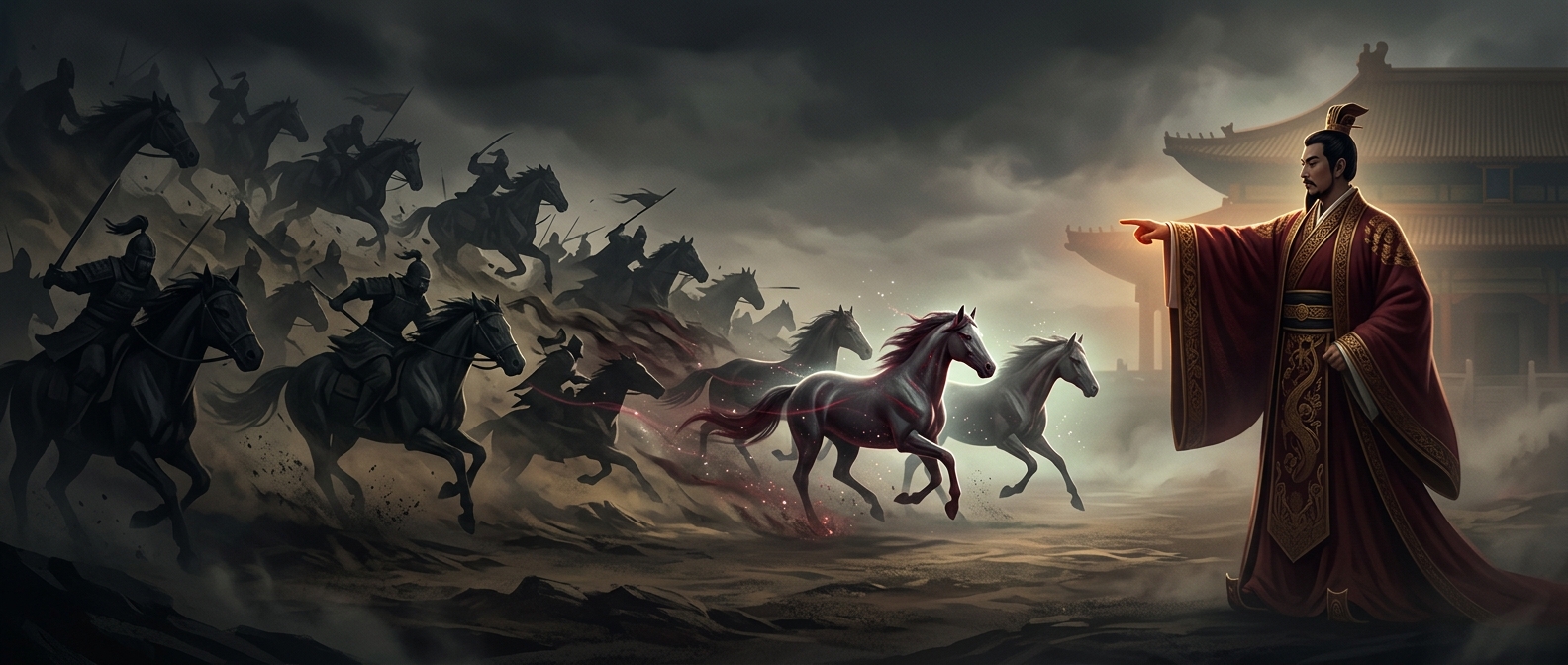
The animals were therefore more than luxury imports. To Emperor Wu, access to them was tied to the balance of military power. A reliable supply might strengthen Han cavalry and reduce the advantage held by its steppe rivals.
From failed exchange to costly expedition
Han envoys sought horses from Ferghana, whose kingdom was known to the Chinese as Dayuan. When its ruler refused to provide the animals, the dispute became a test of imperial authority as well as a question of supply. Wu’s government launched an expedition to force the issue, sending an army across the difficult terrain between China and the valley.
That distance made the campaign itself a gamble. Troops needed food, water, and transport over long stretches of desert and sparsely supplied territory; an army could be weakened before it reached its target. The initial effort did not secure the result Wu wanted, and a larger follow-up campaign eventually compelled Dayuan to yield horses.
The price of prestige and access
The expedition showed how a practical military need could turn into a contest over who controlled trade. Ferghana’s horses mattered, but so did the message: a distant kingdom could not safely reject Han demands without consequences. The costs of crossing Central Asia also exposed the limits of imperial reach. The “heavenly horses” were valuable not simply because they were exceptional animals, but because acquiring them promised military advantage—and required an army to make that promise real.