A fall that interrupted a dynasty
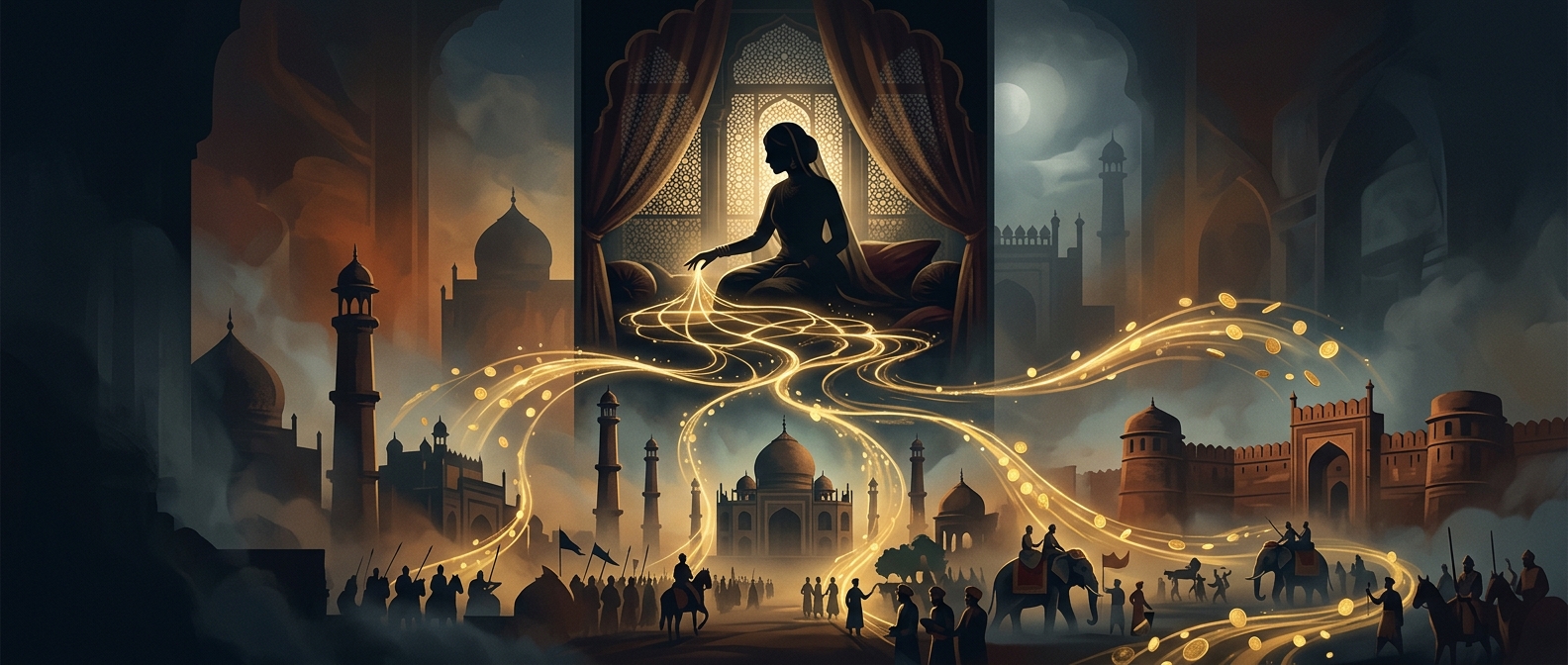
In January 1556, Mughal emperor Humayun fell on the stairs of a pavilion in Delhi used for scholarly pursuits and commonly associated with his library and observatory. The familiar account says he was carrying books when he heard the call to prayer. As he turned to kneel, his robe caught beneath him, and he tumbled down the steps. He died from the head injury, described as a brain hemorrhage.
The danger lay in the combination of an awkward fall and a blow to the head. A hemorrhage is bleeding inside the skull; because the skull cannot expand to make room, accumulating blood can press on the brain and disrupt its essential functions. The precise medical details of a sixteenth-century injury are not recoverable, but the account’s central point is stark: a brief loss of footing could become fatal without modern diagnosis or treatment.
Why the accident mattered beyond the palace
Humayun’s death came while Mughal rule was still being re-established in northern India. He had spent years losing and then recovering his empire, so his sudden death left a young heir, Akbar, to inherit a vulnerable throne. Akbar was about thirteen, and the government initially depended on powerful advisers to maintain control while he came of age.
That succession did not make the Mughal state disappear; Akbar went on to become one of its most consequential rulers. But the fall turned a private accident into a political hinge. The same stairs that ended Humayun’s reign set in motion a transition whose outcome would shape the empire for decades.