A weapon that changed the distance of a fight
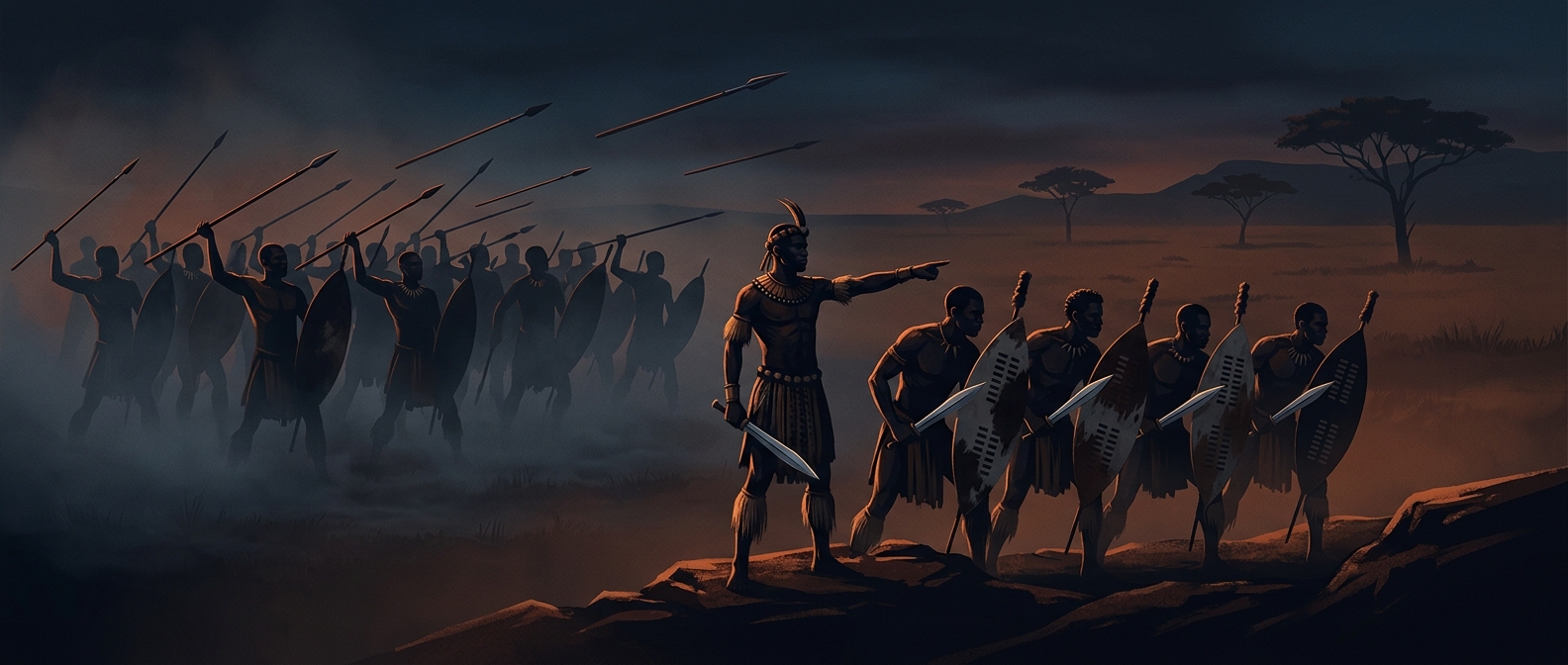
A throwing spear works best when its user can keep an opponent at range. The short iklwa shifted the advantage toward fighters who could cross that distance and strike at close quarters. Its compact length made it easier to handle in a press of bodies than a long spear would be, while a fighter could keep a large shield forward and thrust with the other hand.
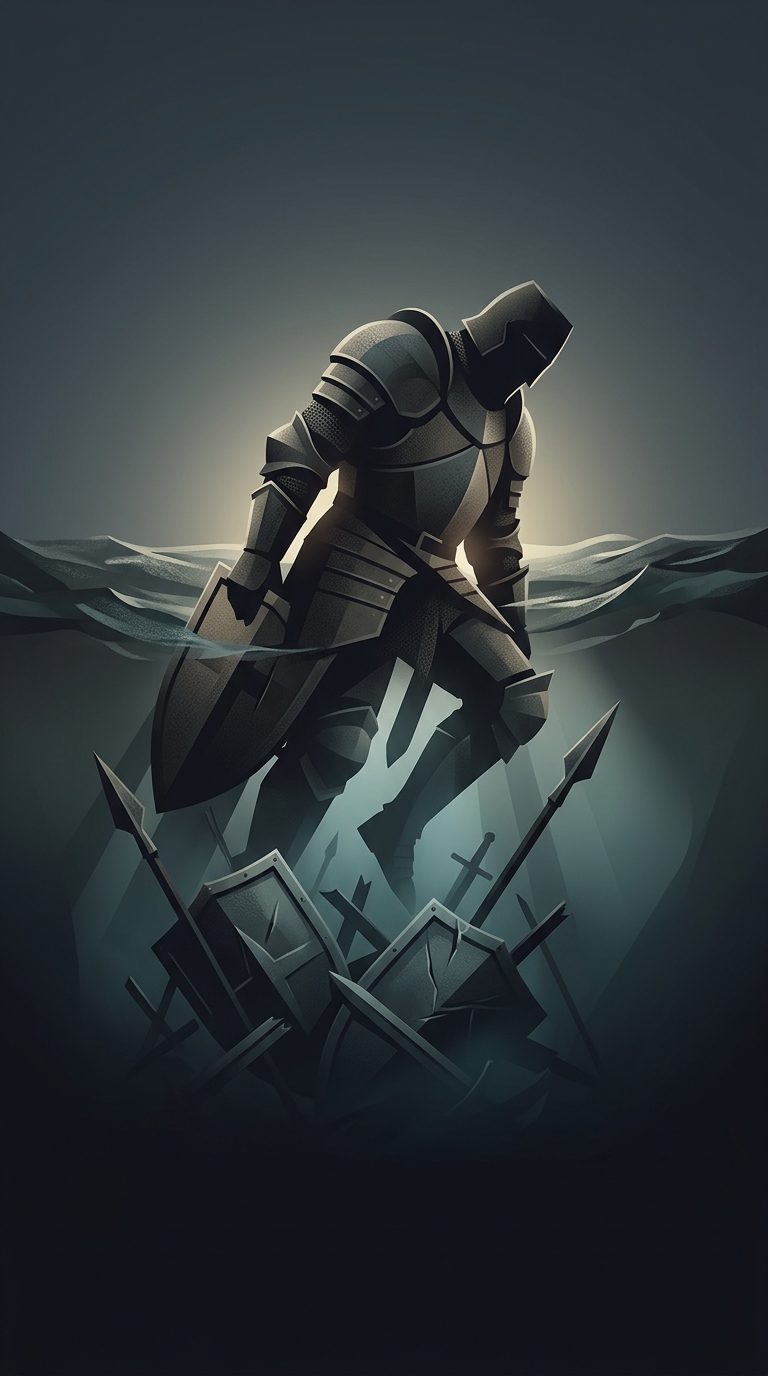
That pairing mattered as much as the blade. A shield could deflect an incoming strike and help a fighter press forward; once close, the short spear was suited to stabbing rather than throwing. The weapon therefore supported a more direct style of combat, in which the aim was to break through an opponent’s line instead of trading attacks from afar.
From weapon to battlefield method
The iklwa is associated with Shaka’s military reforms, but a weapon alone could not transform an army. Its effectiveness depended on fighters learning to move and fight together, using shields and close-range attacks as part of a coordinated approach. That made discipline and formation central: an individual charging ahead without support would lose the protection and force that came from advancing alongside others.
The change also carried a cost. Closing with an enemy exposed fighters to danger that distance fighting could avoid. The short spear made that risk worthwhile only when training, timing, and collective pressure gave the charge a chance to succeed. Its lasting significance lies in that tactical shift: it helped make getting close—not merely throwing first—the decisive moment of battle.