A river crossing became a leadership crisis
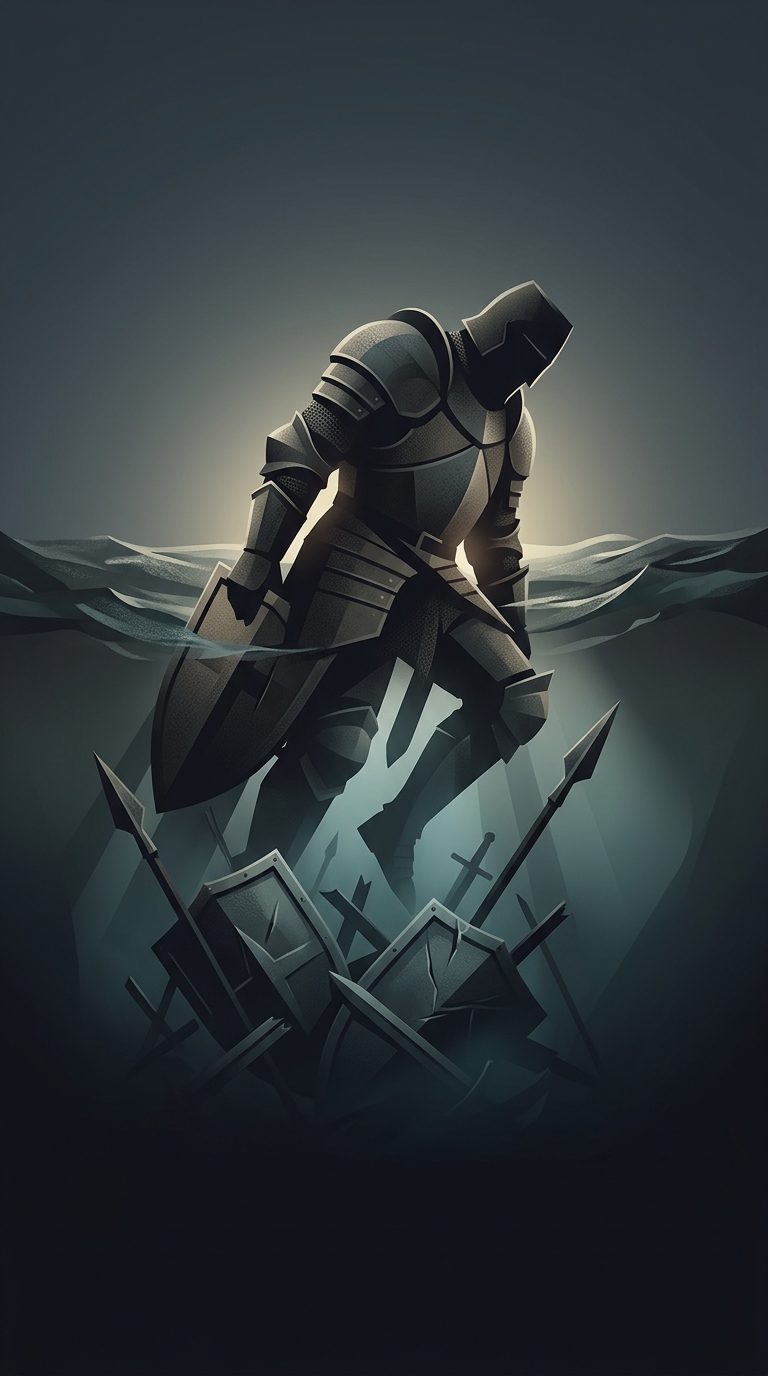
Frederick Barbarossa’s death in the Saleph River—now called the Göksu, in southern Turkey—struck the Third Crusade at a particularly vulnerable moment. The German force was traveling overland toward the eastern Mediterranean, where it was meant to join the campaign to recover Jerusalem. A river crossing was a practical obstacle, but the emperor’s sudden death turned it into a crisis of command.
Medieval accounts differ on the exact circumstances of the drowning, so the claim that impatience alone caused it is difficult to establish. The essential point is that Frederick died in the river in 1190, before his army reached the main crusading forces.
Why the army struggled to continue
A medieval army depended on more than its soldiers: it needed a recognized leader who could settle disputes, coordinate supplies and keep distant contingents moving toward the same goal. Frederick’s authority helped hold the German expedition together. After his death, his son Frederick VI took command, but he could not simply replace his father’s standing or political influence.
The journey also became harder as the force lost its central figure. Some German crusaders abandoned the expedition and headed home; others continued east. Frederick VI died later during the siege of Acre, further weakening the remaining German contingent.
The river therefore mattered not only as the site of an accident. It marked the point where a large, organized expedition began to fragment: the loss of its emperor disrupted the leadership that had made the long march possible.