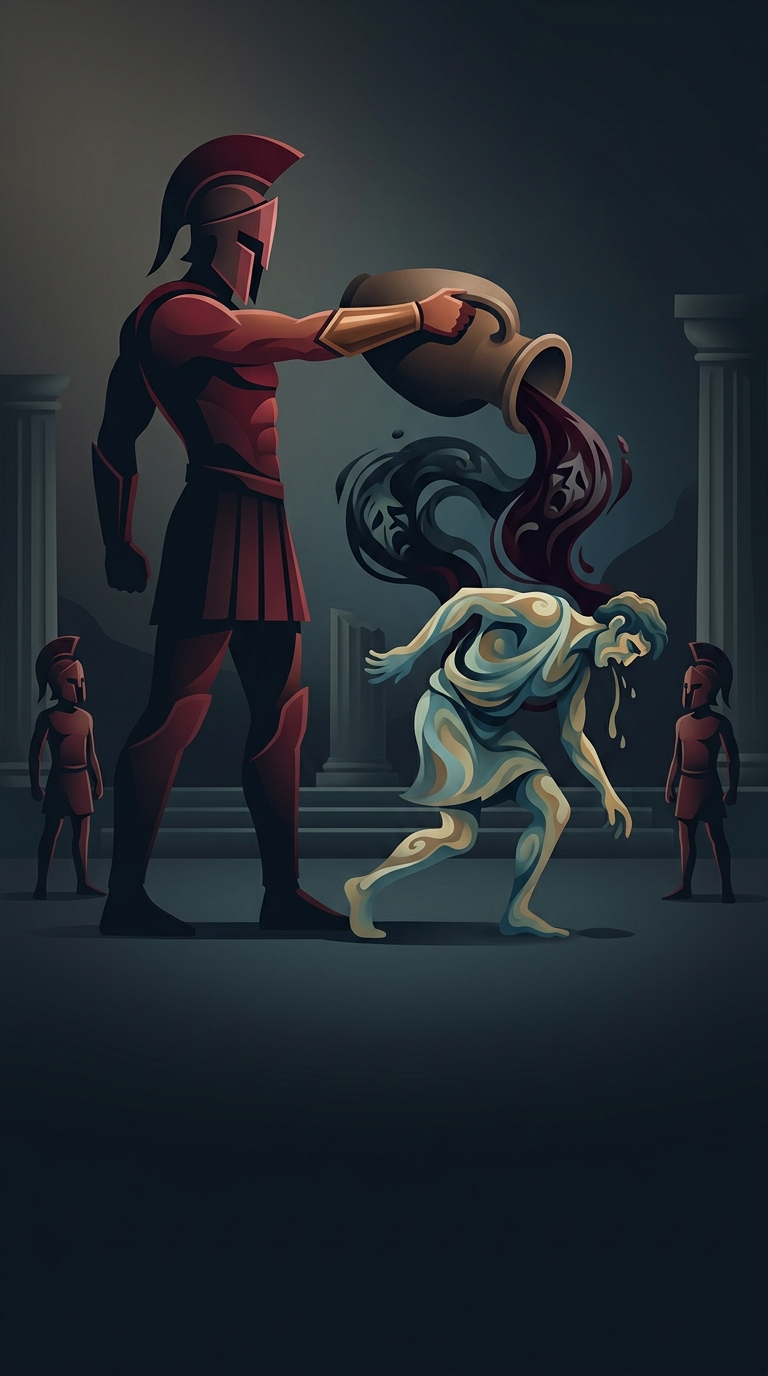
A Funeral for Someone Still Living
In some medieval communities, a person diagnosed with leprosy could be treated as socially dead before dying physically. A ritual resembling a funeral marked the separation: the patient was removed from ordinary community life and sent to a lazaret, a settlement or hospital for people with the disease. The ceremony made exclusion visible and solemn; it did not mean the person had literally died or that every region followed the same practice.
The separation reflected fear of contagion, religious ideas about illness, and the practical limits of caring for people outside the household. Once assigned to a lazaret, residents could lose everyday contact with family and neighbors, and their status or property might be affected under local customs and law. The funeral-like rite gave that rupture a public form.
Life Continued Behind the Boundary
A lazaret was not simply a place where people waited to die. Residents needed food, shelter, and ways to organize daily affairs. Some settlements developed bakeries and other shared services, while courts and local economies helped manage disputes, work, and exchange. These institutions made a constrained life possible, even as the boundary around the settlement marked residents as outsiders.
That contrast is what makes the ritual so striking: a person could be declared finished with ordinary civic life while still having years of work, relationships, and community ahead. The funeral announced exclusion—but inside the lazaret, people still had to build a society.