Stone Walls Held the Chill
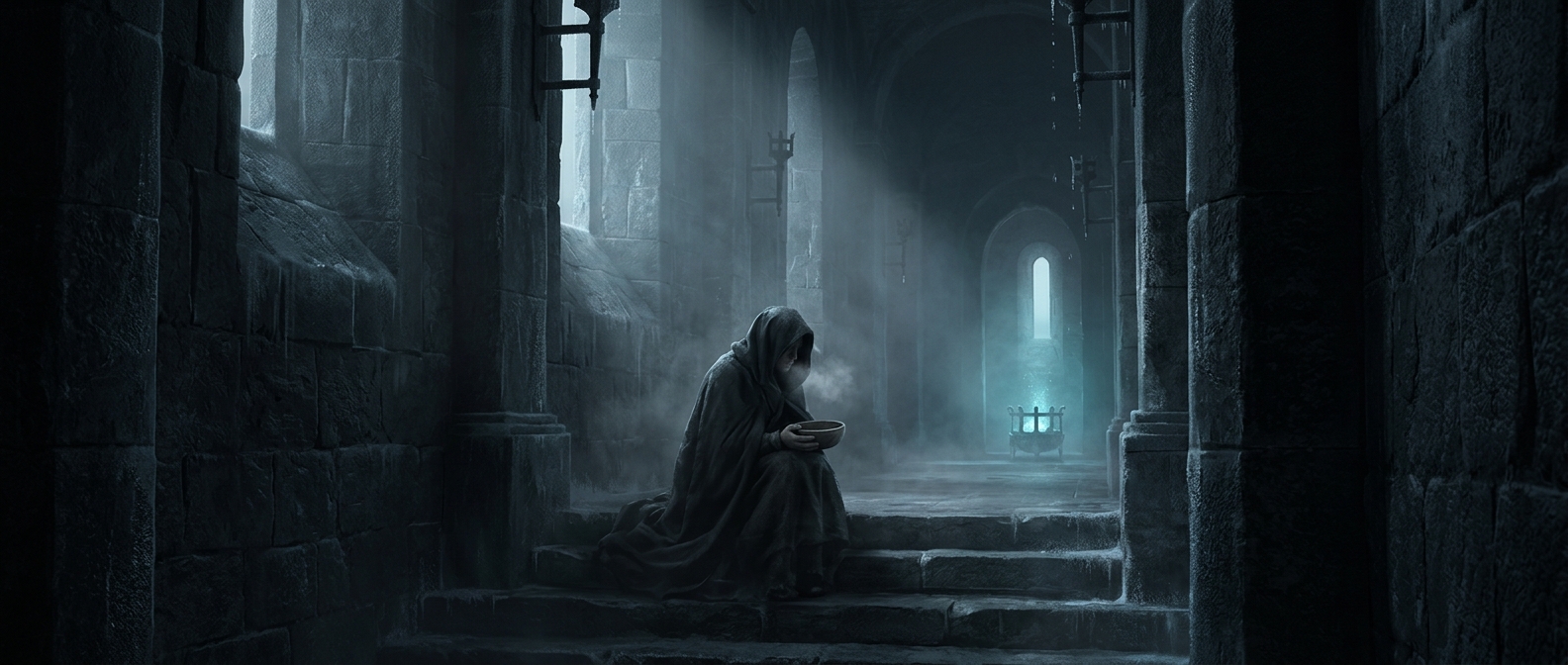
A castle’s thick masonry helped resist attack and made fires safer from the wind, but it also slowed the warming of its rooms. Stone absorbed heat and released it gradually; in winter, walls that had been cold for days could keep a chamber chilly even after a hearth was lit. Drafts through doors, windows, and roof gaps made the fire’s warmth uneven, concentrating it near the flames rather than throughout the room.
Where the Damp Came From
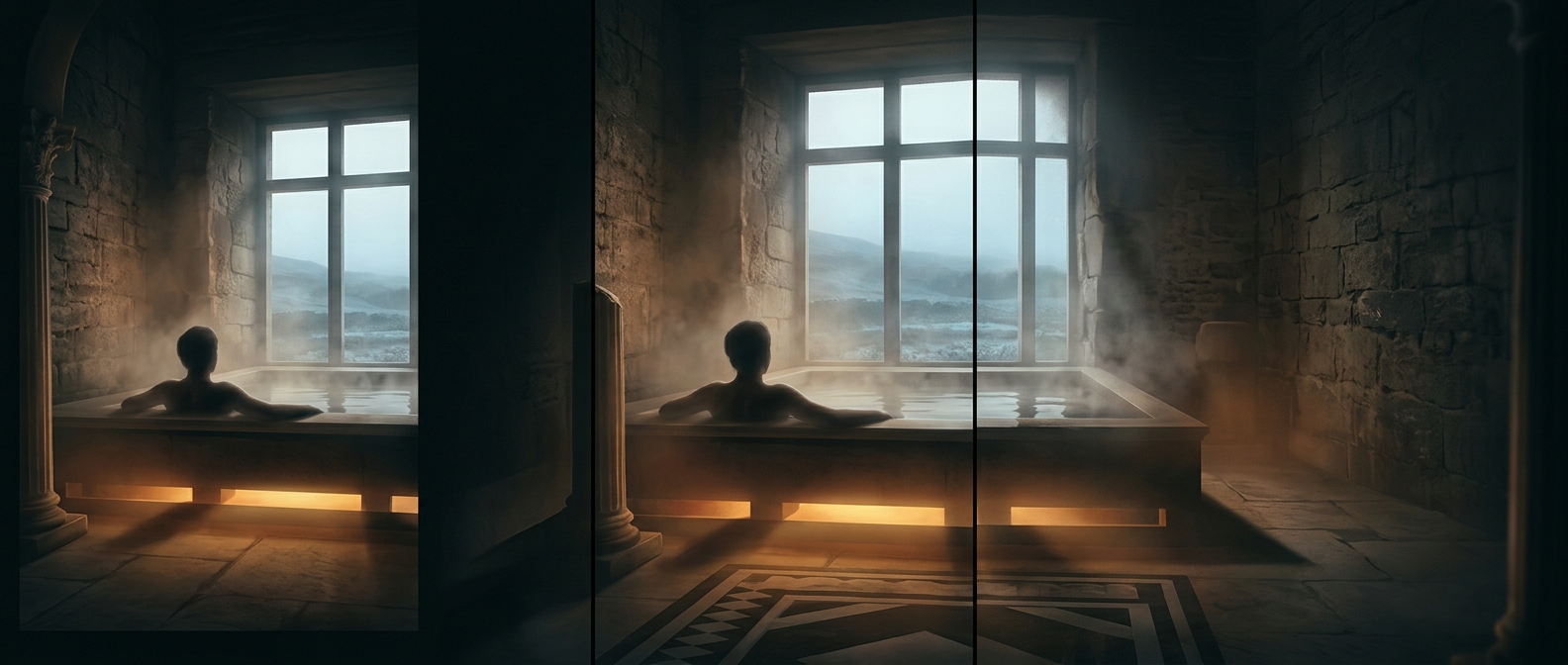
Cold surfaces also encouraged moisture to collect. Warm air inside a room carried water vapor from breathing, cooking, washing, and fires. When that air met a colder wall, some vapor condensed into droplets—much like water forming on a cold glass. Leaks and moisture rising from the ground could add to the problem, while limited ventilation made it harder for damp air to escape.
Tapestries Helped, but Could Suffer
A tapestry was more than decoration: hung on a wall, it trapped a layer of air and reduced the direct chill radiating from the stone. But that same position could put valuable fabric against a persistently cool, damp surface. Wool and other fibers could absorb moisture, and in poorly aired conditions mold could grow on them. The cloth might soften the room’s cold without solving its underlying dampness.
The result was a practical tradeoff: tapestries made a chamber more comfortable, yet required care and airing. Their presence could signal wealth, but it did not mean the room behind them was warm or dry.