Why an Election Became Radio’s Opening Act
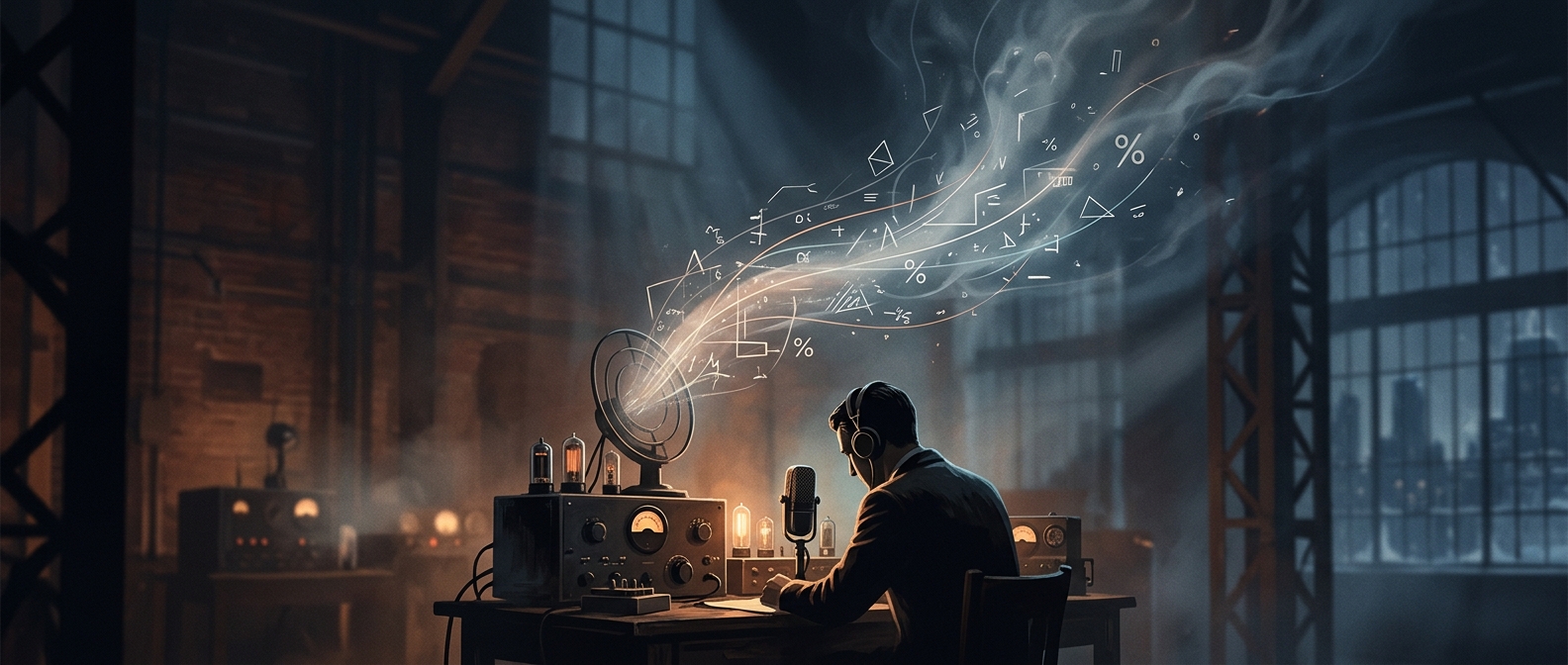
A presidential election offered something early radio could do especially well: carry a changing event to many listeners at once. As local counts came in, announcers could read the returns aloud, keeping people updated without requiring each listener to find a newspaper or wait for a printed edition. The broadcast stretched over hours because the results themselves arrived gradually from polling places and local reporting networks.
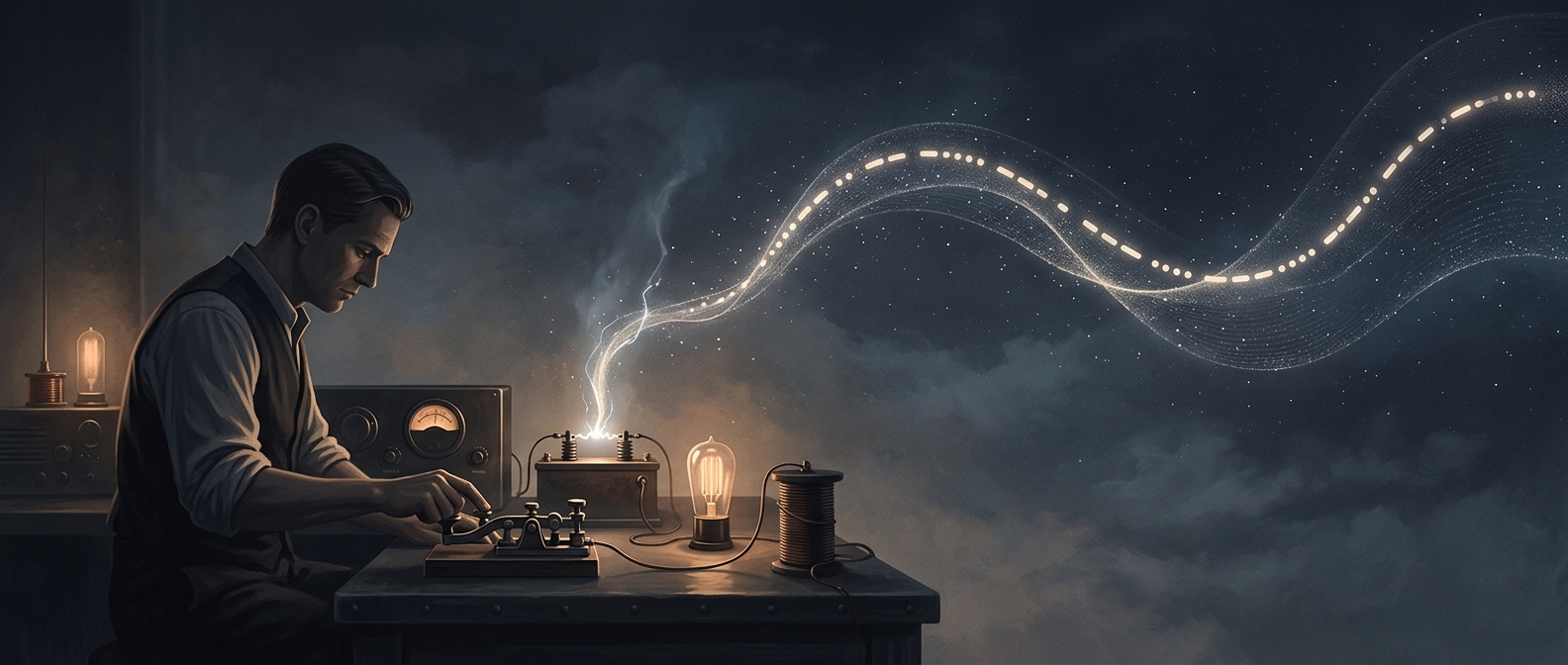
That made election night a practical demonstration, not just a news occasion. A receiver could turn a signal sent from one station into a shared, unfolding account for listeners spread across the area. Radio was shifting from a technology used mainly for communication between individual operators toward a medium that could speak to a broad public.
What “Commercial” Meant
KDKA was operated by Westinghouse, a company that saw broadcasting as a way to make radio useful to ordinary households—and, in turn, to encourage interest in radio equipment. Here, “commercial” describes the station’s company-backed operation; it does not mean that the election broadcast was a modern-style program built around advertising.
The audience was still limited: radios were not yet a fixture in every home, and many listeners relied on sets assembled or operated by enthusiasts. But the broadcast made the promise tangible. Instead of waiting for news to be printed and distributed, people could hear the count take shape as reports reached the announcers. Election night showed that radio could make distant public events feel immediate—and be heard together.