History
Discover facts about history. Small discoveries that change the way you see familiar things.
History

Black pepper vines originated in Kerala forests
The peppercorns are the dried berries of tropical vines native to Kerala in southern India. They start out green and darken as they dry.
Discover more
NASA lost the original data tapes of the first moonwalk
Tracking stations recorded Apollo 11's original slow-scan television signal on telemetry tapes. NASA's later search concluded those tapes were most likely…
Discover more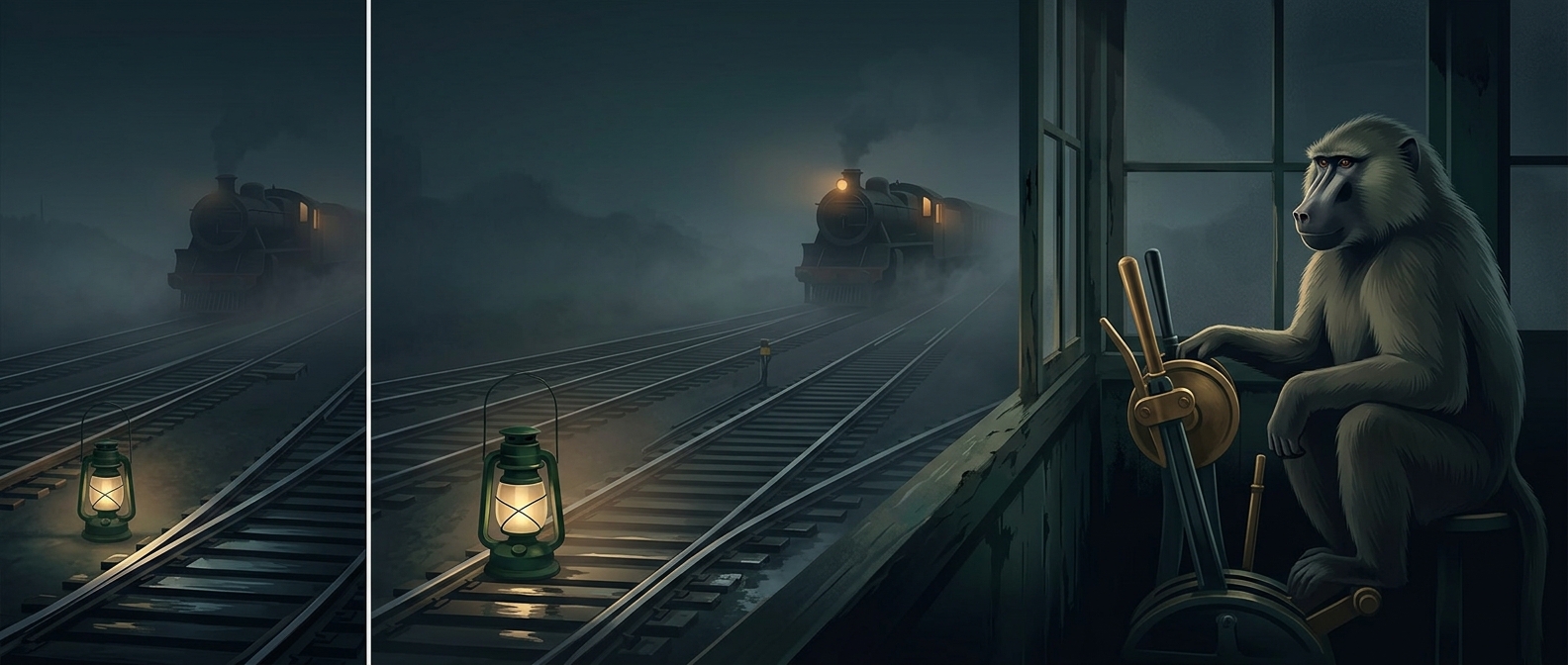
A baboon helped a South African railway signalman
Jack learned to assist James Wide, a railway worker who had lost both legs, at Uitenhage in the late nineteenth century. Their partnership became a celebrated…
Discover more
Roman aqueducts featured exact slopes to move water for miles
Engineers gave the water only a few inches of fall per mile: enough to keep it moving, but not enough to erode the stone. Too little slope and it could…
Discover more
A love story helped give the wedding-ring finger its symbolism
The traditional vein-of-love explanation imagined a special connection from that finger to the heart. It is a piece of symbolism rather than a unique…
Discover more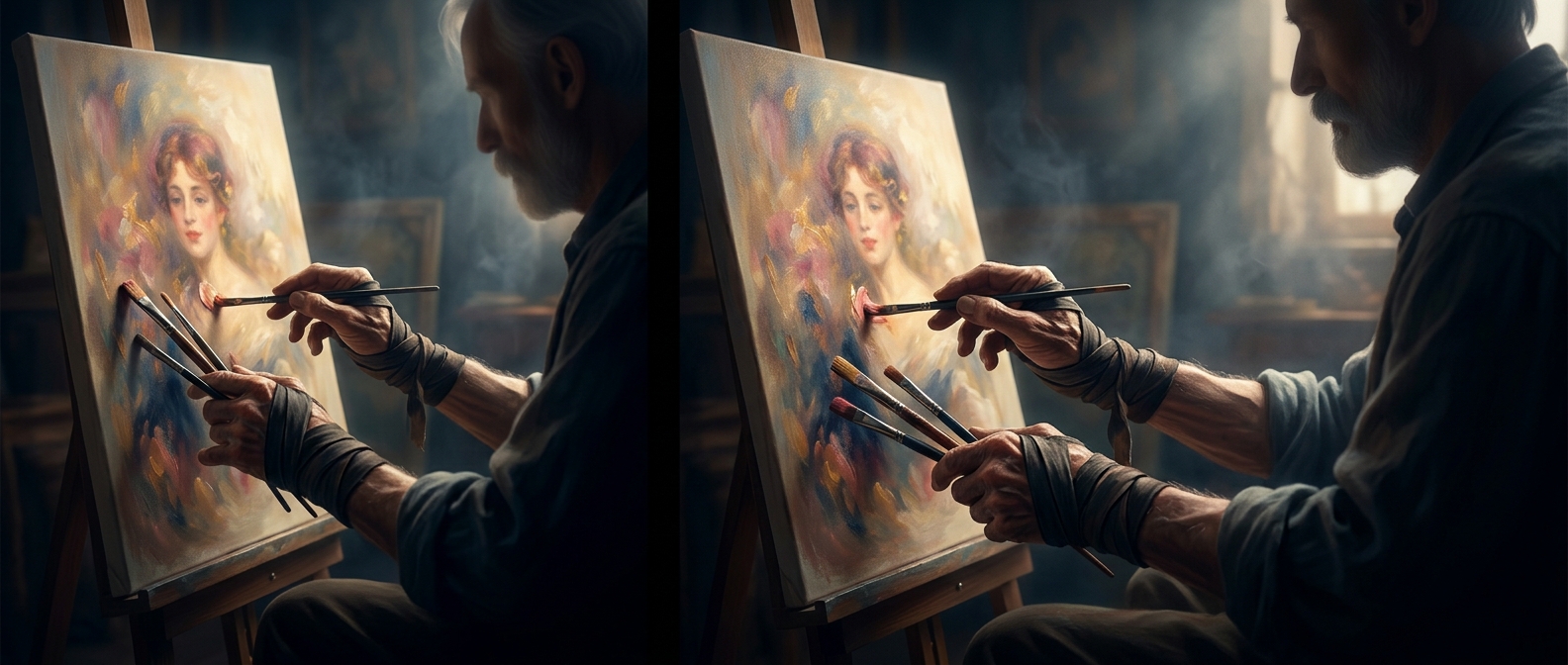
Renoir adapted his tools as arthritis changed his hands
Severe rheumatoid arthritis restricted his movement, but he continued working with assistance and an adapted easel that let large canvases move within his…
Discover more STACKY FOR IPHONE
A bigger world.
One discovery
at a time.
Keep discovering with Stacky. Interesting facts in an app that is always within reach.

First digital watches featured glowing red led screens
Early LEDs drained so much power that their red digits could not stay lit continuously. The futuristic display came with a decidedly un-futuristic rule: press…
Discover more
Viking raiders purposefully targeted undefended monasteries
Coastal monasteries held valuable religious treasures but had few armed defenders. For raiders, the combination made them tempting targets: rich prizes with…
Discover more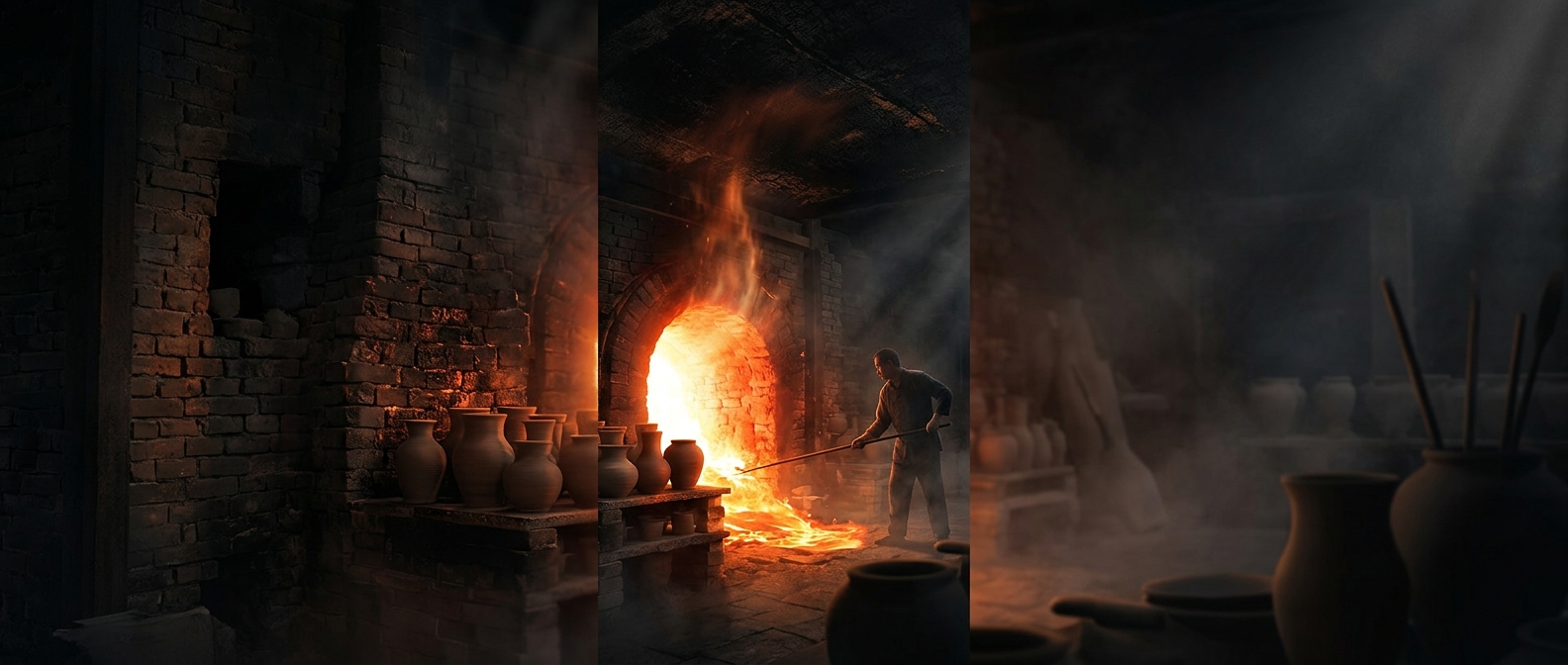
Chinese kilns reached thirteen hundred degrees
Chinese kilns reached 1,300 degrees to fuse porcelain, and some ran hot enough to melt basic metals. Making fine ceramics meant building a furnace that could…
Discover more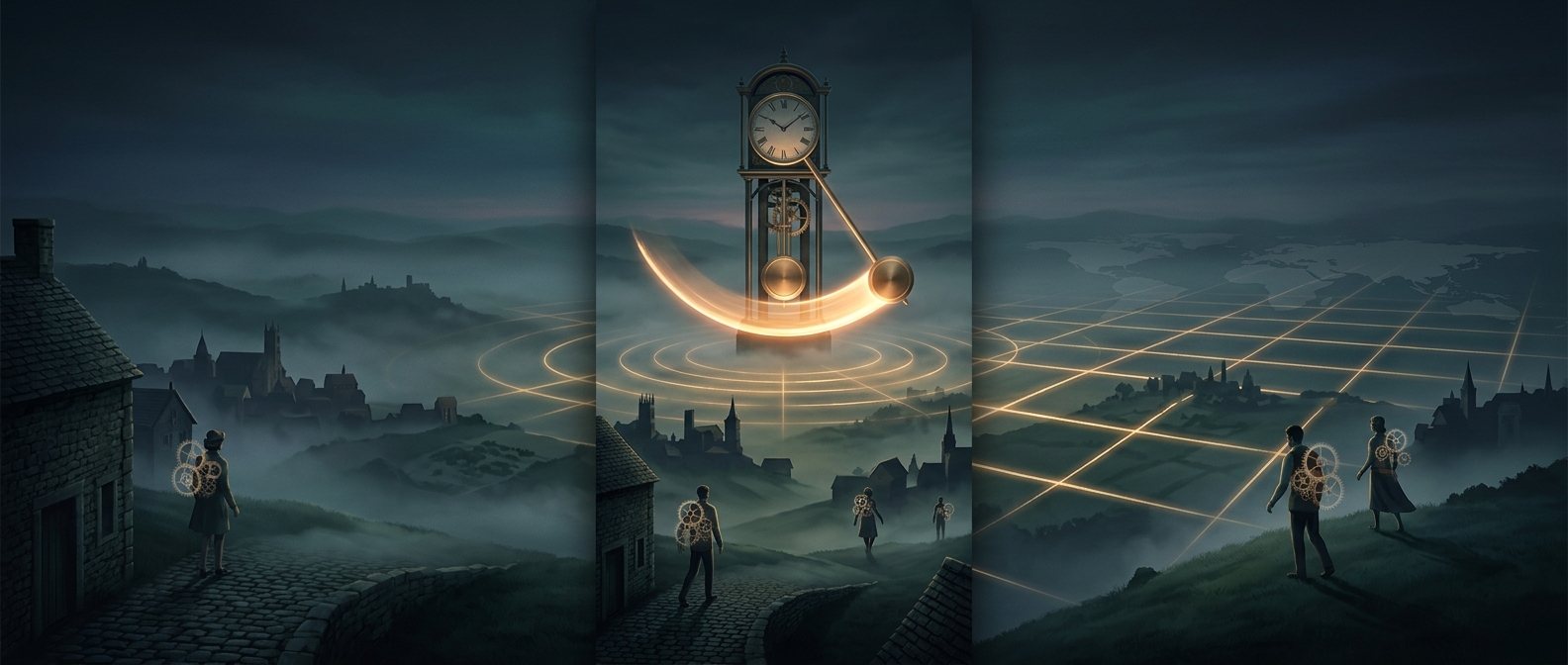
Pendulum clocks revolutionized global timekeeping
Before pendulum clocks, some clocks could drift by as much as 15 minutes a day. The swinging mechanism brought timekeeping errors down to mere seconds.
Discover more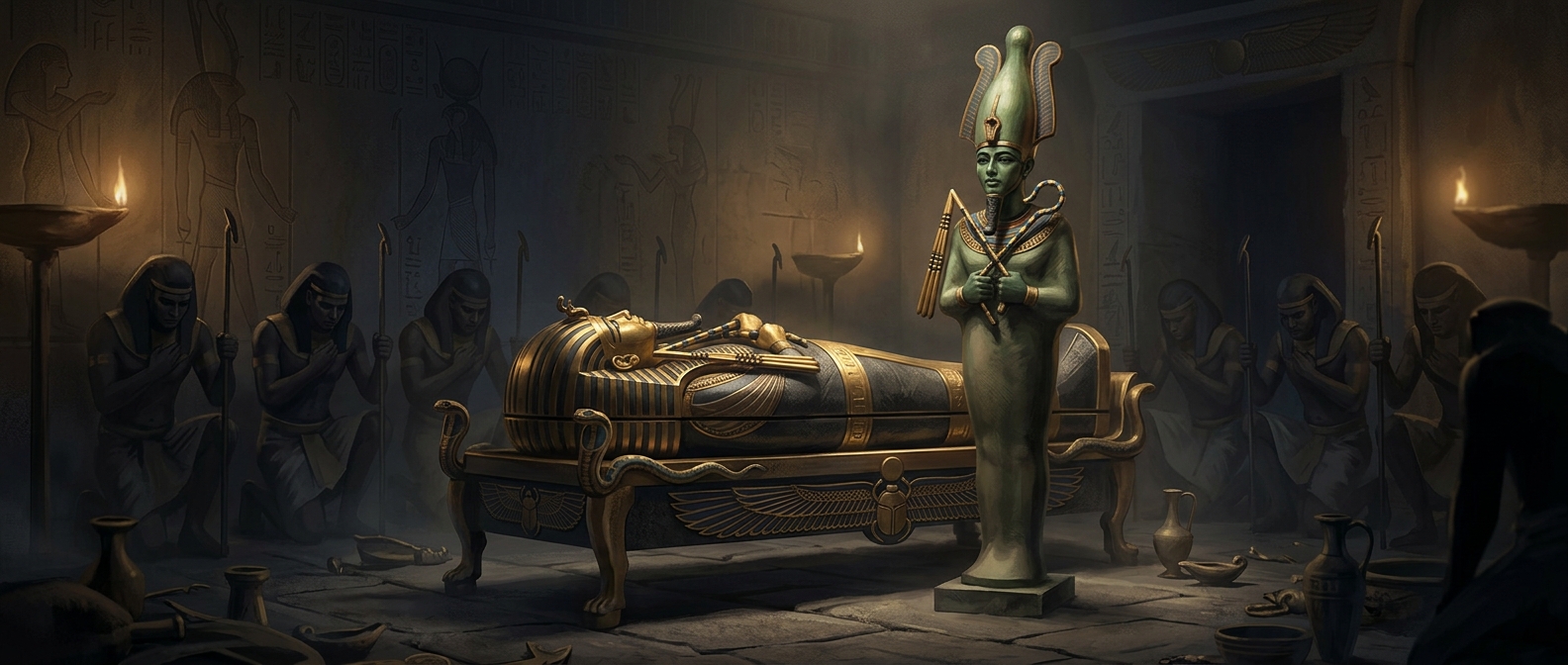
Tutankhamun’s burial pose may have invoked a god
His mummy’s erect penis inspired a scholarly interpretation connecting the burial to Osiris, a god associated with death and regeneration. The detail would…
Discover more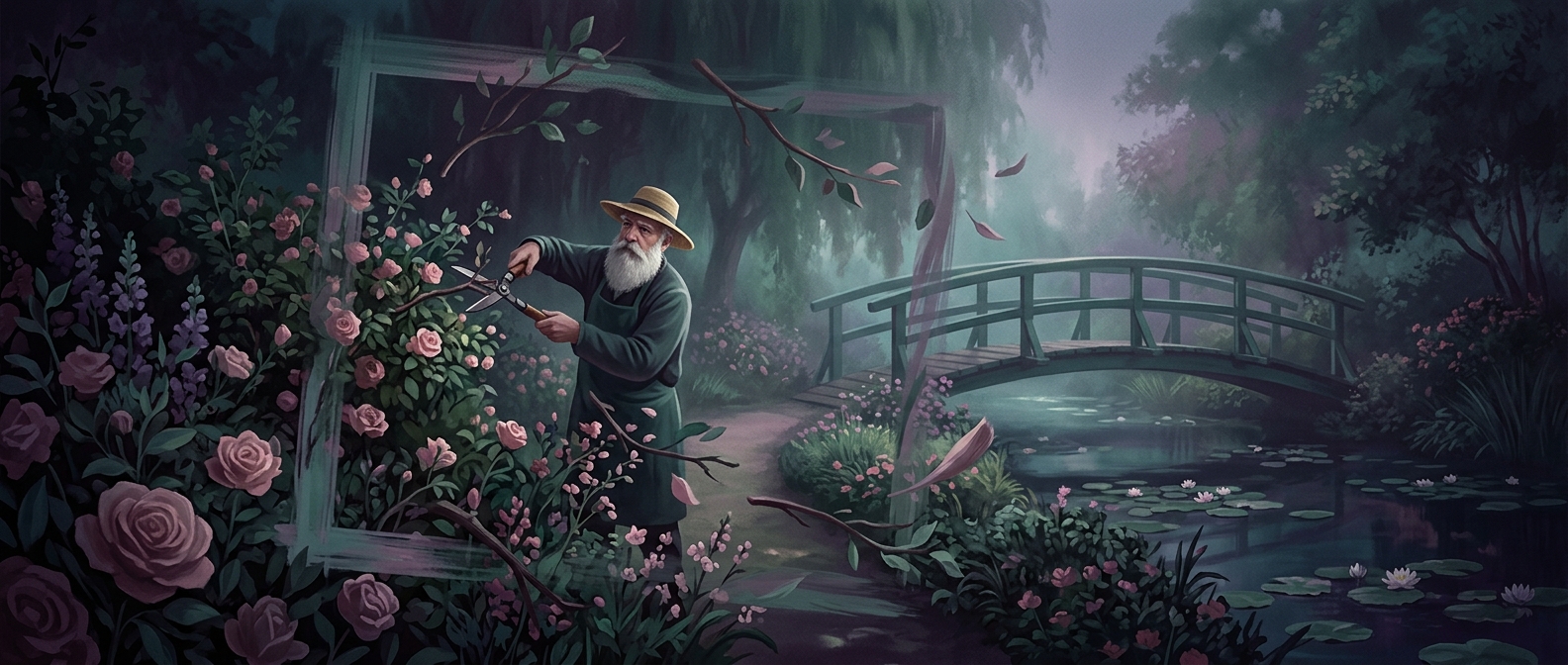
Monet aggressively pruned his garden to paint it perfectly
Monet wanted his garden to match the picture in his head, so he hired six full-time gardeners to tend it—including cleaning dust from individual lily pads. If…
Discover more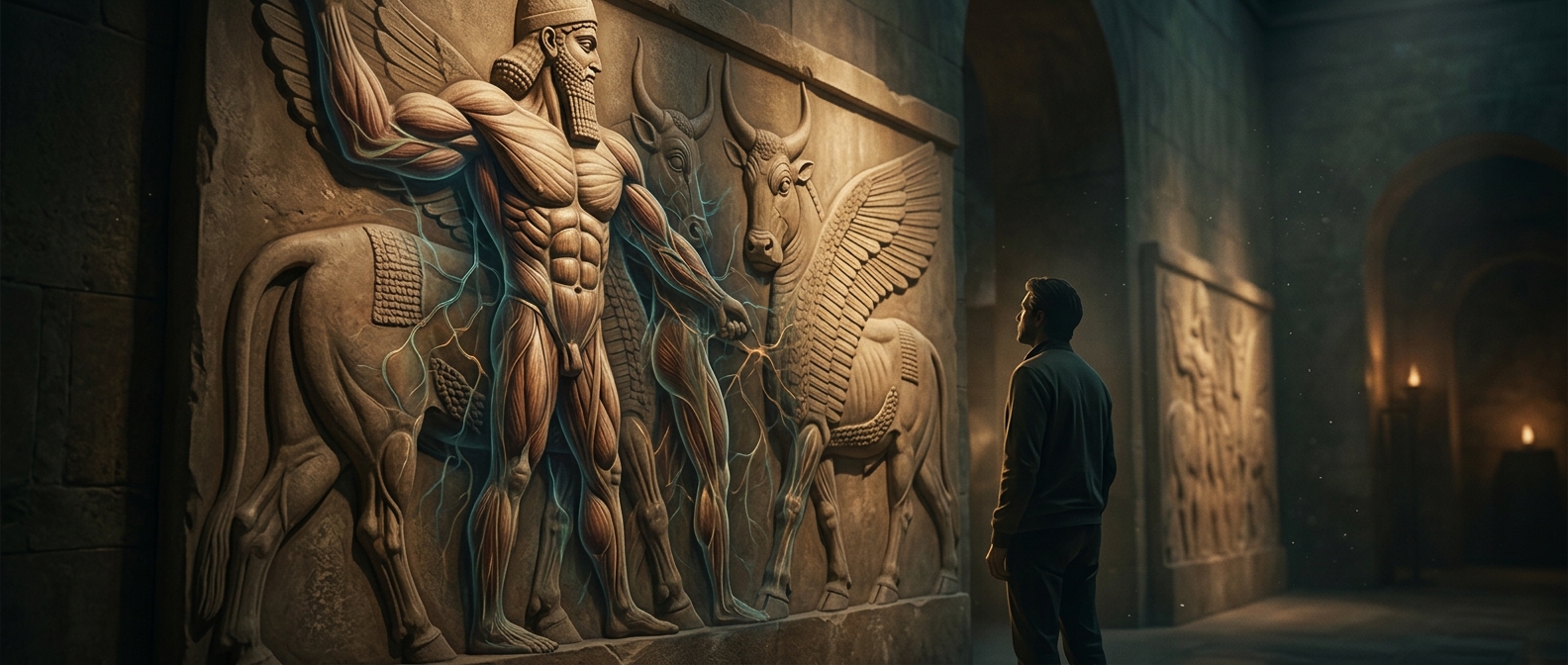
Mesopotamian wall reliefs boast intense muscle details
Palace artists gave figures oversized calves and forearms whether they were fighting, standing, or doing anything else. In these reliefs, nobody missed leg day.
Discover more
Sorghum was entirely domesticated across Africa
Farmers cultivated sorghum in harsh, arid African climates because it could withstand heat that withered other crops, producing a reliable harvest of tough…
Discover more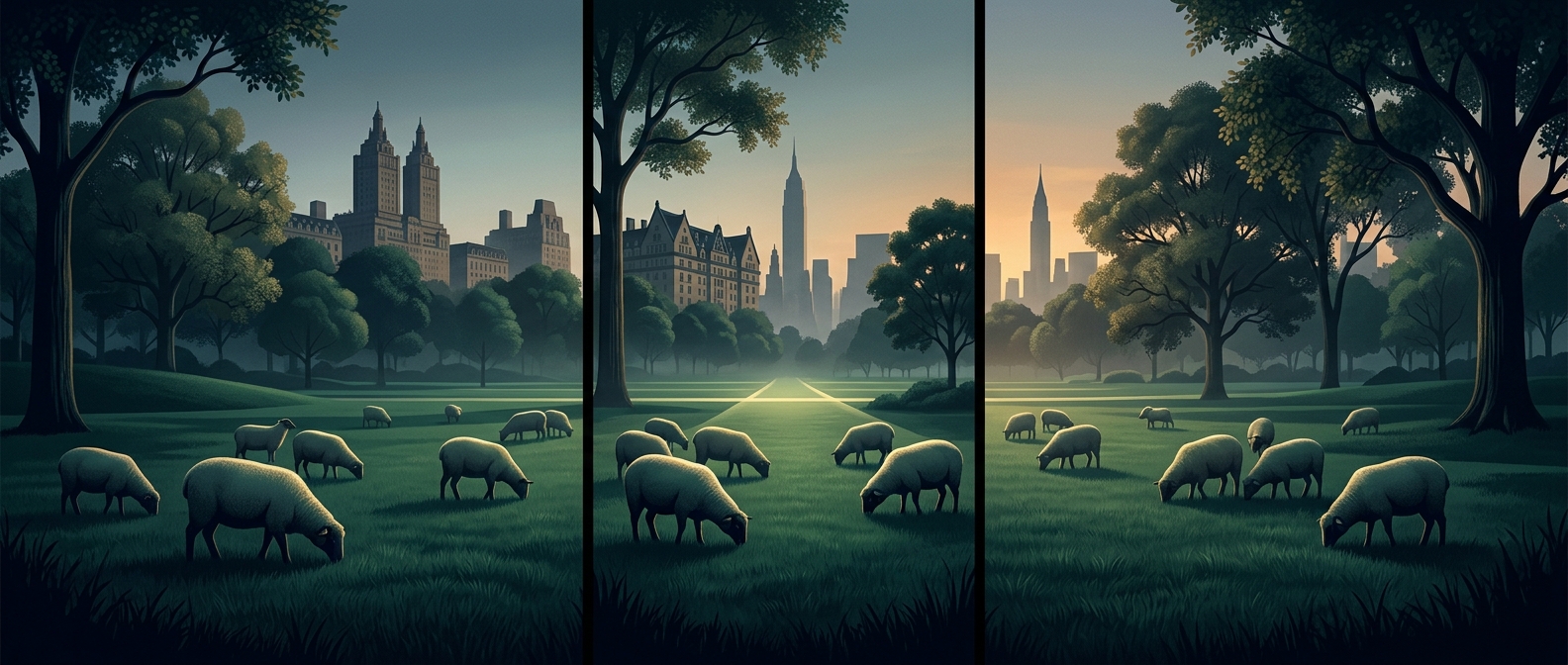
Central Park's Sheep Meadow once had an actual flock
Sheep grazed the lawn from the nineteenth century until 1934, maintaining the pastoral scene the park's designers wanted. Their former sheepfold became Tavern…
Discover more
Japan's tsunami stones told people to build uphill
Centuries-old stone markers along Japan’s coast warn people to build above certain elevations. Some modern developers built below the elevations the stones…
Discover more
The sailor whose job was turning an hourglass
A sailor had to watch the hourglass and turn it over on schedule so the navigator could track time and the ship’s progress. At sea, navigation depended on…
Discover more
Japanese paper folders transformed flat squares
A single square sheet becomes a three-dimensional sculpture through folds alone—no scissors or glue required. The same technique can produce cranes, frogs,…
Discover more
Bees turn watery nectar into a concentrated food store
They add enzymes that change the sugars, then reduce the water content as nectar is processed and stored in the comb. Fanning helps moisture evaporate. Honey…
Discover more
Why British royals became the Windsors
With Britain at war with Germany, the royal family's Saxe-Coburg and Gotha name had become politically awkward. They replaced it with Windsor, trading a…
Discover more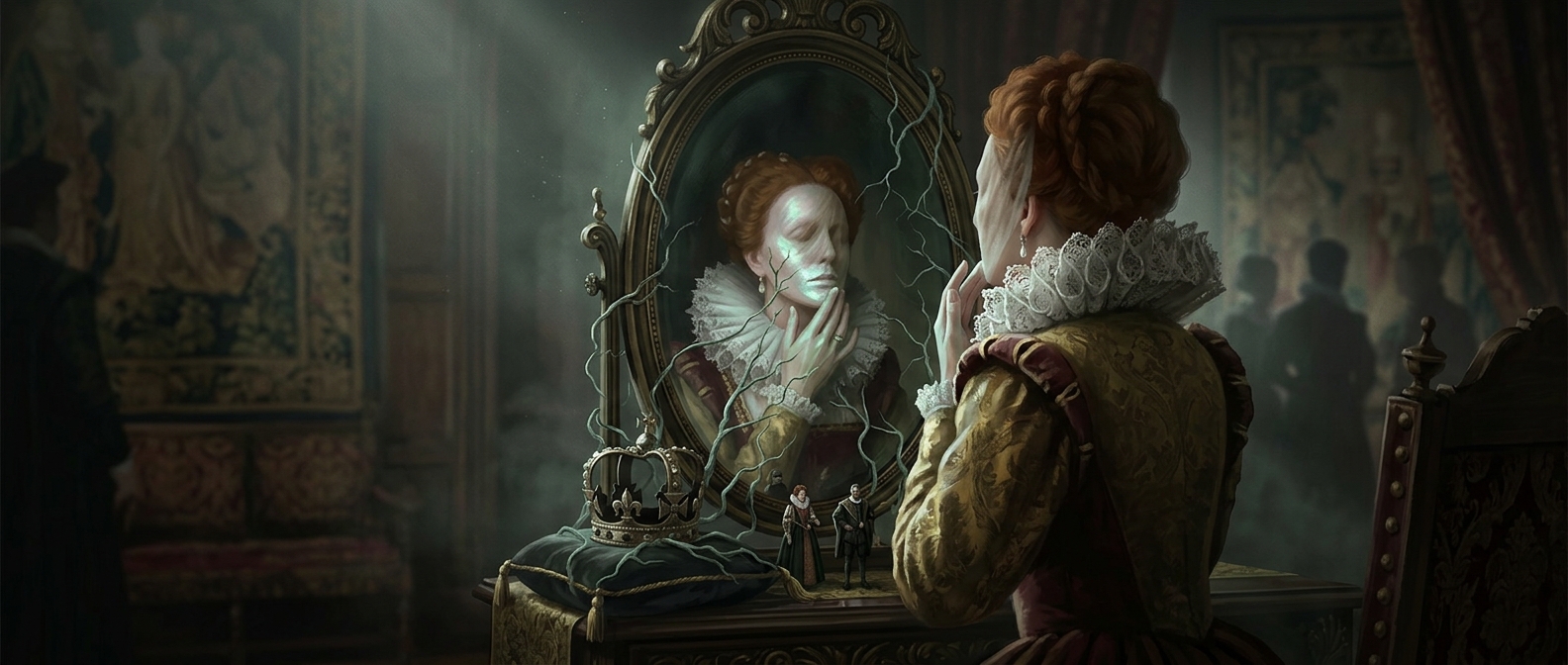
Elizabeth I's smallpox nearly became a succession crisis
In 1562, the young queen became dangerously ill at Hampton Court. With no child and no settled succession, courtiers had to contemplate who would rule if she…
Discover more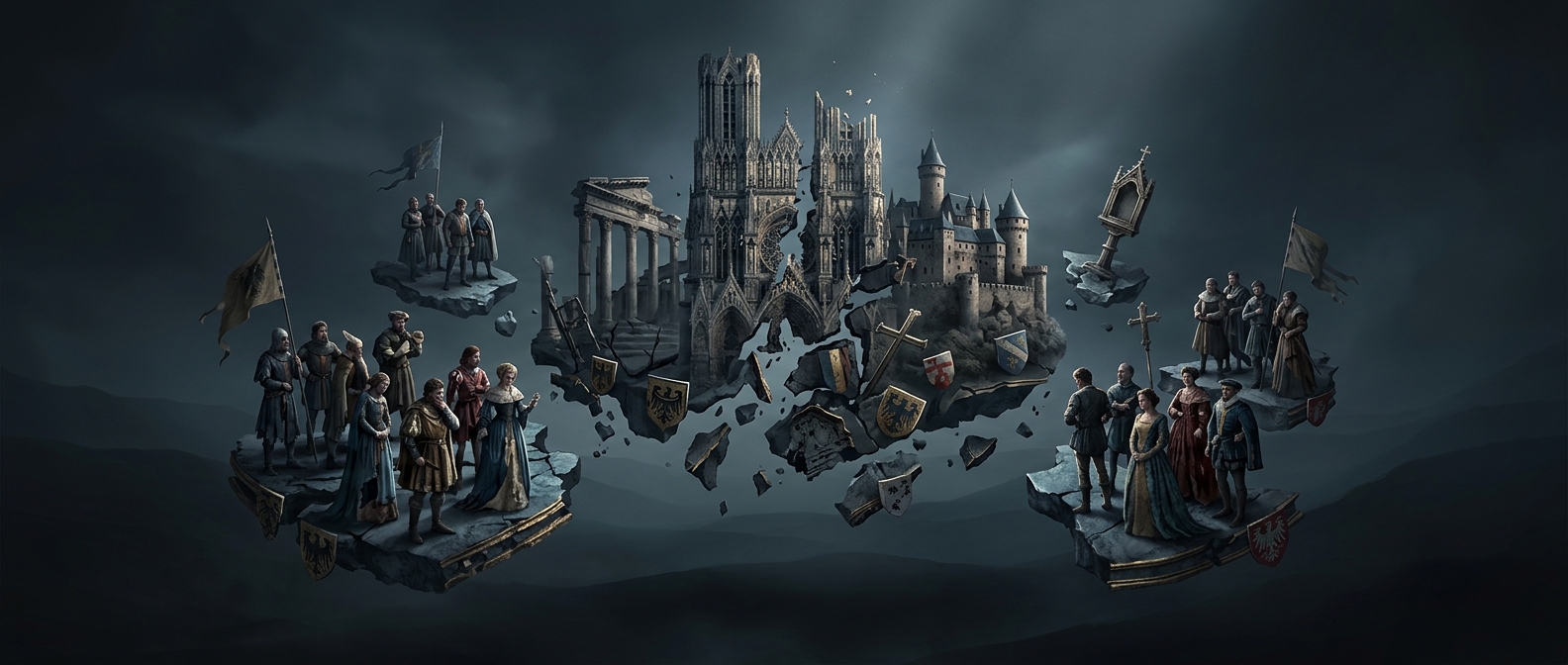
The Holy Roman emperor had a title bigger than his direct control
The empire contained a patchwork of territories with their own rulers, privileges, and institutions. Emperors were chosen through an electoral system, and…
Discover more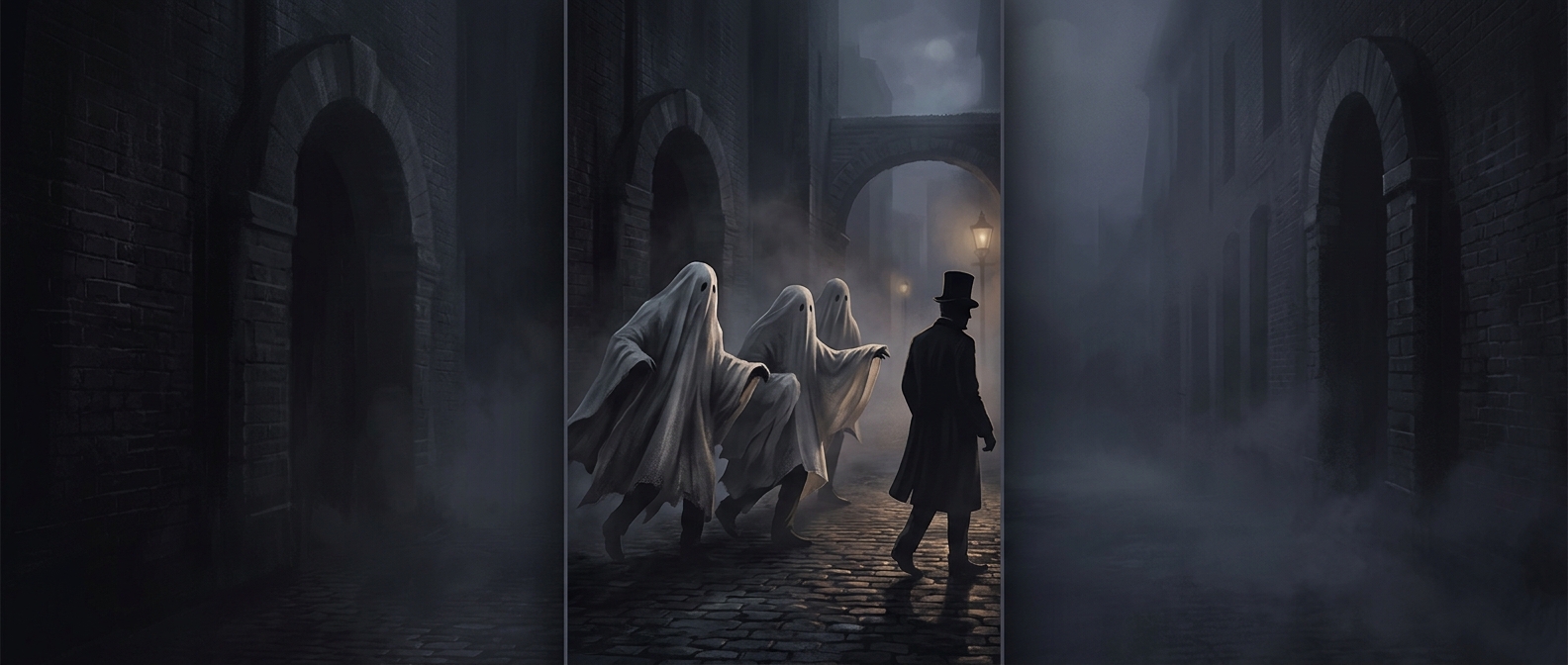
Victorian pranksters dressed as ghosts and got punched
The pranksters wanted a scream; sometimes they got a punch instead. A white sheet made for a cheap ghost costume, but offered little protection when the…
Discover more
The pope who made his teenage son a cardinal
Pope Alexander VI made his 18-year-old son Cesare Borgia a cardinal despite the young man’s reputation for corruption. It was nepotism with a scarlet hat.
Discover more