History
Discover facts about history. Small discoveries that change the way you see familiar things.
History
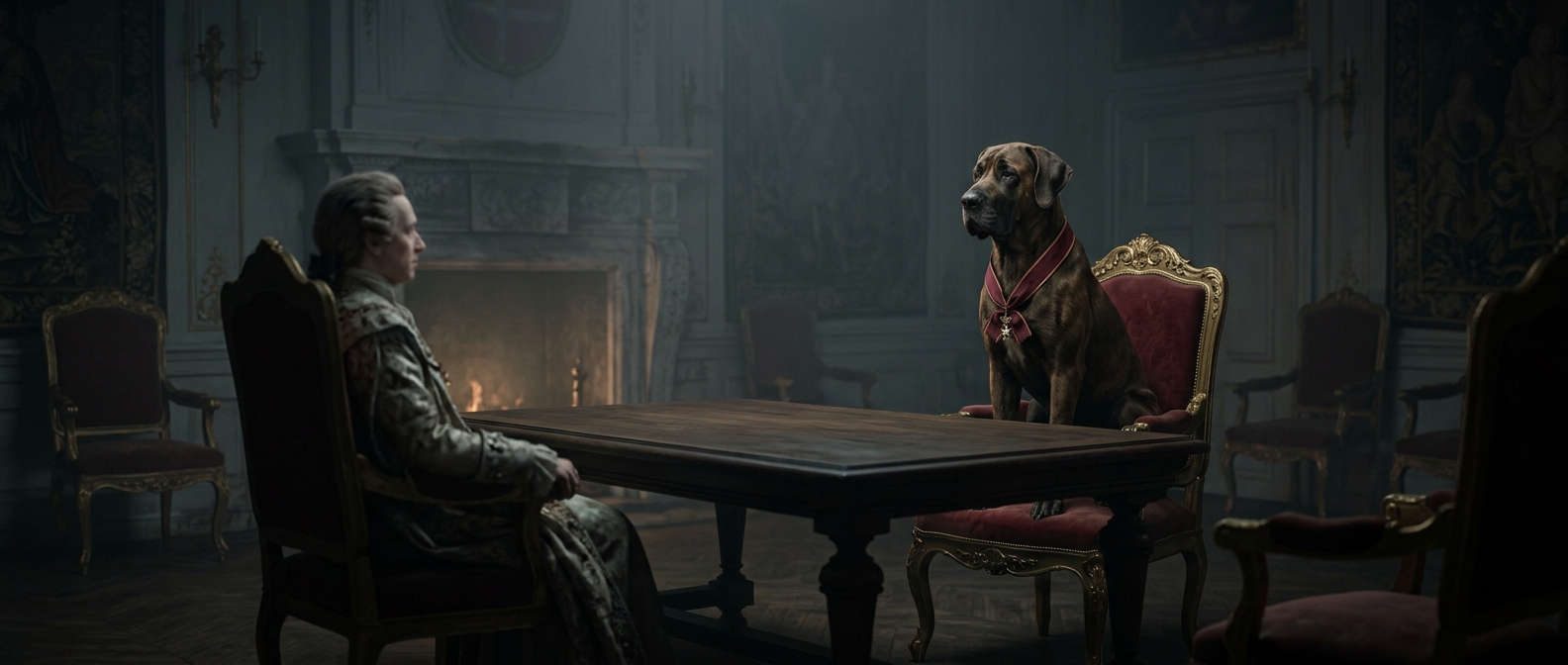
The king who made his dog a state official
The Danish king gave his Great Dane, Gourmand, an official state title, and courtiers had to bow to the dog as if he were a high-ranking politician.
Discover more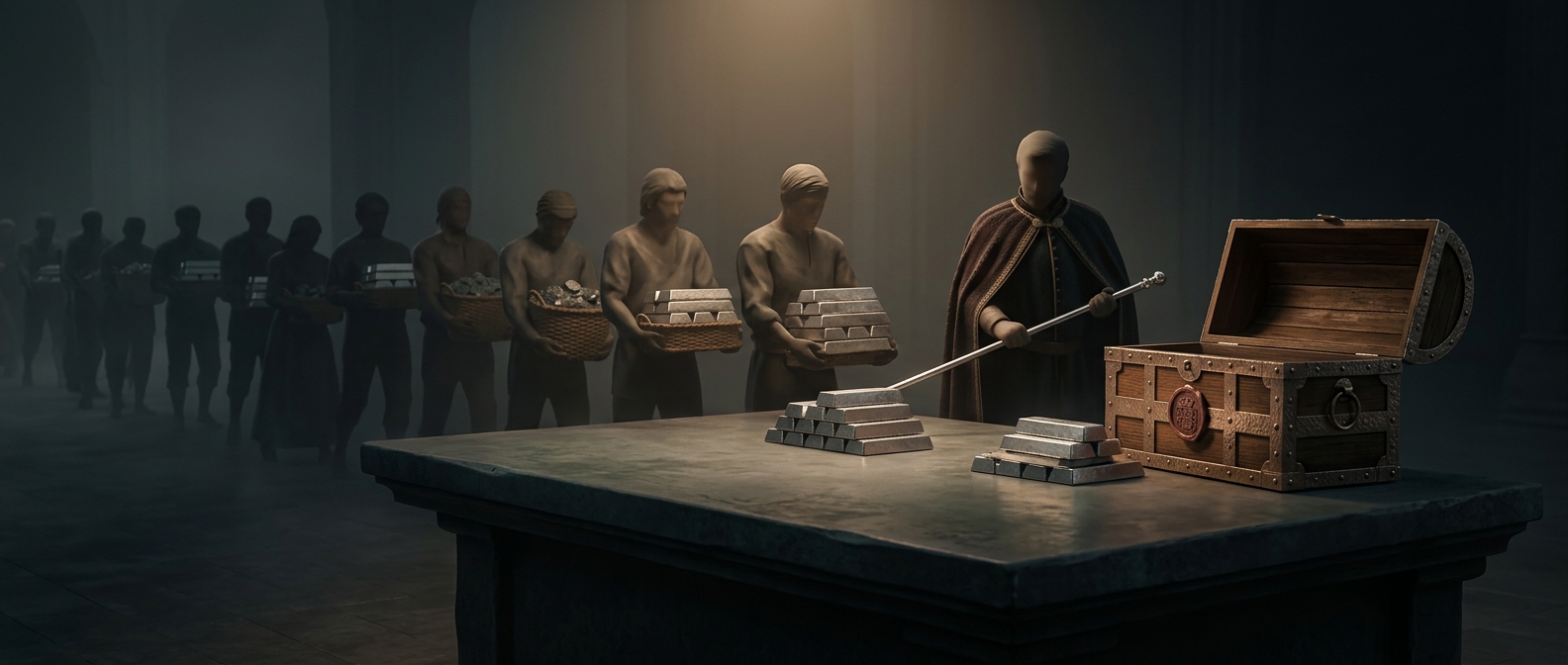
When Spain took a fifth of mined treasure
The Quinto Real gave the Spanish Crown a flat 20% share of precious metals mined in its territories.
Discover more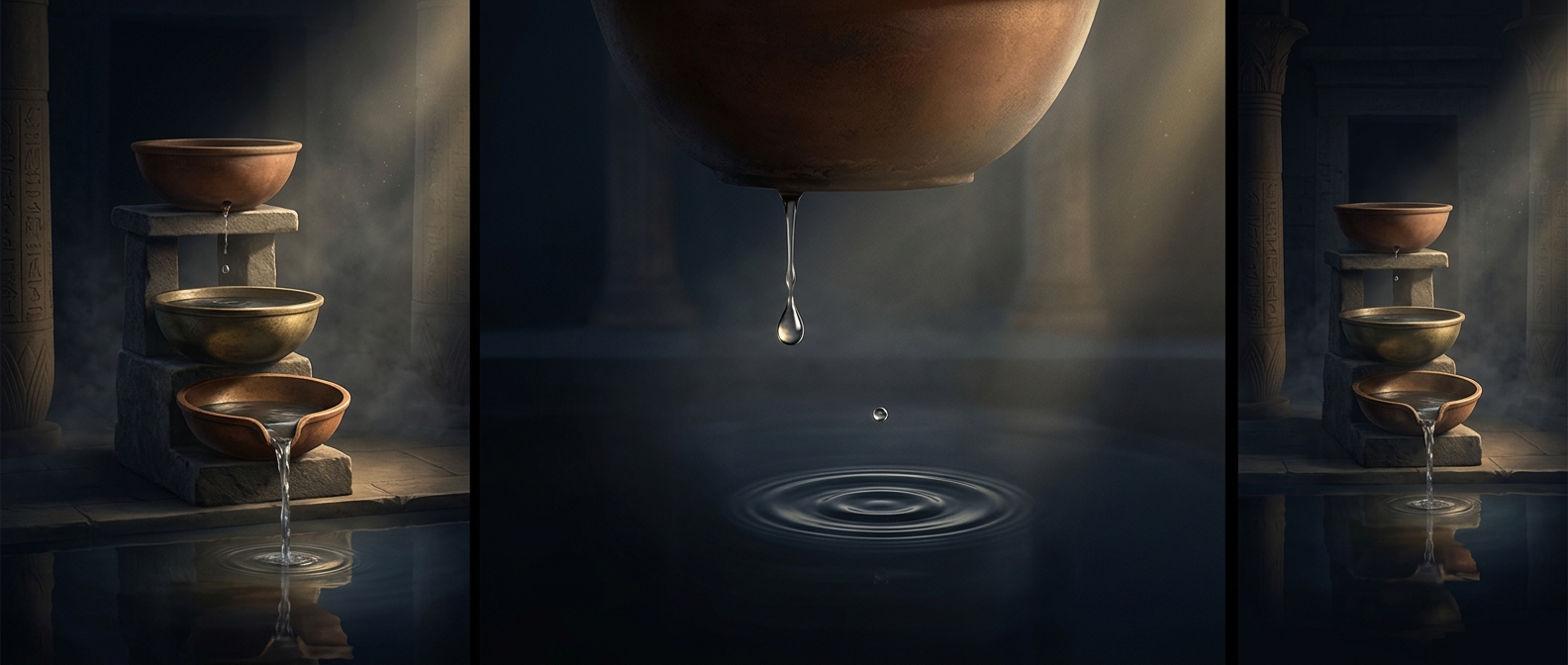
Water clocks were slowly dripping bowls to track hours
As water drained from a marked vessel, its changing level showed how much time had passed. No gears or ticking—just a steady leak turned into a clock.
Discover more
Taft threw a first pitch that became a presidential tradition
At Washington's opening-day game in 1910, William Howard Taft made a ceremonial first pitch. Later presidents followed the example, turning a baseball moment…
Discover more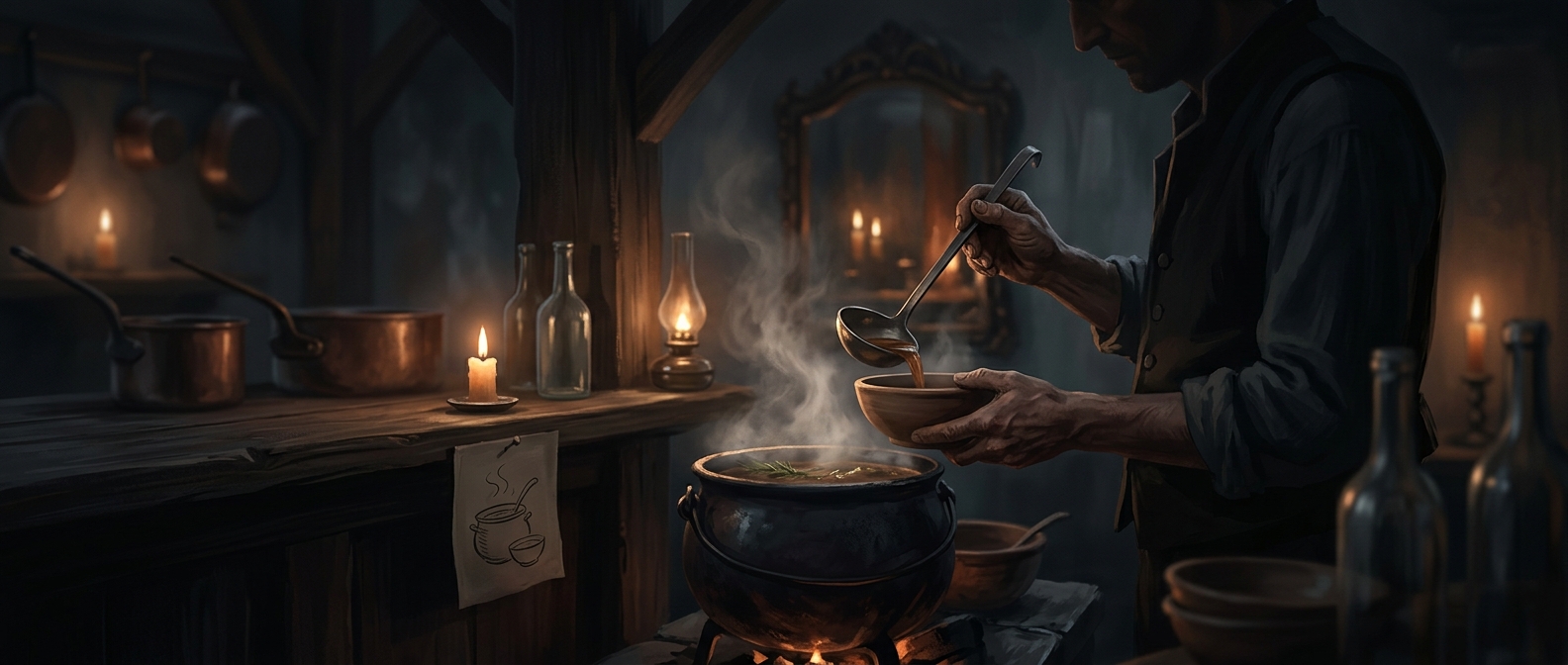
When restaurants prescribed hot meat broth
The idea was food as treatment: a hot meat broth that someone feeling ill could sip when a full meal was too much. These restaurants offered a restorative,…
Discover more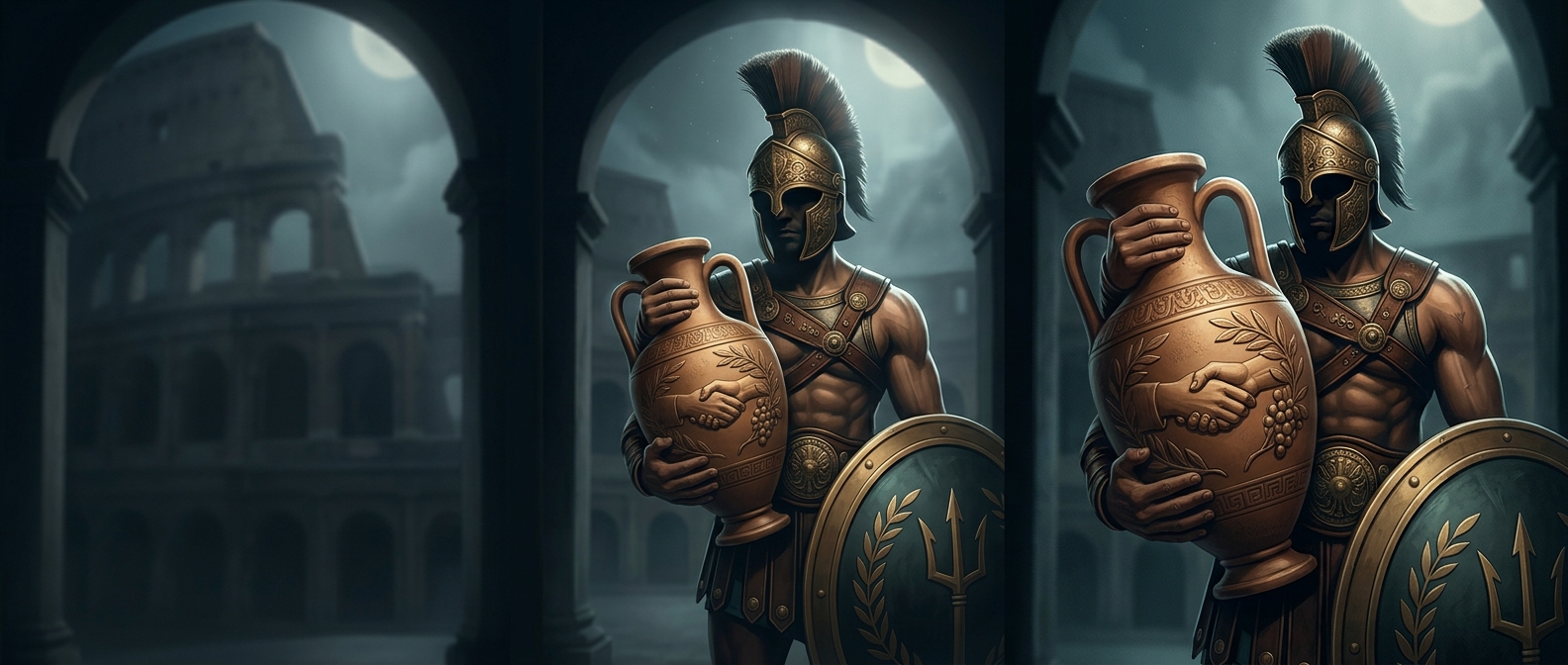
Roman gladiators had sponsors too
A gladiator’s fame could sell olive oil, while his sweat and blood were collected and sold in tiny vials as perfume or aphrodisiacs. Rome had celebrity…
Discover more STACKY FOR IPHONE
A bigger world.
One discovery
at a time.
Keep discovering with Stacky. Interesting facts in an app that is always within reach.

Libraries once shelved books by size
To make shelves look uniform, some early libraries sorted books by height rather than subject. A reader looking for a topic might have to guess whether the…
Discover more
Ancient Greek runners had an event with shields
The hoplitodromos added military equipment to a footrace, including shields and helmets, with greaves used in some periods. Carrying that load changed the…
Discover more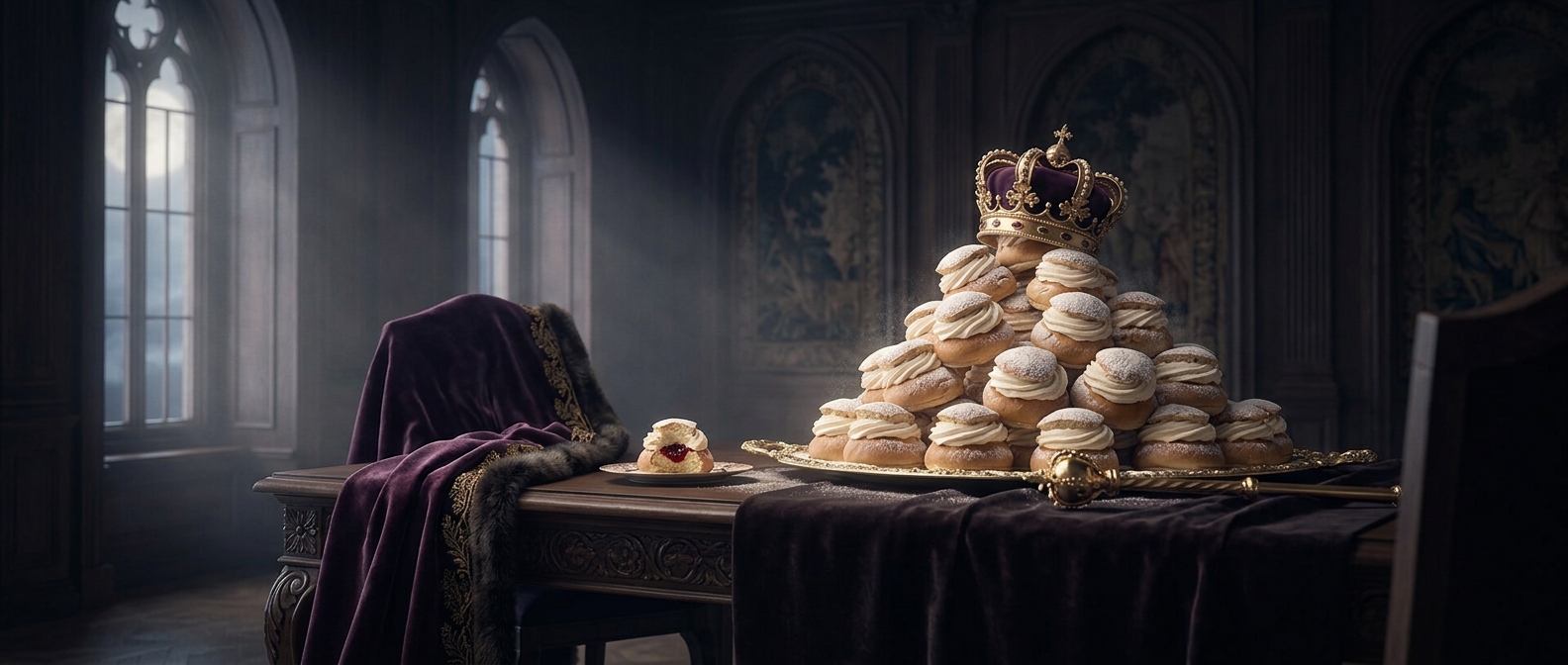
The king who died after 14 semlas
After a meal of lobster, caviar, and champagne, he ate 14 semlas—sweet buns served in hot milk—and died.
Discover more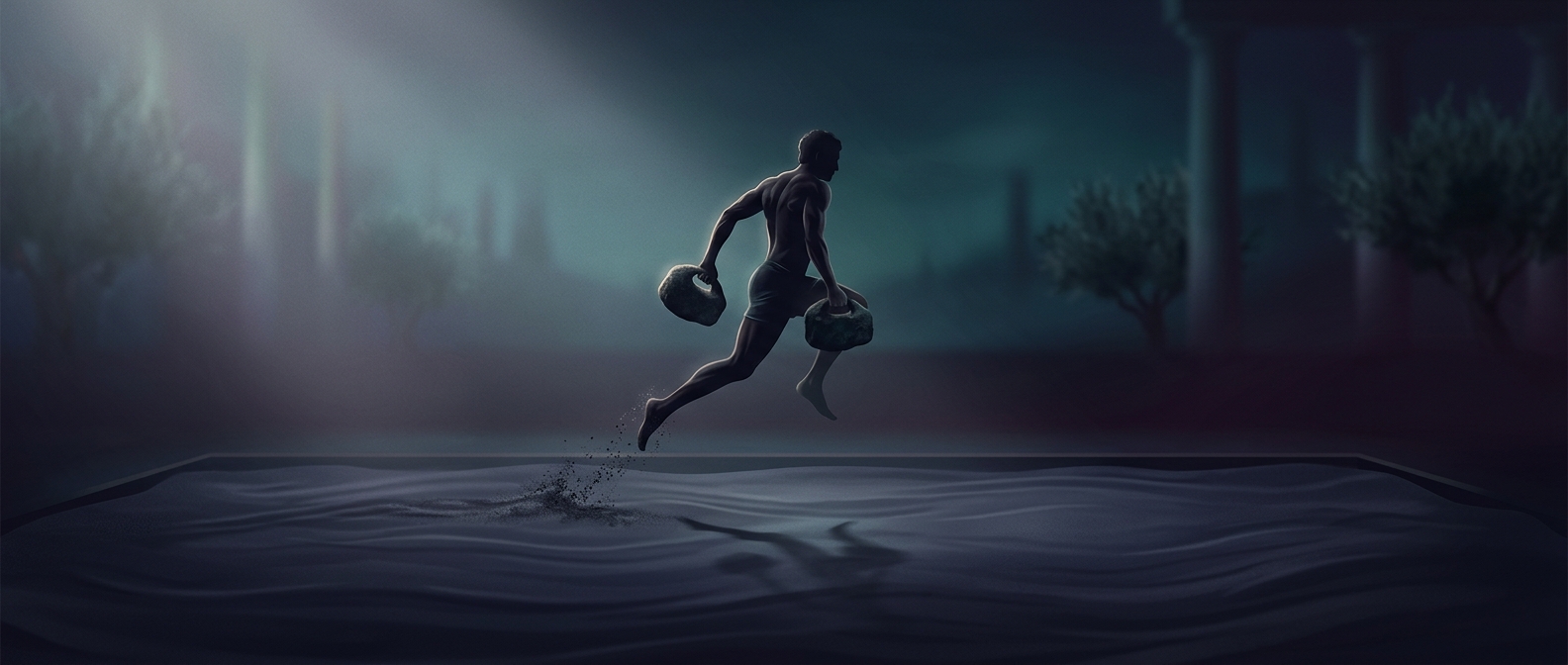
Why ancient Greek jumpers carried heavy weights
Greek athletes swung the stone or lead halteres forward at takeoff and backward before landing, believing the weights could help them jump farther. Ancient…
Discover more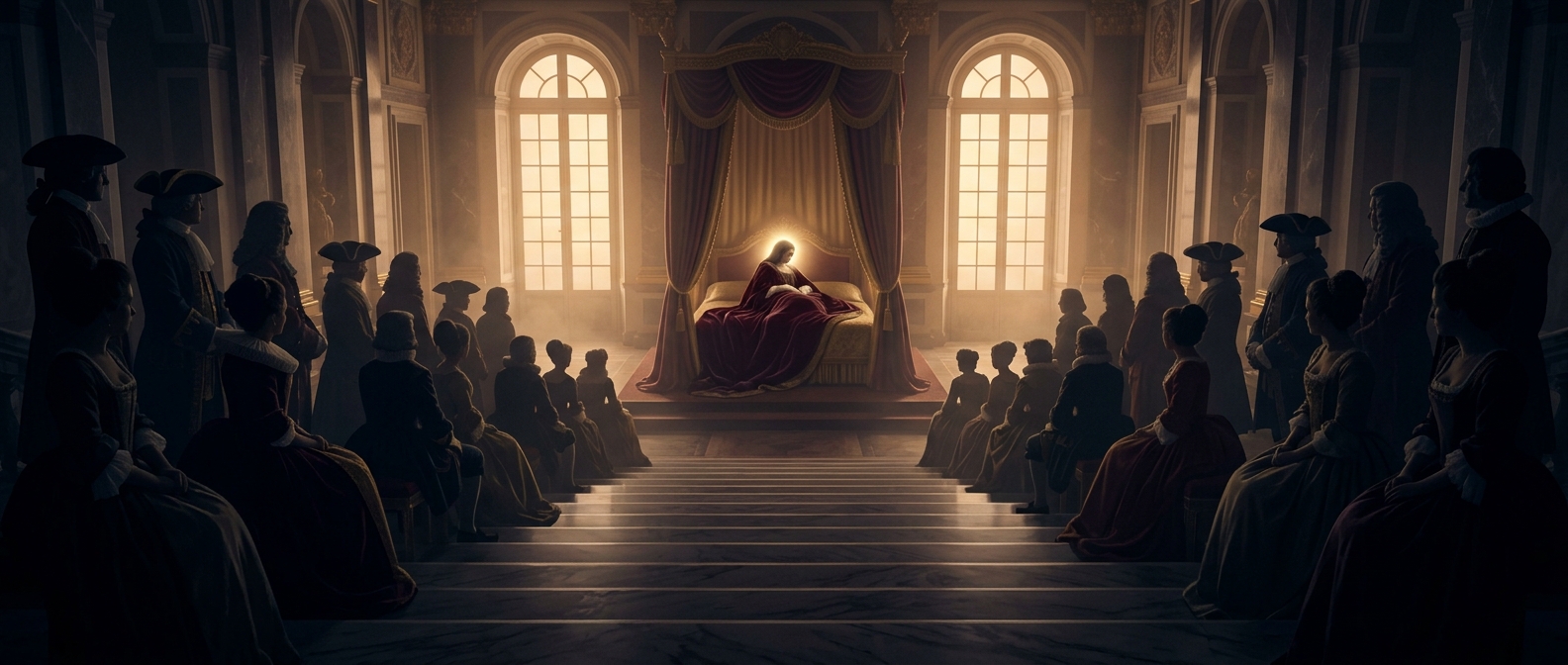
Queens once gave birth before royal witnesses
The witnesses were there to prevent a succession crisis: if the court saw the birth, nobody could claim the baby had been switched. Royal childbirth made…
Discover more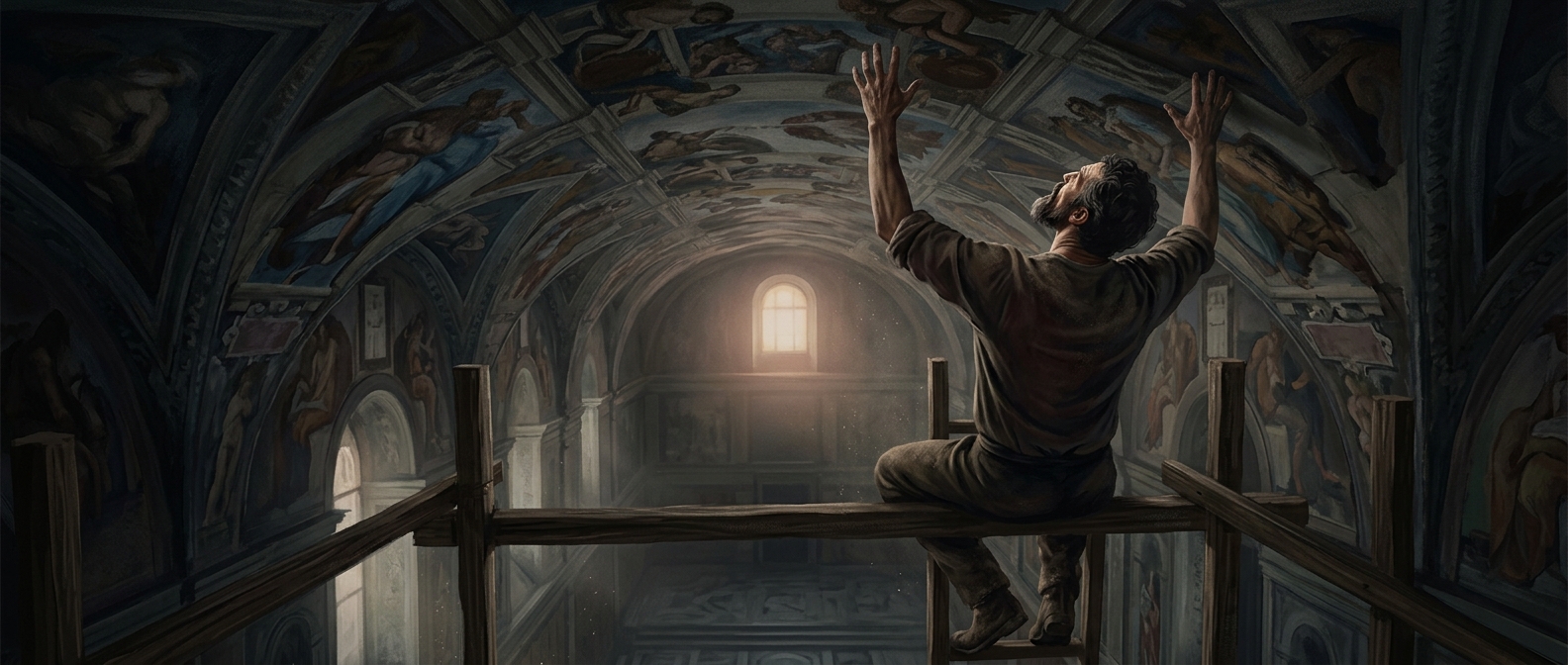
Michelangelo hated painting the Sistine Chapel ceiling
Pope Julius II pushed Michelangelo into years of overhead painting, though Michelangelo considered himself a sculptor. He put his misery into a bitter poem;…
Discover more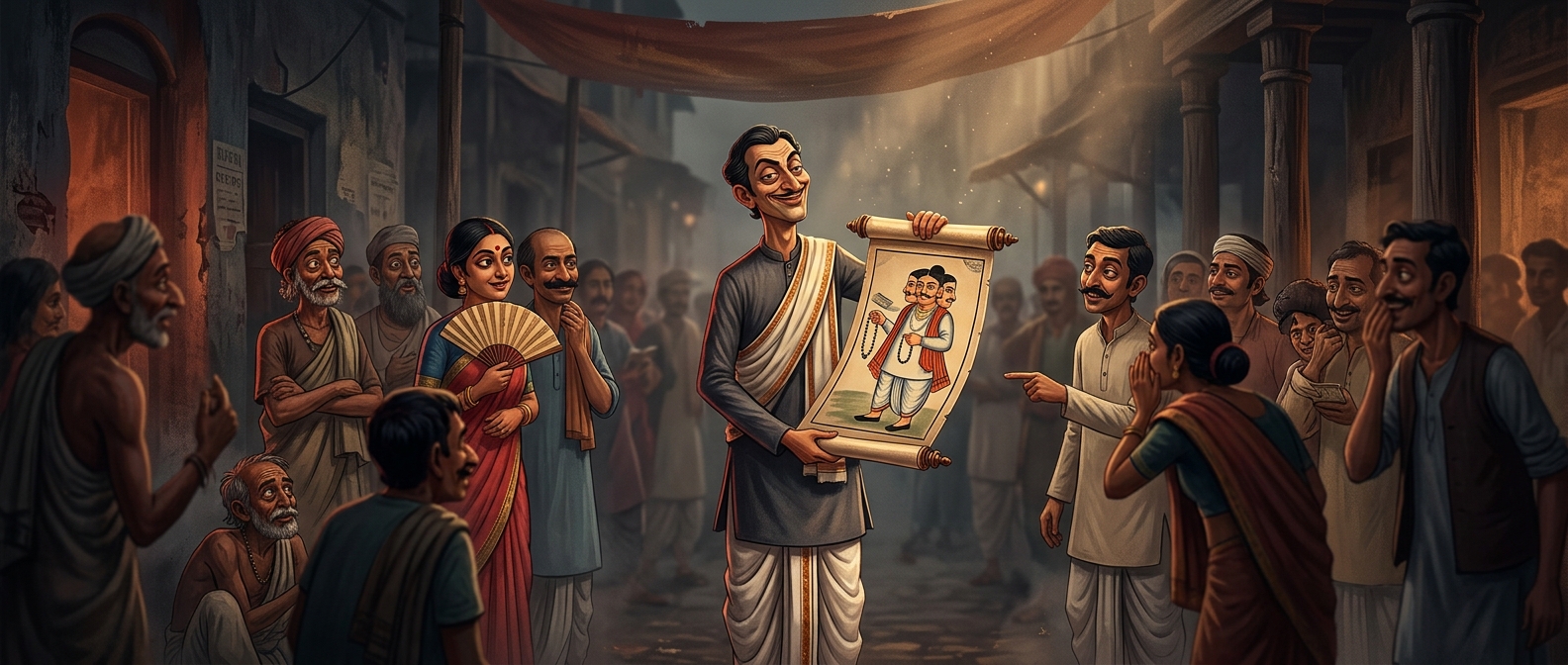
Kalighat scrolls mocked daily life hypocrisy
Kalighat artists made quick, affordable watercolors that turned local gossip into satire. They made social hypocrisy cheap enough to take home.
Discover more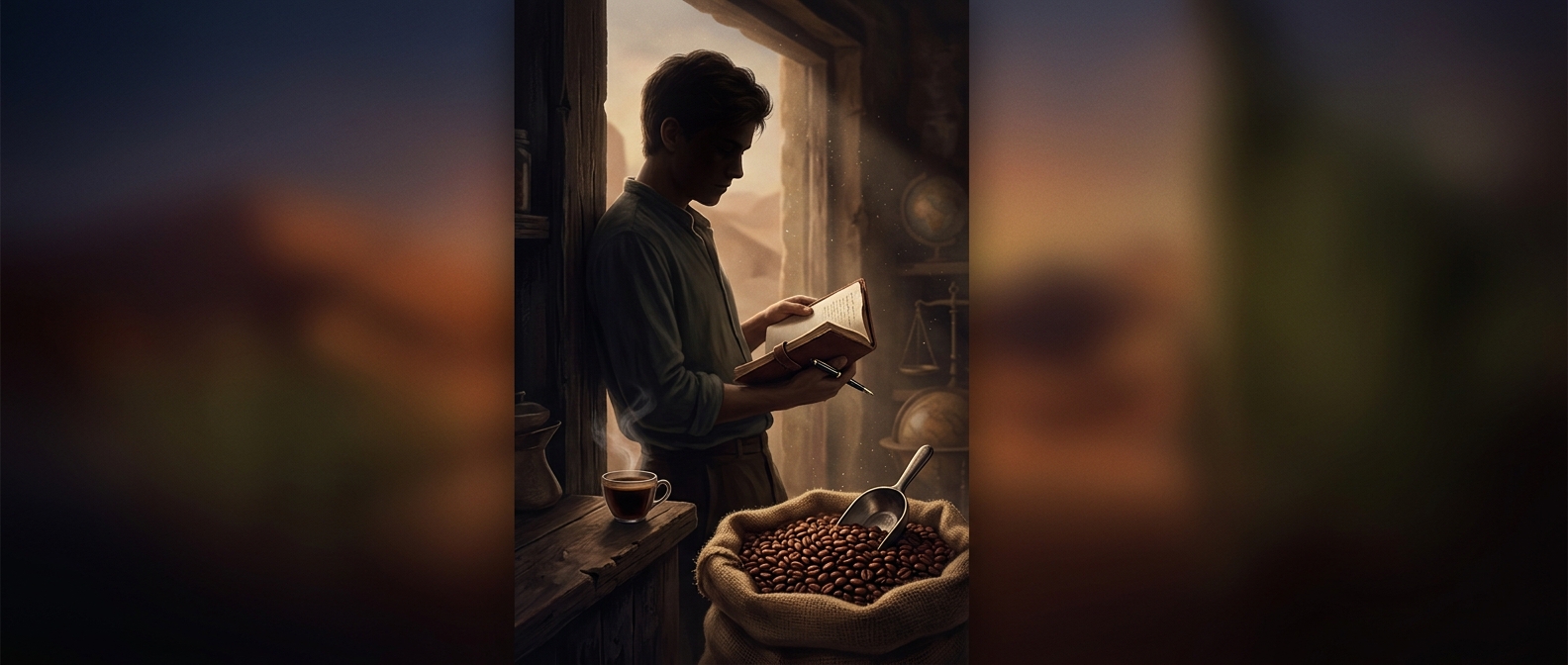
Rimbaud became famous for poetry while trading in Africa
He abandoned poetry as a young man, then traveled widely before working for a coffee trader in 1880. Back in France, others were publishing the poems that…
Discover more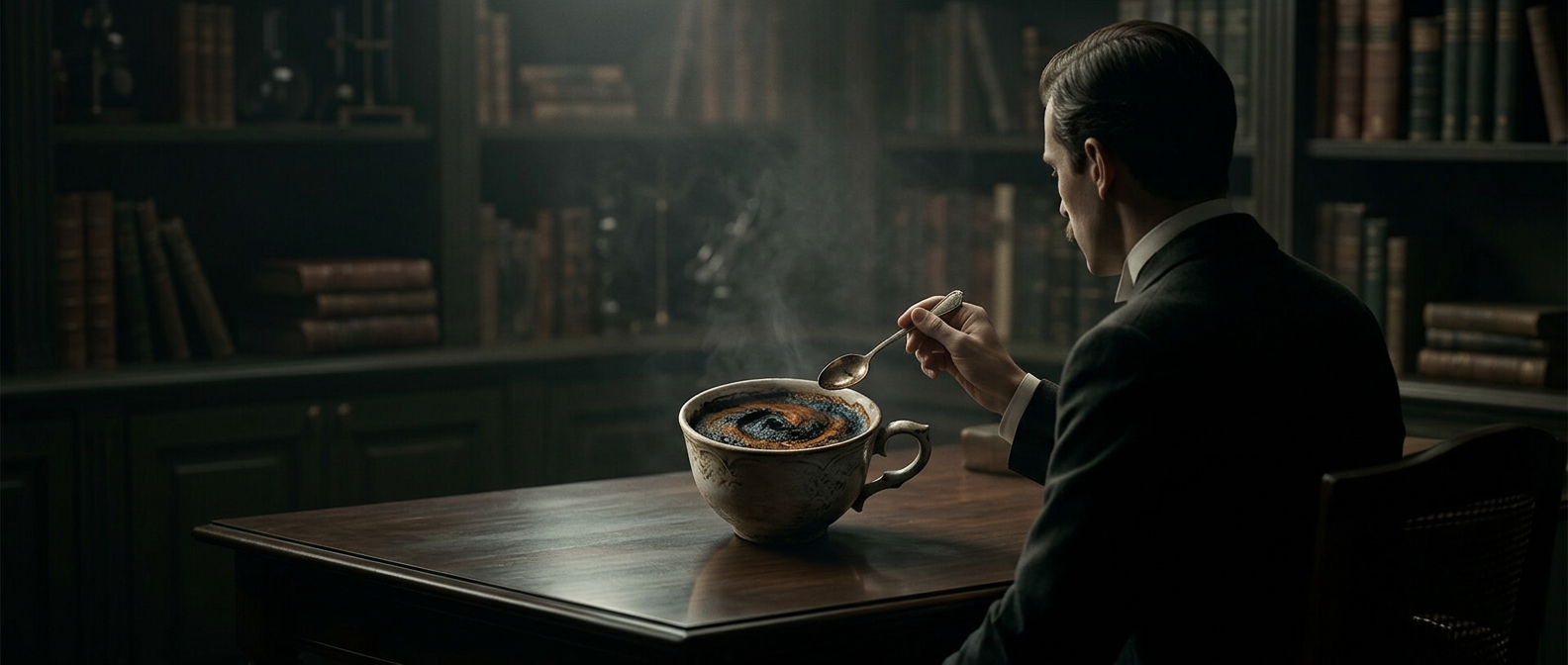
The first instant coffee tasted like burnt sludge
The powder dissolved quickly, which was the point; flavor was apparently not the priority. The first instant coffee tasted burnt and delivered plenty of…
Discover more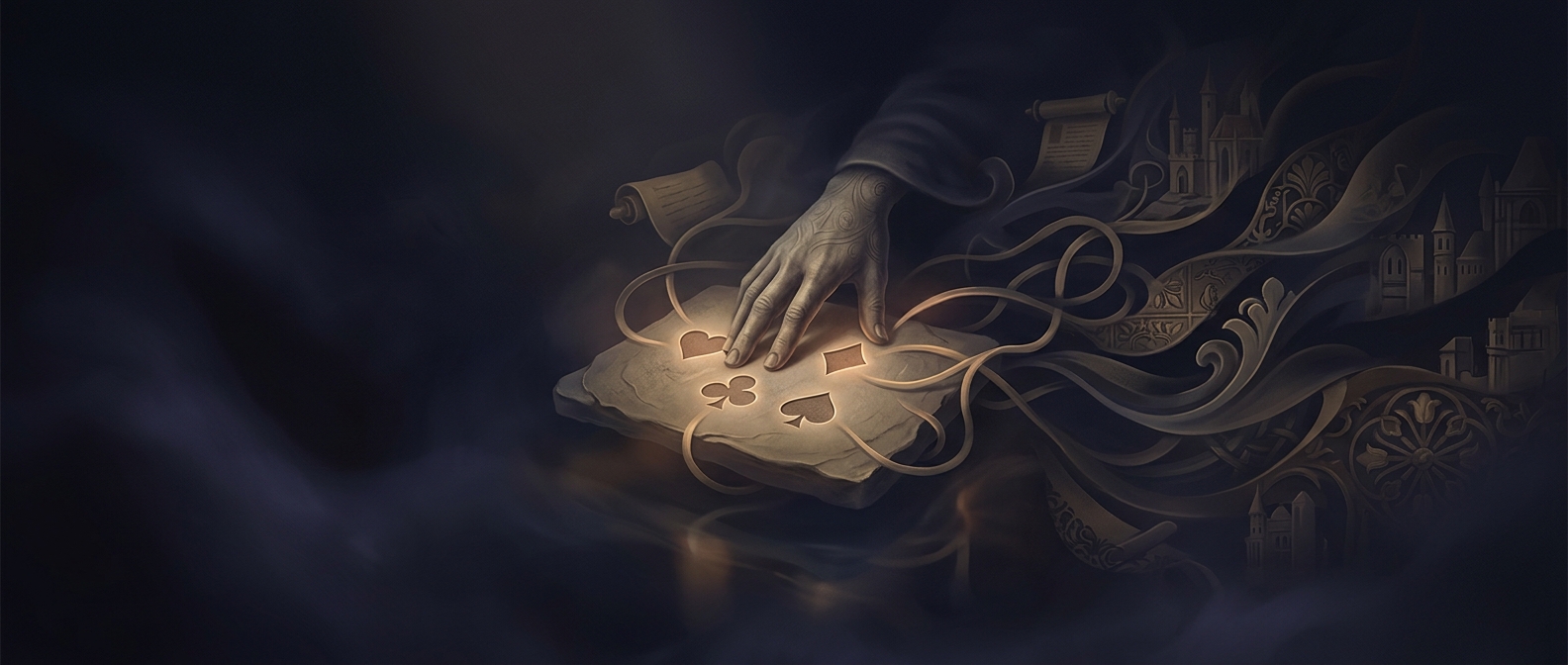
Playing card suits have barely changed in centuries
The four familiar suits—spades, hearts, diamonds, and clubs—were formalized in France in the late 1400s.
Discover more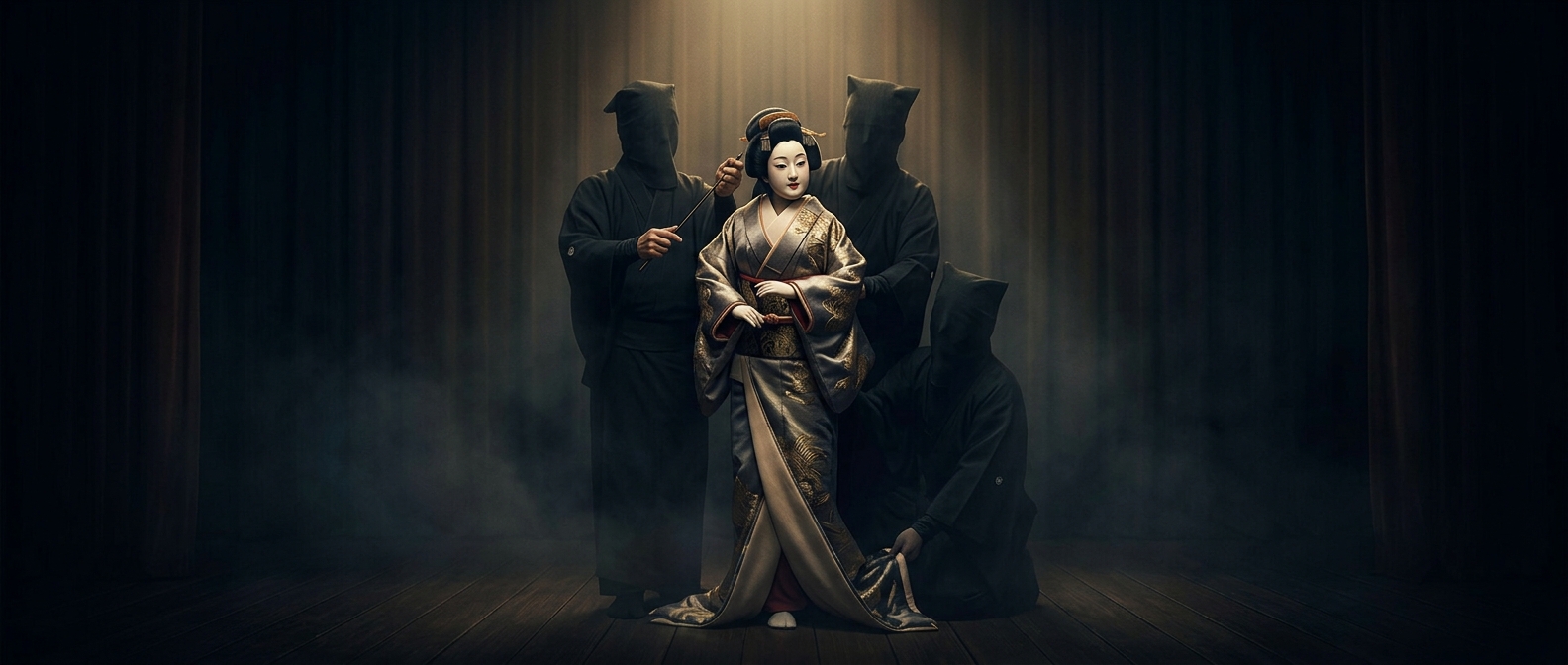
A single bunraku puppet takes three puppeteers
The main puppeteer controls the head and right arm; two others operate the left arm and legs. They train to move as one, so the audience sees a wooden figure…
Discover more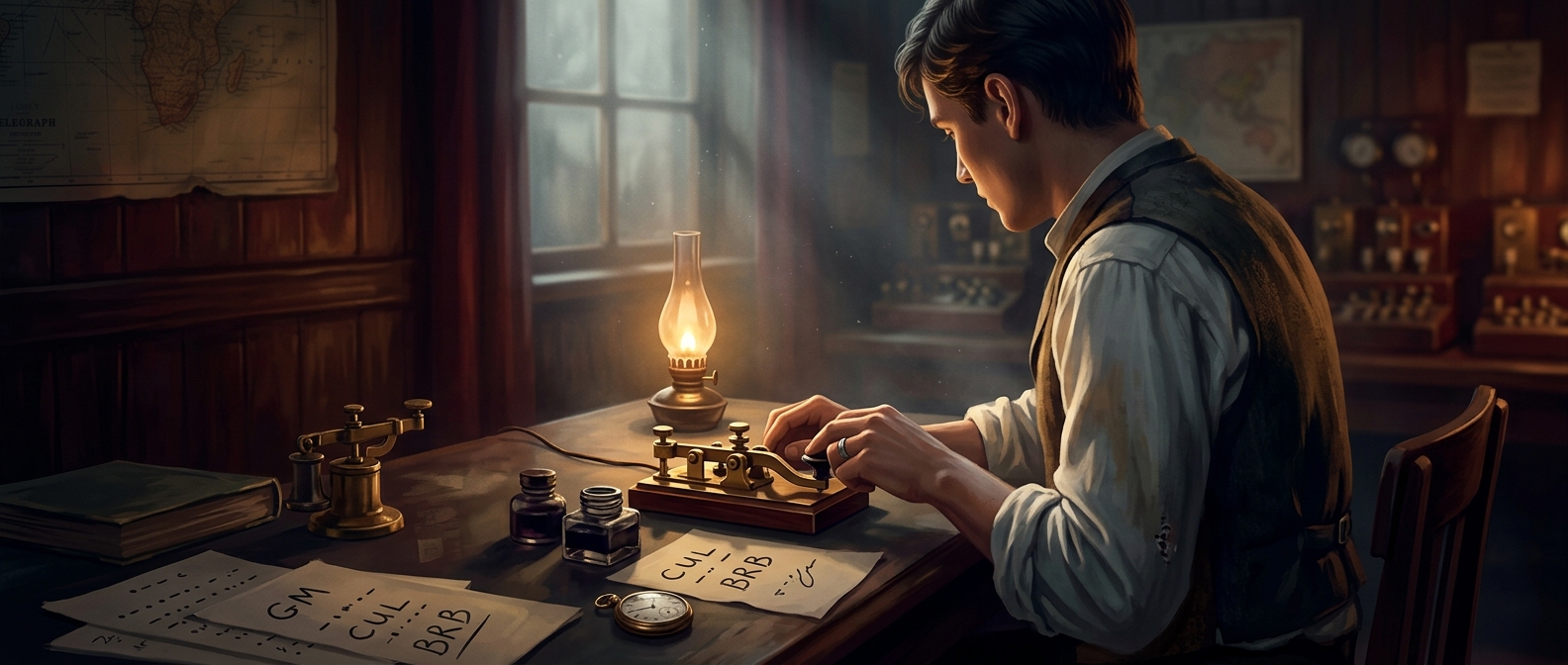
OMG appeared in a letter to Churchill in 1917
Admiral John Fisher used the abbreviation and even explained it as Oh! My God! in his correspondence. That written example predates texting by decades. The…
Discover more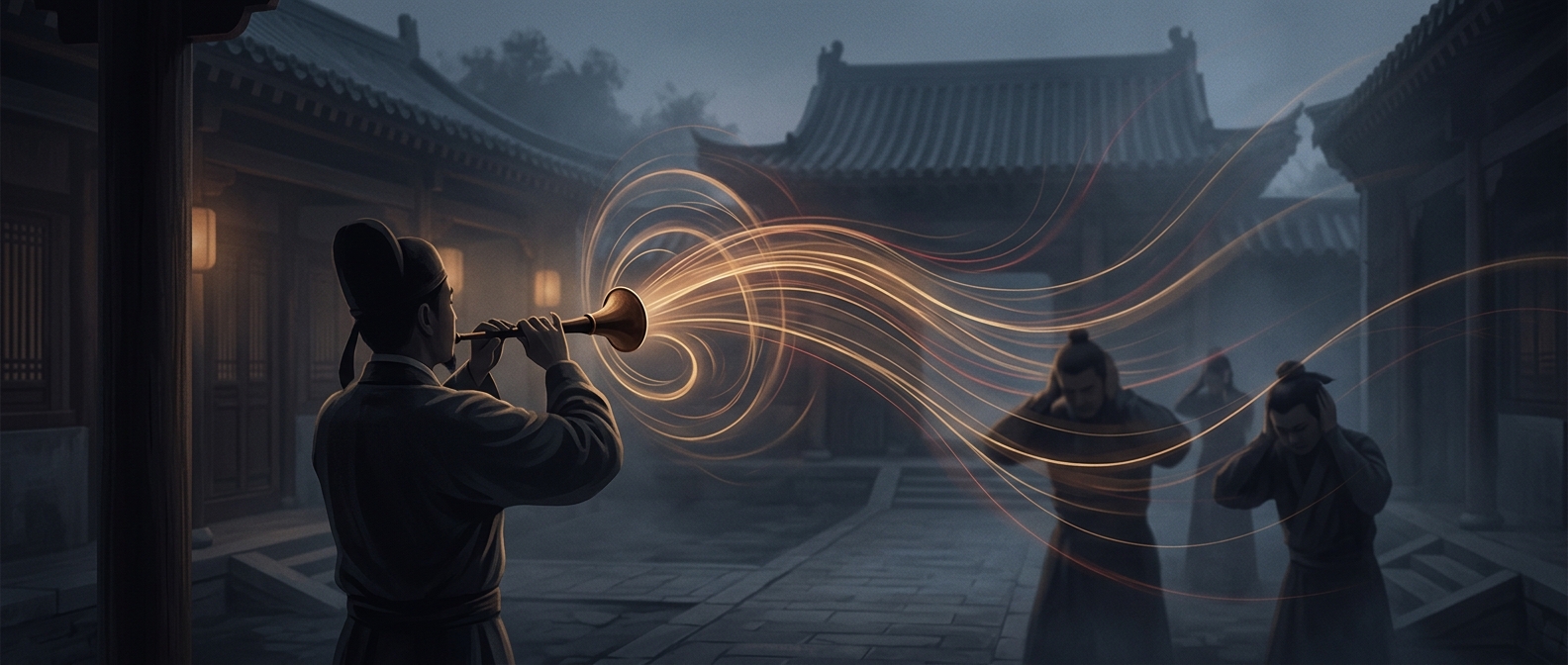
Suona horns blast eardrums at high volumes
The suona’s piercing sound was meant to carry over outdoor crowds, not make a quiet room pleasant. Up close, the instrument’s greatest strength becomes a…
Discover more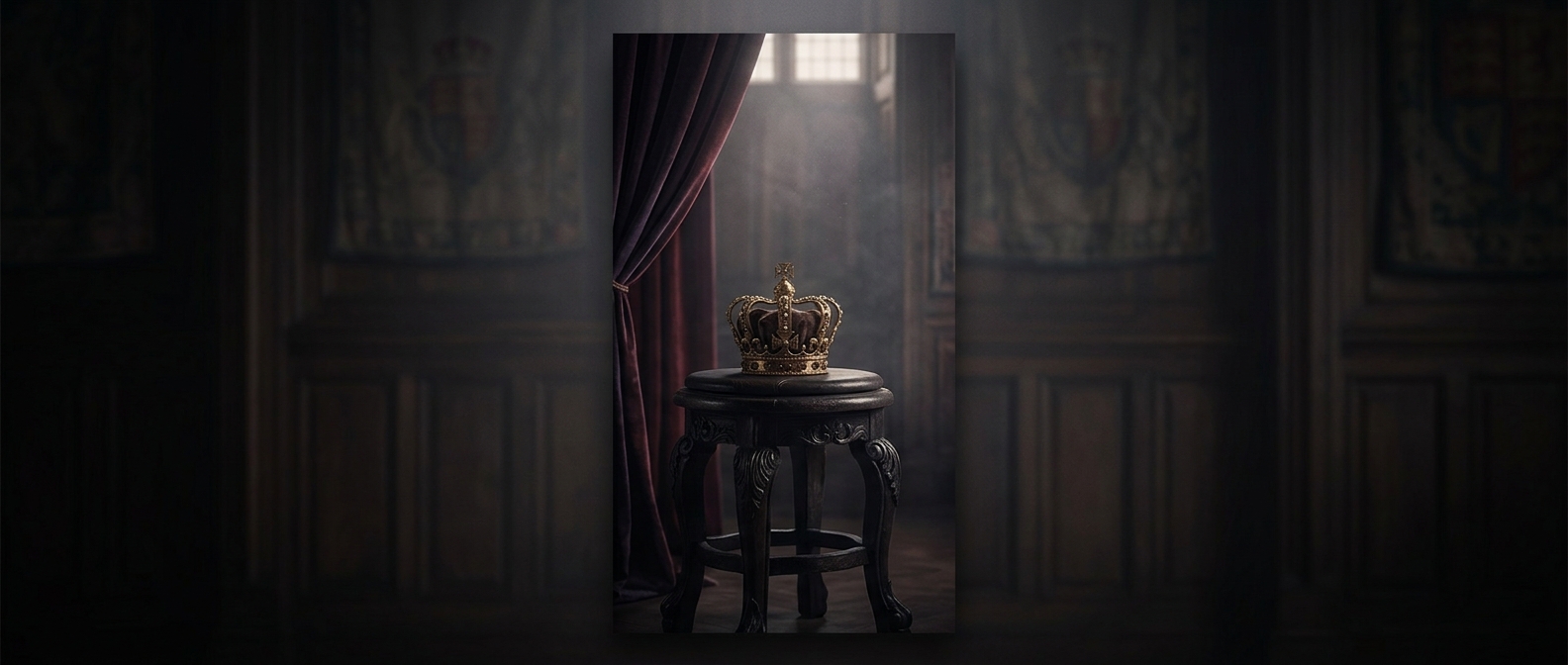
George II's sudden death left an unusually revealing autopsy
The king collapsed in 1760, and physician Frank Nicholls documented serious damage around the heart and aorta. Modern researchers still analyze that report…
Discover more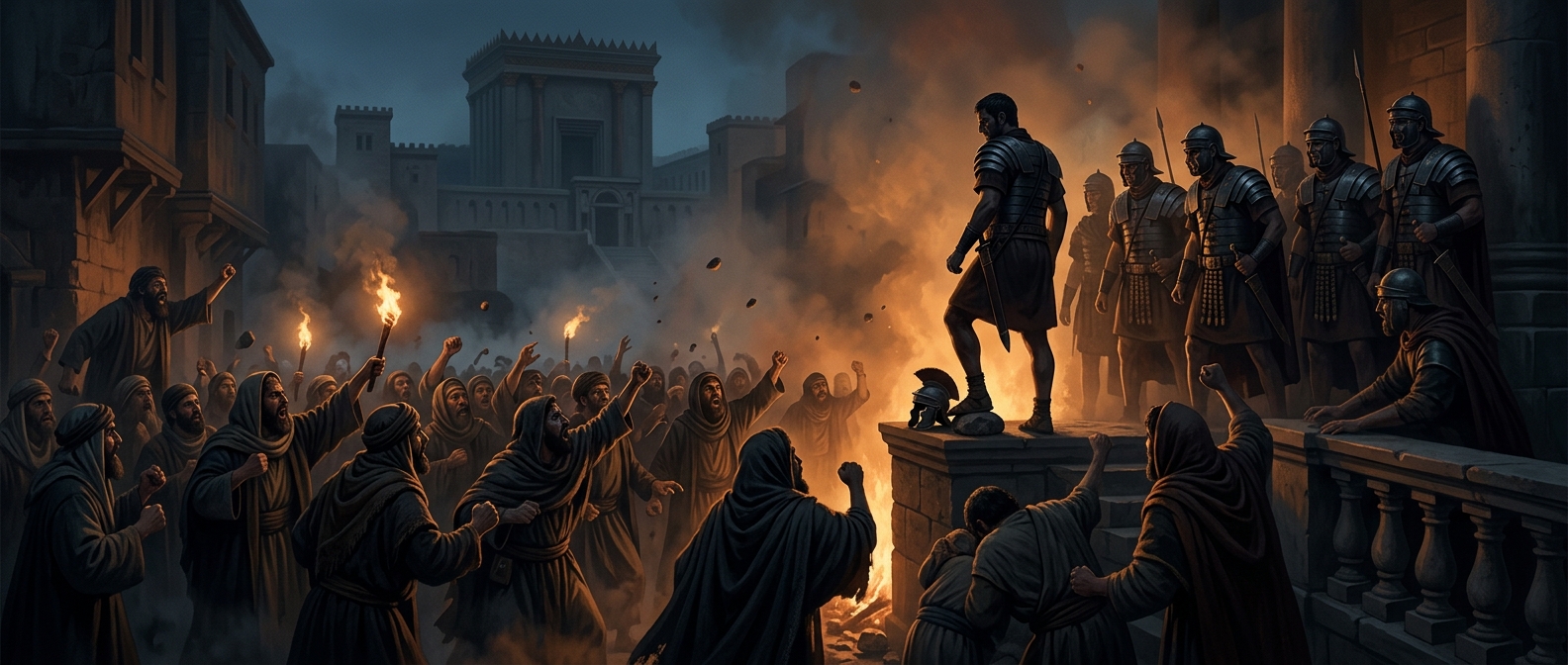
A Roman soldier’s insult ended in a deadly crush
Josephus described a soldier exposing himself to Passover crowds at Jerusalem’s temple during the governorship of Cumanus. The provocation triggered unrest;…
Discover more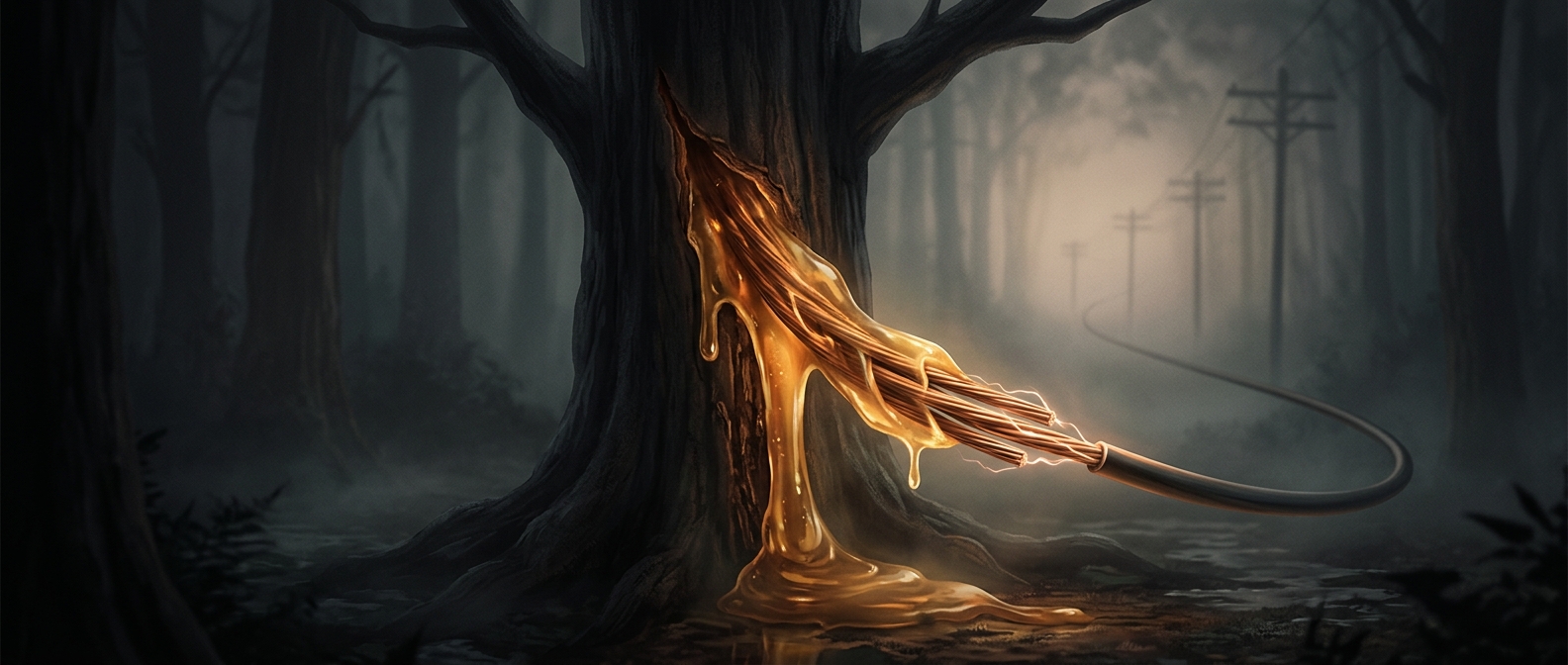
Early telegraph cables were insulated with tree sap
Undersea telegraph wires needed insulation that could keep seawater from short-circuiting them. Gutta-percha, a natural latex from trees, did the job—making…
Discover more
Bills of exchange prevented highway robbery
A bill of exchange let merchants carry a written promise of payment instead of chests of gold, reducing what robbers could steal on the road.
Discover more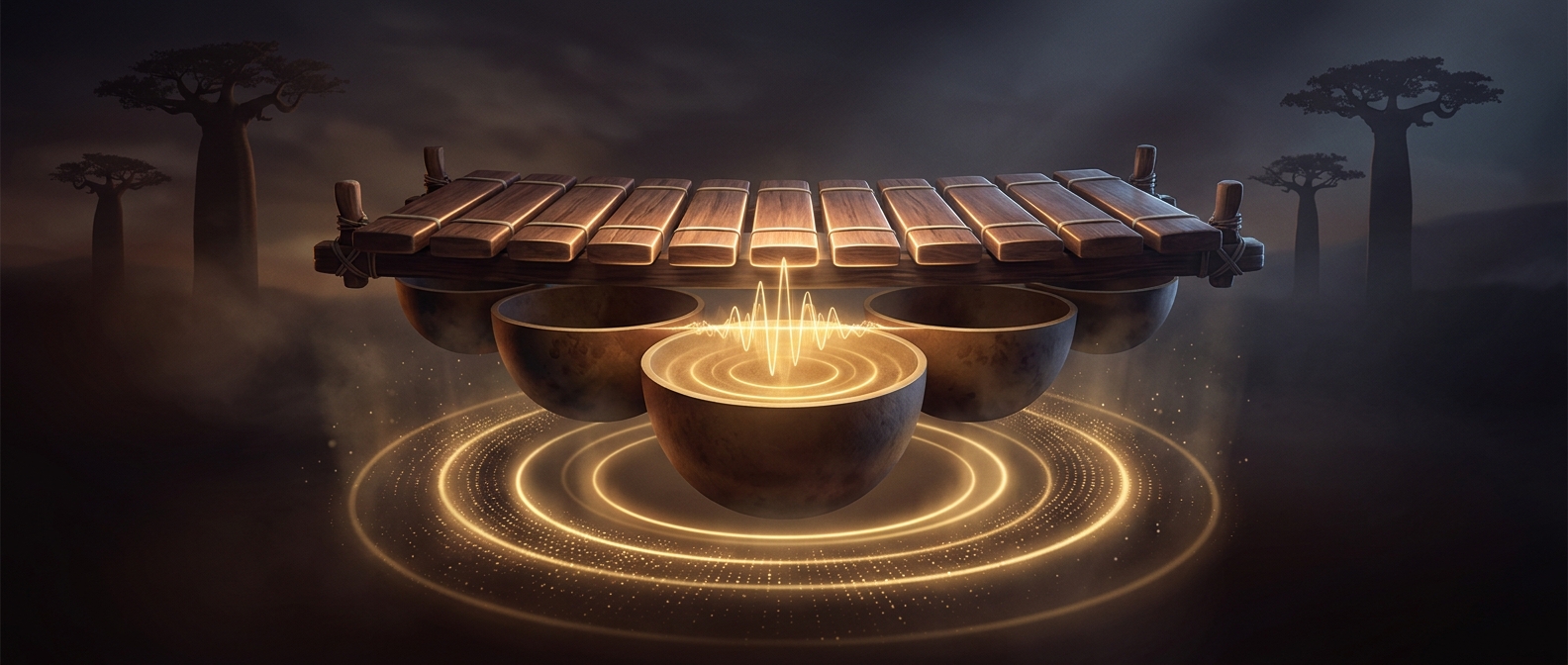
Balafon gourds amplify wooden key vibrations
Hollow gourds beneath the wooden keys amplify their vibrations and add a buzzing resonance, helping the balafon carry over surrounding noise.
Discover more