Why the Suona Cuts Through the Crowd
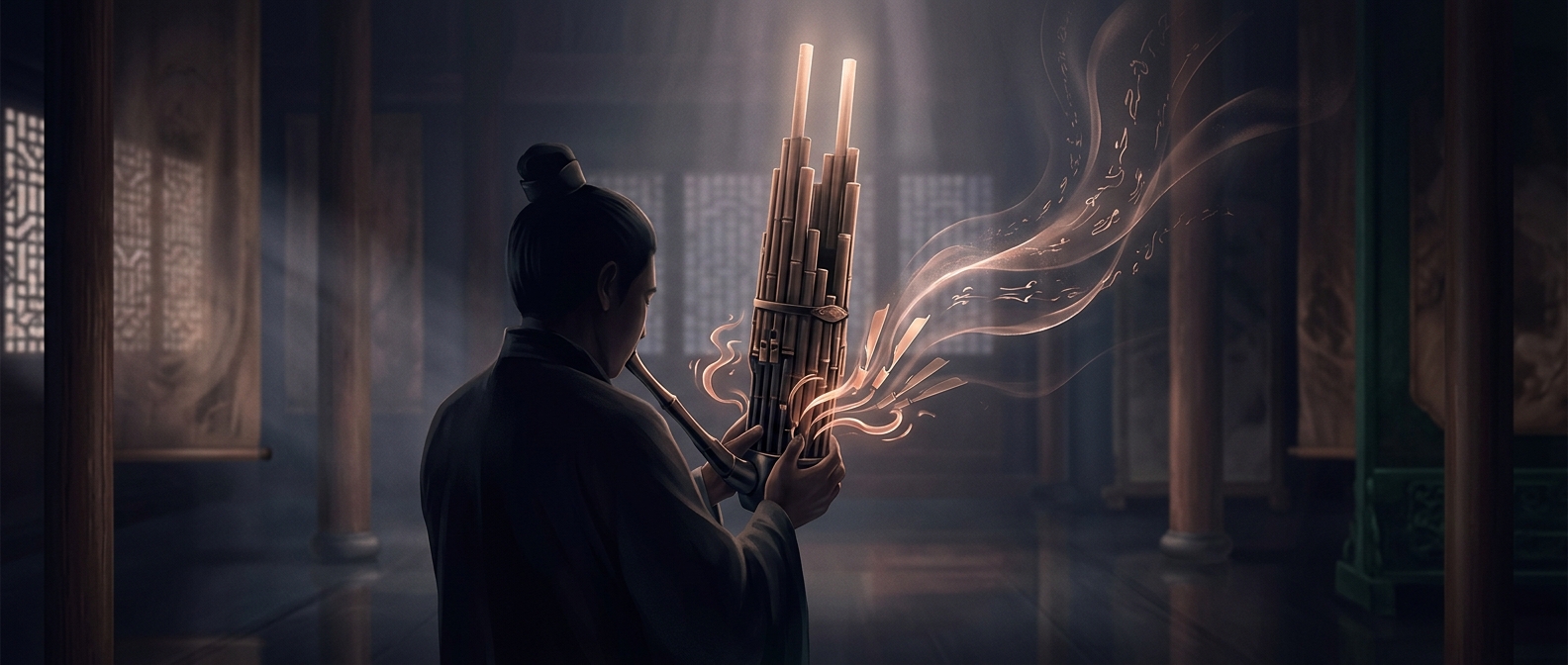
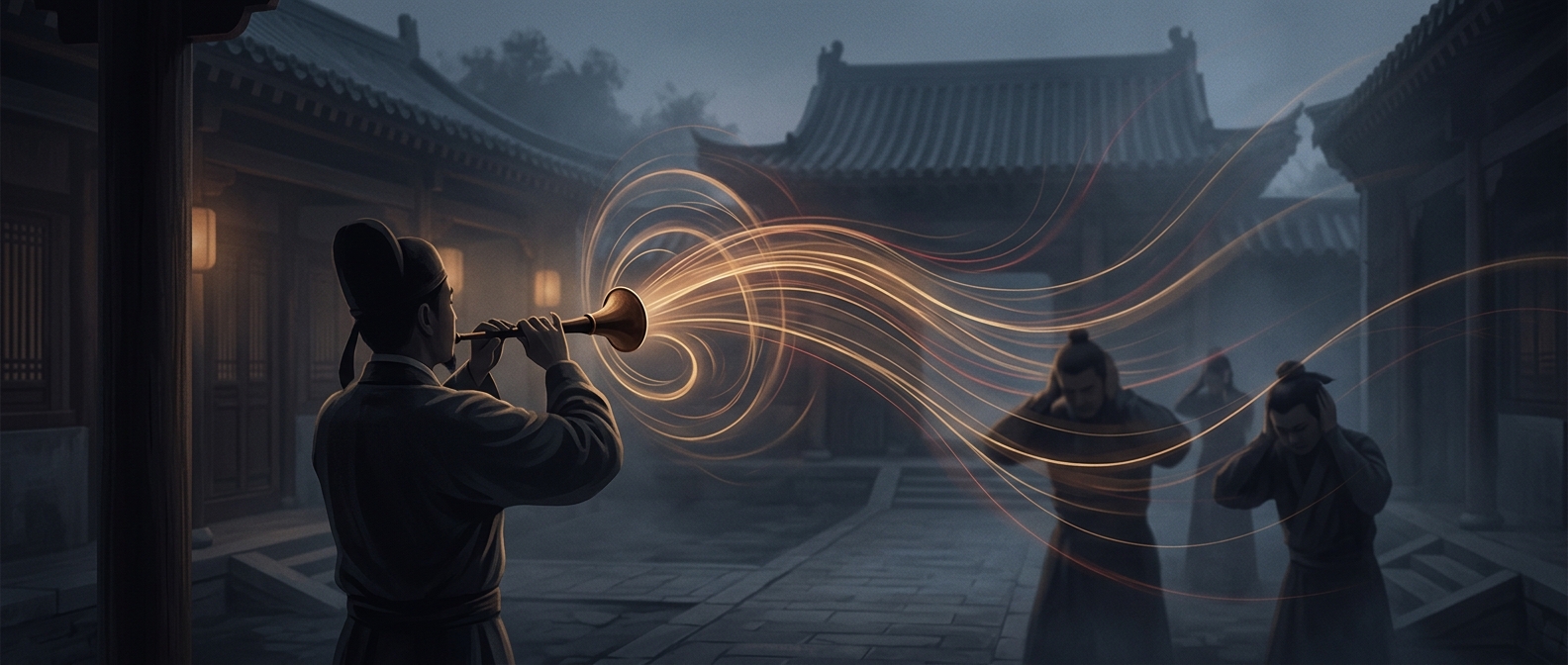
The suona is a Chinese double-reed instrument: two thin pieces of reed vibrate against each other as the player blows, setting the air inside the instrument in motion. Its widening, cone-shaped body and flared bell help project that sound outward. The result is a bright, sharply edged tone that can remain audible amid movement, voices, and drums—qualities that matter more in an open-air procession than in a small room.
A Sound Built for Public Occasions
In traditional Chinese music, suona players have accompanied outdoor ceremonies and local festivities, where the instrument’s forceful voice can announce a musical moment across a gathering. It can also blend with percussion, whose steady, emphatic beats would easily bury a softer melody. The suona’s job is not simply to be loud: its piercing tone gives the music a clear lead that listeners can pick out even when several sounds compete.
That design has a tradeoff. Indoors, walls and ceilings reflect the sound back toward the listener instead of letting it disperse into open space. At close range, the same concentrated brightness that helps the suona carry can feel overwhelming. Its volume makes sense in the setting it was built to serve: a sound meant to reach a crowd, not to whisper beside one listener.