A title that made court protocol absurd
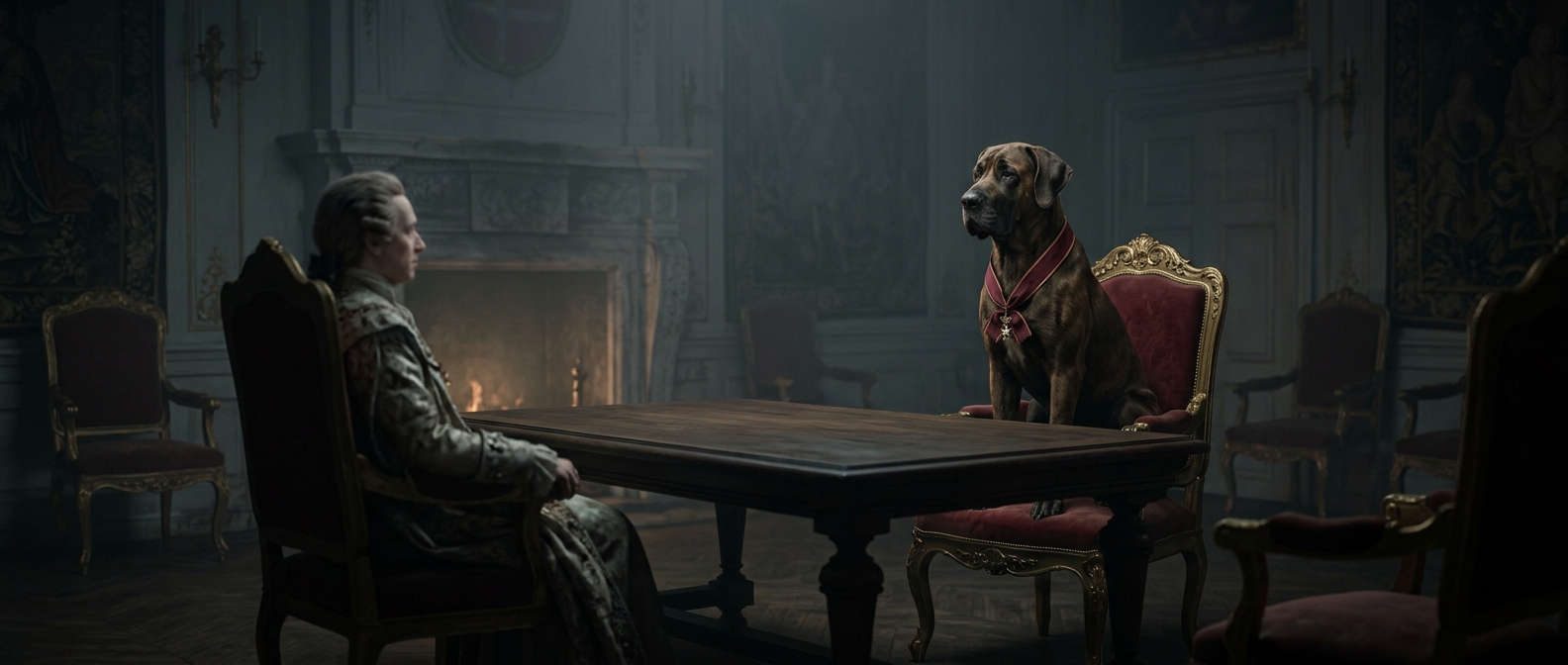
Gourmand’s appointment worked because royal courts treated titles as more than labels. An official rank placed its holder inside a carefully ordered world of precedence: who stood where, who addressed whom first, and who was owed a formal greeting. By assigning his Great Dane a state title, the Danish king brought the dog into that hierarchy—at least for purposes of ceremony.
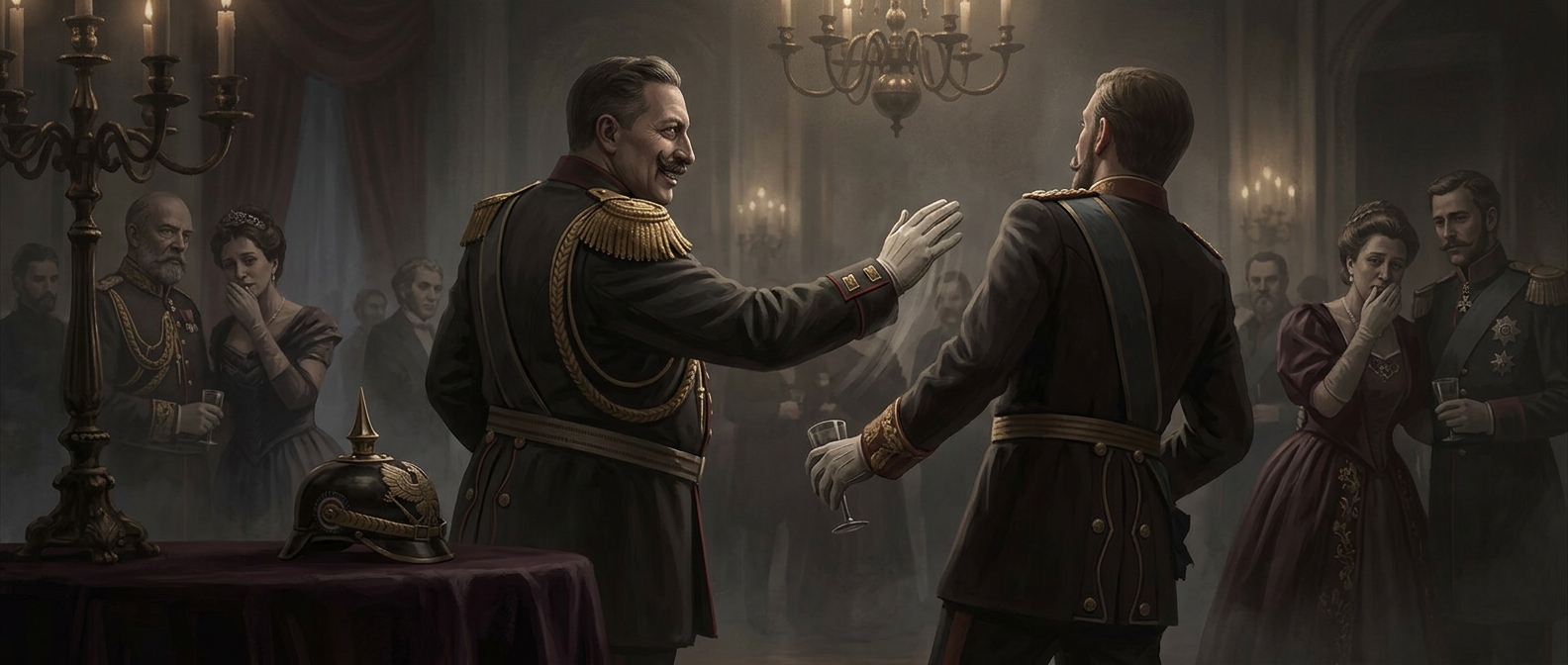
The courtiers’ bows supplied the joke’s force. They were not responding to Gourmand’s authority over government; they were following the rules attached to the king’s designation. Refusing the gesture could look like refusing the sovereign’s command, while carrying it out meant treating a dog with the deference normally reserved for an important person.
Royal power, expressed as a prank
The episode turns on the difference between having a title and exercising an office. A state official ordinarily has duties and responsibilities. Gourmand’s title, as the story is told, made him a ceremonial figure instead. The king could manipulate the court’s rituals without changing how the state was run.
That is what made the gesture more than a private joke. The courtiers’ bows made the king’s authority visible—and made their obedience look ridiculous. Gourmand needed no political skill; the human officials supplied the solemnity themselves, one formal bow at a time.