The clues Poe left behind
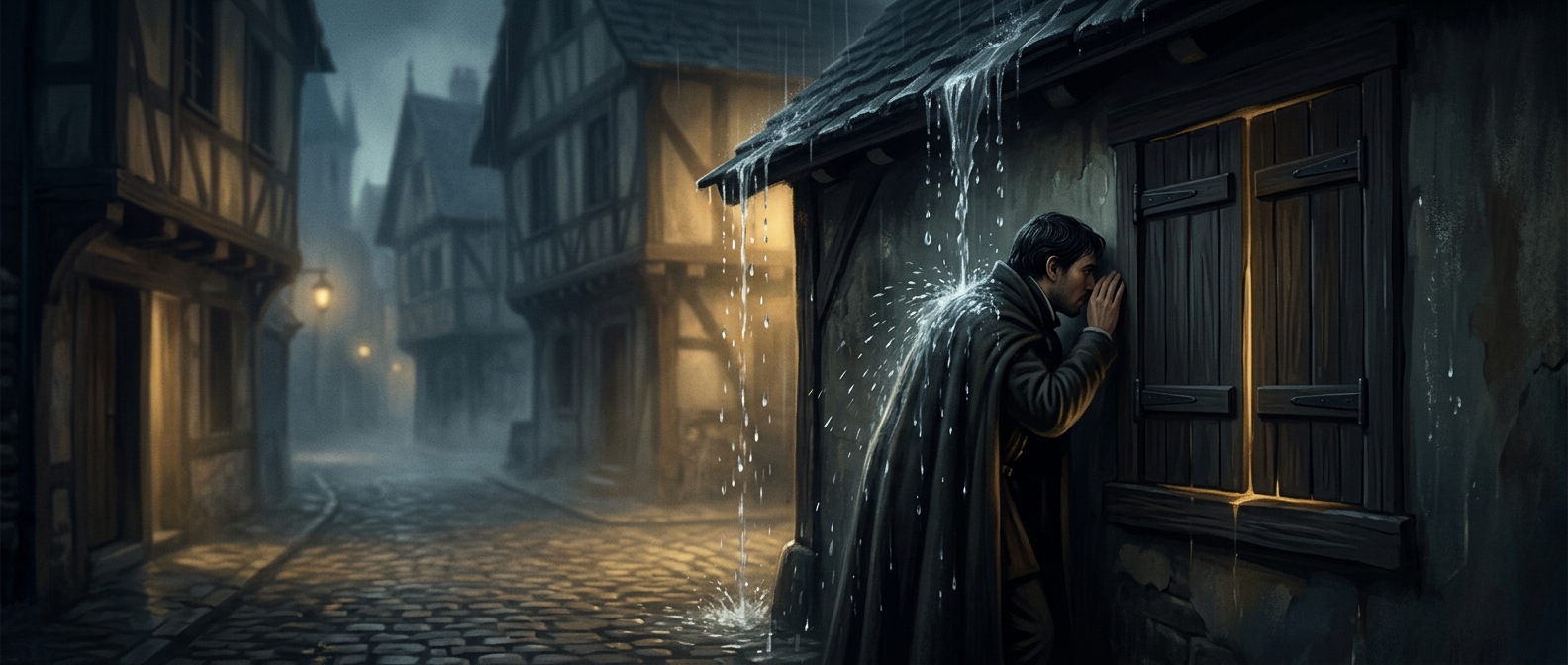
On October 3, 1849, a passerby found Edgar Allan Poe outside a Baltimore tavern used as a polling place. Poe was gravely ill and unable to give a clear account of himself. He was taken to a hospital, where he died four days later. The clothes he wore were reported to be shabby and unlike his usual dress; accounts also described them as ill-fitting and possibly not his own.
That detail invites a detective’s question: who dressed Poe, and why? But a clue is useful only if it can be checked against reliable evidence. Poe left no coherent explanation, and the surviving accounts do not establish how he came to be wearing those clothes.
Why the leading theory remains a theory
One proposed explanation links Poe’s condition to “cooping,” a form of political fraud in which people were abducted, disguised, and made to vote repeatedly. The polling-place setting and strange clothing make the idea tempting. They do not, by themselves, prove that it happened to Poe. No surviving evidence definitively connects him to such a scheme.
Nor did his death yield a clear medical answer. The records needed to identify a cause are incomplete, and later explanations have relied heavily on uncertain reports rather than a decisive account of his final illness. The odd clothes are therefore not a solved code; they are one fragment in a case with too little dependable evidence to close it.
Poe had helped make the detective story a literary form built on careful inference. His own death offers the opposite lesson: a compelling explanation is not the same as a proven one.