History
Discover facts about history. Small discoveries that change the way you see familiar things.
History
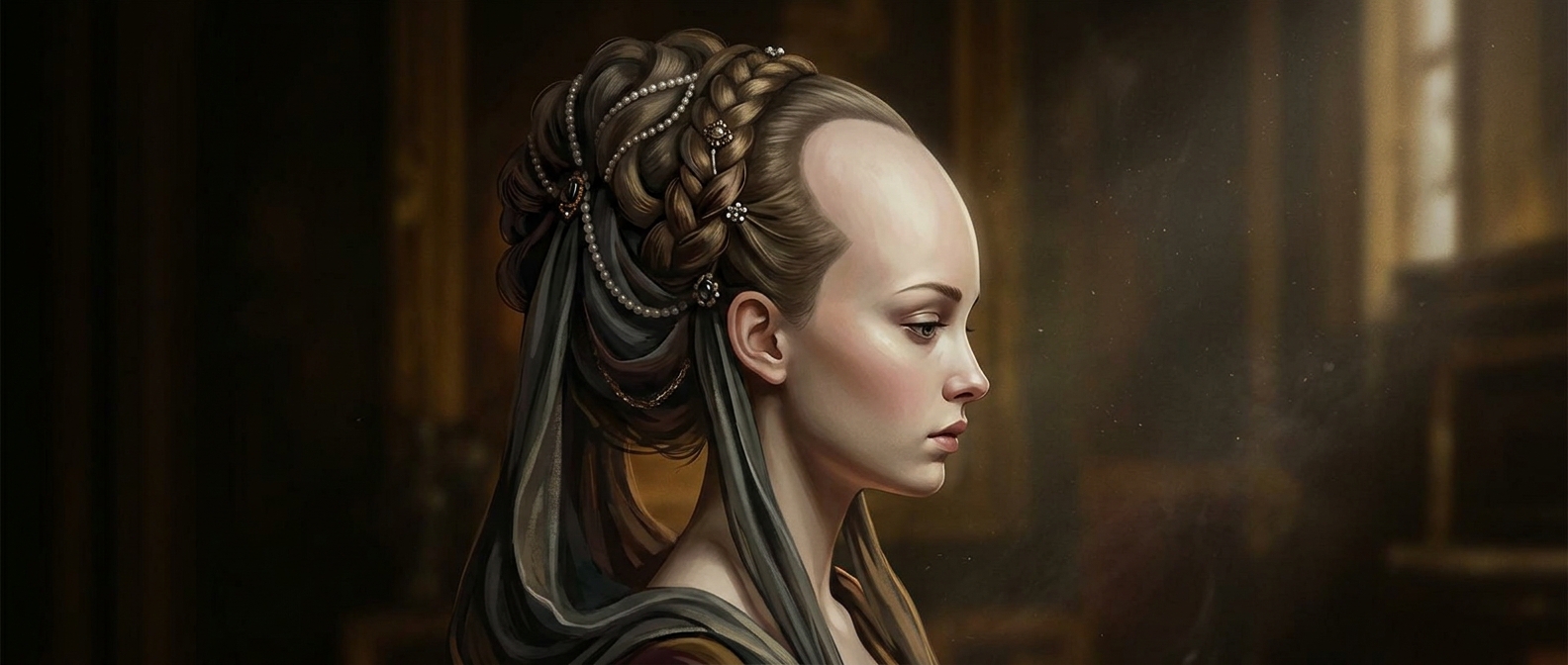
When a high forehead was the height of fashion
Some 15th-century European women tweezed their hairlines and shaved their eyebrows to create a higher forehead, a look associated with aristocratic beauty.…
Discover more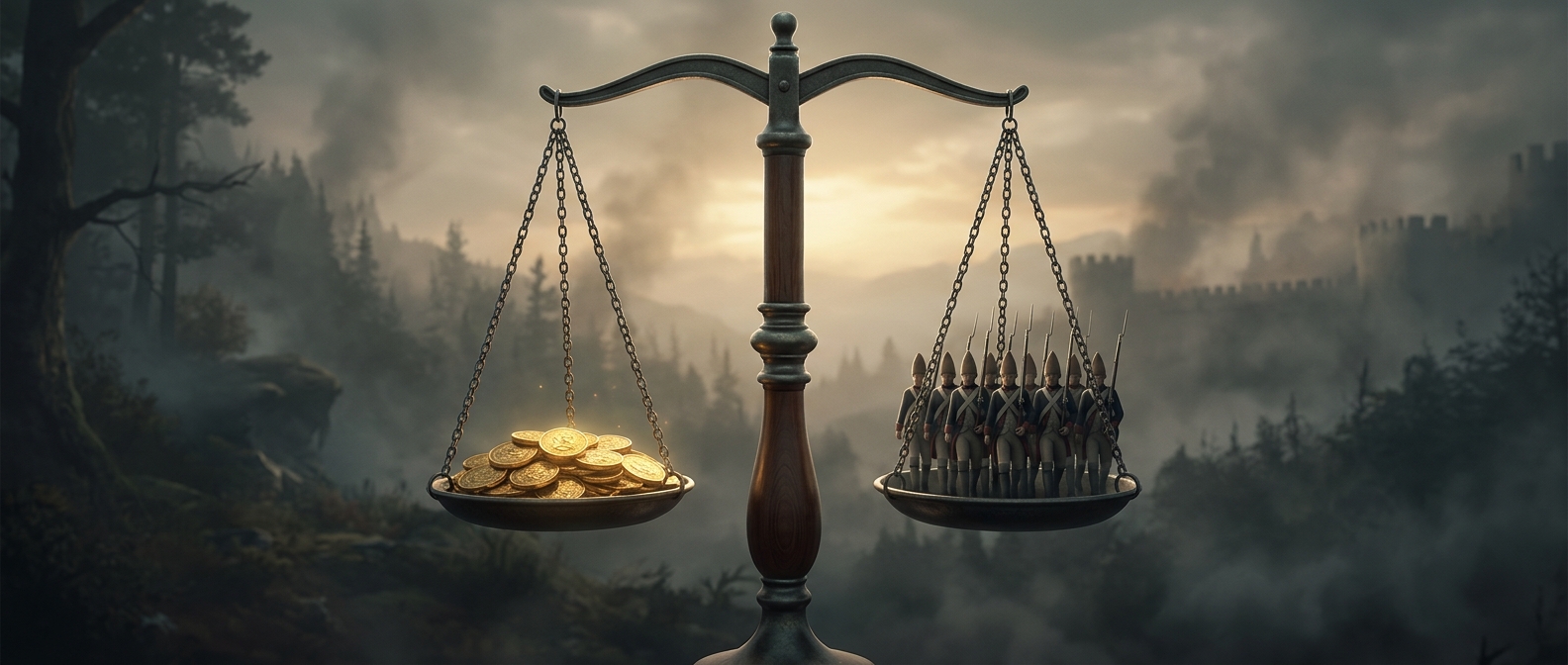
British military rented thousands of German mercenaries
Britain needed more troops for its 18th-century wars, so the Crown contracted with German princes, who supplied more than 30,000 Hessian soldiers and kept the…
Discover more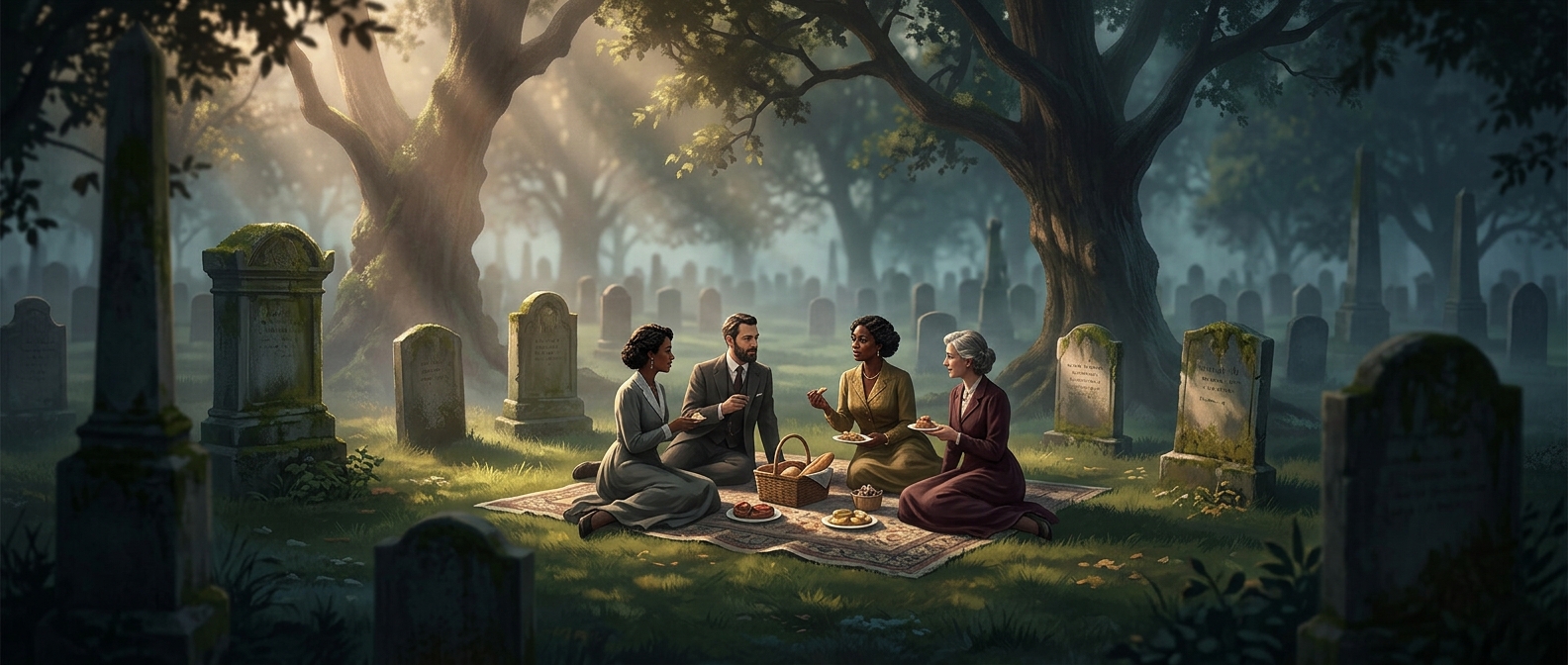
When cemeteries were popular picnic spots
With public parks scarce, families spread picnic blankets among the gravestones and treated cemeteries as green space. The graveyard doubled as a park because…
Discover more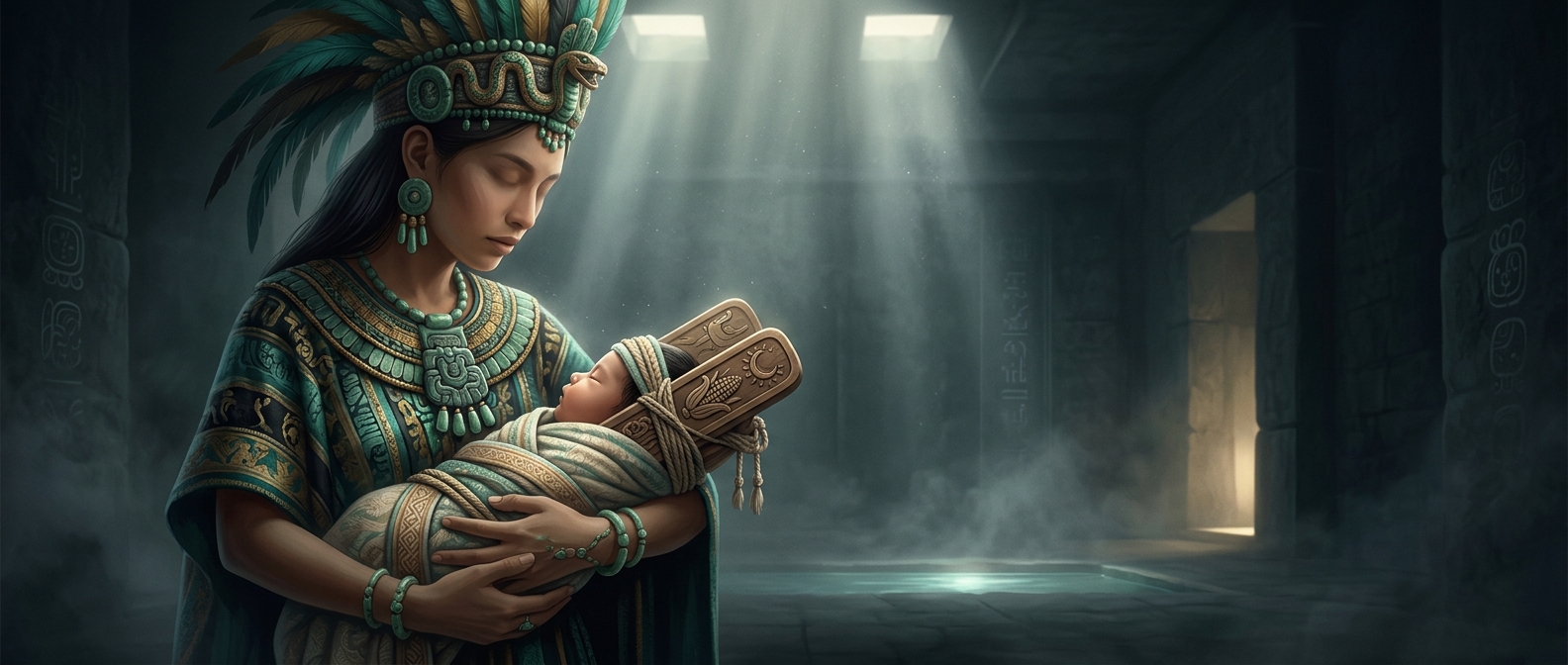
Why Maya elites reshaped their babies' skulls
Some Maya elites saw elongated heads as beautiful and associated them with the maize god, so they bound infants’ heads while the skulls were still moldable.…
Discover more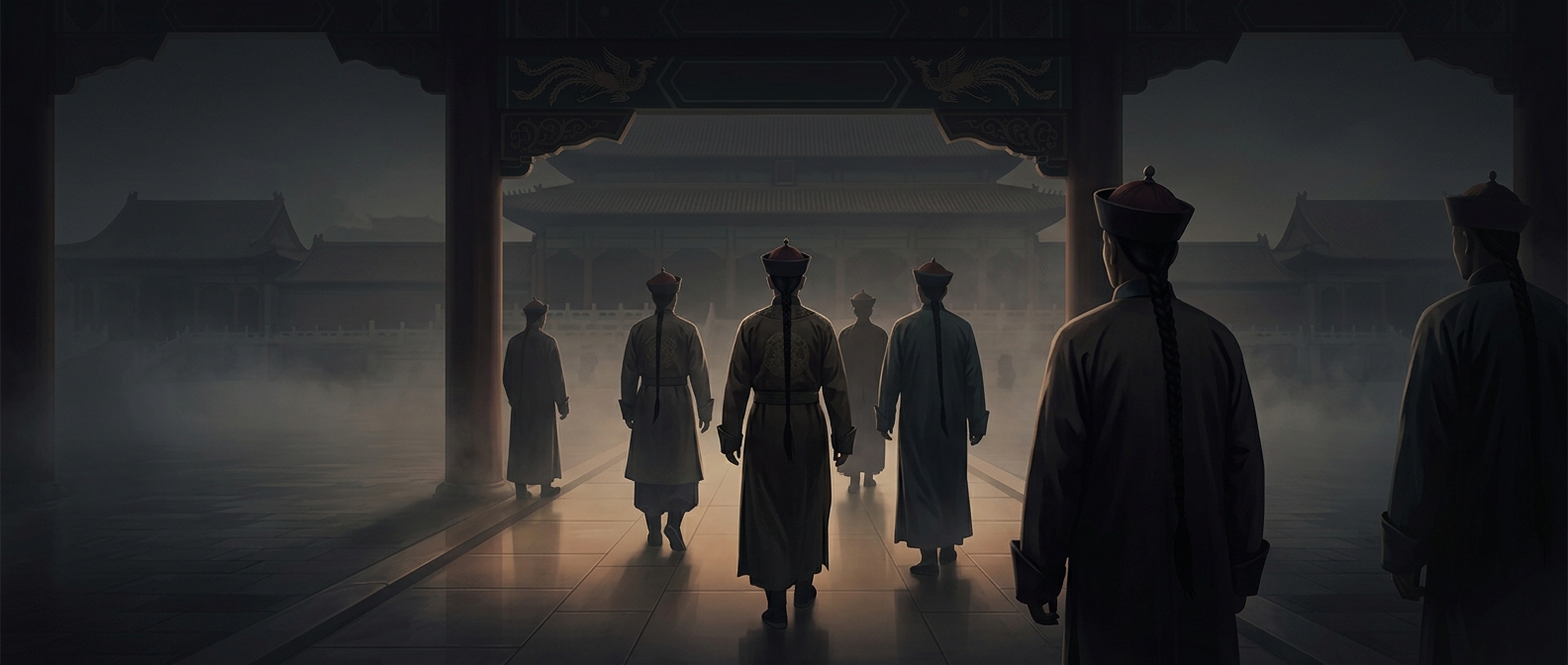
Why Qing-era men wore long braids
The Manchu rulers made the queue a loyalty test: Han men had to shave the front of the head and braid the remaining hair. Refusing the order could mean…
Discover more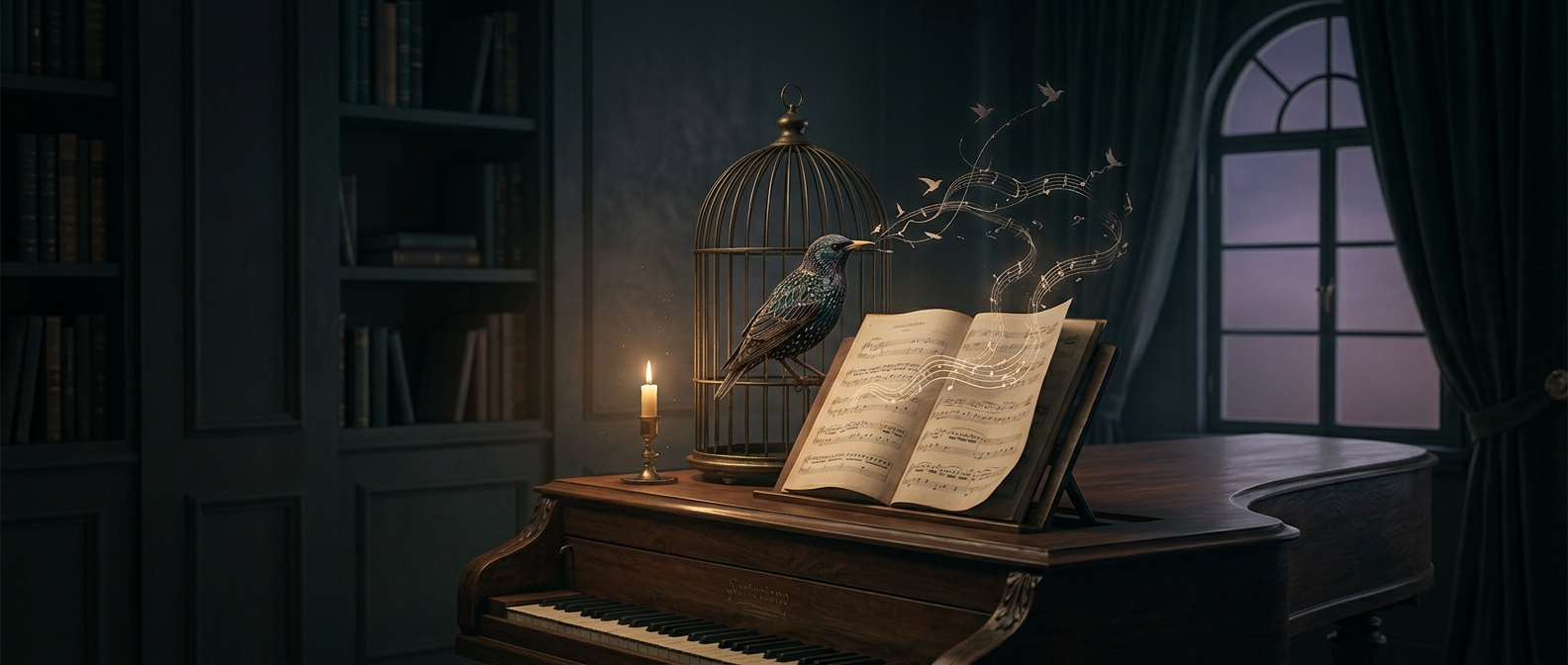
Mozart held a funeral for his pet starling
Mozart bought the starling after it mimicked a melody from his Piano Concerto No. 17. When the bird died three years later, he held a solemn funeral and wrote…
Discover more STACKY FOR IPHONE
A bigger world.
One discovery
at a time.
Keep discovering with Stacky. Interesting facts in an app that is always within reach.
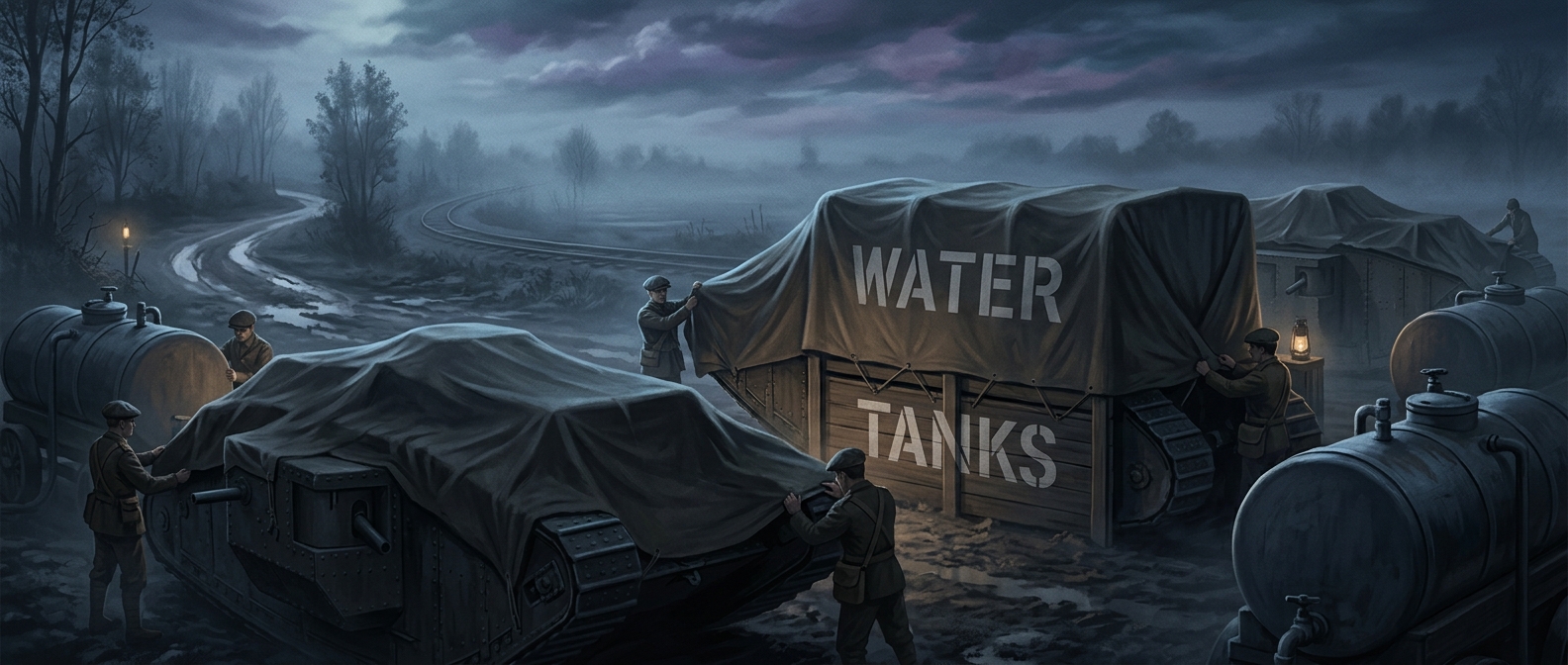
Why British tanks were disguised as water tanks
To hide the new armored vehicles, British engineers described them as mobile water tanks bound for the desert. The cover name stuck, and “tank” outlasted the…
Discover more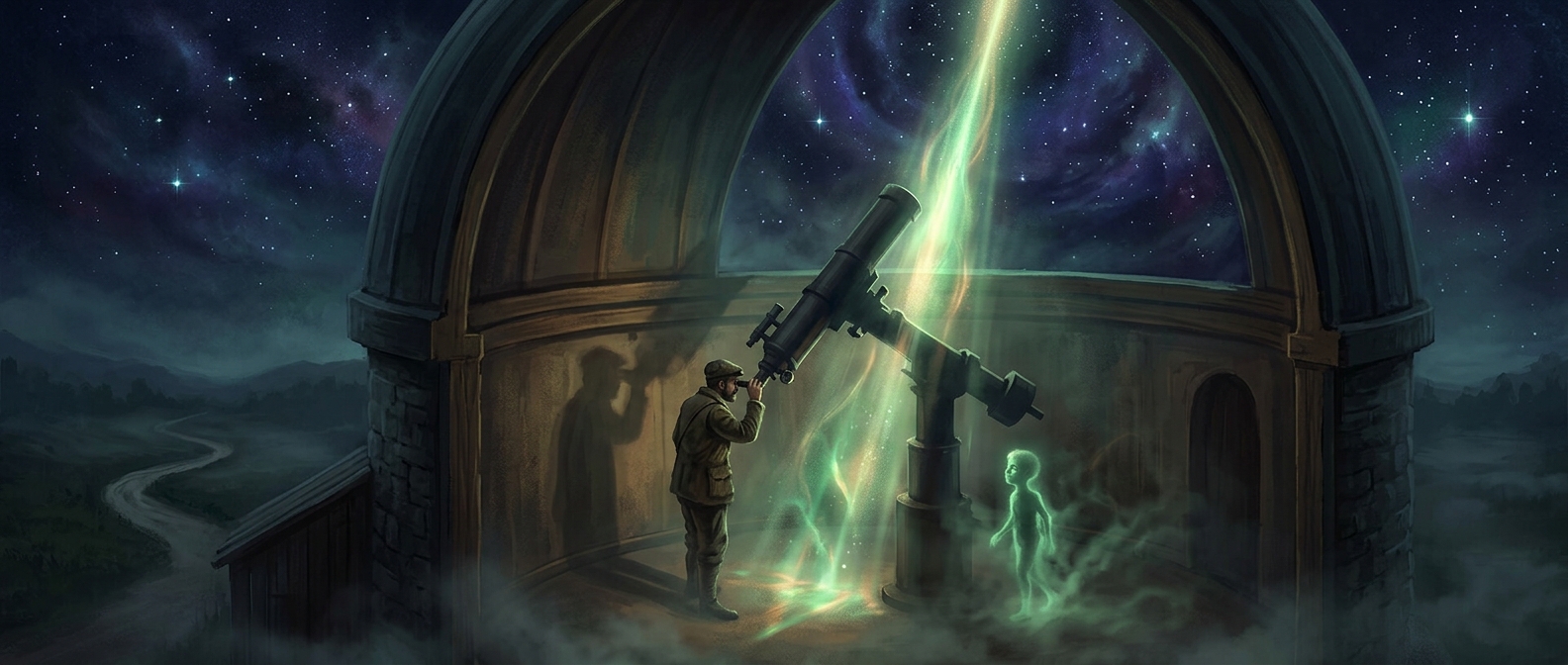
The first pulsar was nicknamed Little Green Men
The radio pulses were so regular that Jocelyn Bell Burnell’s team jokingly wondered whether they came from aliens, dubbing the signal LGM-1, for “Little Green…
Discover more
Why mourners once wore black to hide from ghosts
Black clothing was supposed to help mourners blend into the darkness so ghosts wouldn’t recognize them. Grief came with a dress code—and, in this case, a…
Discover more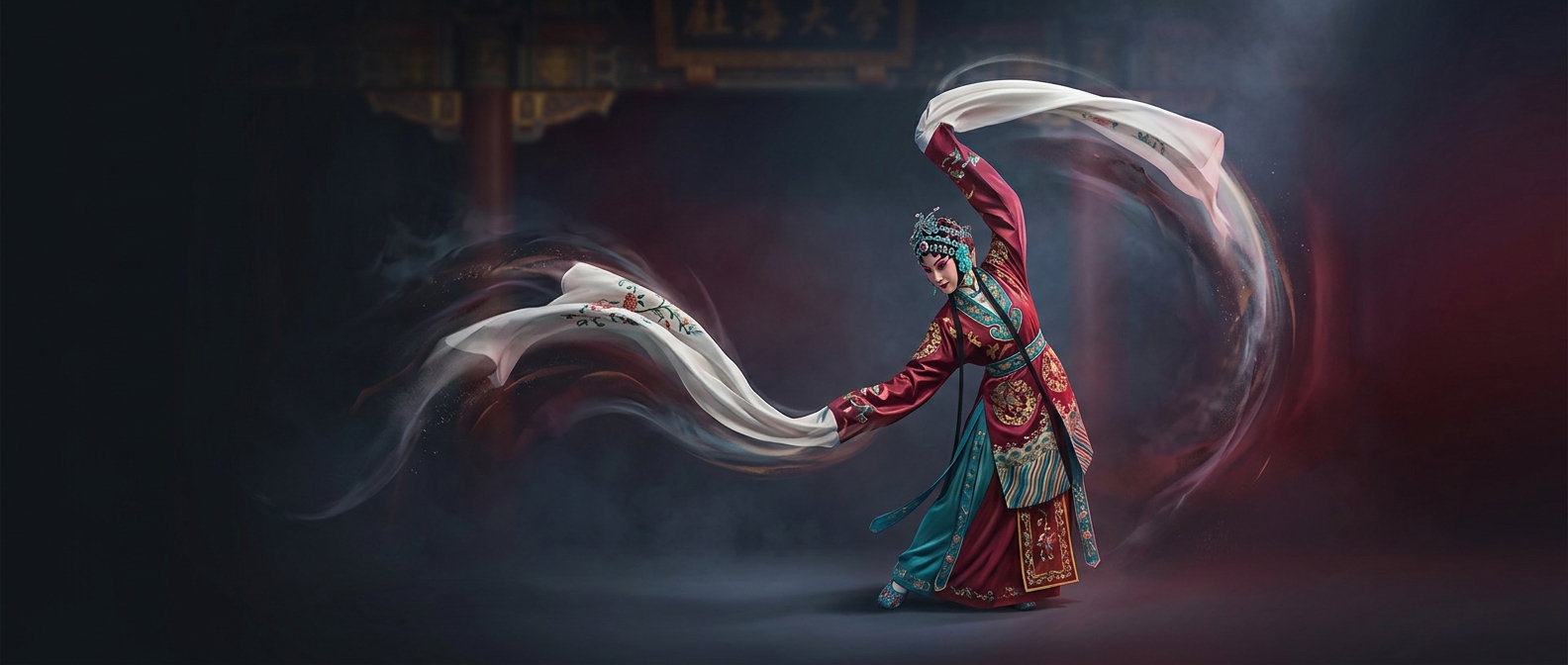
Chinese opera costumes use sleeves as visual props
The long silk sleeves let performers make emotions visible from a distance: a sharp flick can signal anger, while hiding the face can suggest shyness.
Discover more
Larry Walters flew a lawn chair into busy airspace
In 1982, Walters attached helium-filled weather balloons to a patio chair and rose to about 16,000 feet near Los Angeles. He descended by releasing lift,…
Discover more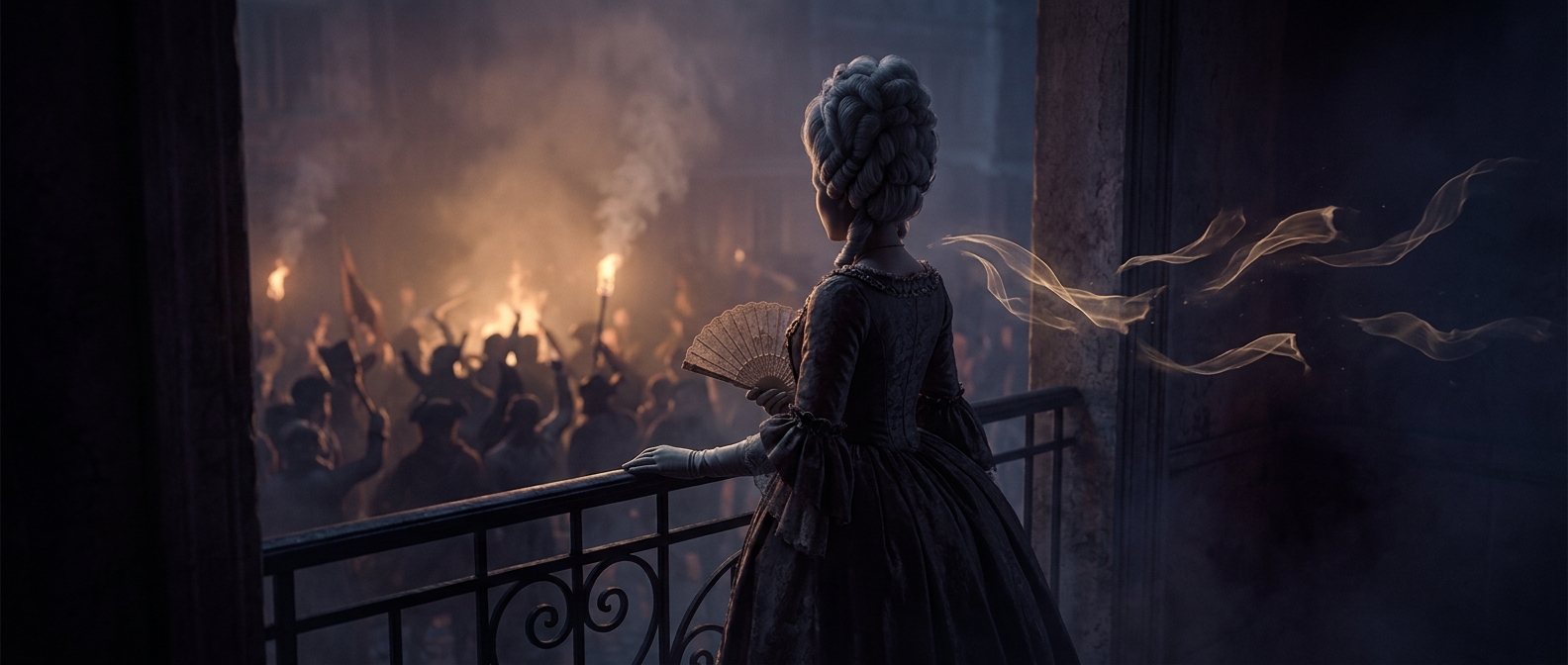
An anonymous princess became a queen's infamous quote
Rousseau's Confessions tells of an unnamed princess suggesting brioche when people had no bread. He wrote the passage while Marie Antoinette was still a child…
Discover more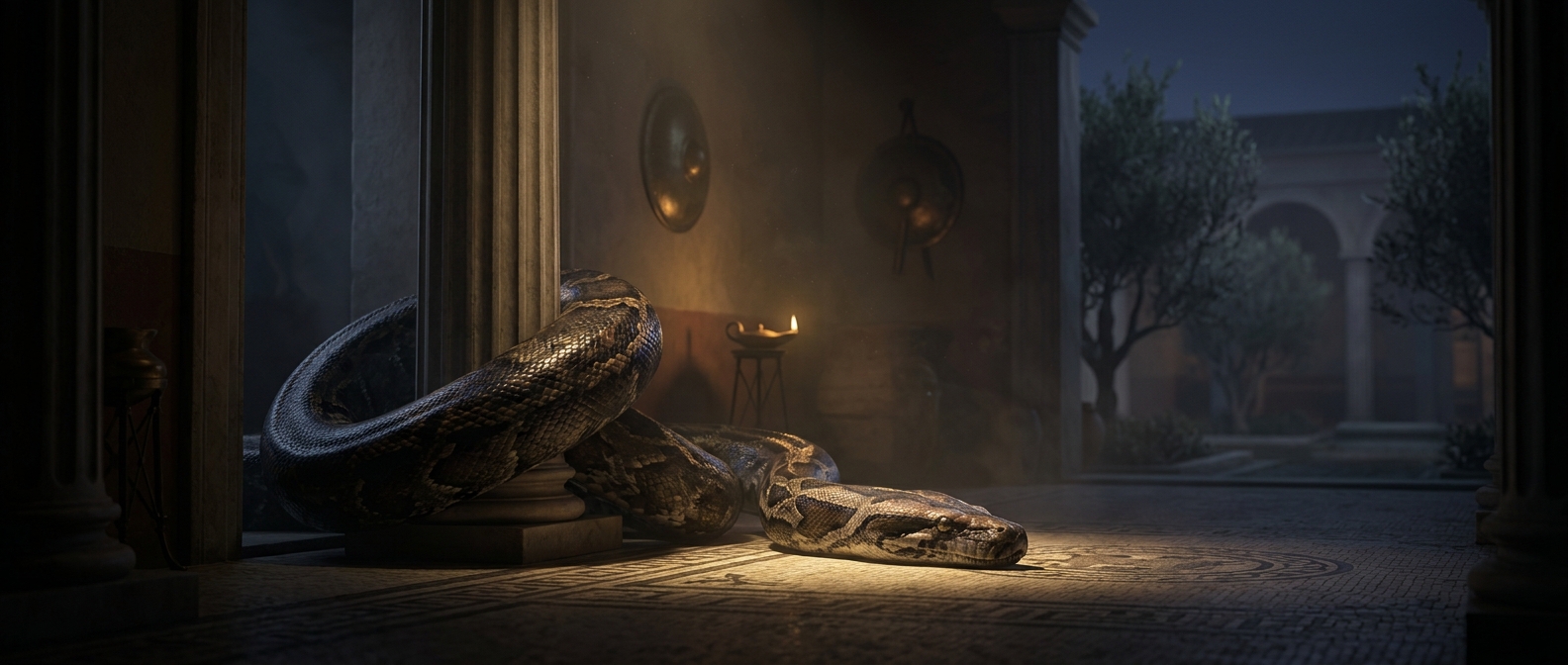
Why Romans kept snakes in their homes
Romans valued rat snakes because they ate rodents, and treated them as good-luck charms. The trade-off was a useful housemate that could still startle anyone…
Discover more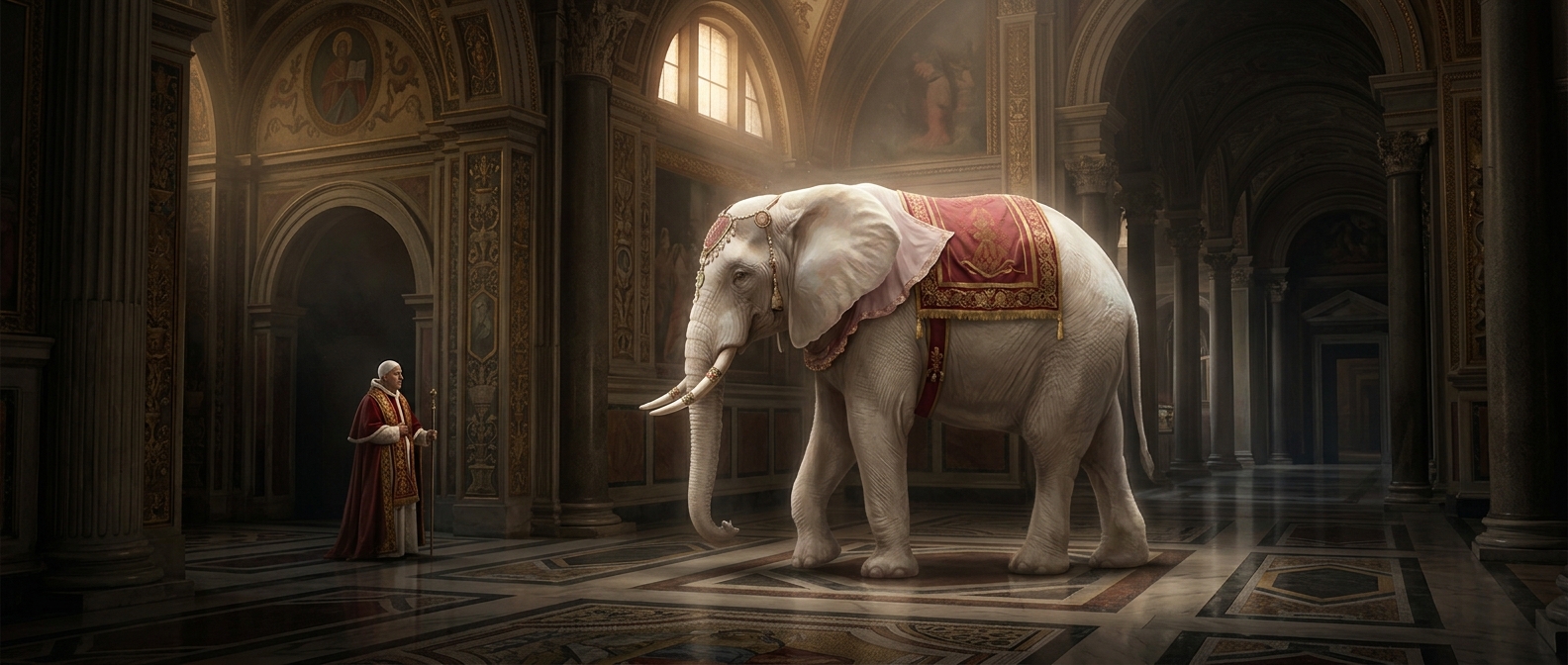
A Portuguese king sent the pope an elephant
King Manuel I gave Hanno to Pope Leo X in 1514, bringing an extraordinary diplomatic gift to Rome. Transporting and displaying such an animal advertised…
Discover more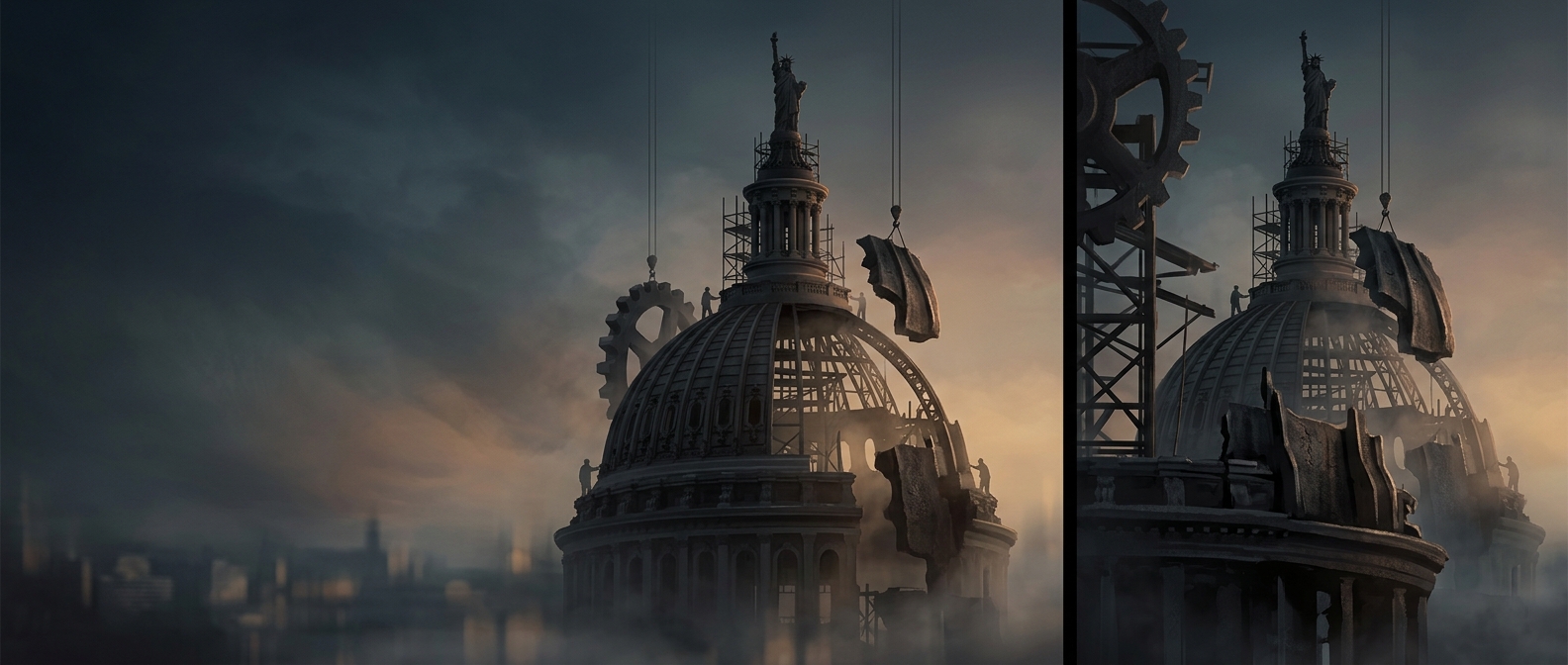
United States Capitol dome consists of solid cast iron
White paint gives the Capitol dome its marble look; underneath are 8.9 million pounds of cast iron. The marble effect is a very heavy illusion.
Discover more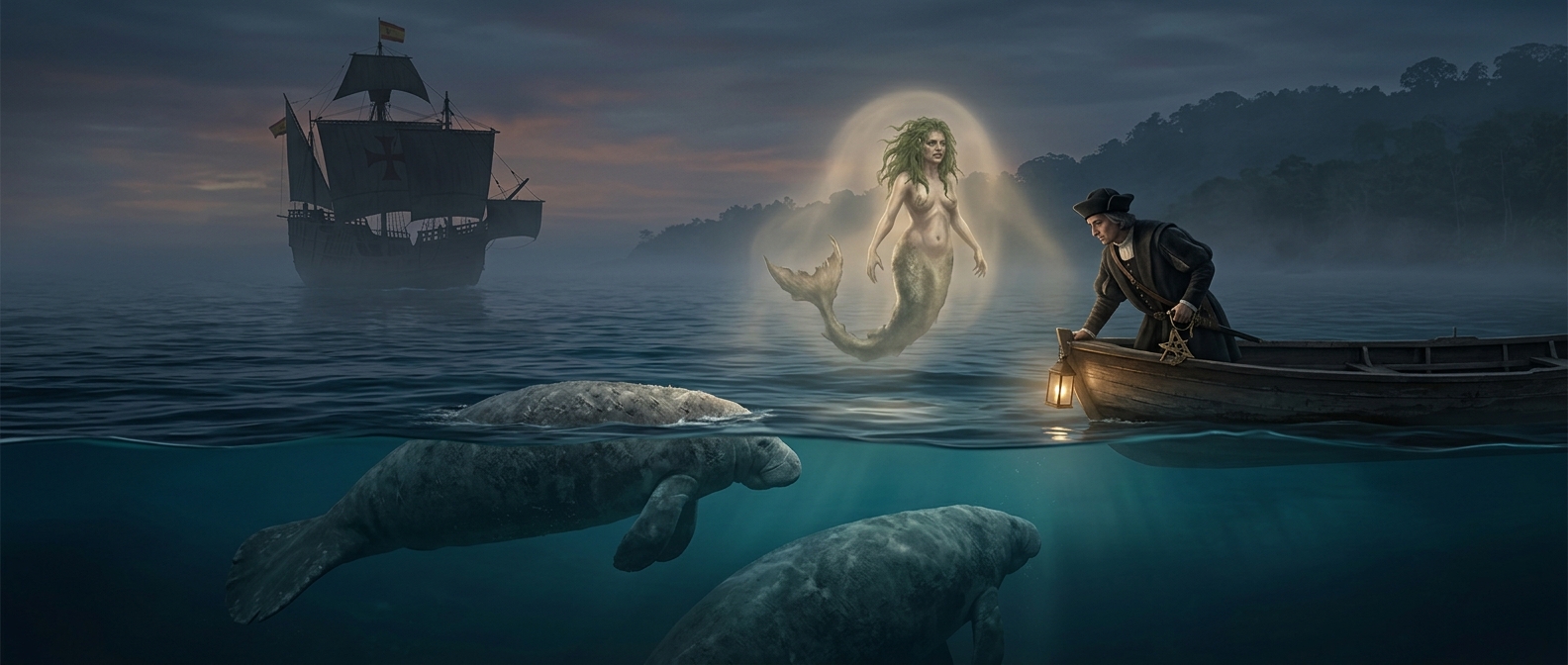
When Columbus mistook manatees for mermaids
His journal measured the animals against the mermaids he expected: he said they had masculine faces and were not half as beautiful as paintings. The real…
Discover more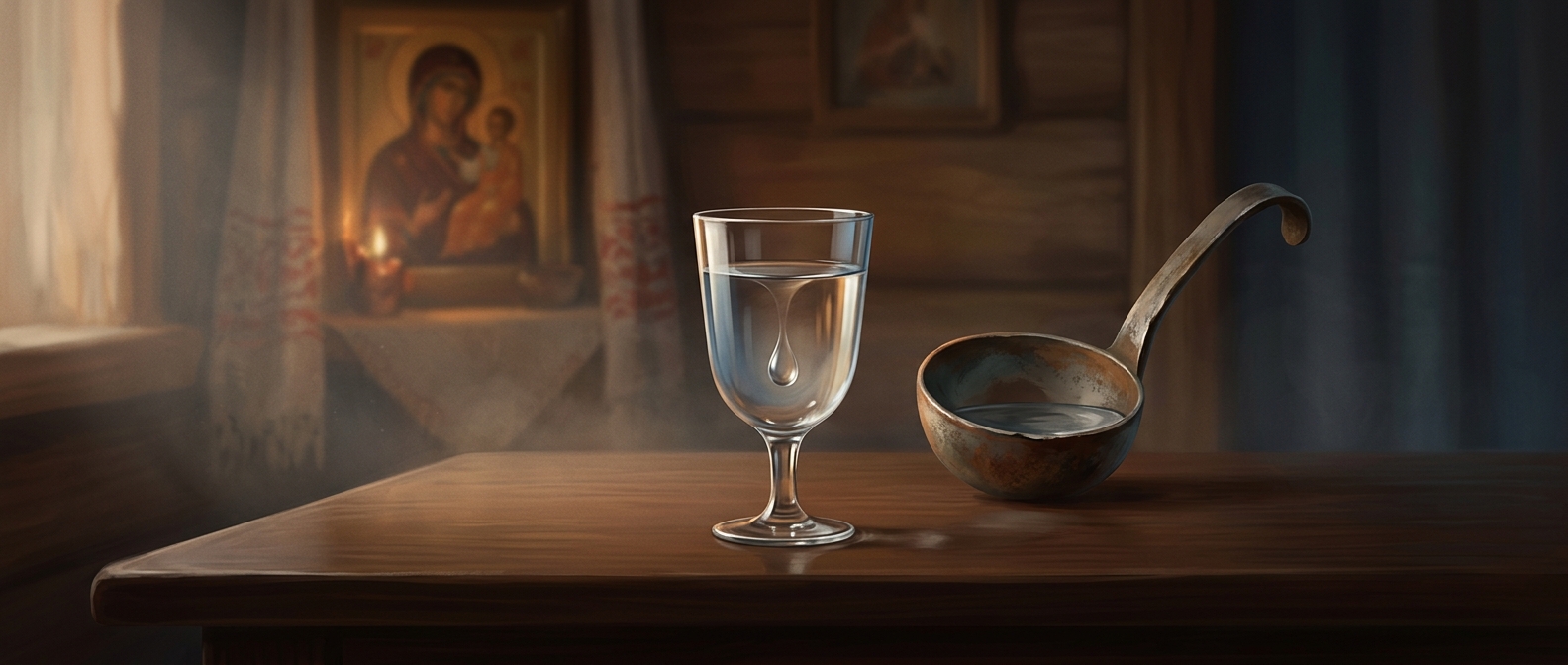
Why vodka means “little water”
“Voda” means “water” in Russian, and the diminutive suffix “-ka” makes vodka roughly “little water.”
Discover more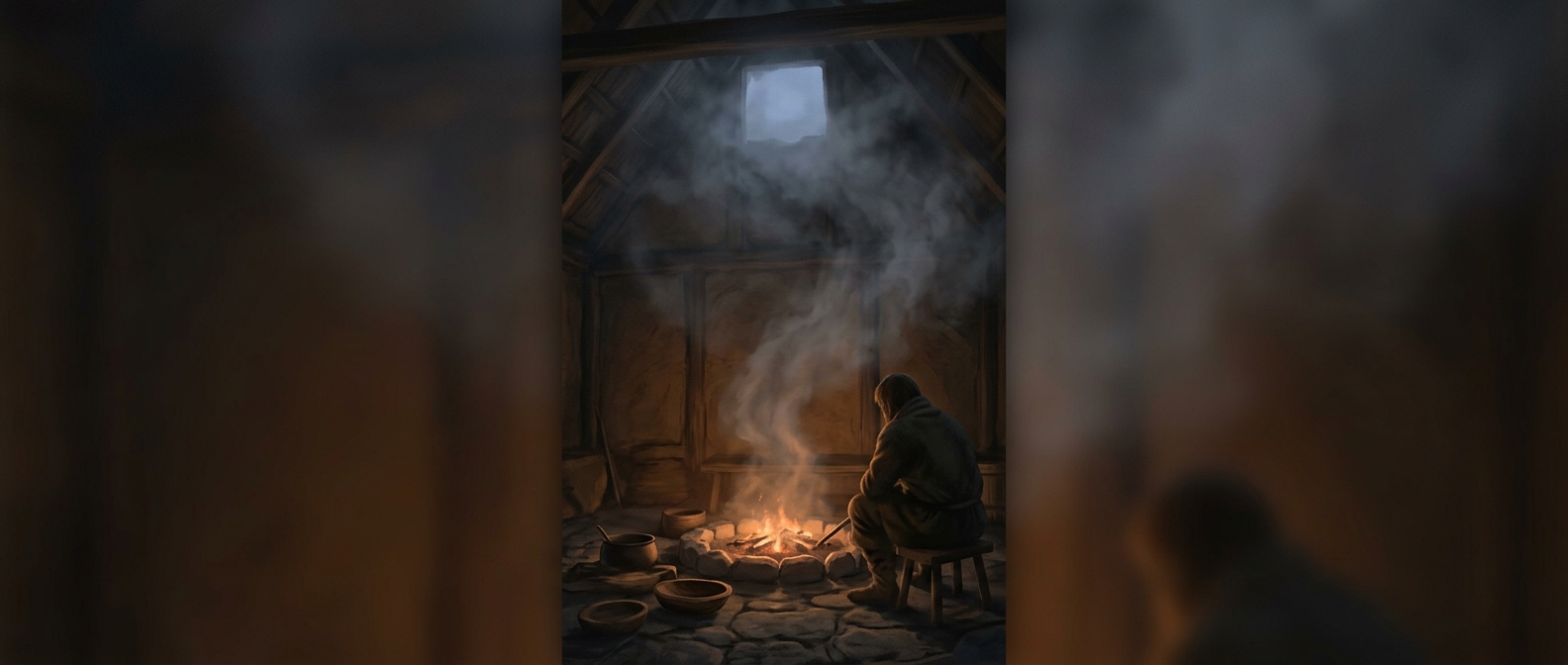
Before chimneys, houses vented smoke through the roof
Before chimneys, a roof opening let hearth smoke escape, but it wasn’t enough to keep it off the room’s walls—or the people inside. The house had a vent, not…
Discover more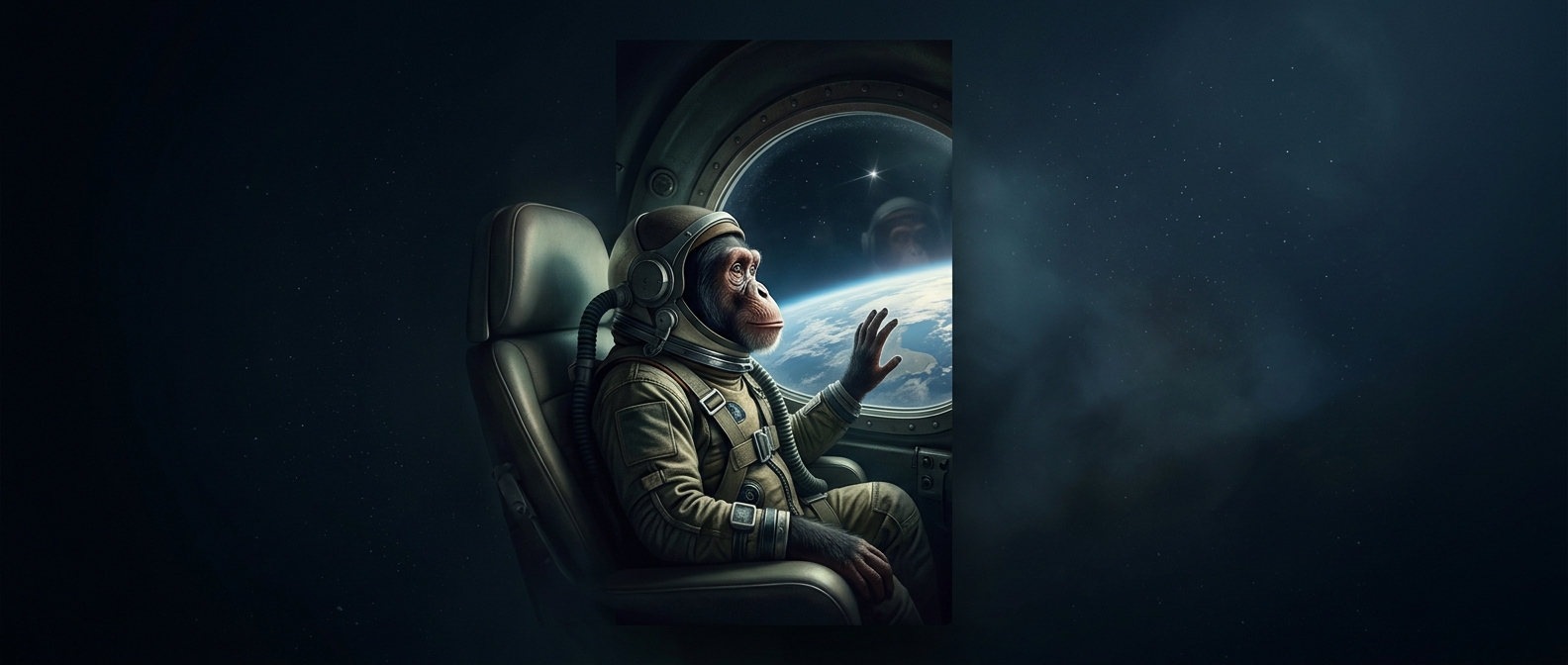
American researchers launched a chimpanzee into space
Researchers needed to know whether a trained passenger could still perform simple tasks in space. During his flight, Ham pulled levers as trained, showing he…
Discover more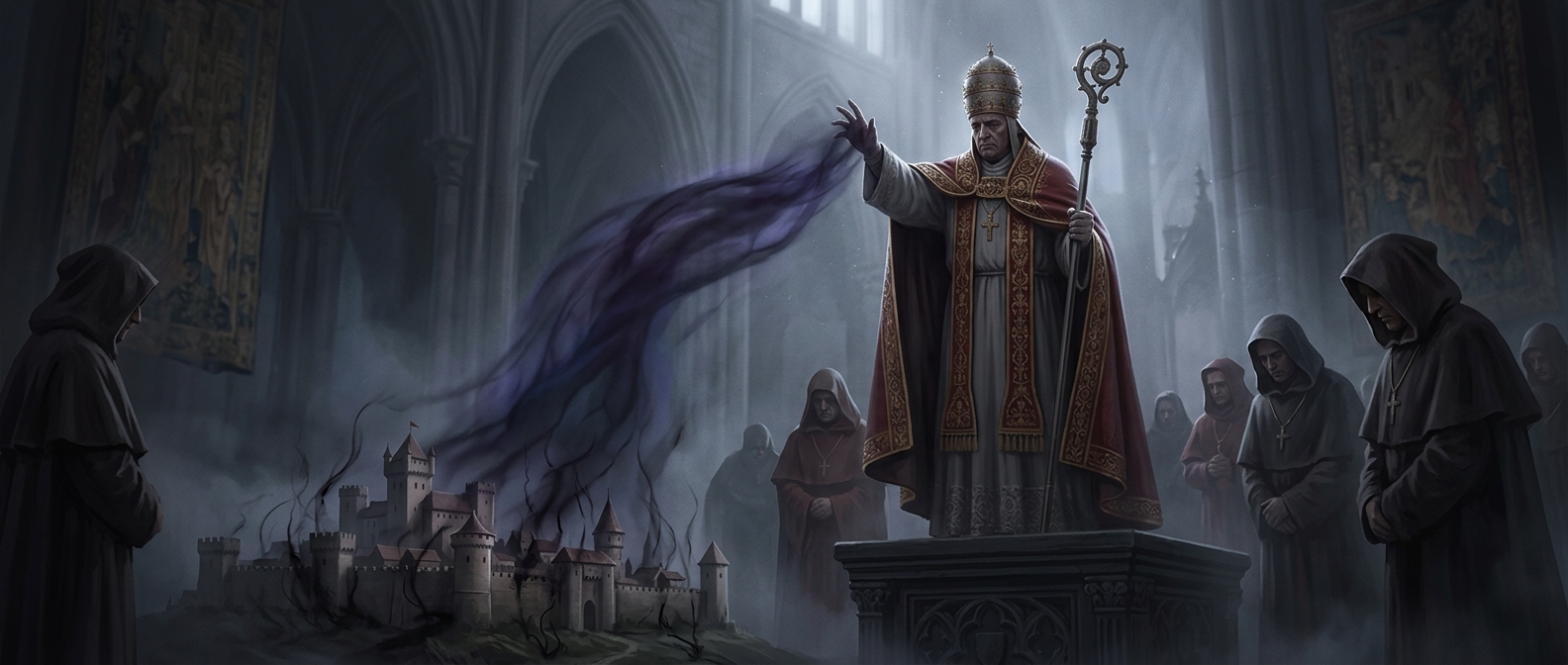
A quarrel with King John shut down ordinary church life
In 1208, Pope Innocent III placed England under an interdict during a dispute over the archbishop of Canterbury. Most public religious services stopped,…
Discover more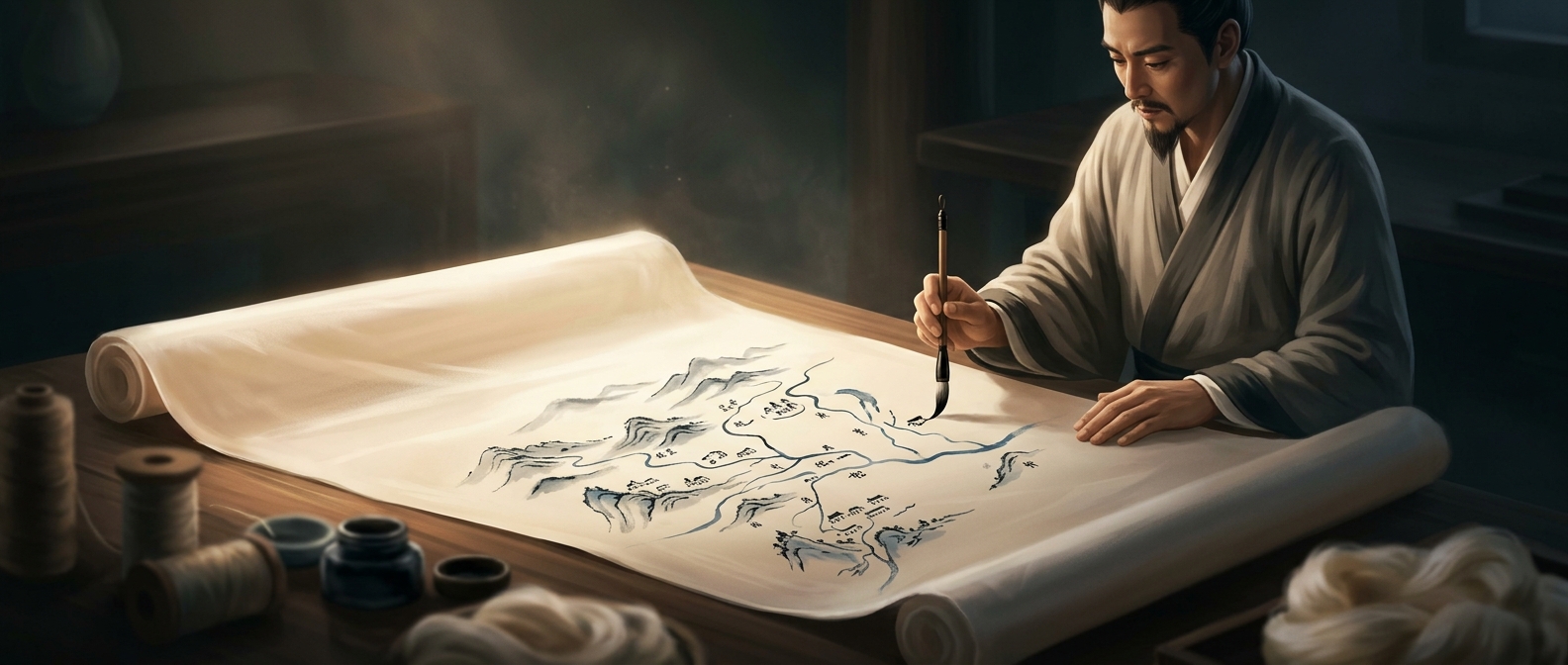
Ancient Chinese cartographers painted maps on pure silk
Silk gave mapmakers a large surface for detailed charts that could be rolled up and carried. The map could be expansive without being a burden to bring along.
Discover more
Why an extradition treaty may not be enough
An extradition treaty opens the door; it doesn’t force a country to send someone into a trial it considers unfair. Courts and governments can still refuse, so…
Discover more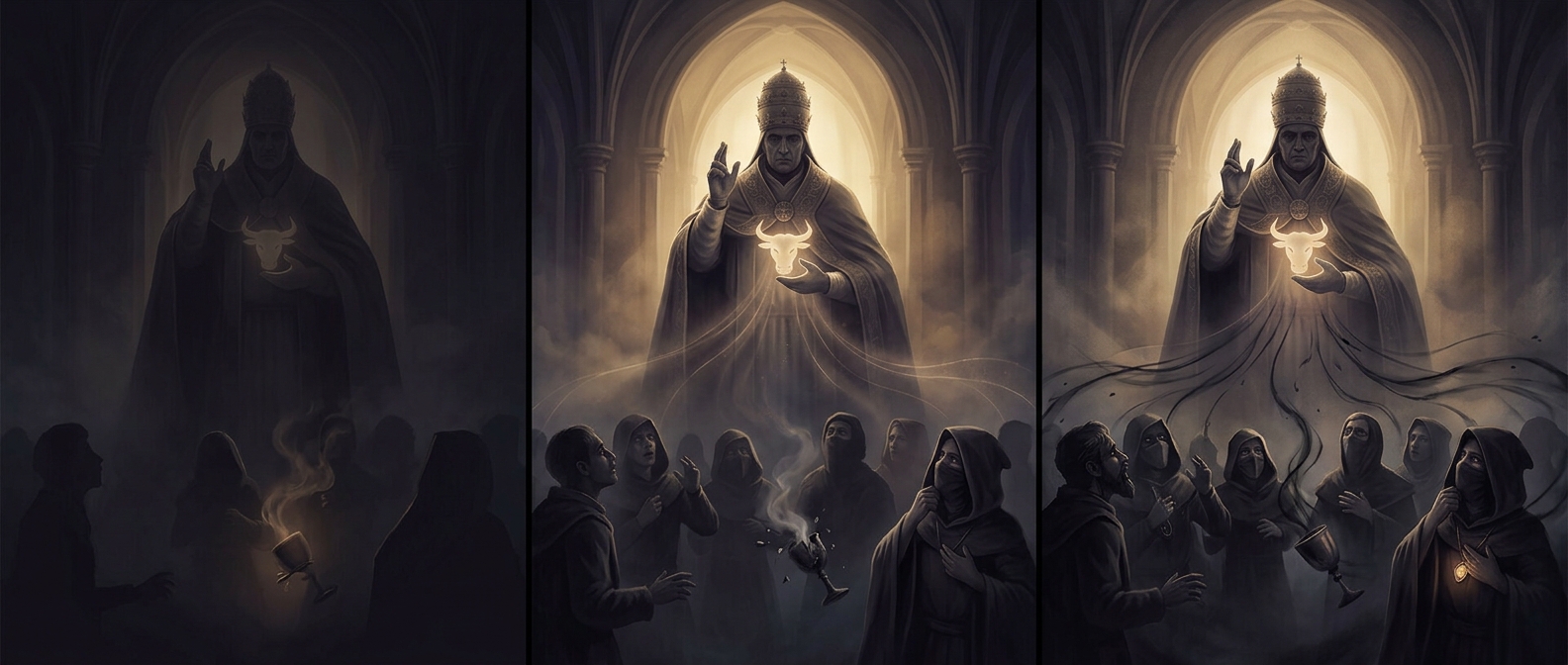
A pope investigated an assassination plot involving wax figures
In 1317, John XXII faced a conspiracy allegation involving poison and magical attacks on images made in his name. The accusation helped bring sorcery into a…
Discover more
How nickname got its extra n
The “n” shifted from “an” into the word itself: “an ekename” was heard as “a nekename,” eventually becoming “nickname.”
Discover more