A Mourner’s Disguise in the Dark
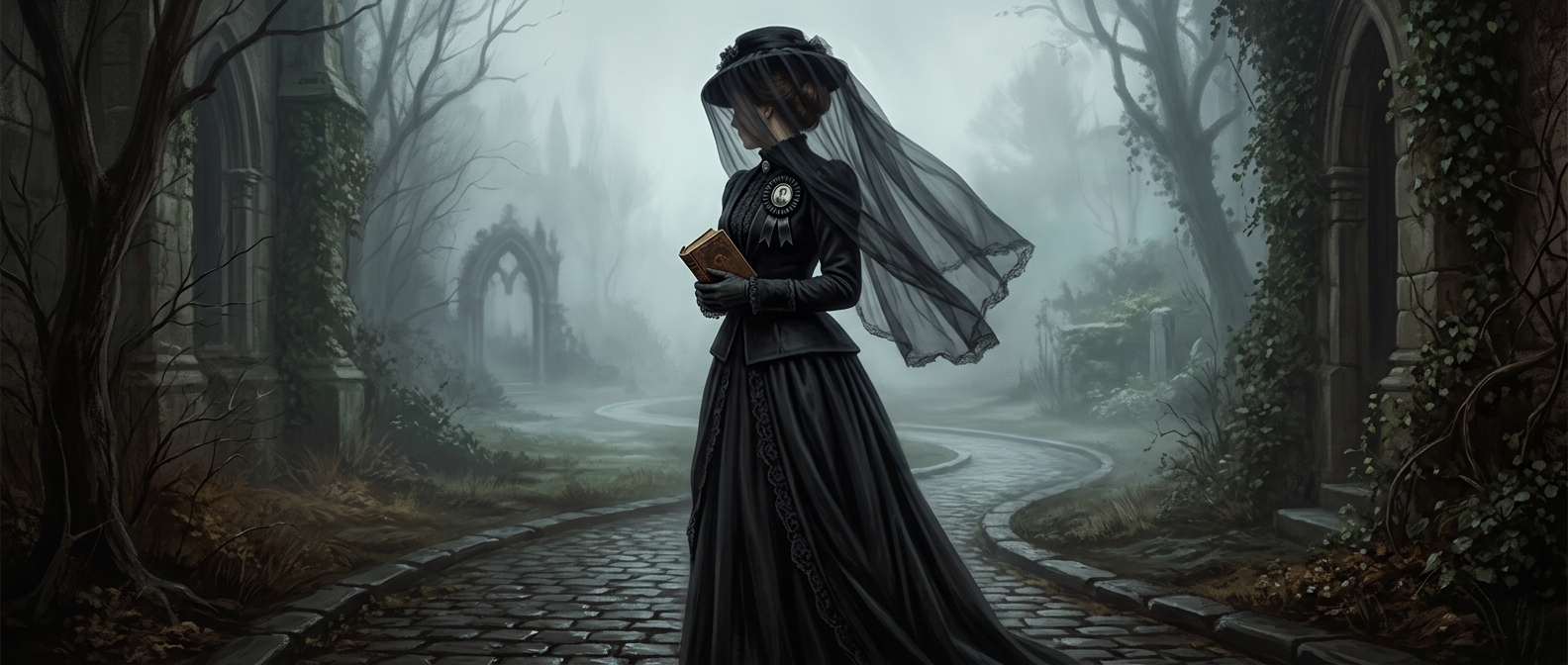
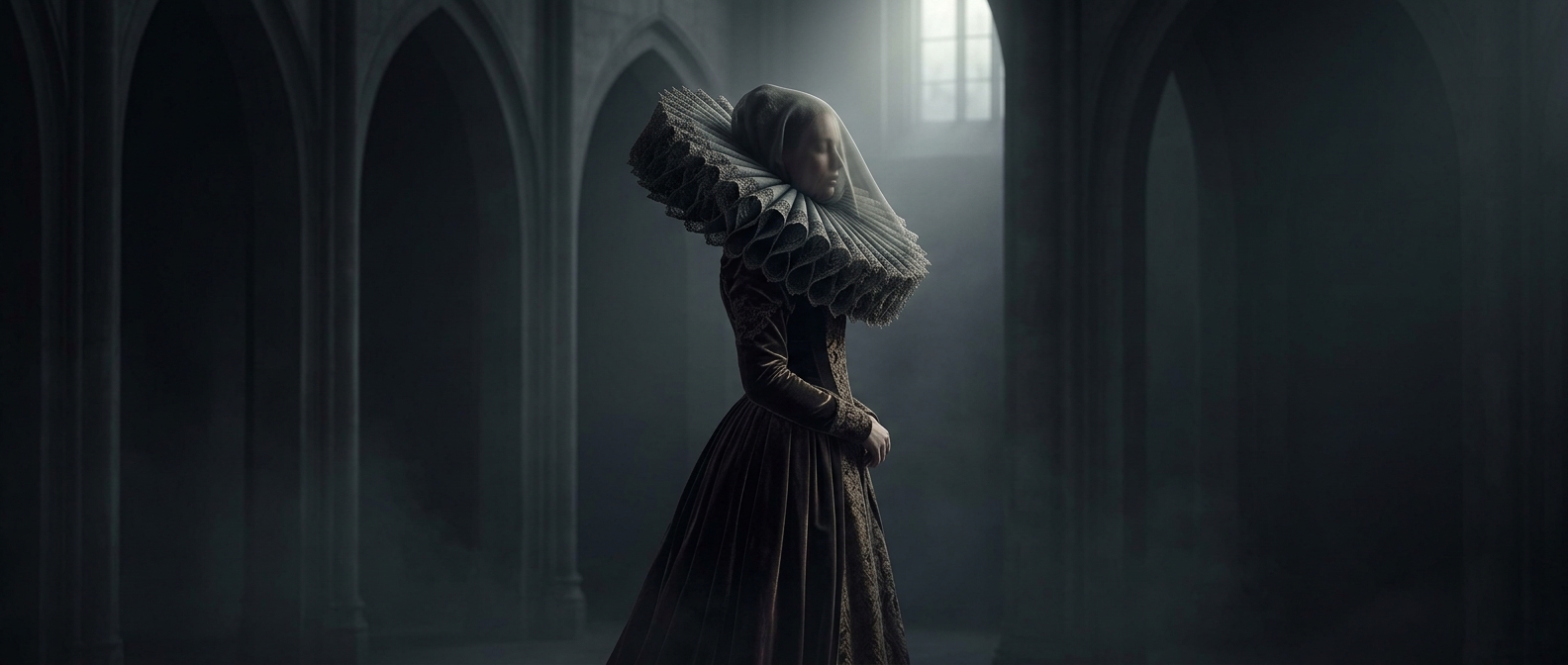
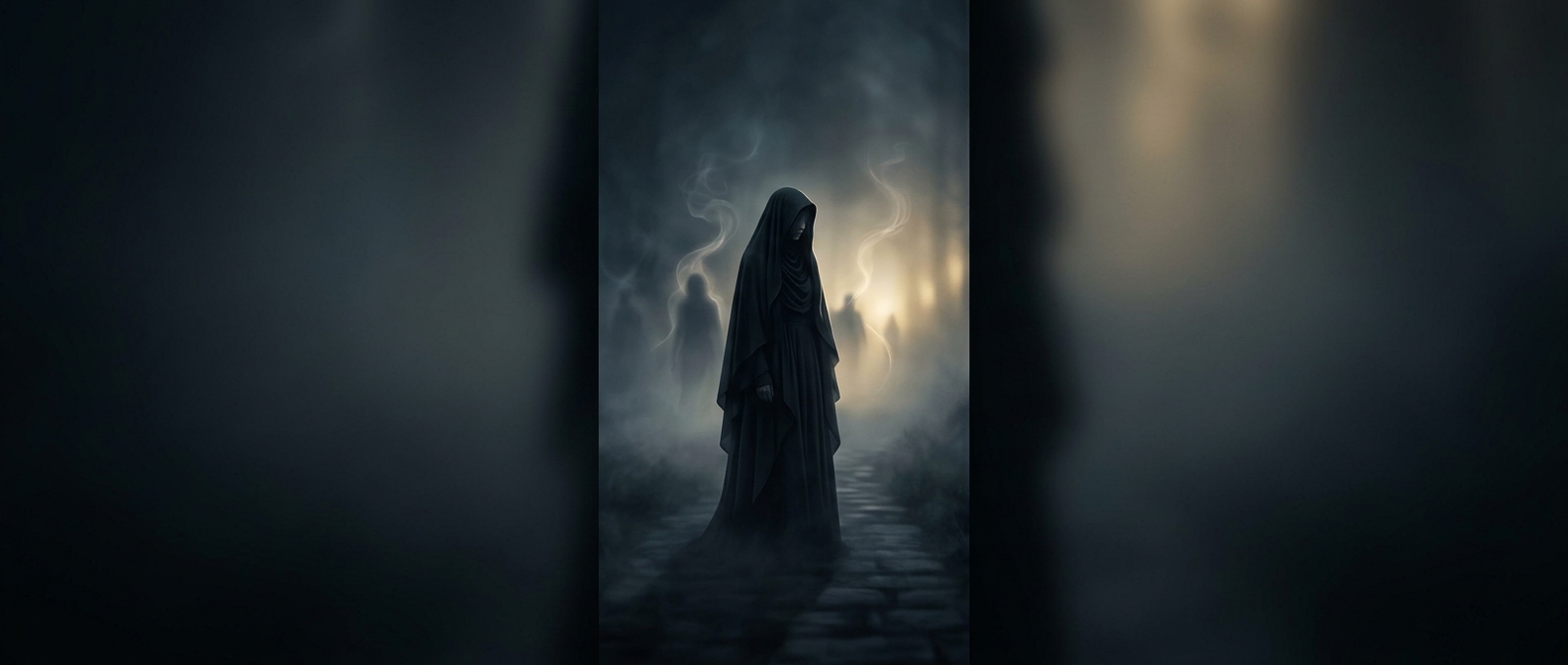
In some old beliefs about the dead, a ghost could notice or follow the living. Black mourning clothes offered a simple imagined defense: if the wearer blended into darkness, a spirit might have trouble picking them out. The clothing was not thought to stop a ghost by force; its purpose was concealment.
That idea gave grief a double meaning. Black marked someone as bereaved to other people, while supposedly making them less visible to the dead. The same outfit could announce a loss in public and serve as a disguise in the unseen world.
Why the Custom Could Feel Convincing
The logic depended on a familiar human fear: being singled out by something you cannot see or control. Darkness already hides shapes and faces, so wearing its color made a plausible protective gesture within a worldview where the dead might remain nearby. A ritual did not need to prove that ghosts were present to offer mourners a sense of caution and control.
The belief was not necessarily shared by every community that wore black, and mourning customs varied across time and place. But it captures how clothing could do more than express sadness: it could help people manage the risks they believed came with death. In this version of the tradition, the mourner’s outfit was both a public sign of loss and an attempt not to be noticed by the one who had died.