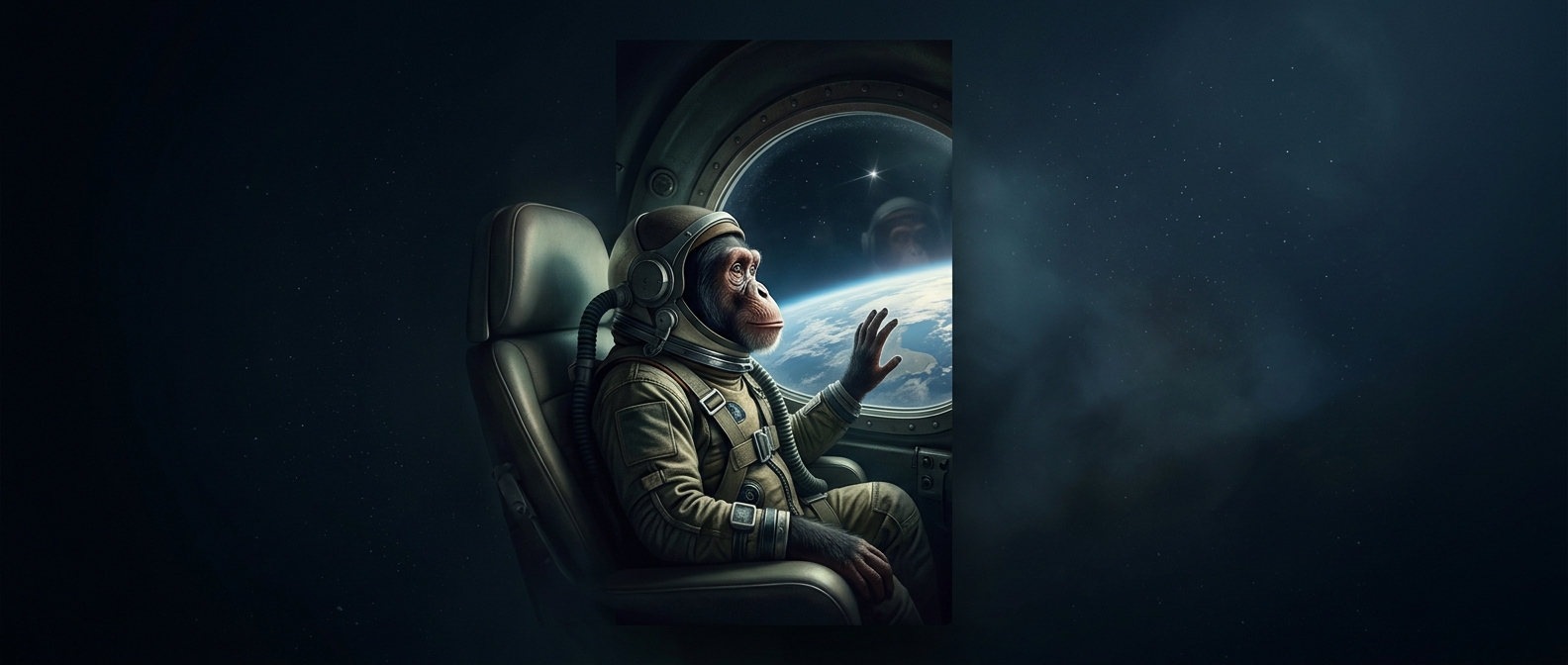
The test was whether a passenger could still respond
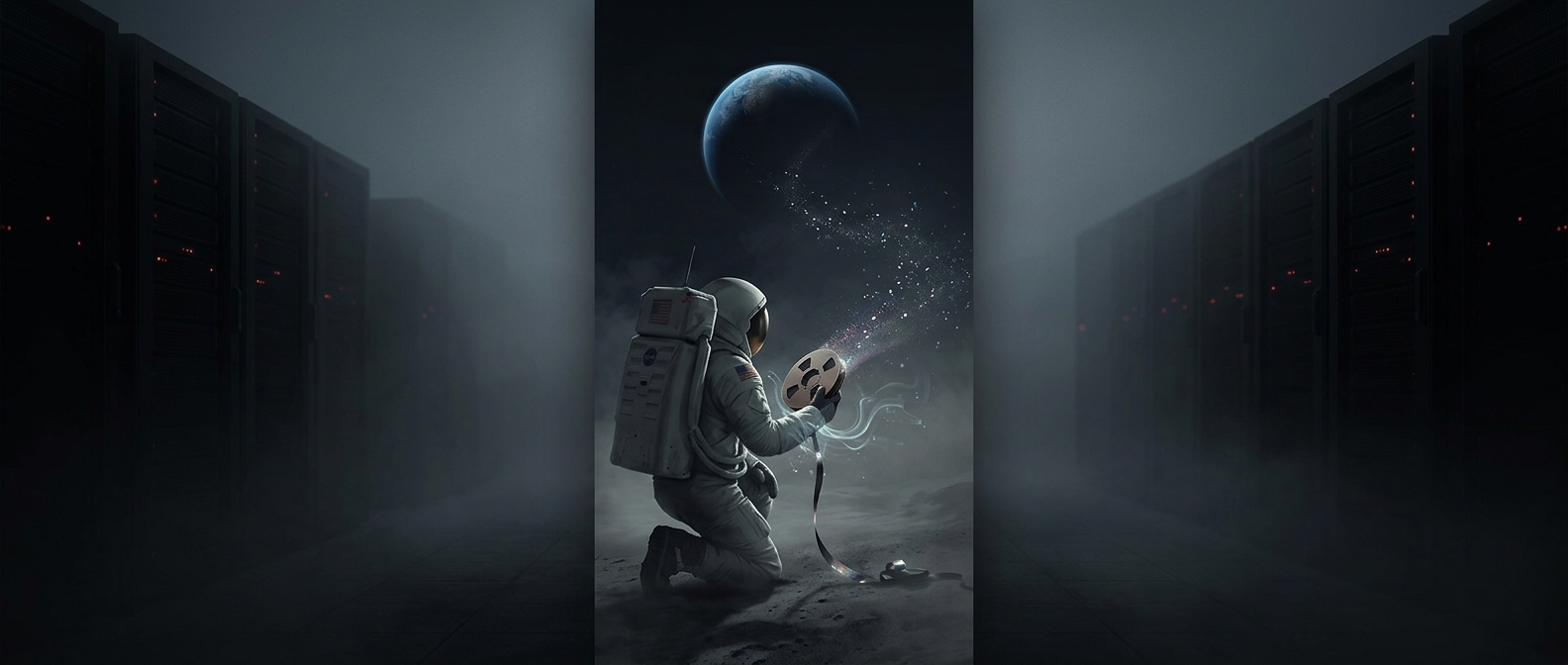
Before sending an astronaut on a Mercury flight, researchers had to find out whether the launch, weightlessness, and return would leave a passenger able to do more than stay alive. Ham, a chimpanzee trained at Holloman Air Force Base, flew on a suborbital test flight in a capsule designed for the coming human missions.
His training turned that question into a measurable task. When a light appeared on a panel, Ham was expected to pull the corresponding lever. A correct response earned a banana-flavored pellet; a missed response brought a mild electric shock. Researchers could compare his responses in flight with the behavior he had learned on the ground.
A working passenger, not a pilot
The capsule handled its flight automatically. Ham was not steering it or making navigation decisions. His lever pulls tested a narrower but crucial point: whether a living passenger could perceive a cue, understand a learned task, and act while subjected to the conditions of spaceflight.
Ham completed the assigned tasks during the flight, providing evidence that those conditions did not automatically erase the ability to perform simple, trained actions. That mattered because human spaceflight would require astronauts to monitor instruments and respond to instructions, not merely endure launch and landing.
What the flight established
Ham’s journey did not prove that every human task would be easy in space, or that a chimpanzee’s experience matched an astronaut’s. It answered a specific engineering question before Alan Shepard’s first American crewed spaceflight: a passenger in a Mercury capsule could remain responsive enough to carry out basic work. The levers made that capability visible—and measurable—during the trip itself.