John XXII Turned Sorcery Into a Crime of Faith
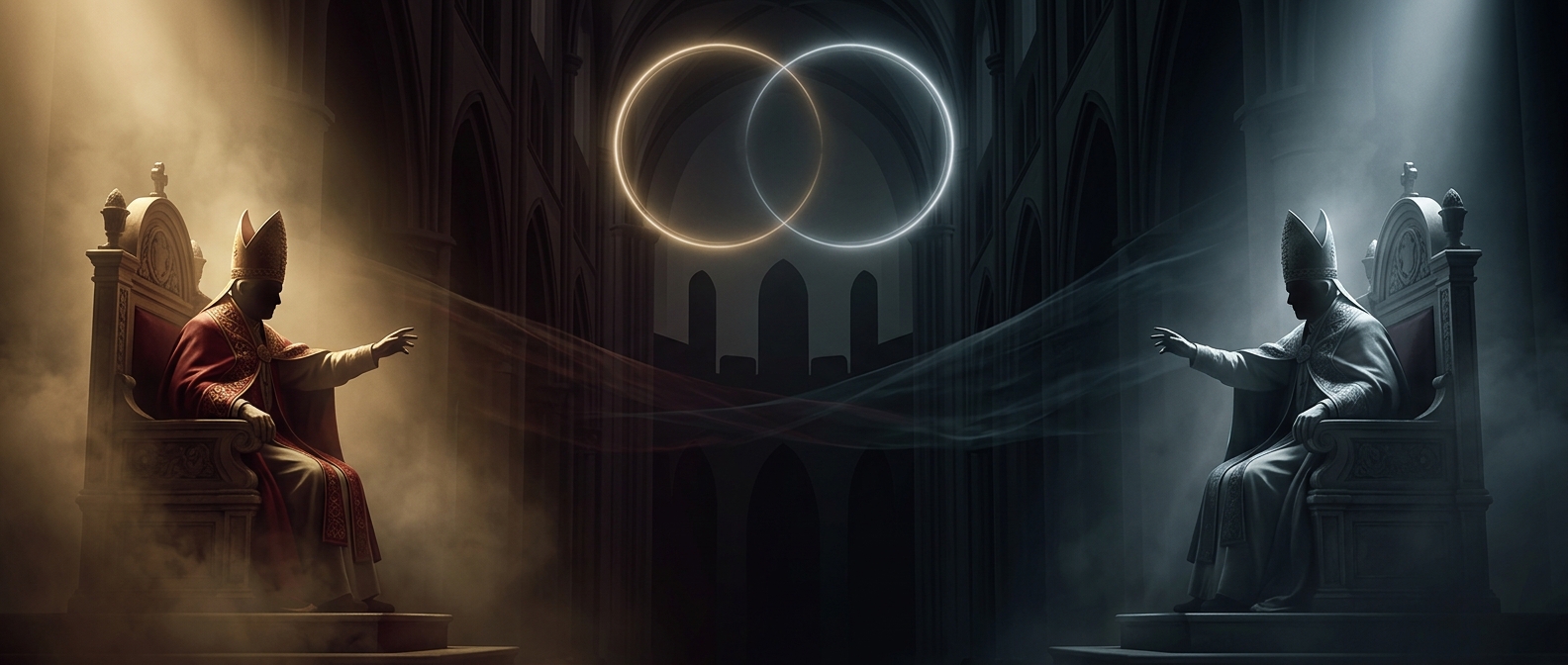
In the early 14th century, Pope John XXII faced reports that people were using magic against him. The threat was supernatural in form, but its target was a very earthly one: the pope himself. His response helped bring such practices within the reach of church courts.
A constitution associated with John, Super illius specula, condemned people who sought help from demons through rituals, invocations, or pacts. In the church’s understanding, these acts were not harmless superstition. Appealing to demons meant rejecting Christian authority, so the offense could be treated as heresy—a religious crime investigated and punished by ecclesiastical courts.
Why the Legal Framing Mattered
Calling sorcery heresy gave church authorities a way to prosecute suspected practitioners even when the alleged harm could not be demonstrated in ordinary terms. A supposed magical attack on the pope became more than a private threat or a rumor: it could be treated as an offense against the faith and the institution he led.
The measure was not simply a modern-style statute devoted to “magical assassination.” It addressed a wider range of ritual practices, while the stories of threats against John gave the issue particular urgency. The key shift was turning an alleged supernatural attack into a matter of jurisdiction and punishment. That made the pope’s fear legible to the law—not as proof that magic worked, but as a reason for authorities to act against people believed to be practicing it.