
A closer look
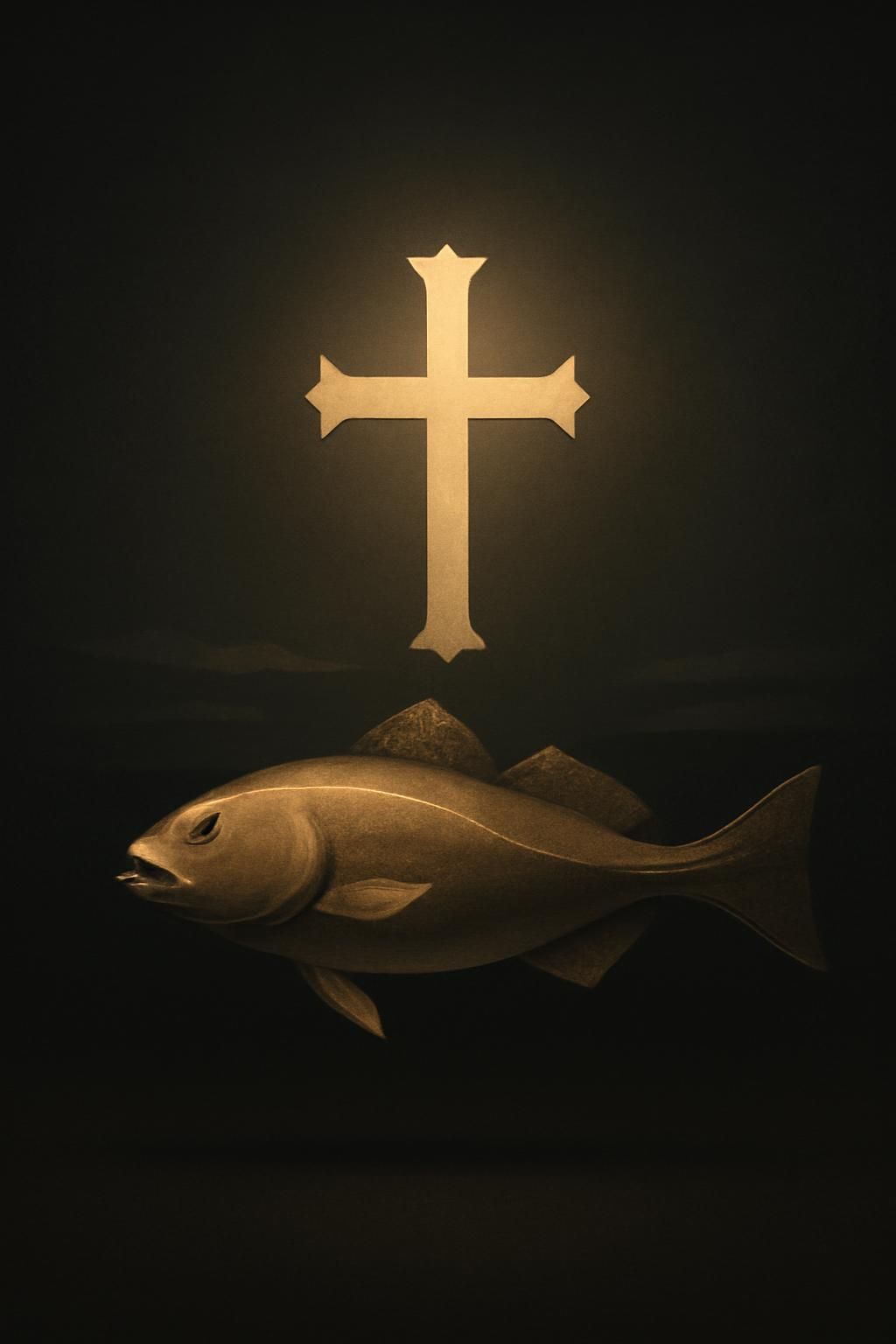
A huge chunk of the global fish industry exists because medieval people were trying to save their souls. For centuries, the Catholic Church enforced fasting rules that banned meat from warm blooded animals on many days, but allowed fish. This created enormous, steady demand for preserved cod, herring, and other species that could be salted and shipped long distances. Entire coastal economies in Scandinavia, the North Atlantic, and the Mediterranean grew around supplying inland believers with acceptable protein. Monasteries became expert fish farmers, building ponds and canals that still shape rural landscapes. Over time, trade networks built for religious fasting morphed into commercial empires and later industrial fisheries. Even after many people stopped following strict church rules, the infrastructure and habits remained. When you see fish fingers in a supermarket or Friday menus in school cafeterias, you are looking at the diluted echo of centuries of spiritual rule making.