History
Discover facts about history. Small discoveries that change the way you see familiar things.
History
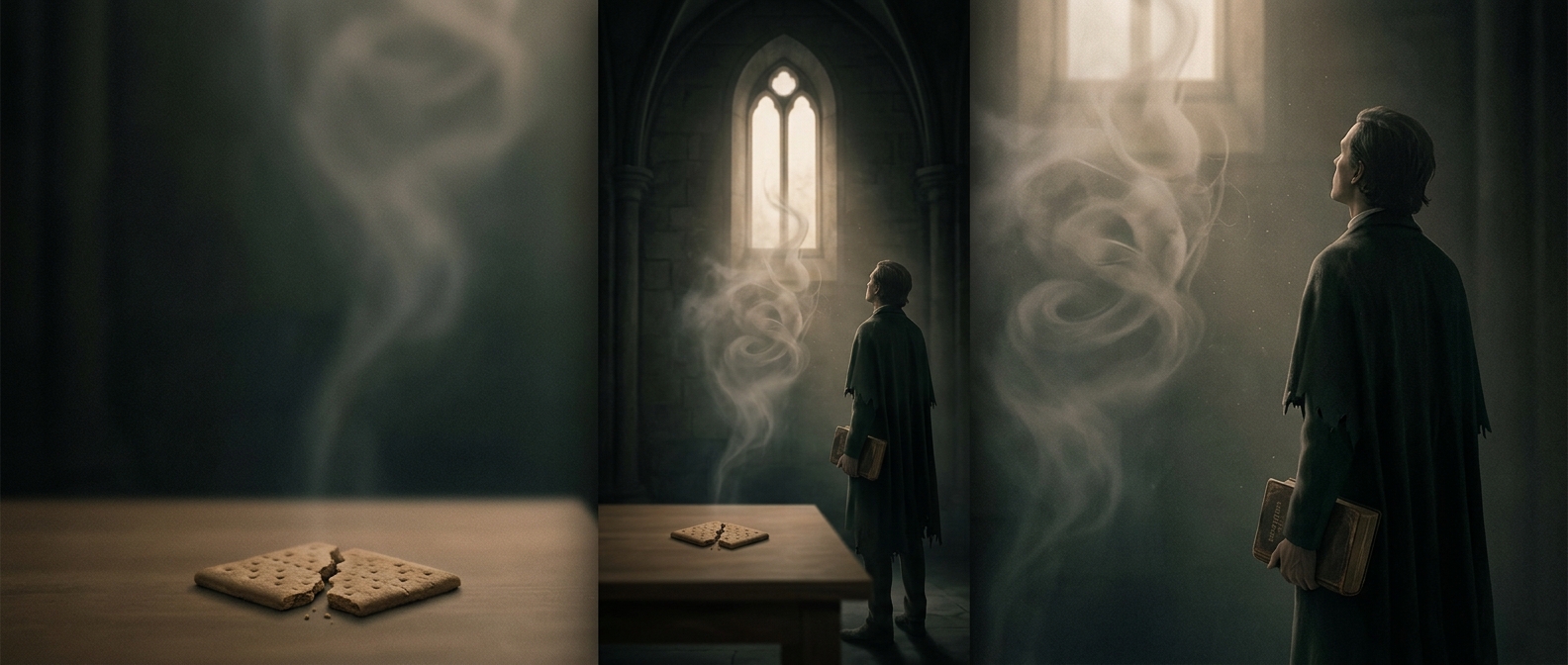
A s'more uses a cracker inspired by dietary restraint
Sylvester Graham promoted whole-grain, plain food as part of a moral health regimen meant to curb bodily appetites. The cracker bearing his name later became…
Discover more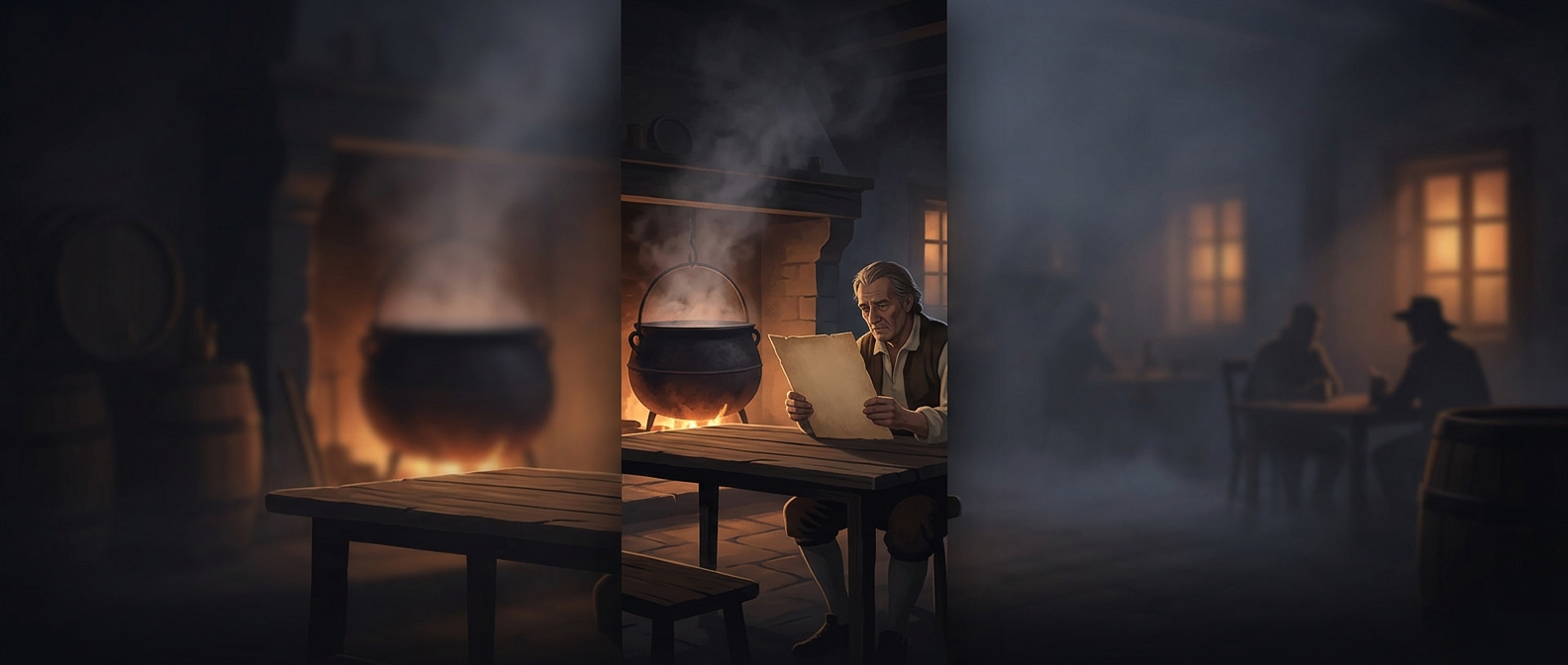
When menus offered no choices
The menu was just a scrap of paper listing the day’s mystery stew—no substitutions or dietary requests.
Discover more
When scientists mistook coral for plants
Coral’s hard, branching skeleton made reefs look like underwater plants, and early marine experts missed the animals living inside them. Tiny polyps wave and…
Discover more
Chinese cycle pairs heavenly stems with branches
Ten heavenly stems and 12 earthly branches rotate together; their pairings take 60 years to repeat. It’s a calendar built from two cycles, not one long list.
Discover more
When walking in circles filled arenas
In the 19th century, spectators packed indoor arenas to watch athletes walk hundreds of miles in endurance contests. The drama came from seeing who could keep…
Discover more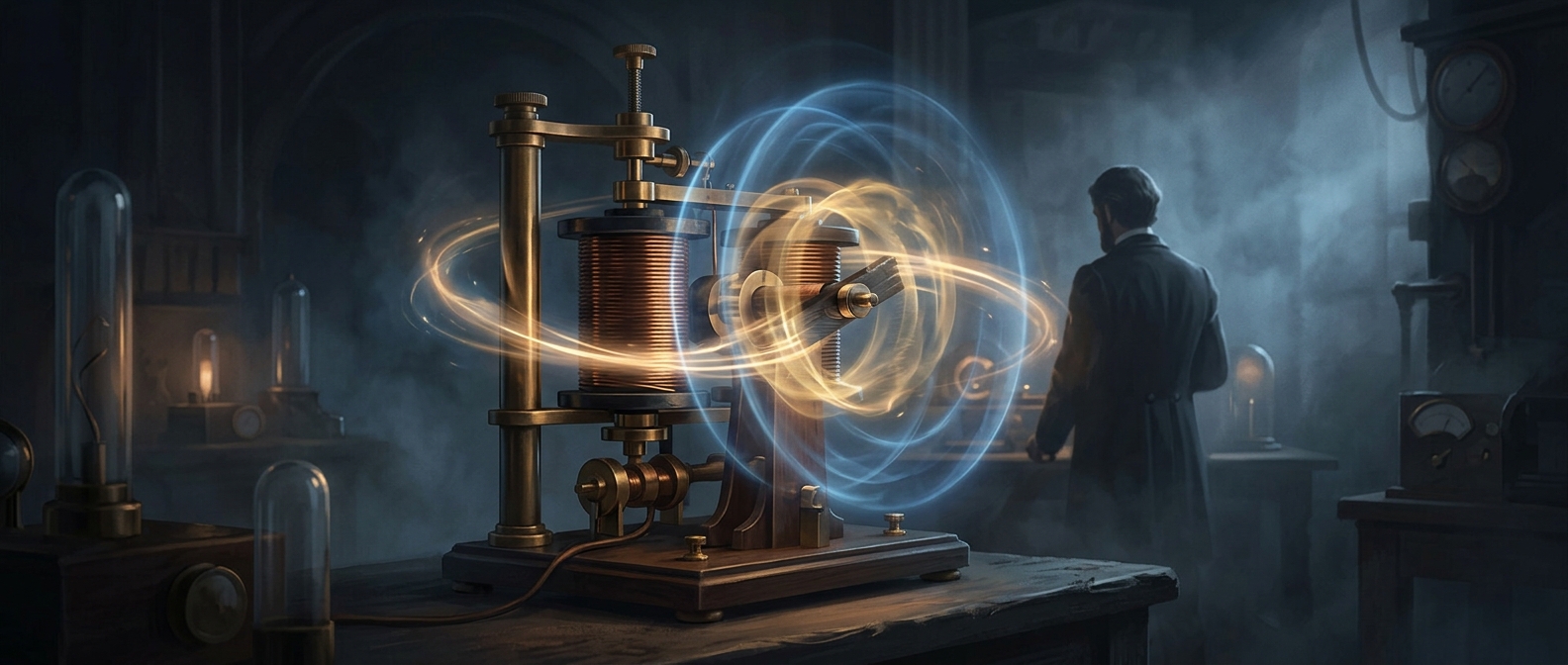
First electric motors used rotating magnetic fields
The rotating magnetic field could turn a metal cylinder without touching it, demonstrating how electrical current could produce motion.
Discover more STACKY FOR IPHONE
A bigger world.
One discovery
at a time.
Keep discovering with Stacky. Interesting facts in an app that is always within reach.
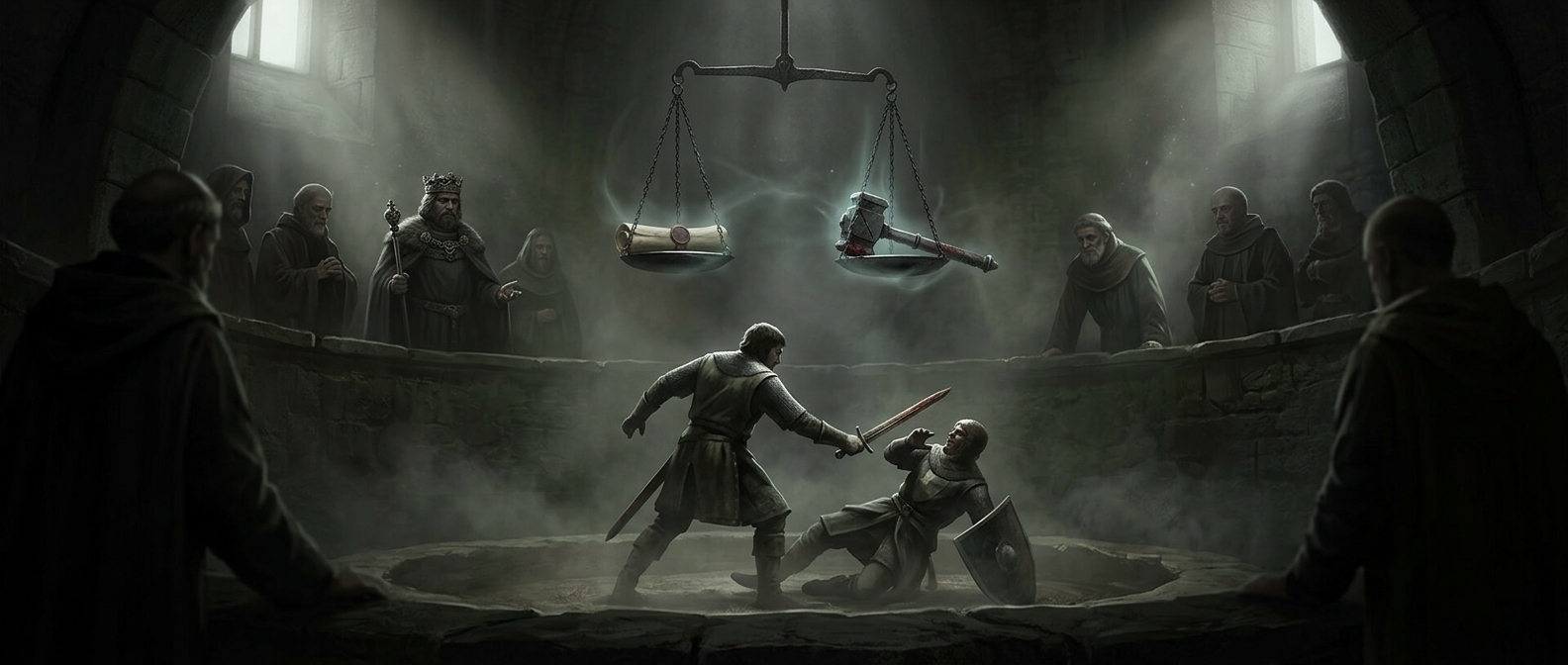
Medieval trial by combat came with a fighting manual
Hans Talhoffer's fight books illustrated techniques for the regulated duels used in some legal disputes. They covered weapons, wrestling and preparations for…
Discover more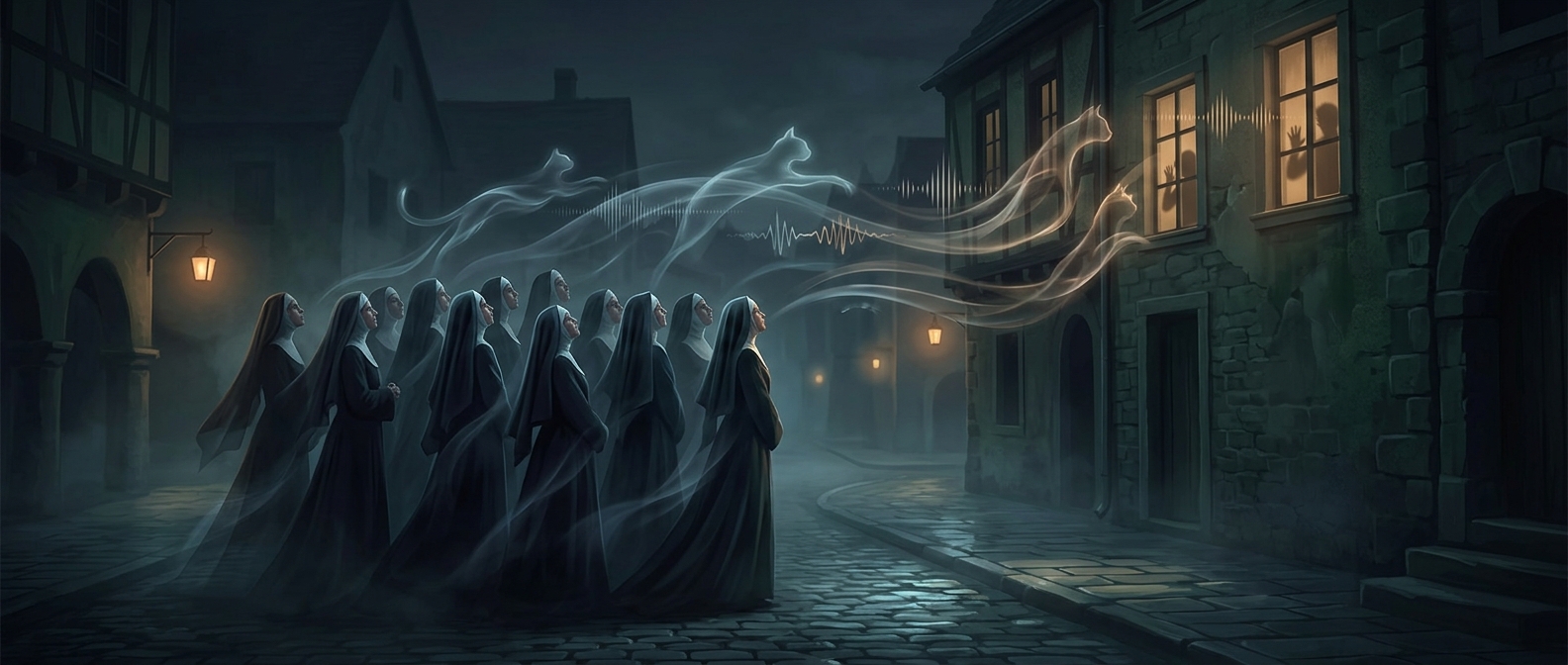
The convent where nuns meowed every afternoon
The convent’s daily meowing reportedly frightened nearby villagers, and authorities responded by threatening the nuns with whips. Their chosen fix for a…
Discover more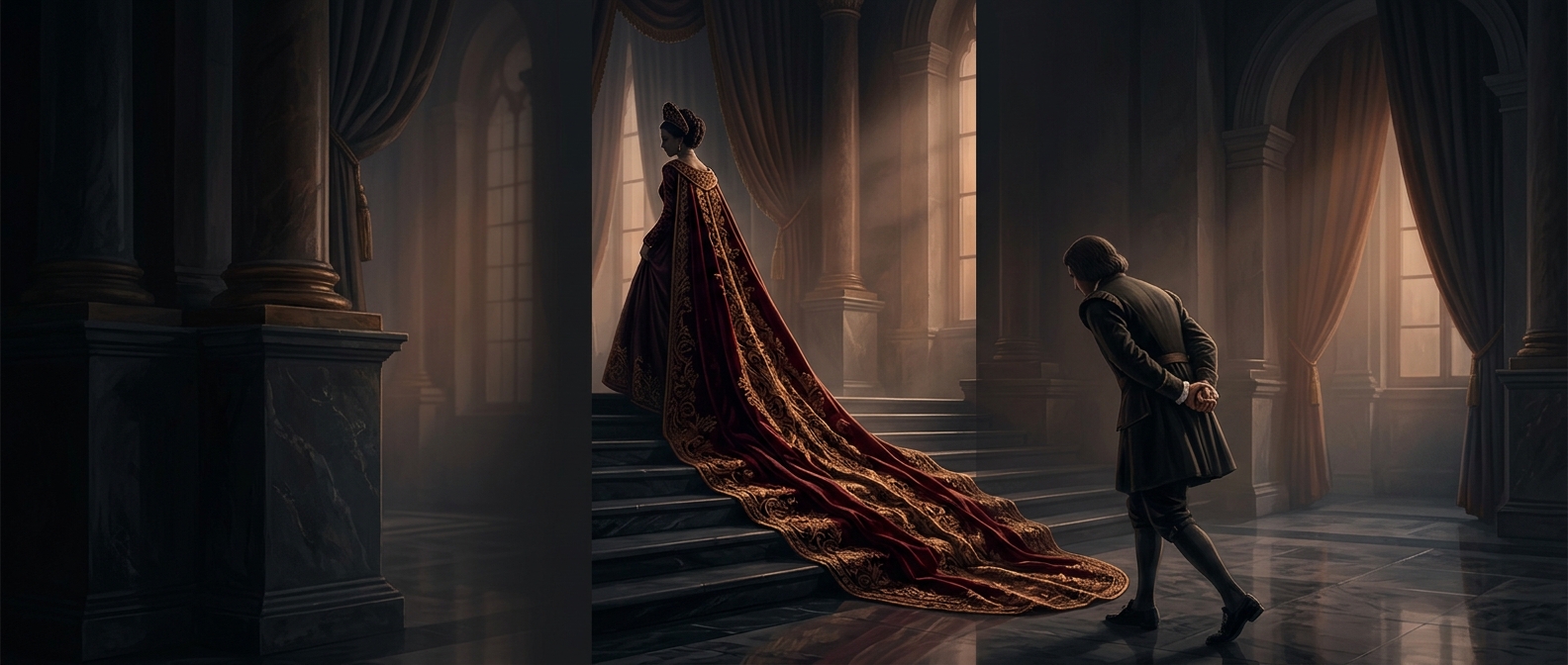
Touching royal garments was strictly forbidden
At some courts, even brushing a monarch’s clothes could bring serious punishment. Keeping subjects physically at a distance helped make royal authority seem…
Discover more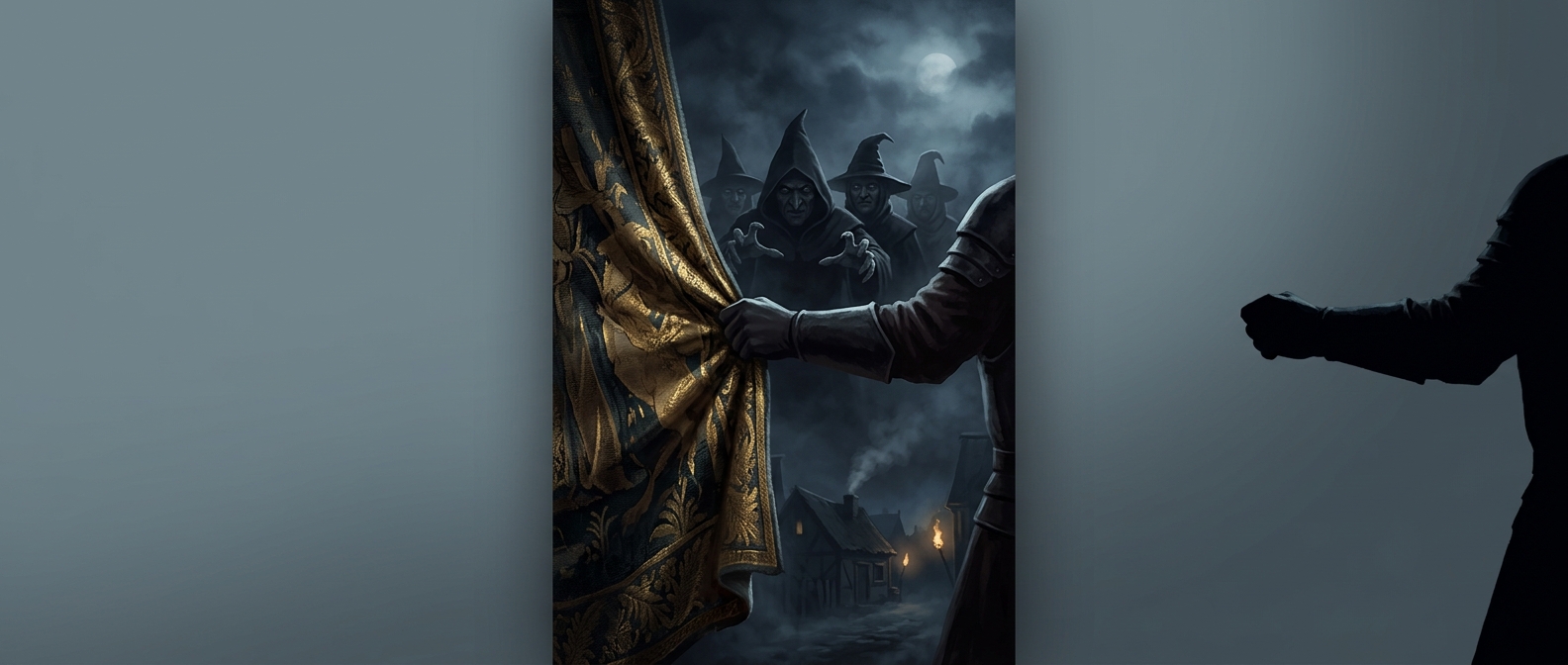
A witch trial could threaten a family's property as well as a life
Confiscation and the costs of prosecution could strip accused people and their relatives of wealth in parts of early modern Europe. The rules differed by…
Discover more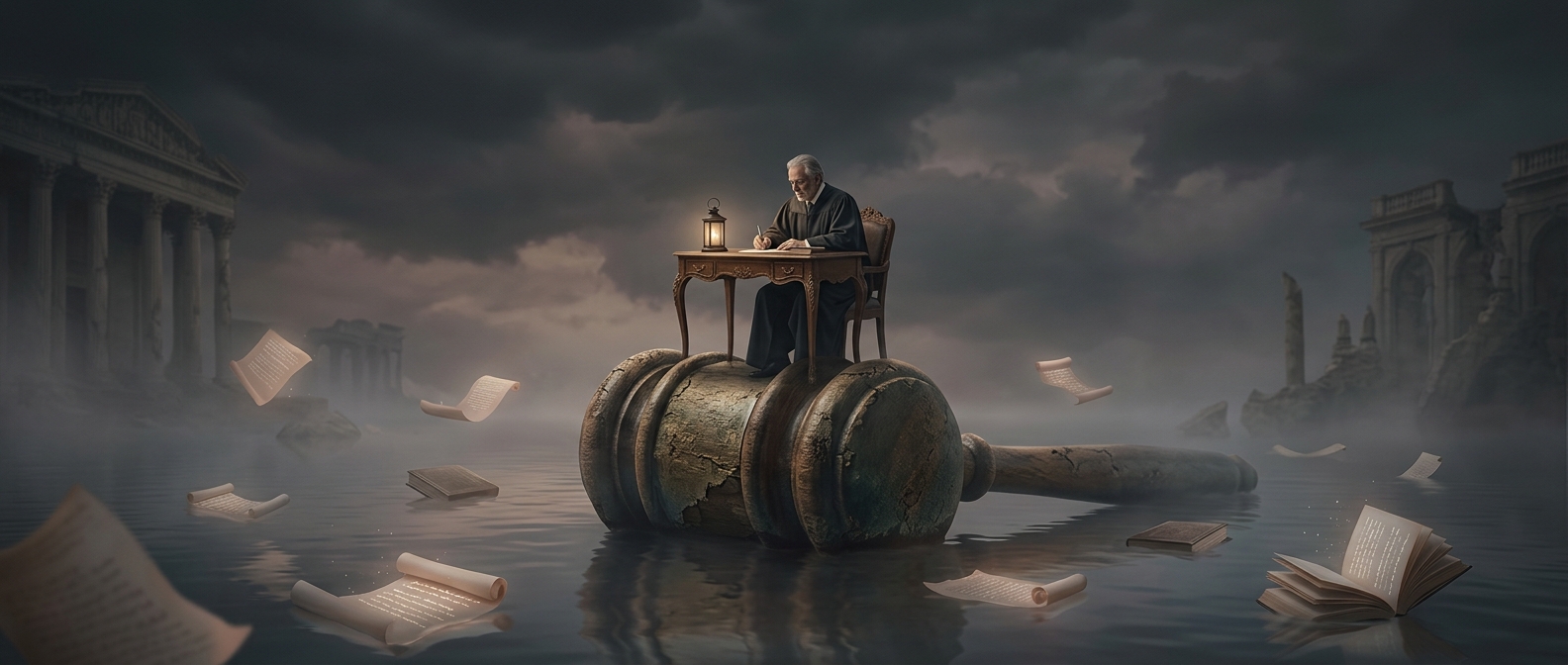
Why international courts can’t enforce their rulings
International courts lack their own police force, so they depend on sovereign states to hand over people they want to prosecute. Without a state's…
Discover more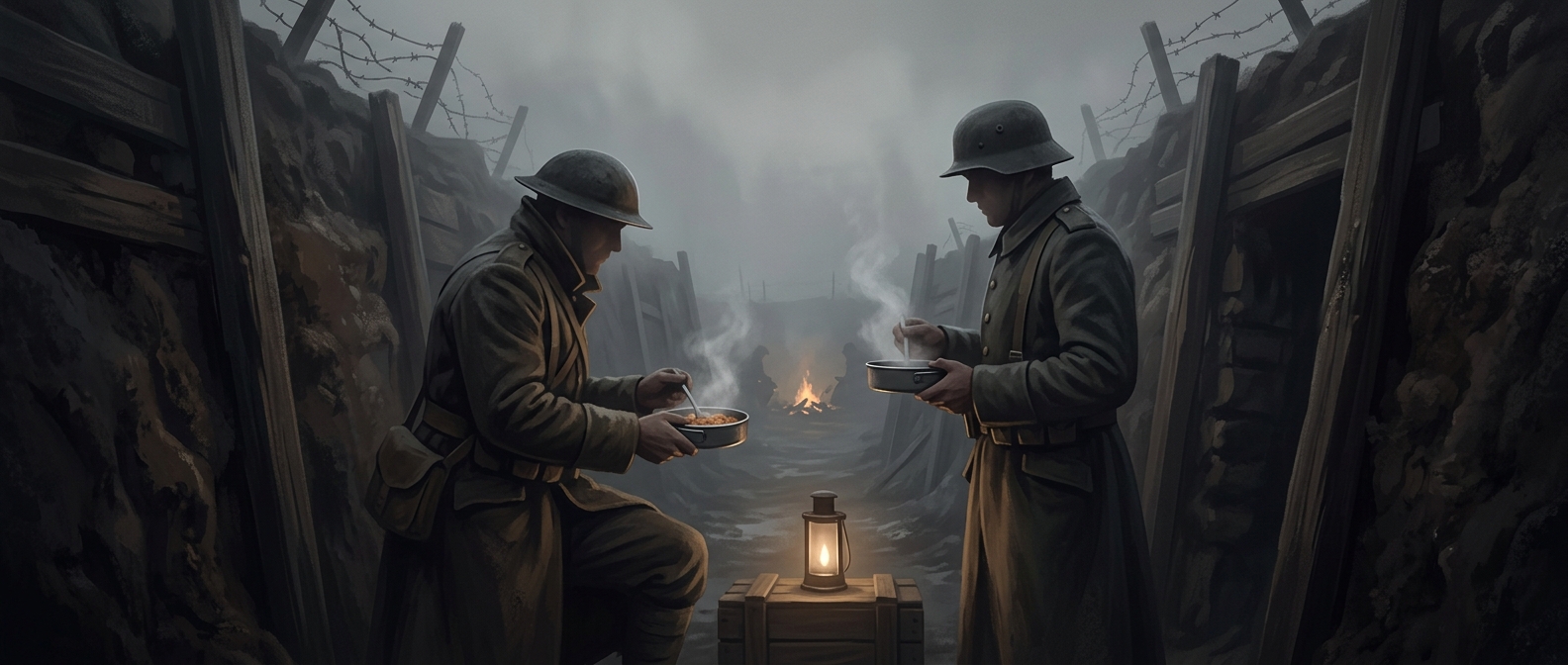
Enemy trenches sometimes developed an unspoken ceasefire
During World War I, some opposing units adopted a live-and-let-live routine, avoiding fire at predictable times or sparing exposed men. Each side could make…
Discover more
When Japan banned citizens from leaving
The Tokugawa shogunate treated overseas travel as a threat to its control: people caught trying to leave faced punishment, and those who made it abroad could…
Discover more
Ancient Olympic athletes competed naked and oiled
Gymnasium comes from the Greek gymnos, “naked”: athletes competed unclothed and rubbed themselves with olive oil. Afterward, they scraped off the oil and dirt…
Discover more
First digital computers relied on mechanical relays
Early programmable computers could contain thousands of physical relays—metal switches that clicked as they represented 1s and 0s, unlike silent silicon chips.
Discover more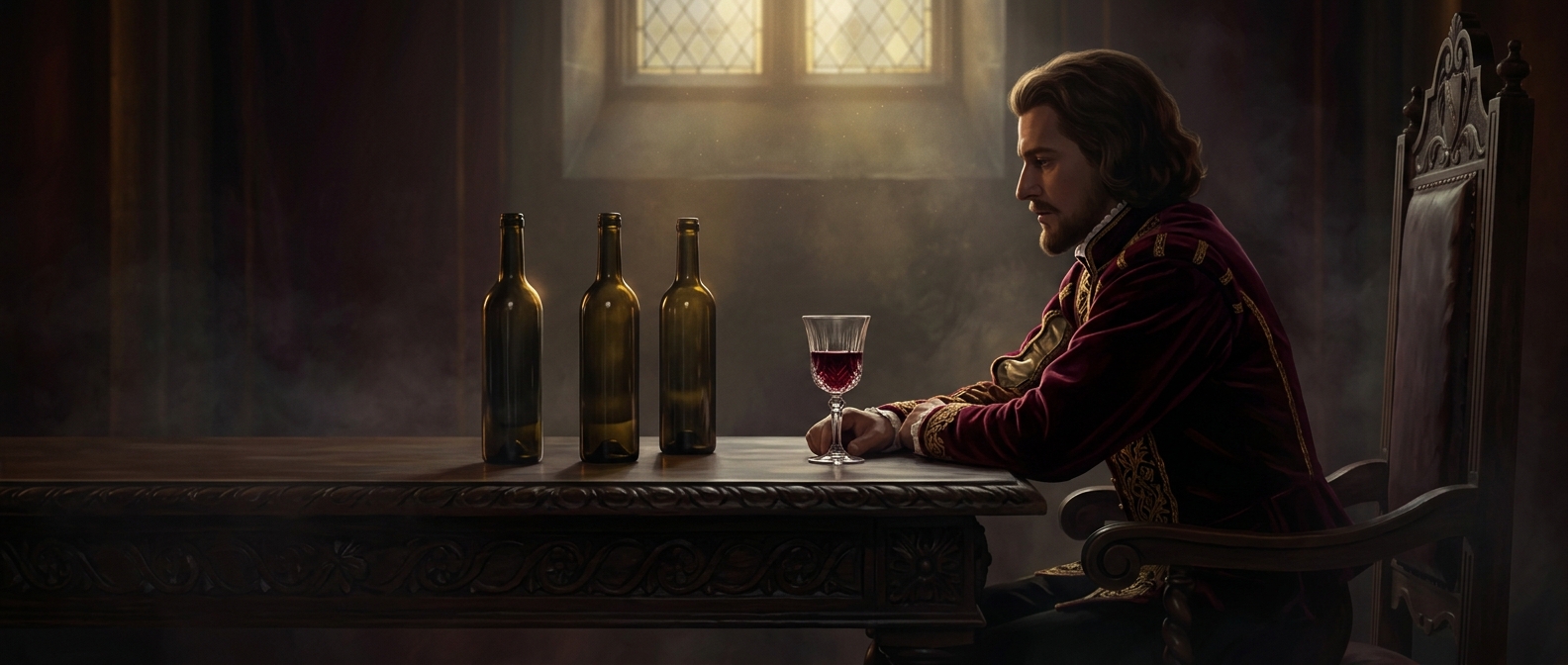
The future George IV hosted a banquet with more than a hundred dishes
At Brighton's Royal Pavilion in January 1817, chef Antonin Carême prepared the feast for the Prince Regent and Russia's Grand Duke Nicholas. The menu included…
Discover more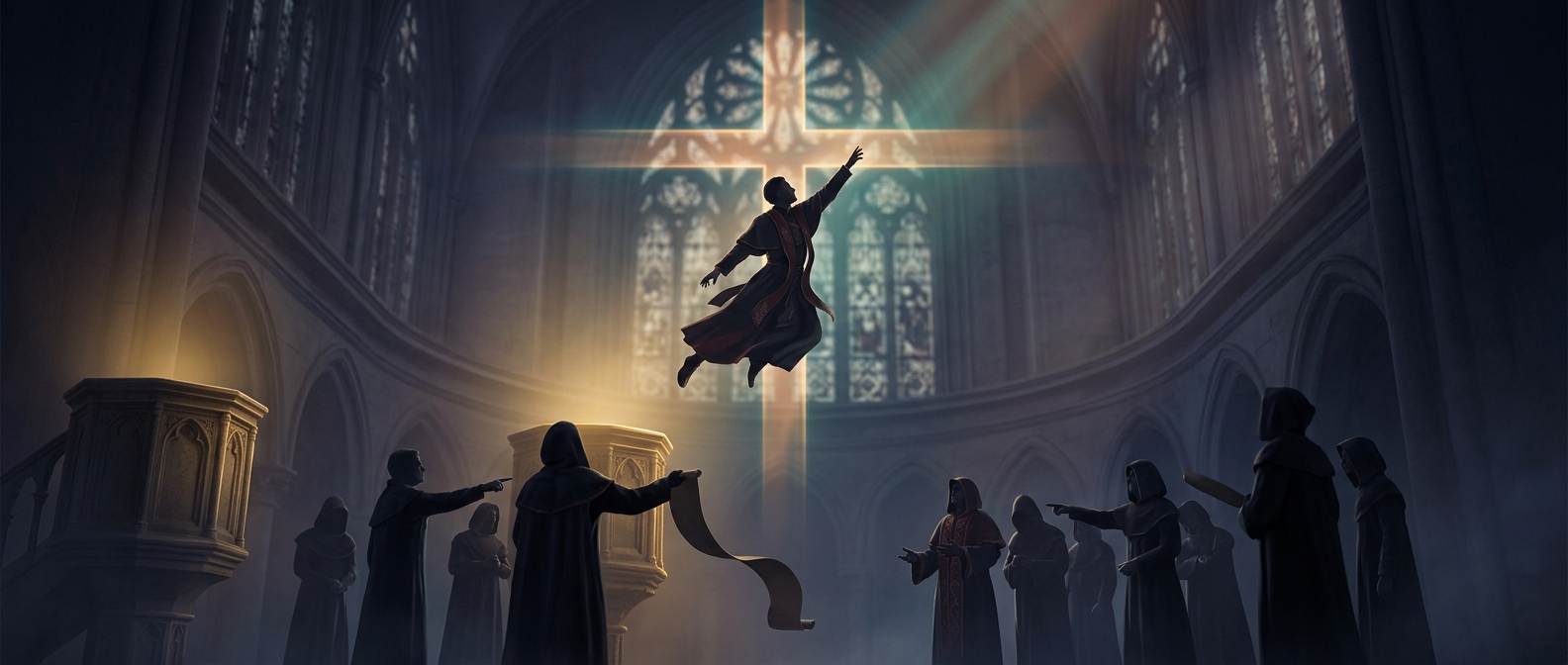
A sixth-century church council told priests not to dance at feasts
The Council of Auxerre, held around 578, included a rule against priests dancing or singing at banquets. Other rules addressed behavior inside churches. The…
Discover more
Why people knock on wood for luck
One explanation for knocking on wood is the belief that spirits or gods lived in trees; knocking was a way to call on them for luck or protection.
Discover more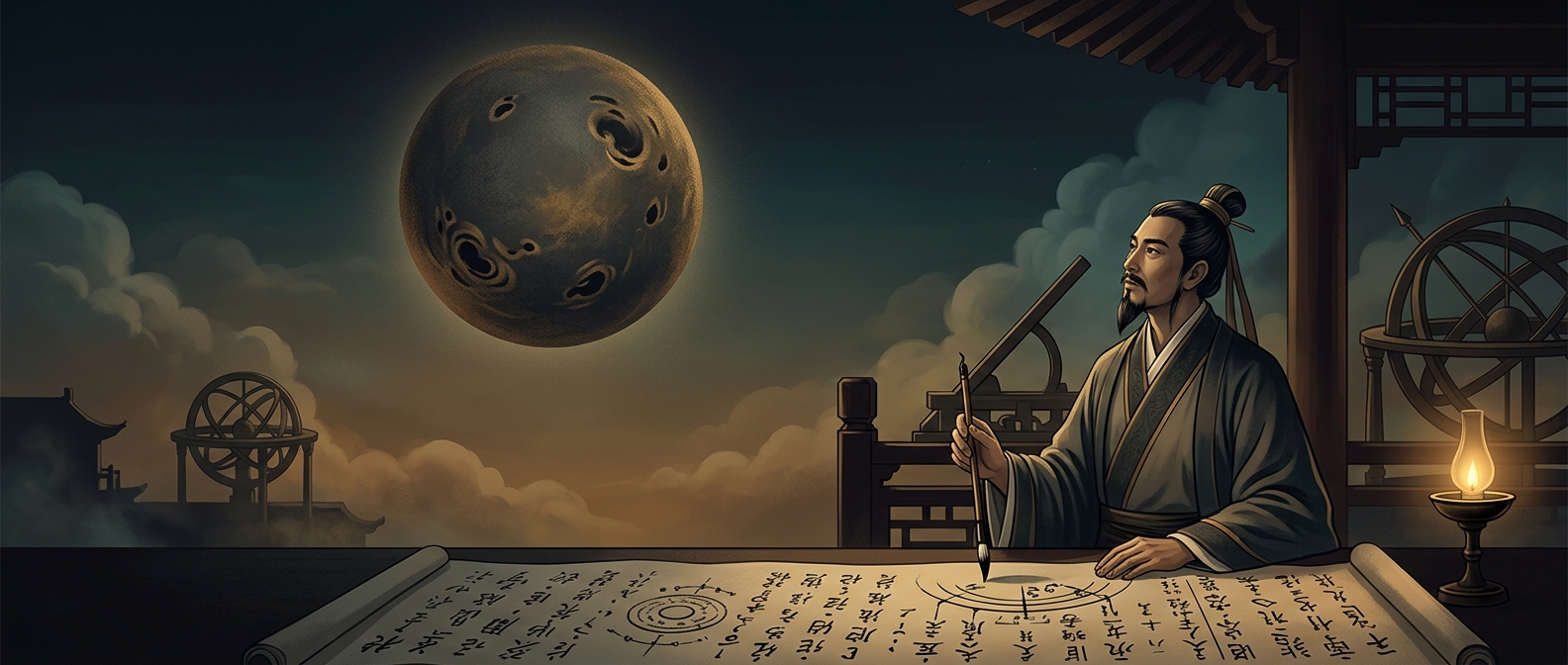
How ancient Chinese astronomers spotted sunspots
Haze and dust dimmed the Sun enough for observers to notice dark spots without telescopes. Chinese records go back to 28 BC; sometimes the atmosphere itself…
Discover more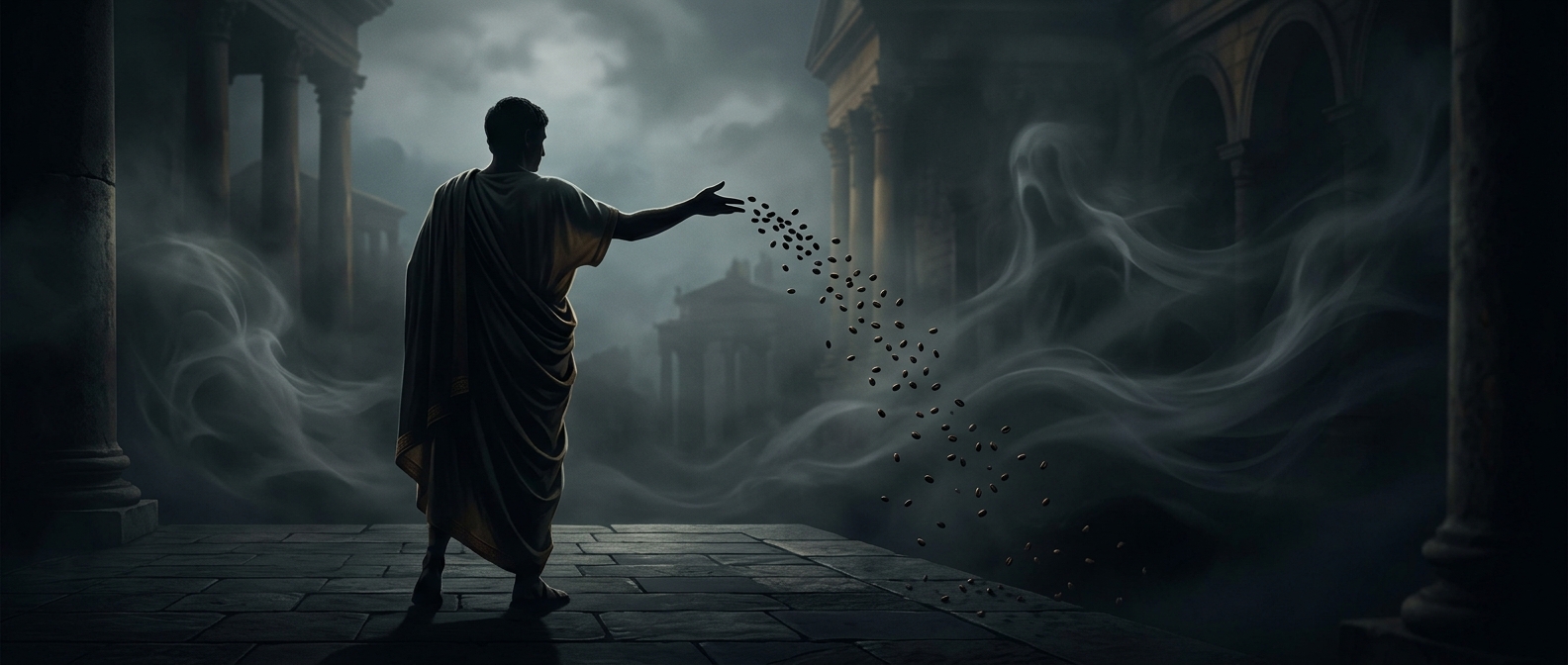
Romans distracted ghosts with handfuls of beans
Romans believed restless spirits would stop to collect black beans, leaving the household alone. It was less a fight with ghosts than a midnight snack-based…
Discover more
Eggplants were historically domesticated in India
Wild eggplants were small and white, so they looked like eggs growing on a bush. Indian farmers selectively bred them over centuries into larger varieties,…
Discover more
Cotton fibers were spun heavily in the Indus Valley
Workers in the Indus Valley spun cotton fibers into thread by hand, producing lightweight, breathable fabric. The cloth was well suited to hot weather, but…
Discover more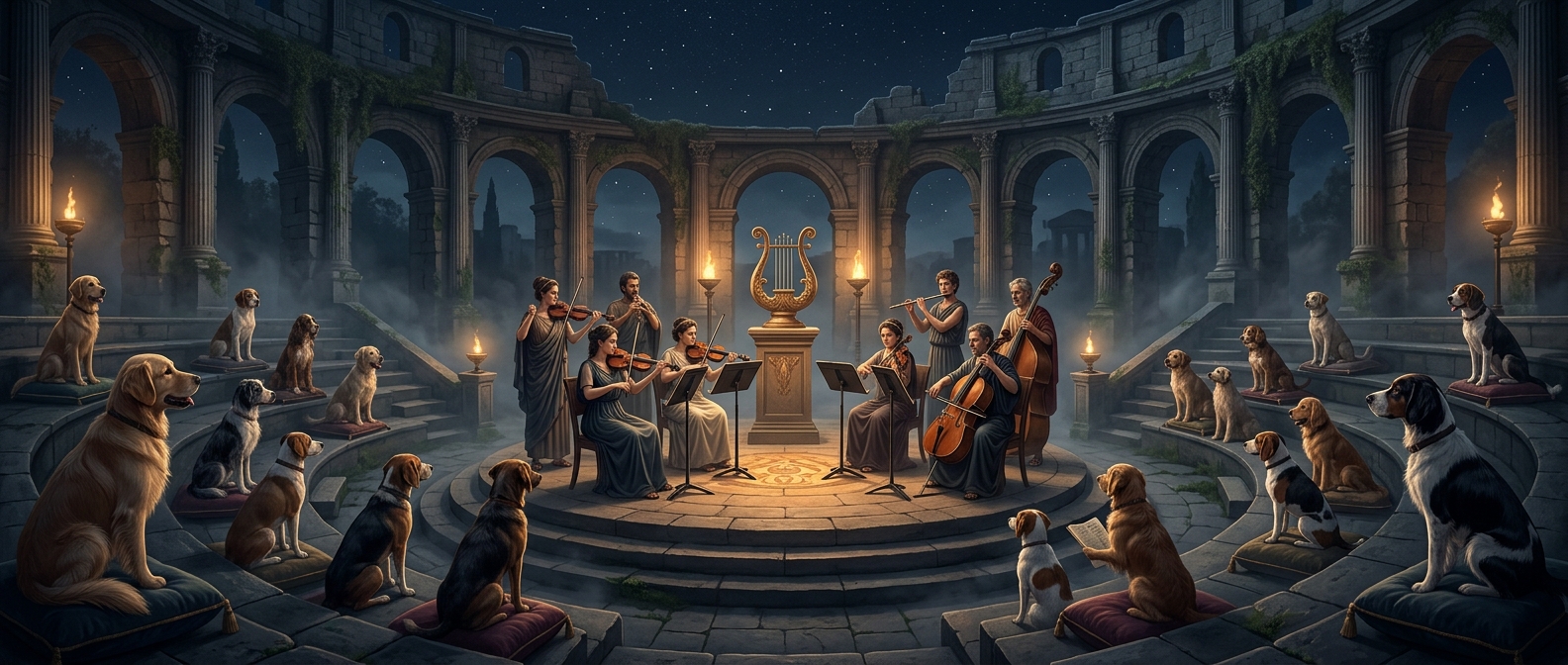
Sydney hosted a concert written for an audience of dogs
Laurie Anderson and Lou Reed staged the event outside the Opera House in 2010. Anderson's short composition included high-pitched sounds, and dogs responded…
Discover more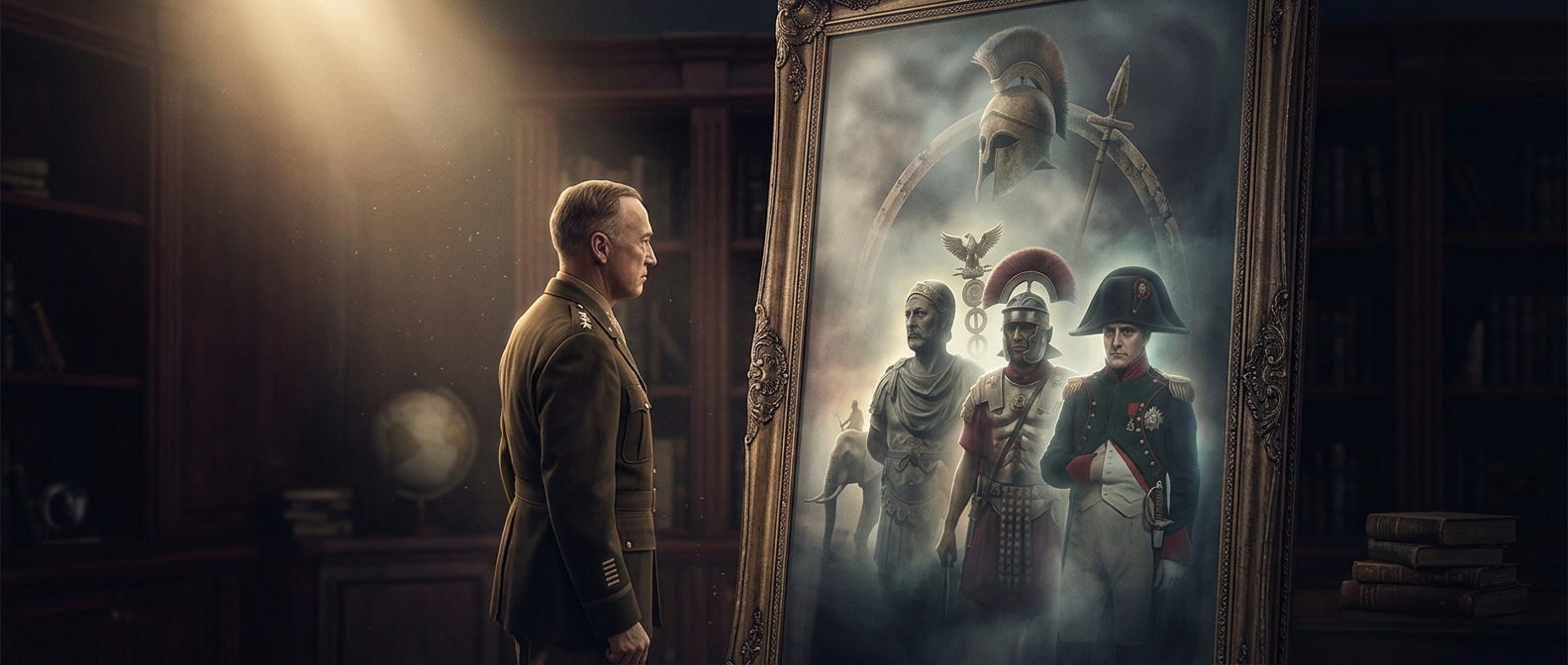
George Patton believed he had been several soldiers before
Patton wrote poems describing past lives as a Greek hoplite fighting the Persians, a Roman legionnaire, and a cavalryman in Napoleon’s army. The battlefield…
Discover more