A reef’s shape encouraged the wrong comparison
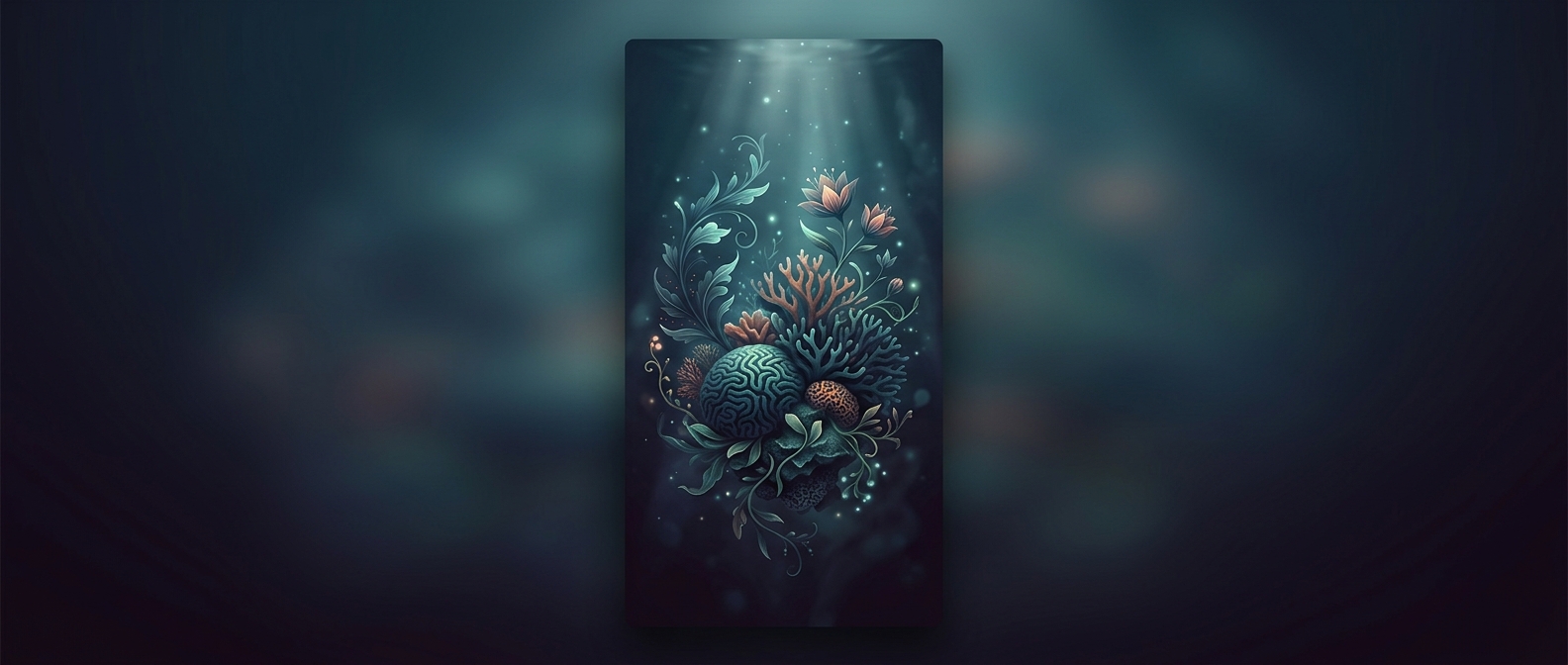
From a distance, a coral colony can look like a leafless shrub: it stays fixed to the seafloor, branches outward, and leaves behind a rigid structure. Those visible features made coral seem plantlike to observers who could not easily see what was happening across its surface. The living animals are tiny and soft, while the hard framework dominates the view.
That framework is built by coral polyps—small animals related to sea anemones. Each polyp lives in a cup in the colony’s skeleton. It extends delicate tentacles to catch plankton, then withdraws them, so the animal’s movements can be easy to miss beside the much larger branches it inhabits.
The “branches” are a record of animal activity
As polyps grow, they deposit hard material around themselves. New polyps form and add to the structure, leaving a durable skeleton after the living tissue has grown over it. What looks like a plant’s woody stem is therefore closer to a shared, slowly enlarged home, built by generations of animals.
Recognizing coral as animal-made changed the question observers had to ask. The reef was not simply a plantlike growth attached to the seabed; it was a structure produced by colonies of feeding creatures. The visible branch was the lasting architecture. The animal that built it might be only a small, moving polyp at its surface.