How a jar of rum could preserve a specimen
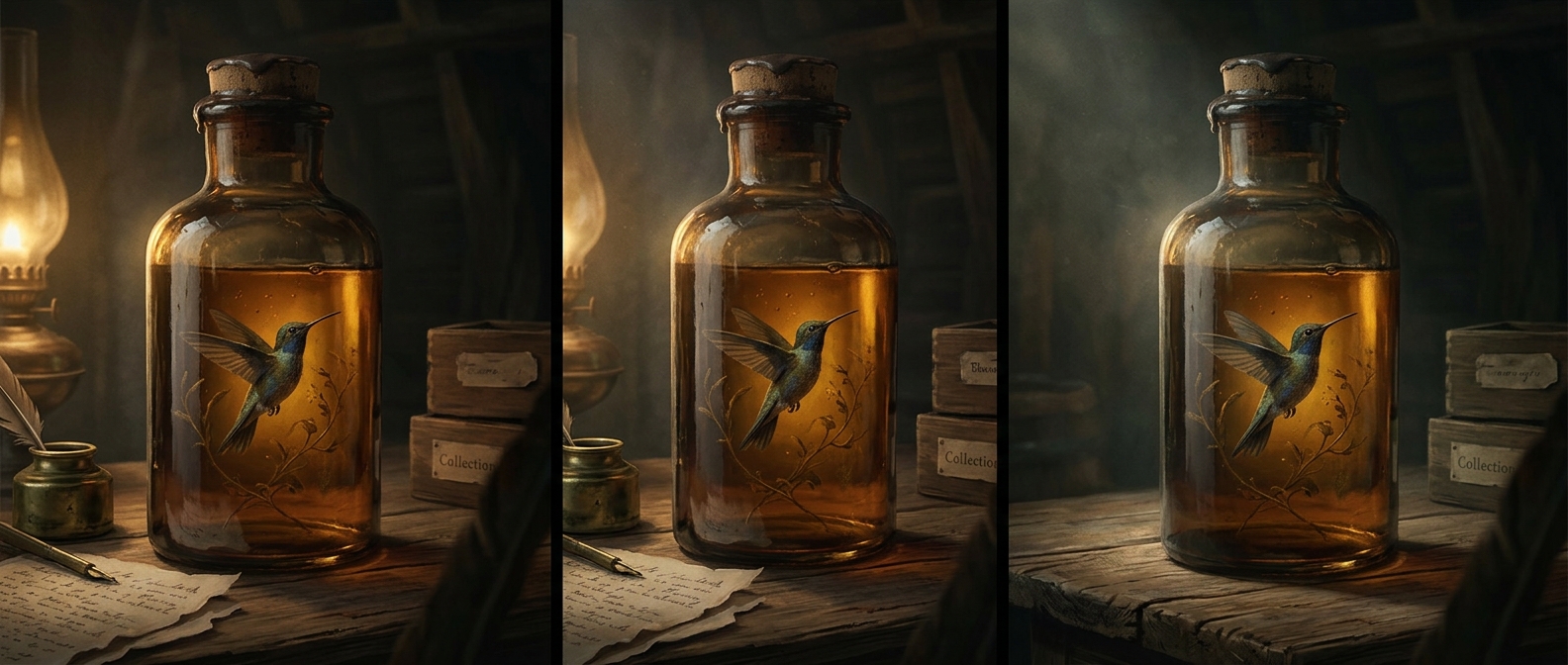
An animal begins to decompose soon after death. Bacteria and other microbes multiply in its tissues, while the animal’s own enzymes start breaking those tissues down. Rum offered a portable way to slow both processes: its alcohol disrupted microbial cells and altered proteins, making the jar a hostile place for many of the organisms responsible for decay.
The liquid also kept a small specimen contained and submerged, protecting it from drying out and from damage during a voyage. For an explorer far from a laboratory, a bottle of locally available spirits could serve as both a container and a preservative.
Preservation came with tradeoffs
Rum was not a perfect substitute for a carefully prepared scientific preservative. Its alcohol strength varied, and the liquid contained water; once an animal’s fluids mixed into the jar, the effective alcohol concentration could fall. A specimen might therefore be preserved unevenly or deteriorate over time. Alcohol could also shrink or stiffen tissues and fade natural colors, changing details that collectors hoped to study.
Even so, preserving an unusual animal mattered more than preserving every feature perfectly. A specimen that survived the crossing could be examined, compared, and recorded; one left to decay at sea would be lost. The rum jar was a practical compromise: it turned a chance encounter in a remote place into evidence that could travel home.