How oxygen was found before it was published
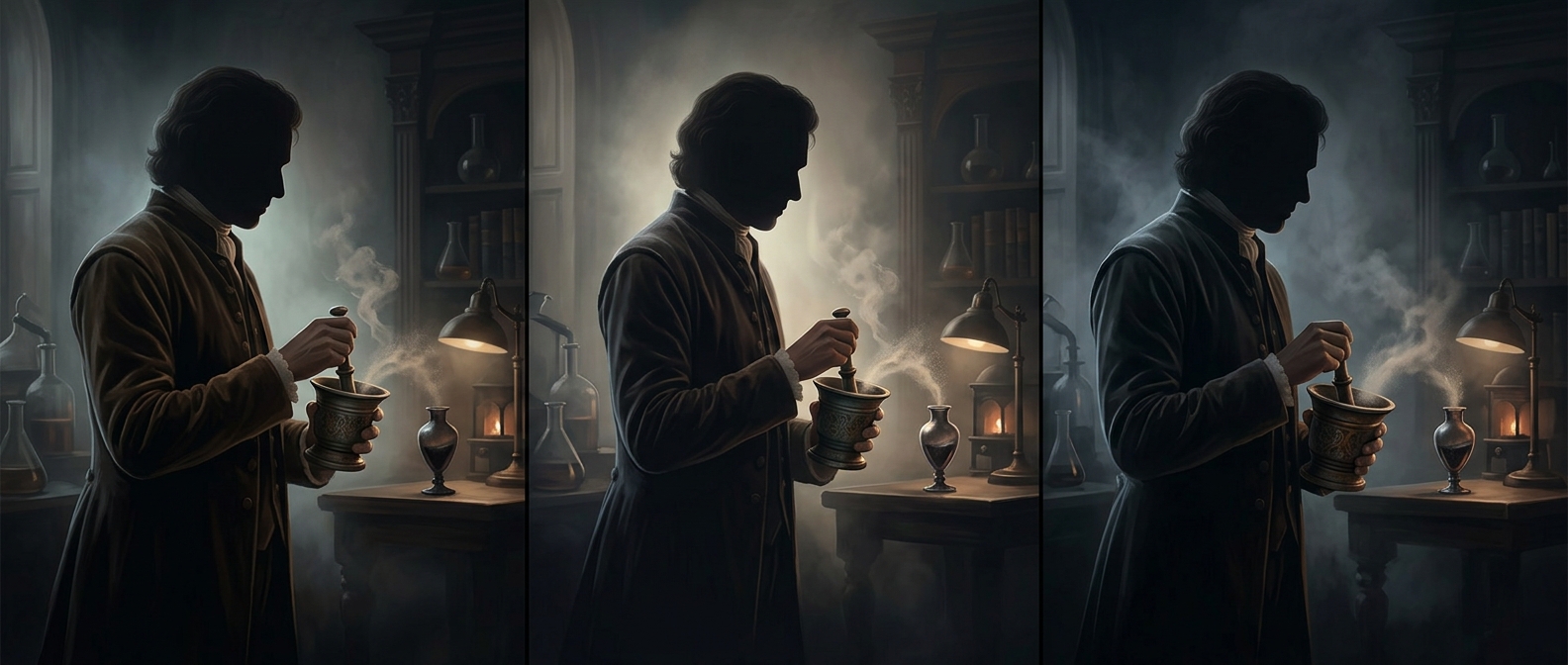
In the 1770s, chemists did not yet understand oxygen as an element in the modern sense. They studied “airs”—gases collected in vessels—and tried to learn what each one did. A gas that made flames burn more vigorously was a striking result, but recognizing its properties was not the same as getting a discovery into print.
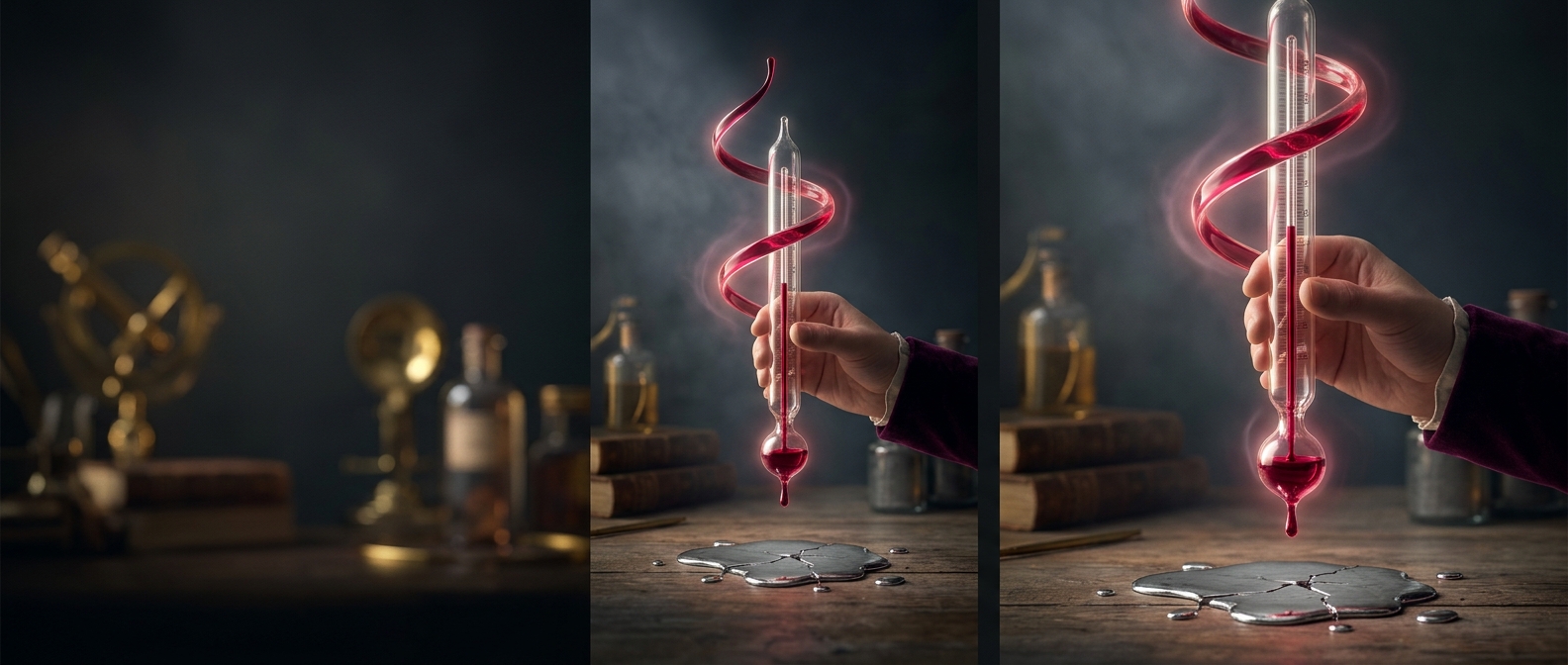
Swedish chemist Carl Wilhelm Scheele produced this unusually fire-supporting gas by heating substances including mercuric oxide, a red compound. He called it “fire air” and recorded his experiments before the English chemist Joseph Priestley made oxygen independently. But Scheele’s account appeared in a book published in 1777, several years after the work had been done.
The race was decided by the press
Priestley heated mercuric oxide in 1774 and published his findings in 1775. His account therefore reached readers first, even though Scheele’s experiments had come earlier. The distinction is a useful one: priority in doing an experiment and priority in publishing it are not always the same thing.
Publication mattered because other investigators could read, assess, and build on a result only after it became public. Scheele’s delay did not erase his independent discovery, but it meant that readers encountered Priestley’s report first. The episode shows how scientific credit can turn not only on what happens at the bench, but also on when the evidence is made available to others.