Patton’s Past Lives Were All on the Battlefield
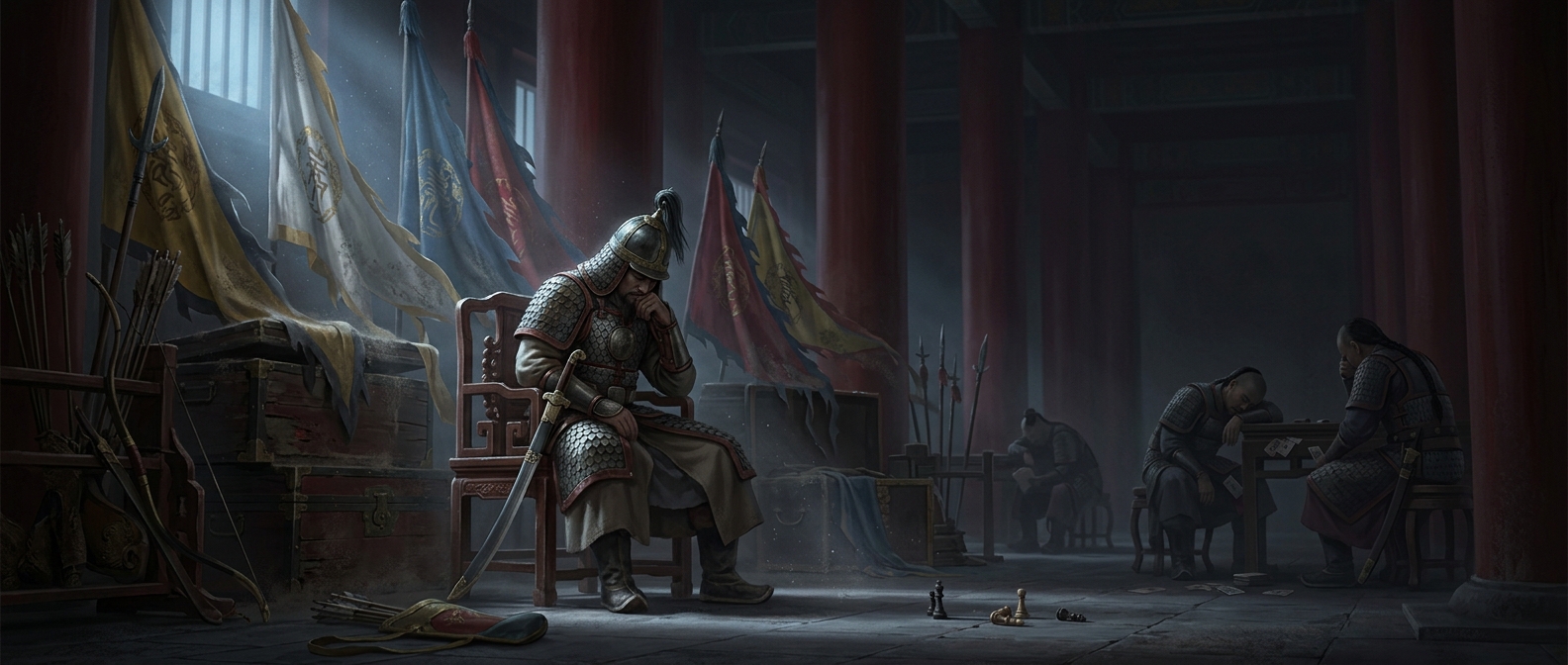
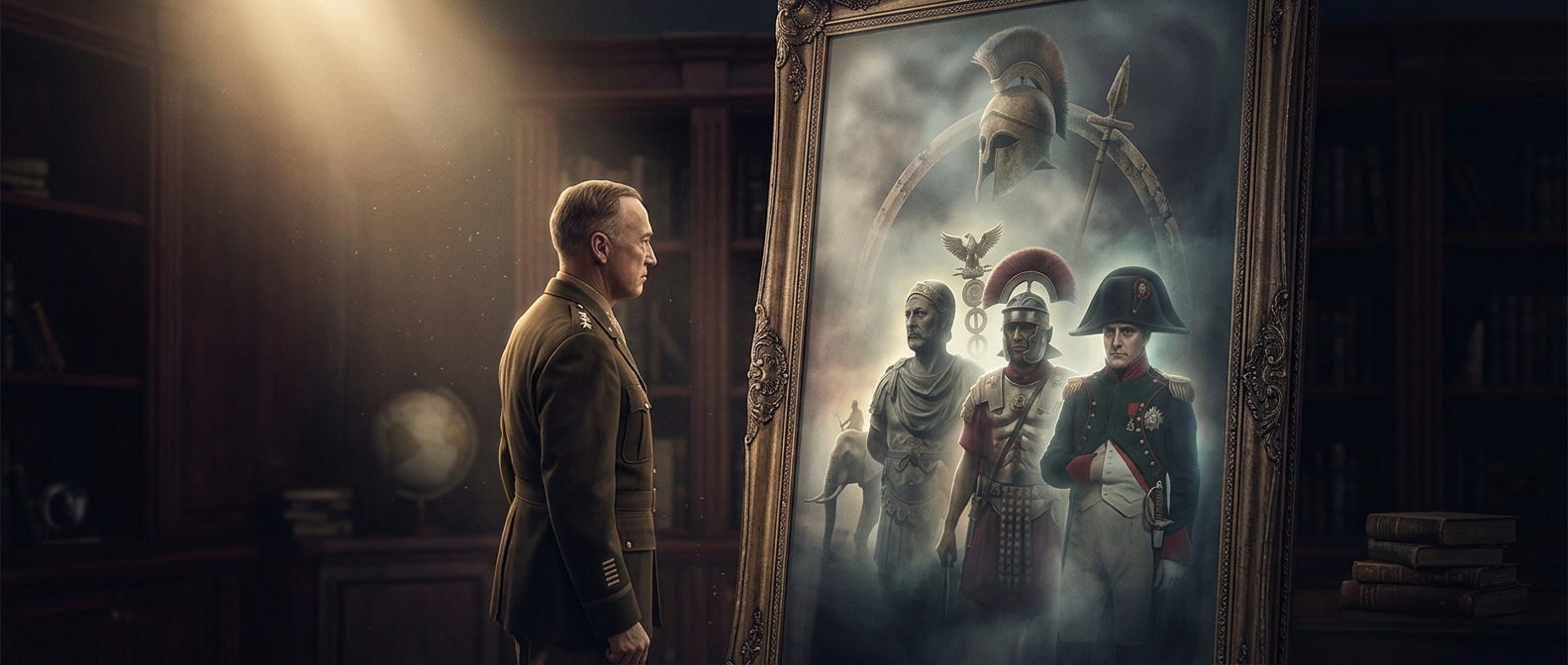
George Patton’s poems imagine him serving in three different armies: as a Greek hoplite, a Roman legionnaire, and a cavalryman in Napoleon’s forces. A hoplite was a heavily armed foot soldier who fought in formation; a legionnaire served in the organized infantry of ancient Rome. The eras differ, but the poem’s speaker repeatedly returns to the same setting: war.
That repetition gives the poems a more specific shape than a general claim of reincarnation. Patton pictured himself not merely living in the past, but taking a place in its ranks. The recurring soldier’s role links classical Greece and Rome to the much more recent Napoleonic age through a single imagined identity.
A Soldier’s View of History
Patton was deeply interested in military history, and his poems draw on the kinds of armies and conflicts that occupied that interest. The past-life idea let him cast that history as personal memory: instead of observing famous battles from a distance, the poem’s voice imagines having fought in them.
The poems do not establish what happened in any previous life, and their literary form matters. They reveal how Patton represented himself in verse—as a figure whose connection to warfare seemed to reach beyond one lifetime. Across centuries, the details change; the imagined role stays the same.