History
Discover facts about history. Small discoveries that change the way you see familiar things.
History

European Union legislation requires thousands of translators
Every EU law must be translated into all 24 official languages, including Maltese and Finnish. These are not just convenience copies: each language version…
Discover more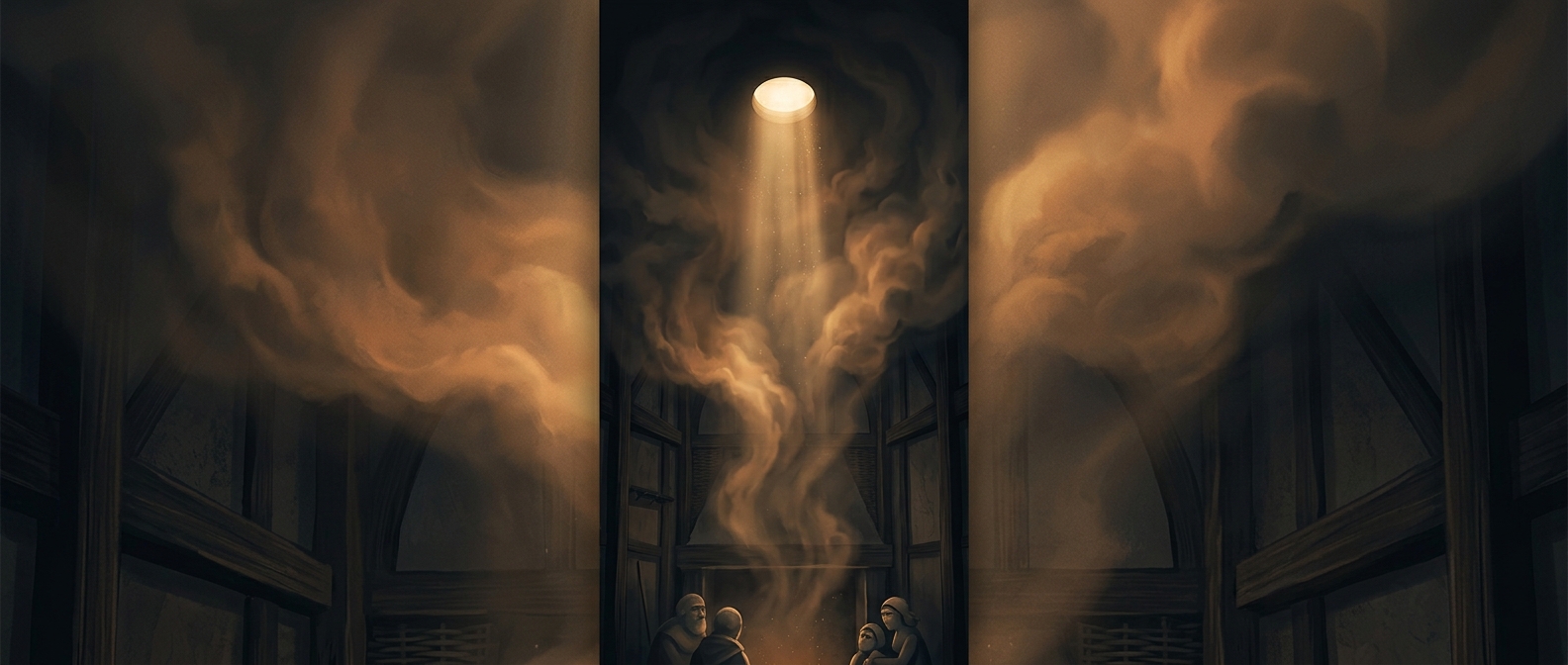
Why medieval homes were filled with smoke
Cooking fires warmed medieval homes and made dinner, but with little ventilation, their smoke lingered indoors. People were left coughing and soot-streaked in…
Discover more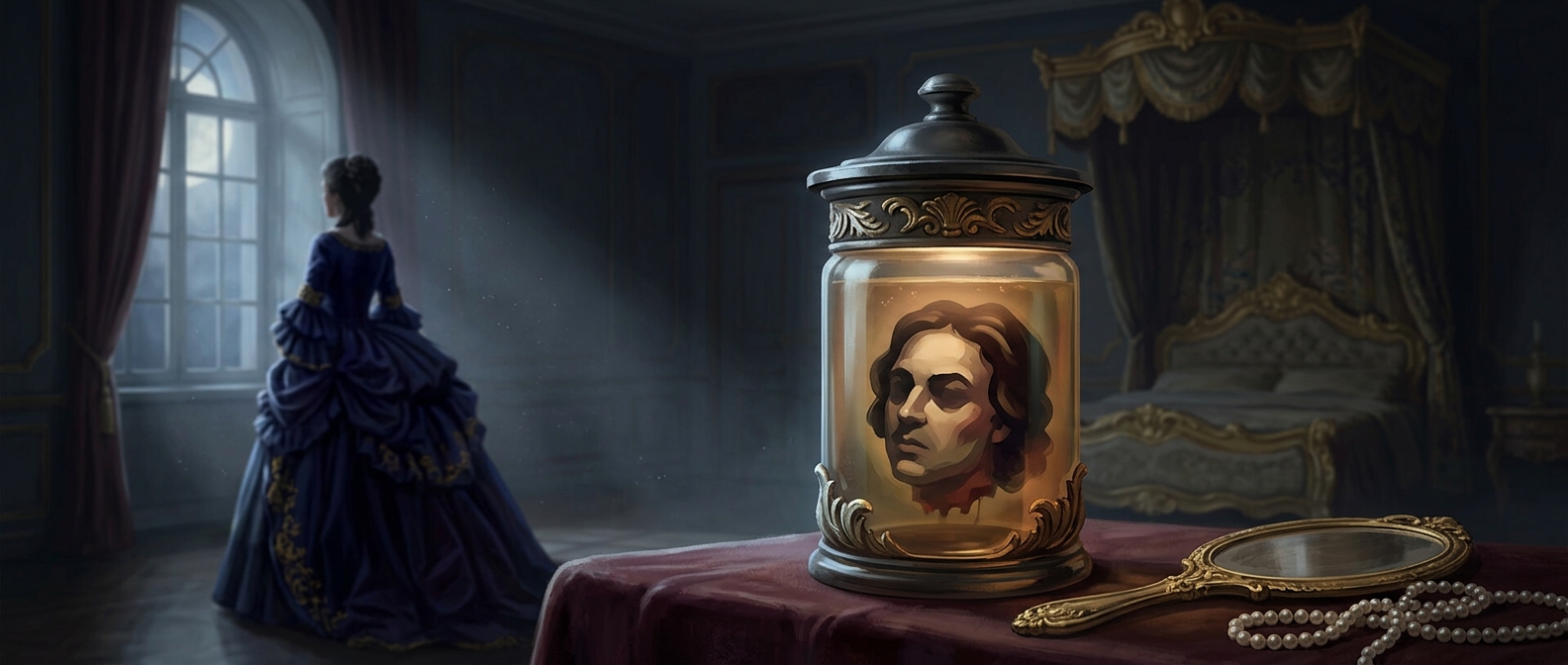
Peter the Great kept his wife’s lover’s head in a jar
After discovering Catherine’s affair with William Mons, Peter had Mons beheaded and kept his head in a jar of alcohol on her nightstand. The punishment became…
Discover more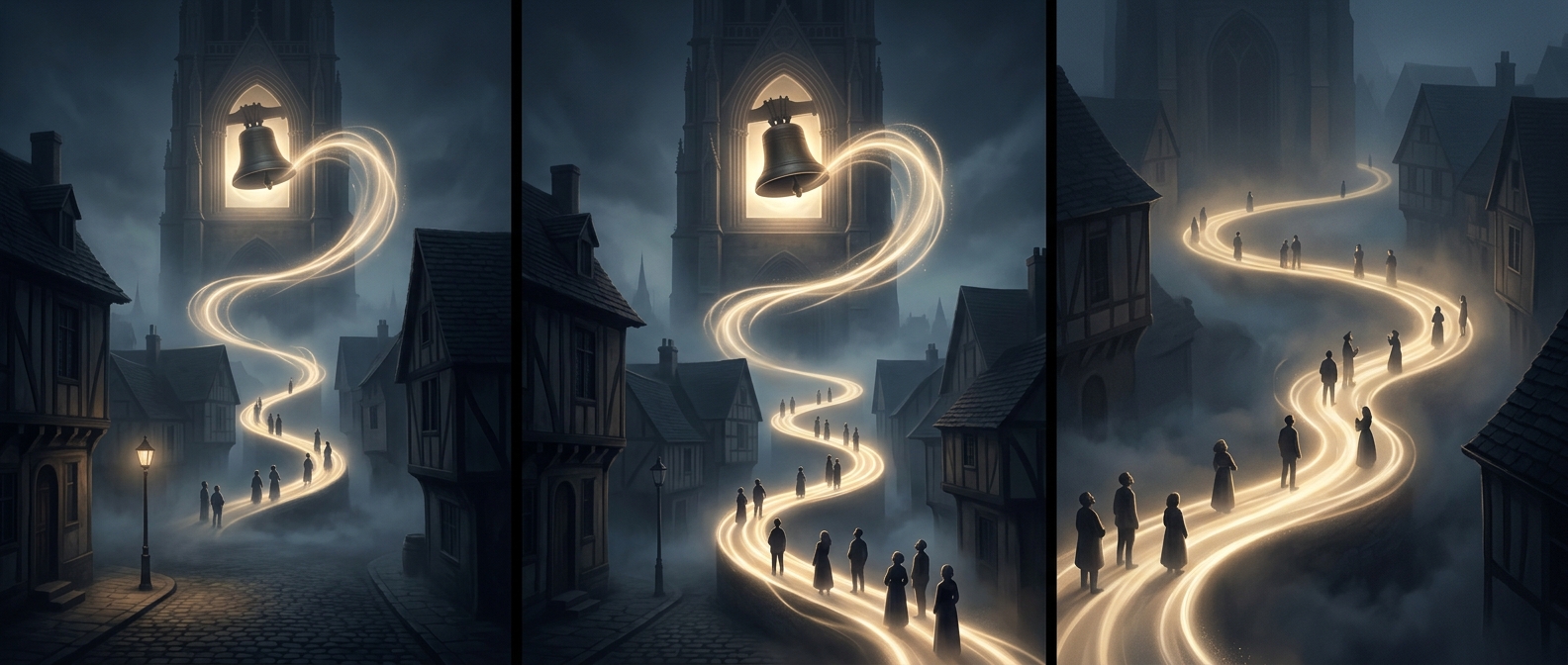
People told time solely by listening to local church bells
Without pocket watches, people could use church bells to keep daily routines on schedule. A familiar ring meant lunch or another set hour had arrived; the…
Discover more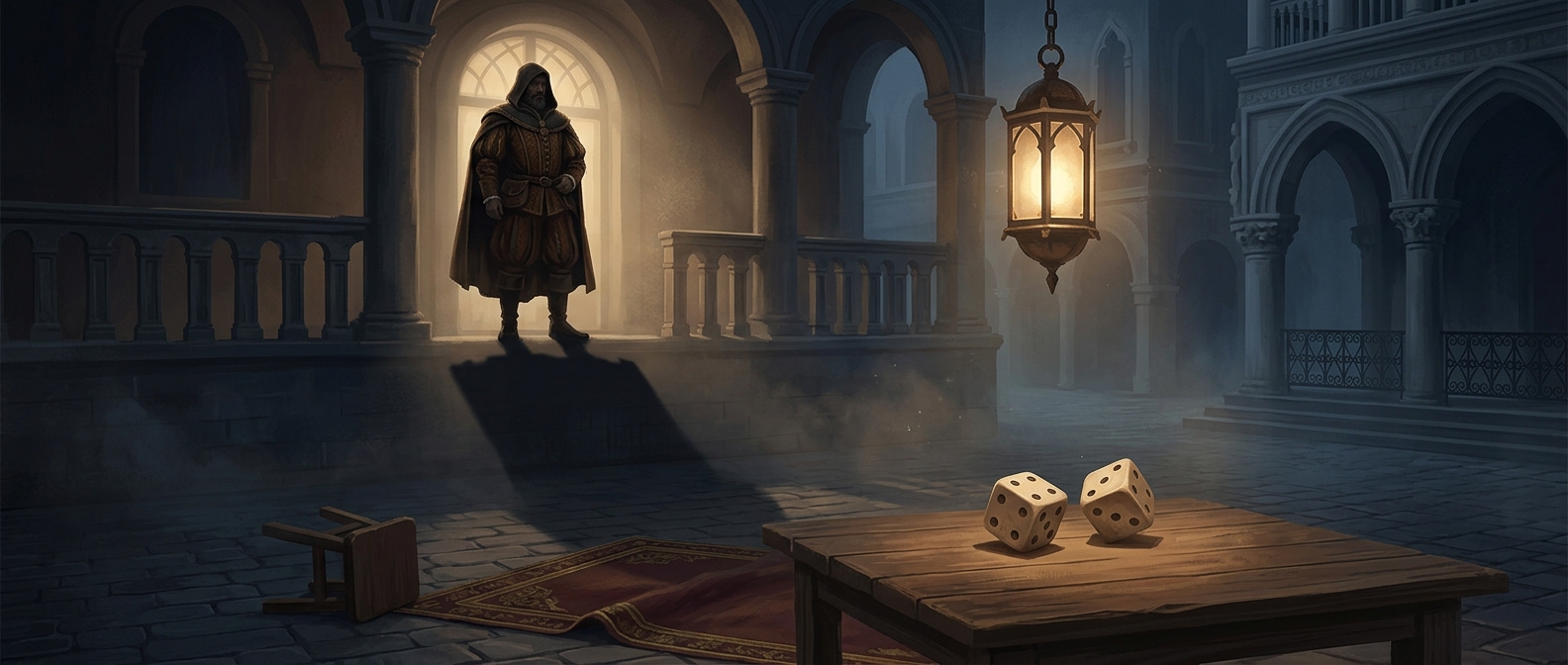
Italian mayor strictly banned public dice rolling
Dice games were clogging public paths, so a 14th-century Italian official made throwing dice there a crime. He solved the traffic problem by banning the…
Discover more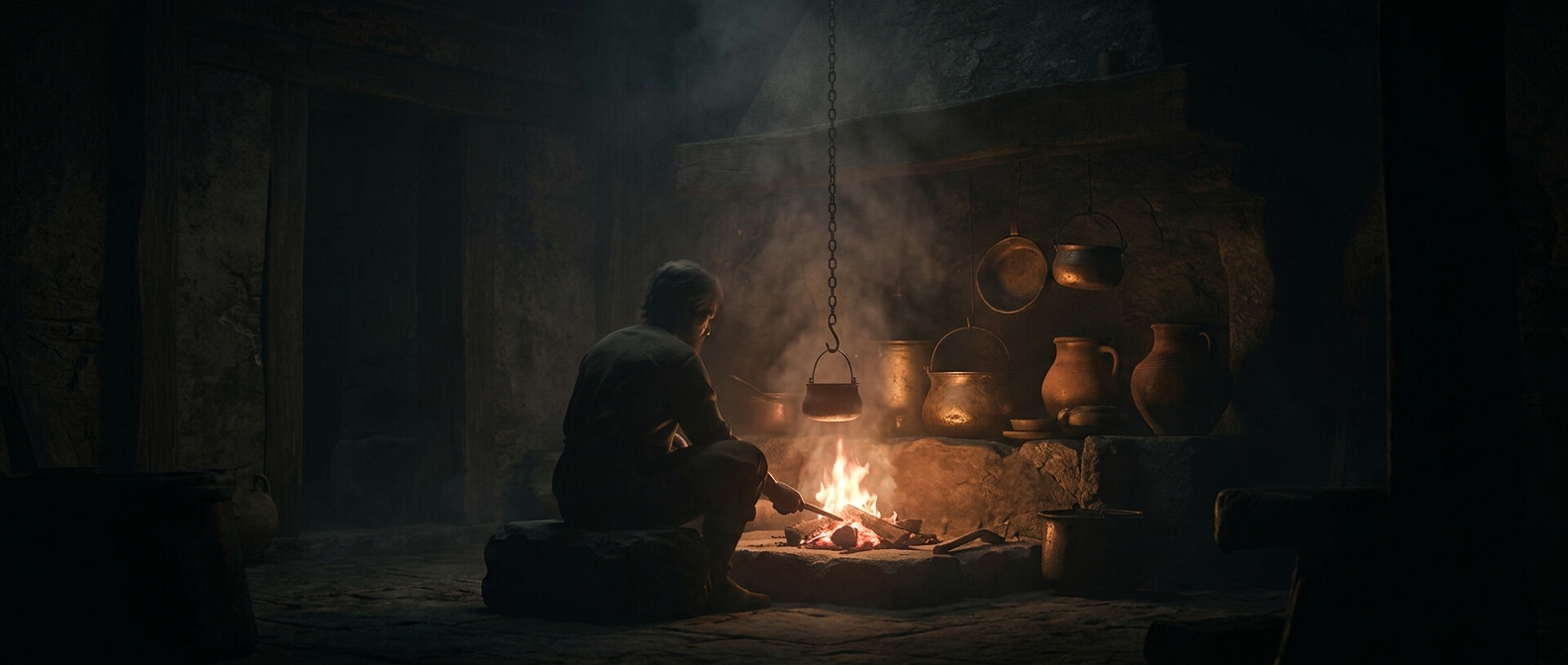
Why old households kept fires burning all night
Before matches, letting the hearth die could mean a difficult morning of coaxing a new flame. People kept logs smoldering overnight—even indoors—because a…
Discover more STACKY FOR IPHONE
A bigger world.
One discovery
at a time.
Keep discovering with Stacky. Interesting facts in an app that is always within reach.

Incas believed their creator god emerged from a lake
In Inca belief, Viracocha emerged from Lake Titicaca and created the sun, moon, and first humans.
Discover more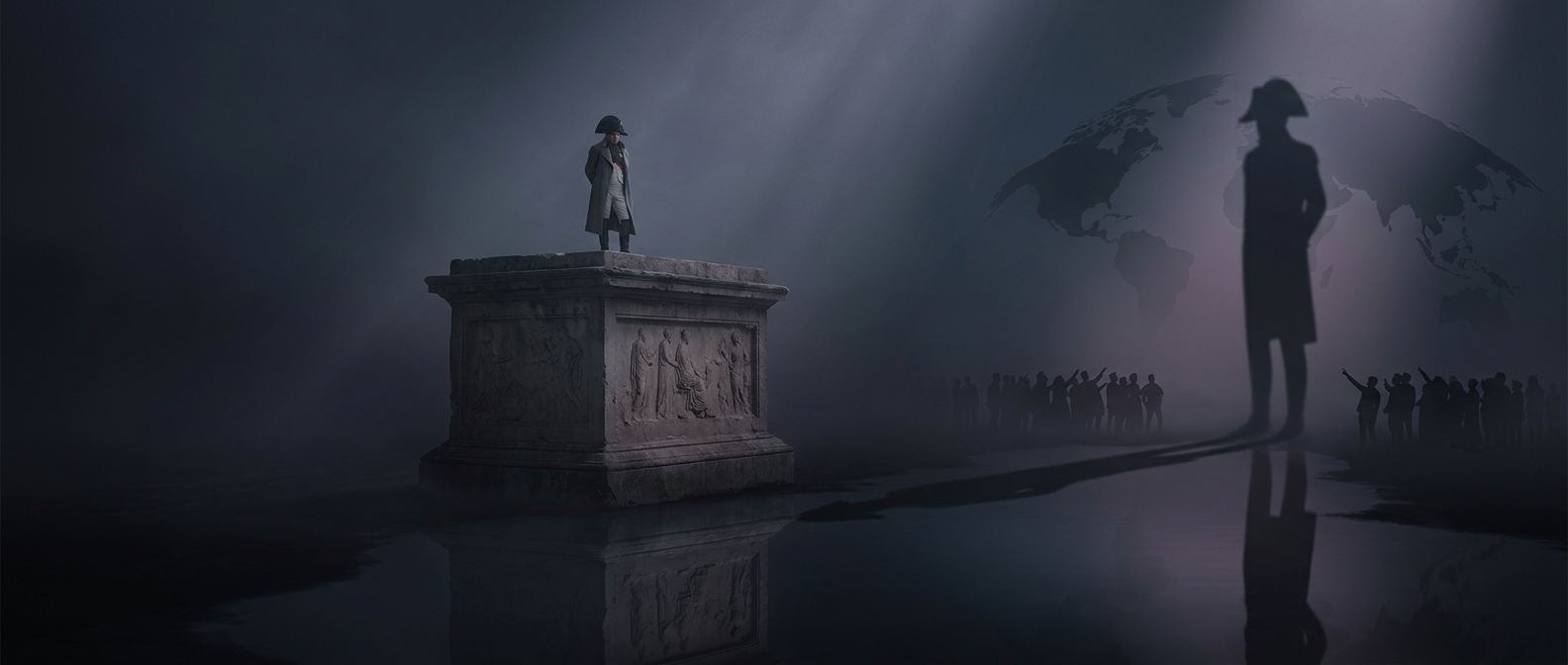
Napoleon wasn’t actually as short as history says
British cartoonists made Napoleon tiny, and standing beside his much taller Imperial Guards reinforced the impression. He was around average height for a…
Discover more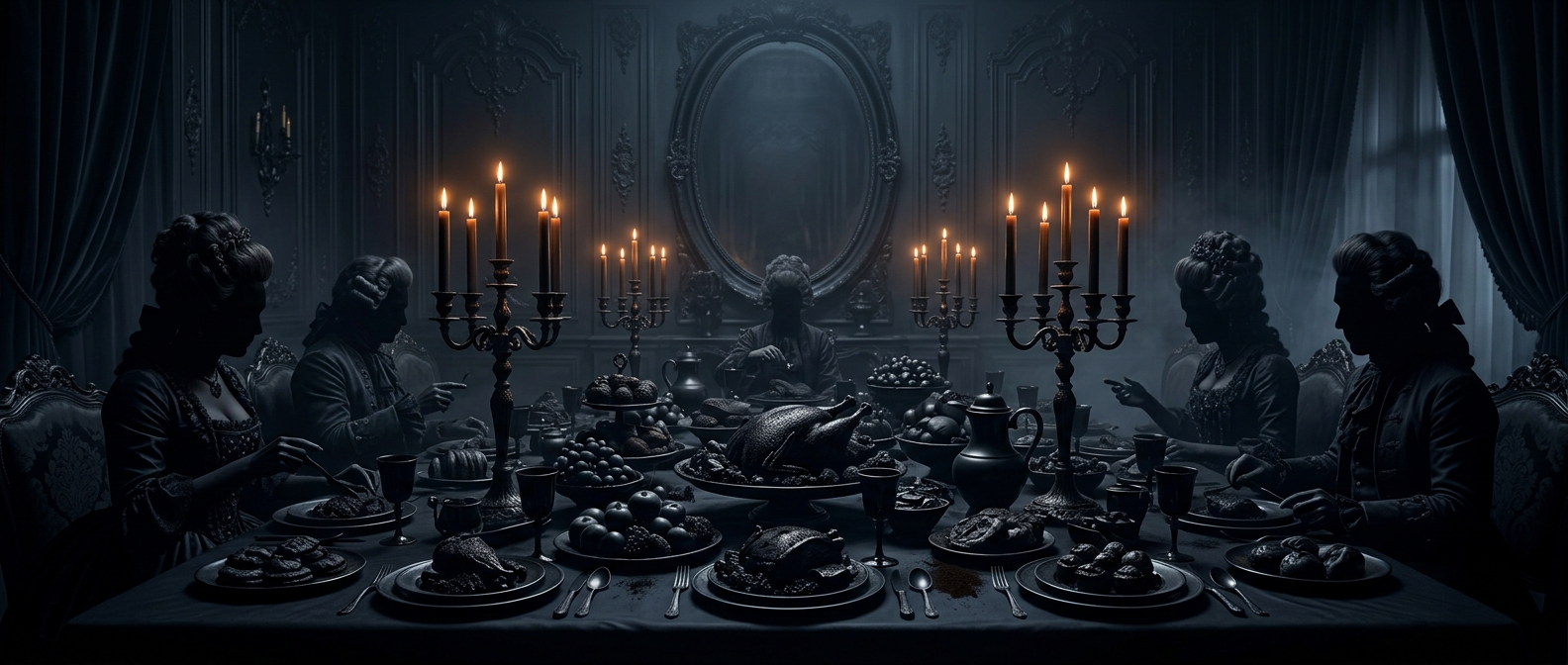
A French dinner party put a coffin on the table
In 1783, Grimod de La Reynière led guests through a theatrical reception into a dinner with a coffin as its centerpiece. Hundreds more spectators watched from…
Discover more
The Titanic's sister ship sank after hitting a mine
The Britannic was built with extra safety features after the Titanic disaster, but it struck a mine and sank in less than an hour. The redesign could prepare…
Discover more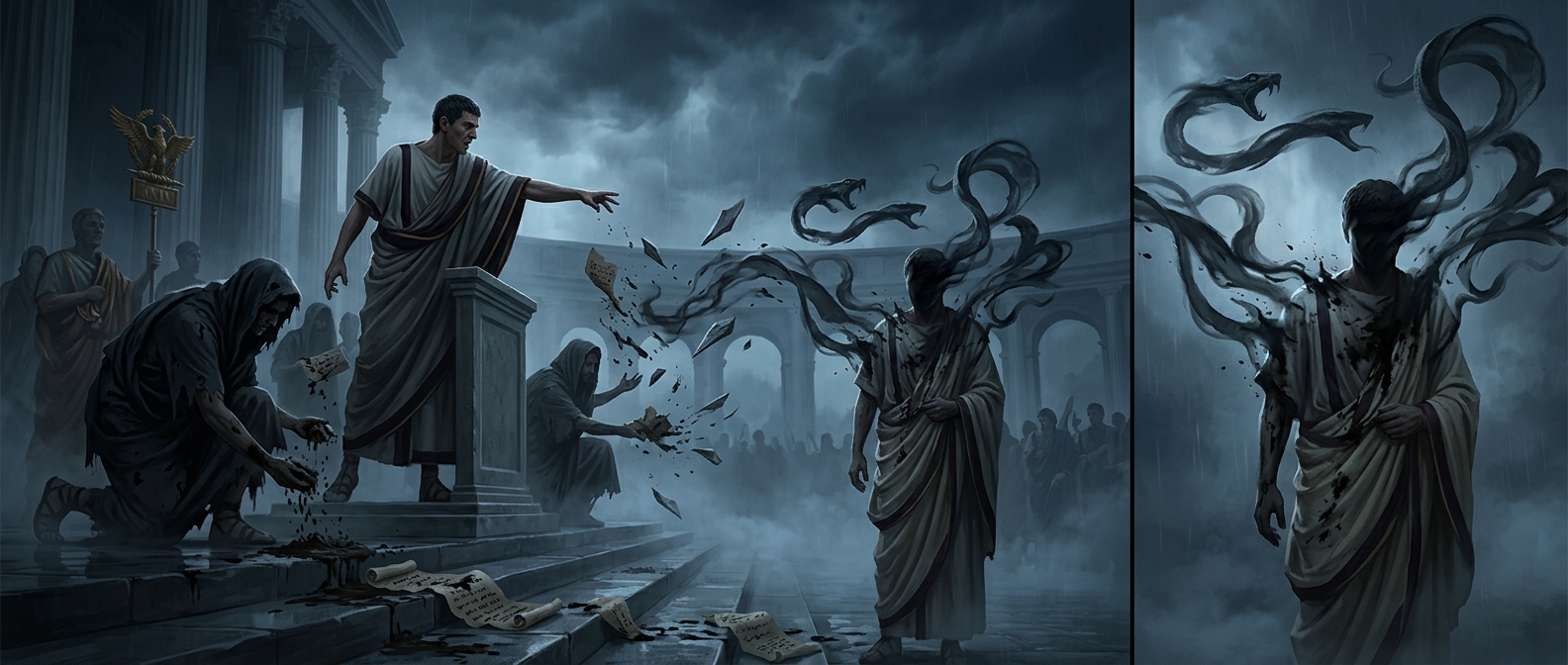
Roman politics ran on vicious personal attacks
Roman politicians used graffiti, public poetry, and speeches to attack their rivals. When Cicero ran against one, he accused him of incest, financial crimes,…
Discover more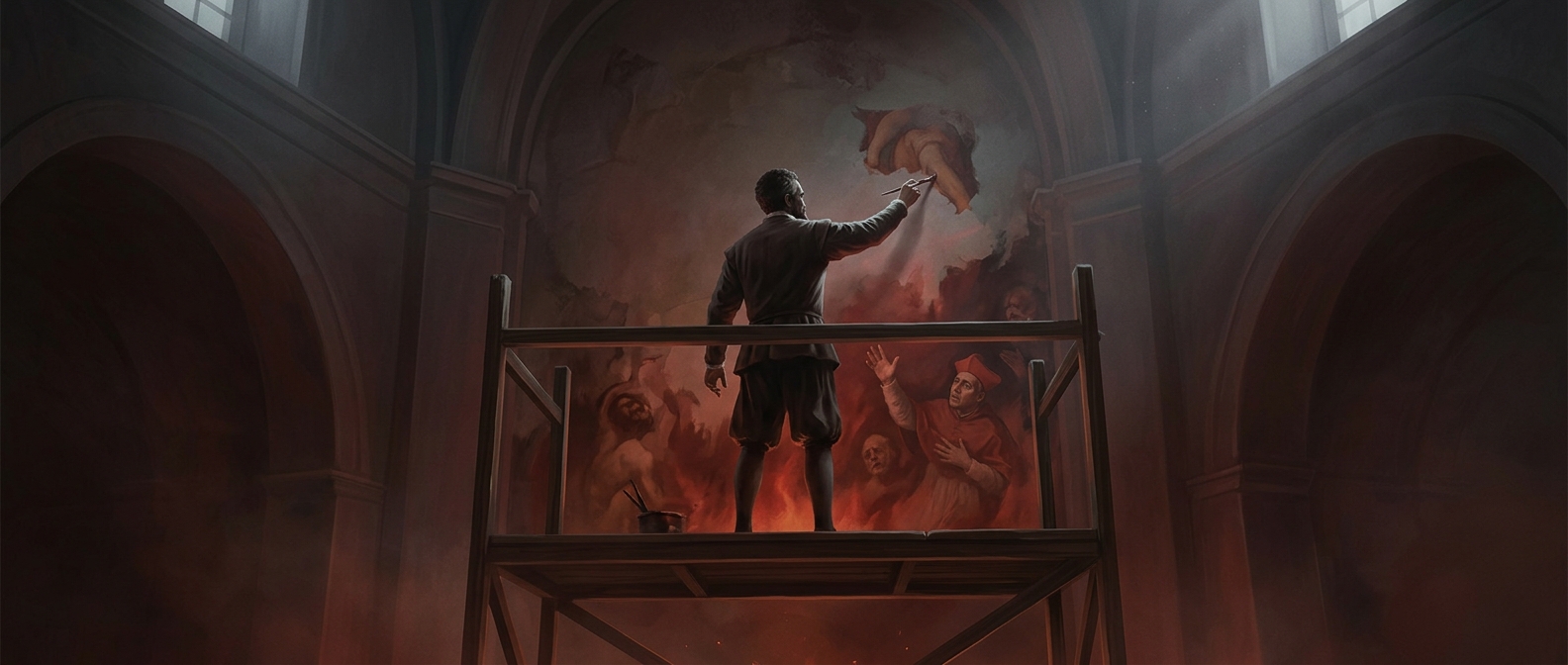
Michelangelo painted his critic in Hell with donkey ears
According to the story recorded by Vasari, Biagio da Cesena's complaints about nudity in The Last Judgment earned him a place as Minos, the infernal judge.…
Discover more
International copyright protected intellectual monopolies
Publishers could reprint foreign books without paying because copyright stopped at national borders. The 1886 Berne Convention required member countries to…
Discover more
Value added tax was invented by an accountant
A French tax official designed a system that taxed the value added at each stage of production instead of waiting for the final sale. The result was a tax…
Discover more
How Columbus used a lunar eclipse to get food
Columbus had an almanac and a hungry crew, so he used a predicted lunar eclipse to threaten the Arawak chiefs: unless they restored his food supply, he said,…
Discover more
Time zones were created to keep trains on schedule
When every town set noon by its own sun, a train timetable could be off before the train left. Standard time zones gave railroads shared clocks, replacing a…
Discover more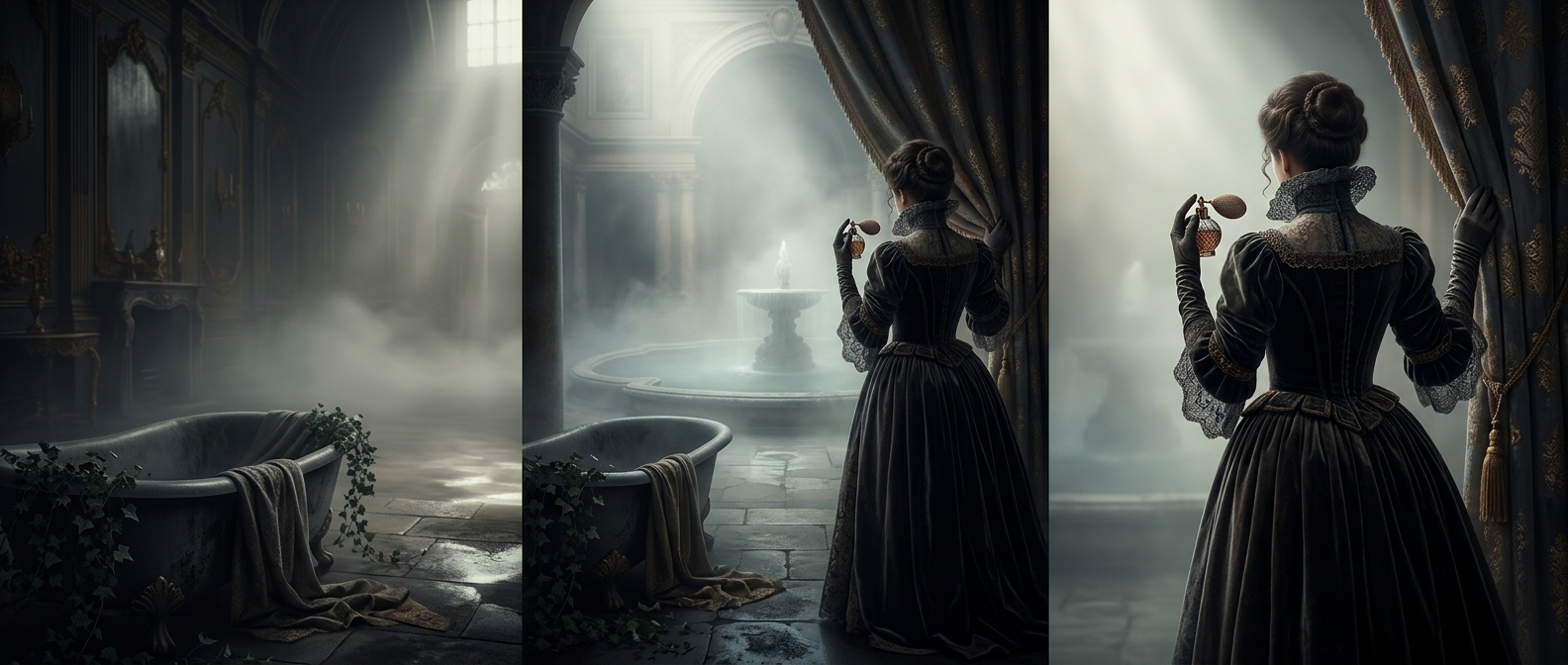
When European nobles feared that bathing could cause disease
They feared hot water opened the pores and let plague into the body, so some nobles skipped bathing and rubbed themselves with dry linen instead. Perfume…
Discover more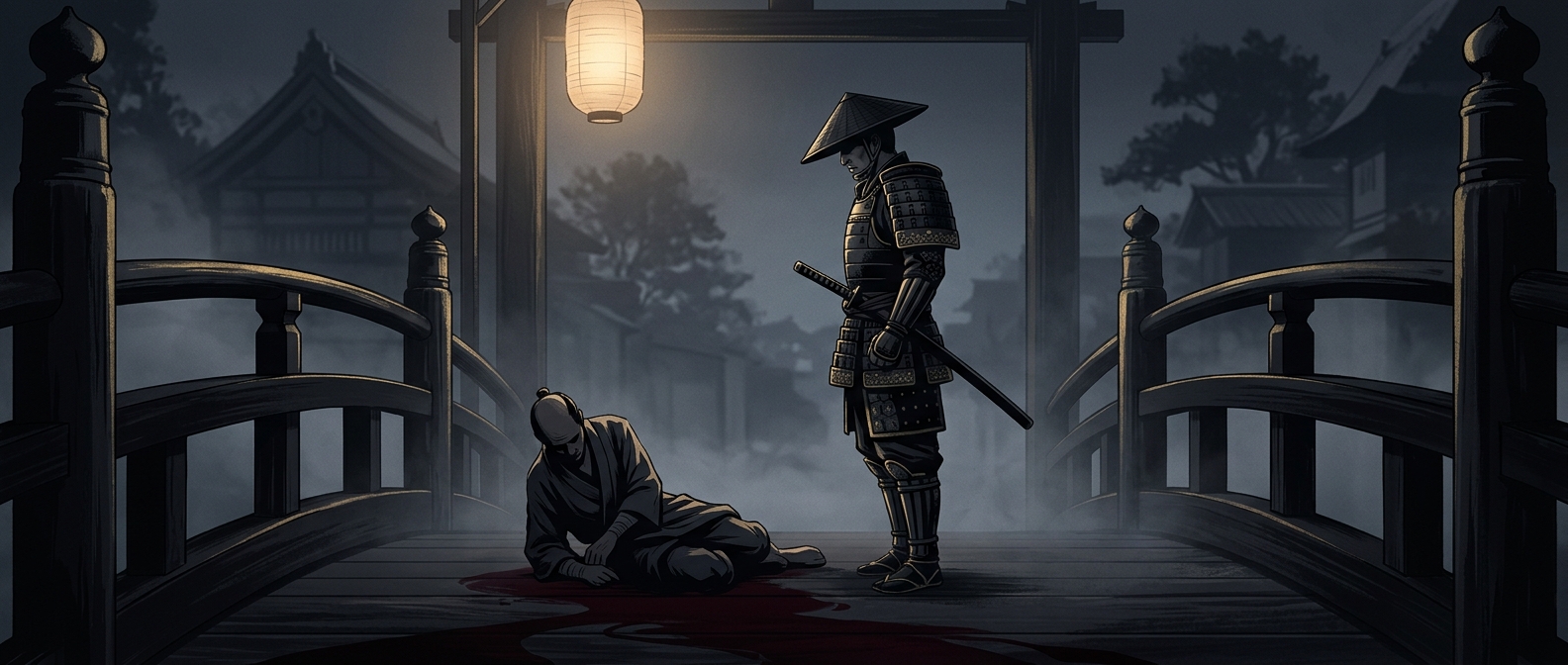
The samurai law that allowed killing for disrespect
Kiri-sute gomen allowed a samurai to use lethal force in response to certain affronts to status. But he could be required to justify the incident to…
Discover more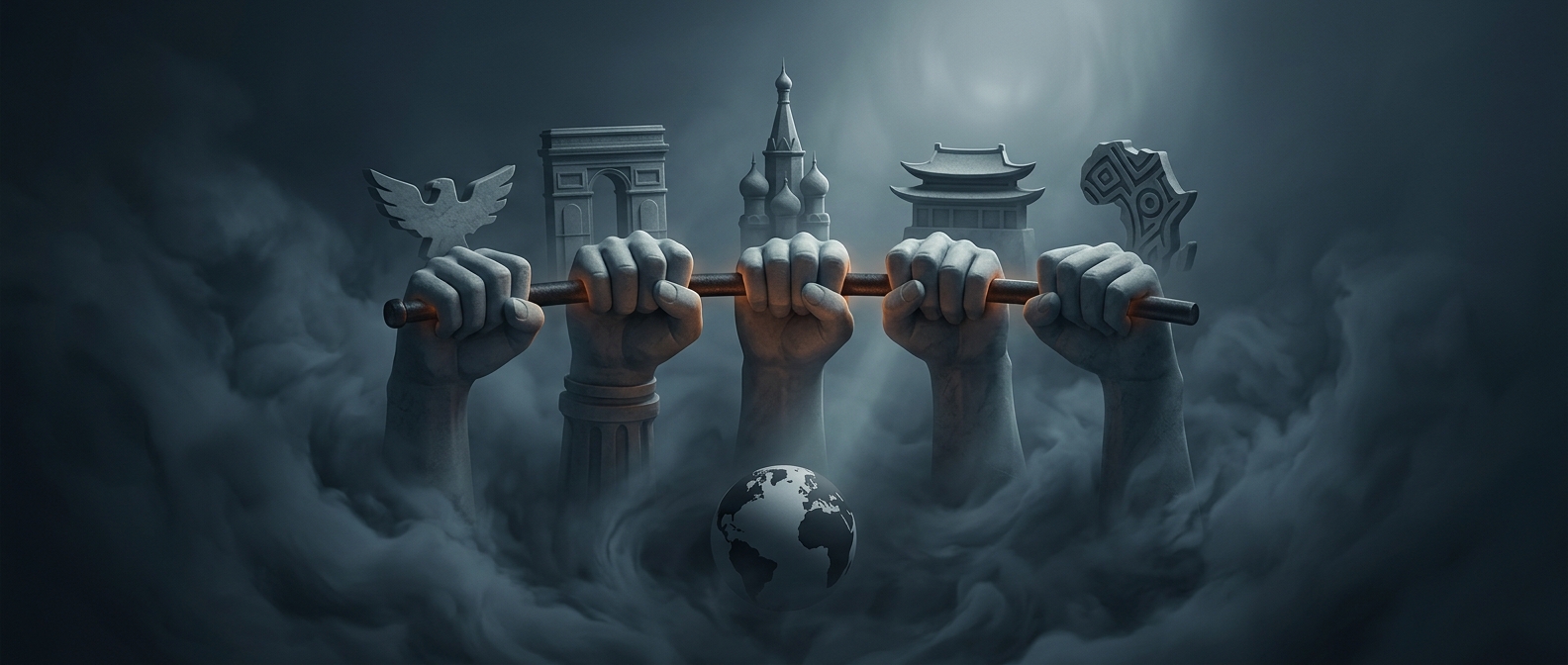
Five nations hold a permanent global veto power
One objection from any of the five permanent members can stop a substantive resolution, even if the other ten members support it. The veto was the price of…
Discover more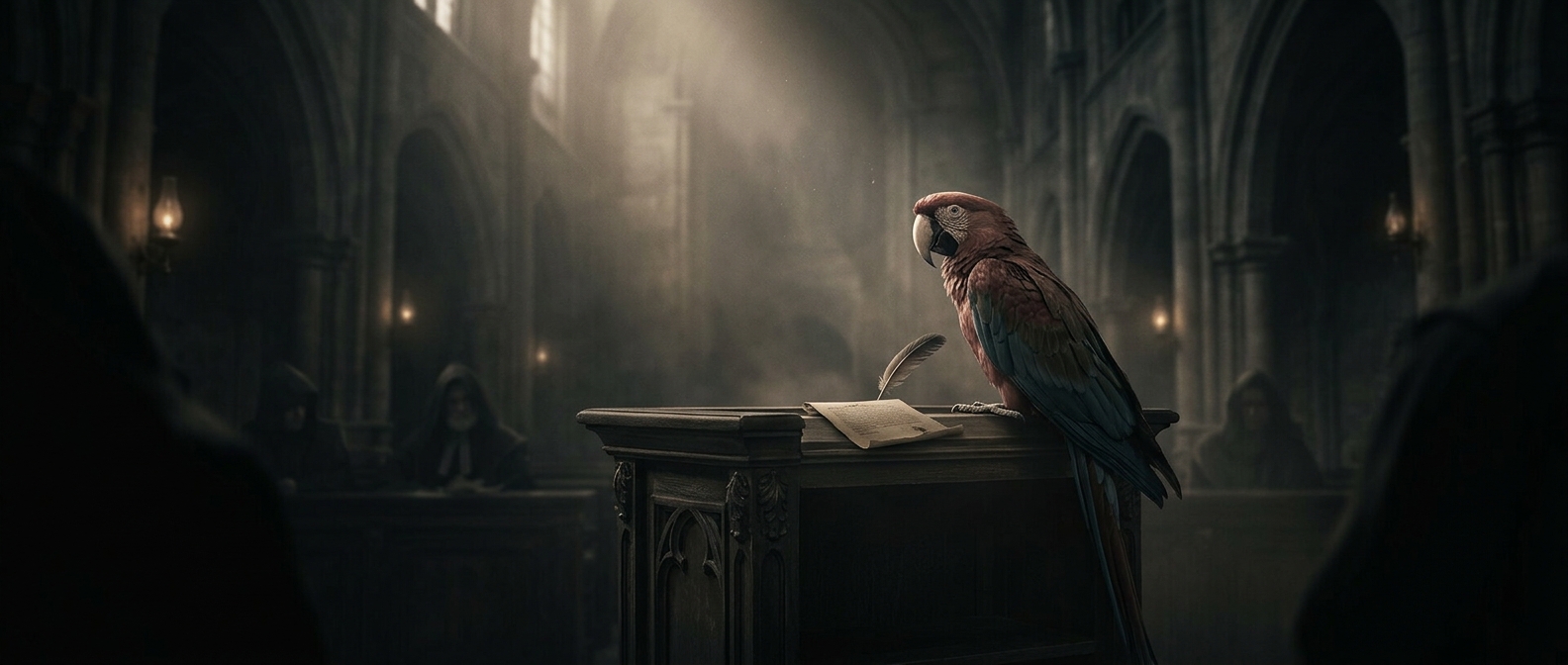
A murder victim's parrot kept a disturbing phrase alive
After Martin Duram was killed in Michigan, family members said his parrot Bud repeated 'don't shoot' in his voice. The account drew worldwide attention to the…
Discover more
The word boy once described status as well as age
Medieval English used forms of the word for servants and low-status people as well as young males. Calling someone a boy could therefore place him below the…
Discover more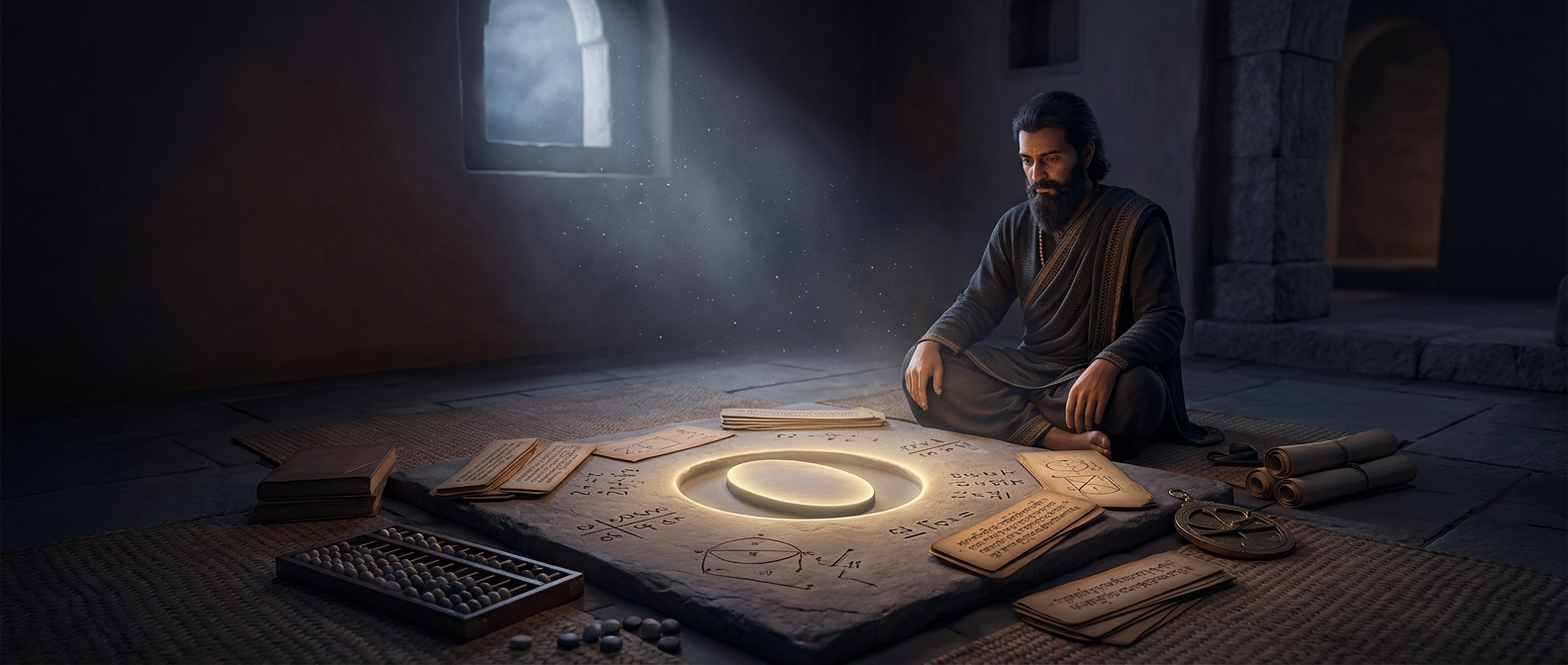
Indian mathematicians conceptualized zero as a proper number
A placeholder marks an empty place; a number can enter calculations. Indian scholars made that leap, letting zero do arithmetic instead of simply holding a…
Discover more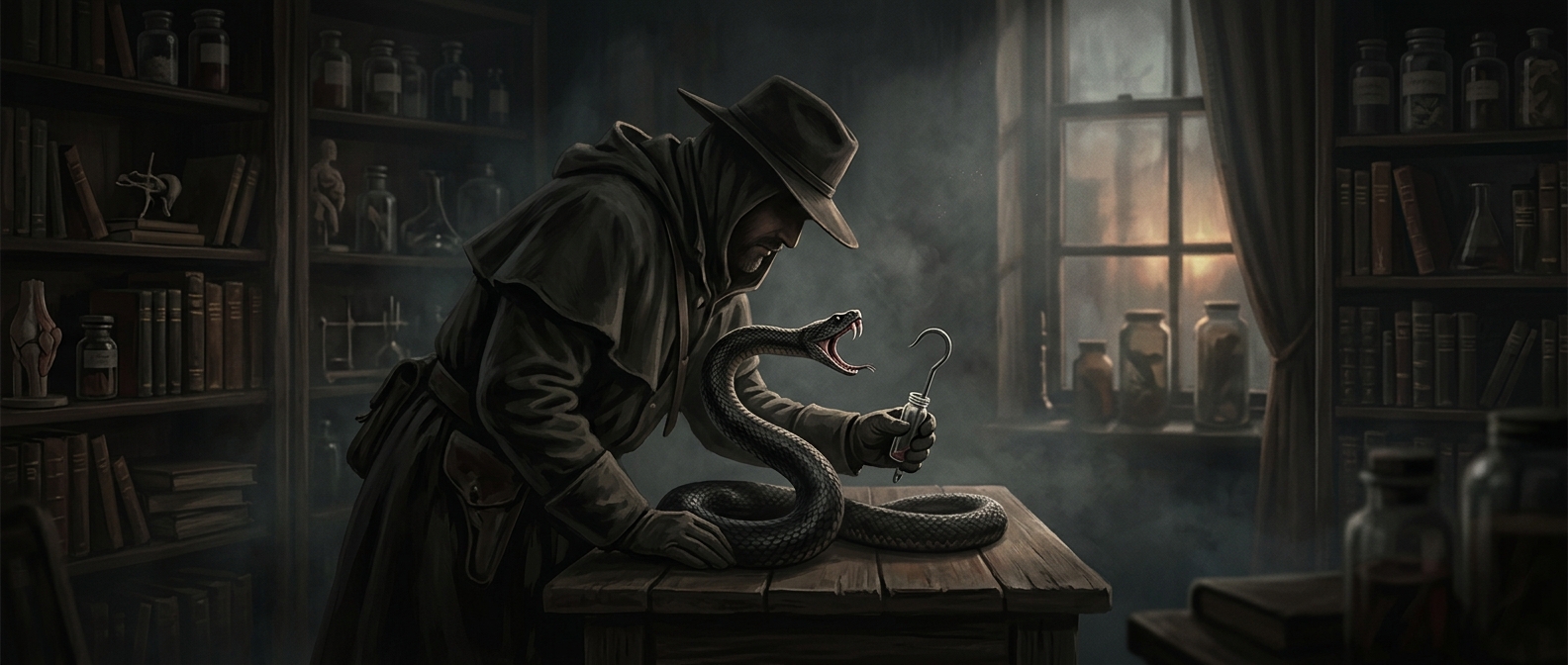
An eighteenth-century scientist made viper venom an experimental subject
Felice Fontana published investigations of viper venom in 1767, studying its effects instead of relying only on inherited stories about snakes. His work…
Discover moreRichard Feynman joined a samba group with a tiny frying-pan instrument
In his memoir, the physicist describes playing a frigideira with a Copacabana samba group. It produced a sharp metallic rhythm, and keeping up took practice…
Discover more