History
Discover facts about history. Small discoveries that change the way you see familiar things.
History
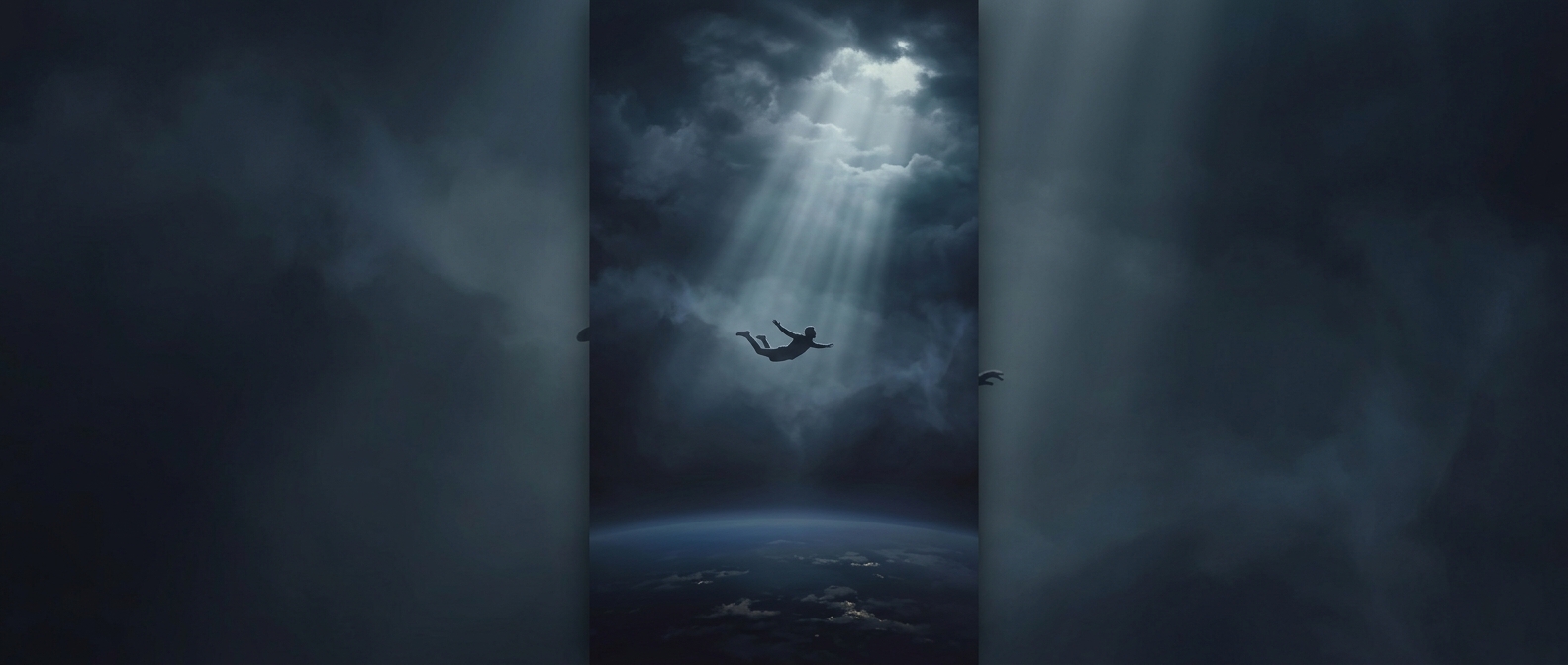
An airman survived falling through a train station's glass roof
Alan Magee fell from a damaged B-17 over Saint-Nazaire in 1943 without a usable parachute. He crashed through the station roof and survived, badly injured.…
Discover more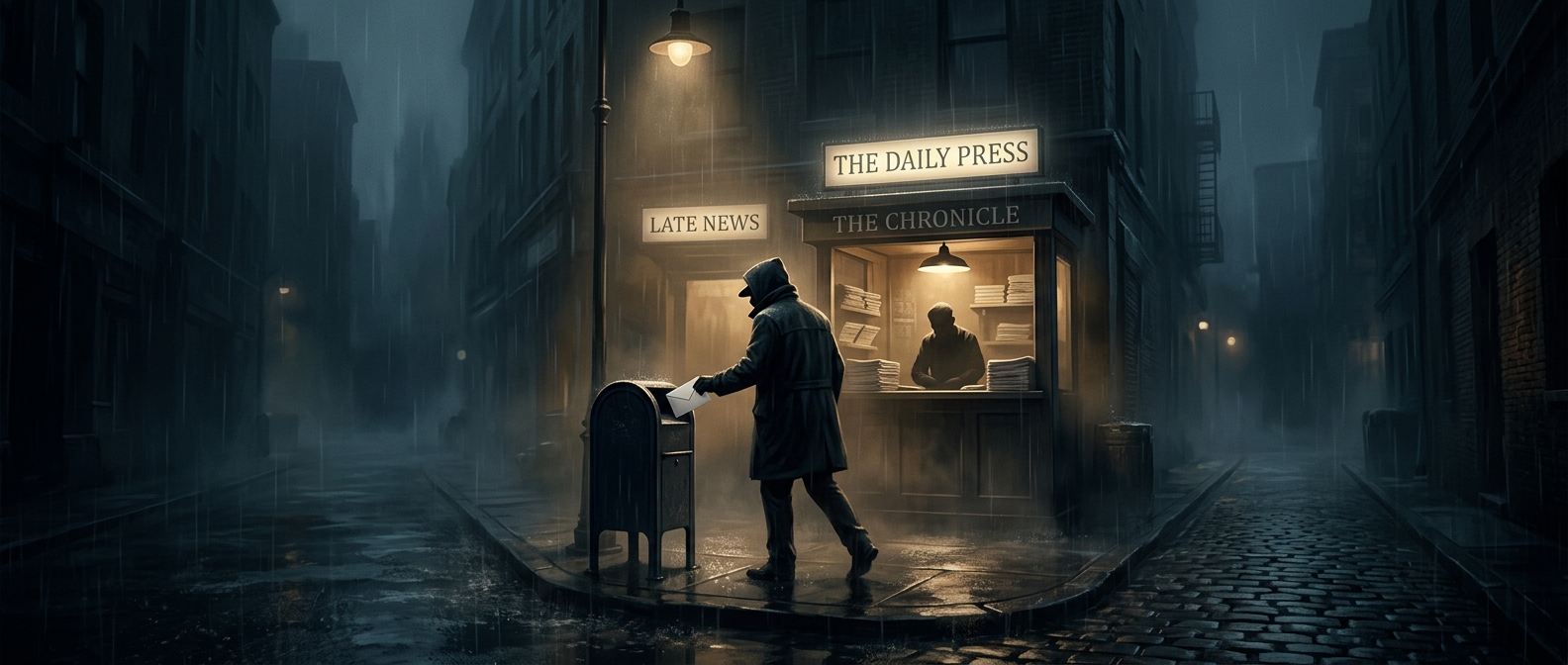
How the Zodiac Killer turned newspapers into puzzle boards
He mailed coded messages to newspapers and demanded they publish them, turning readers into amateur codebreakers and the press into part of the police hunt.…
Discover more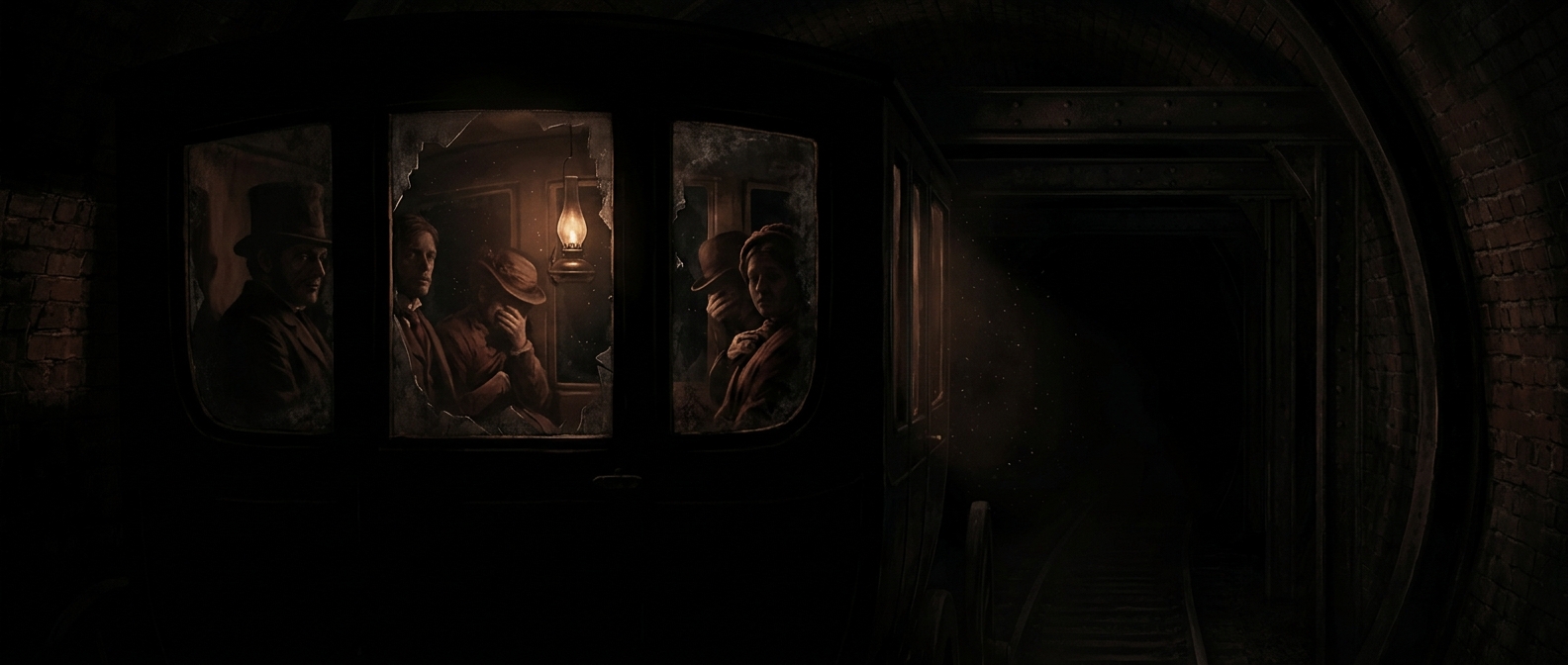
London's first subway trains brought steam underground
The early Underground used steam locomotives, putting smoke and steam into a confined railway beneath the streets. The attraction was escaping surface…
Discover more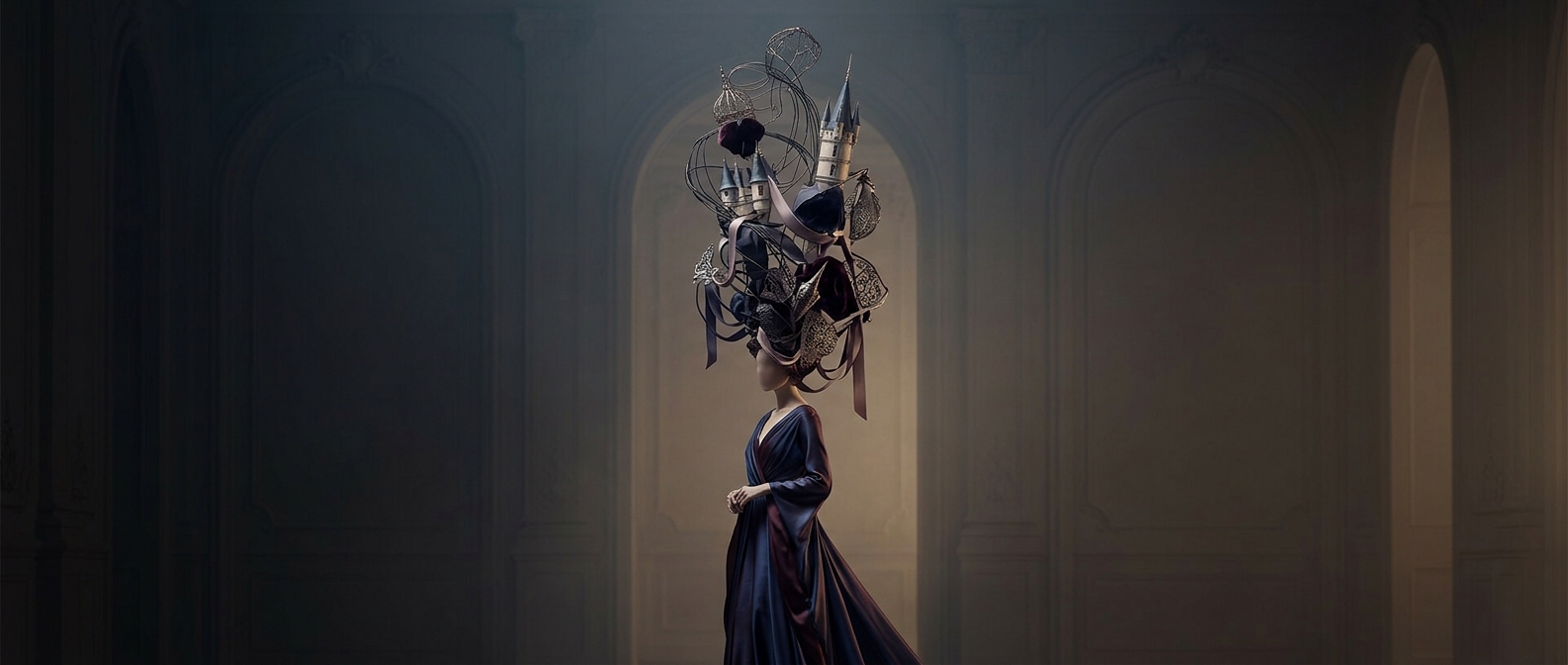
When hairstyles needed their own scaffolding
As fashionable hairstyles grew, ribbon alone couldn't hold their shape, so it gave way to lace supported by wire. The structures got so large they scraped the…
Discover more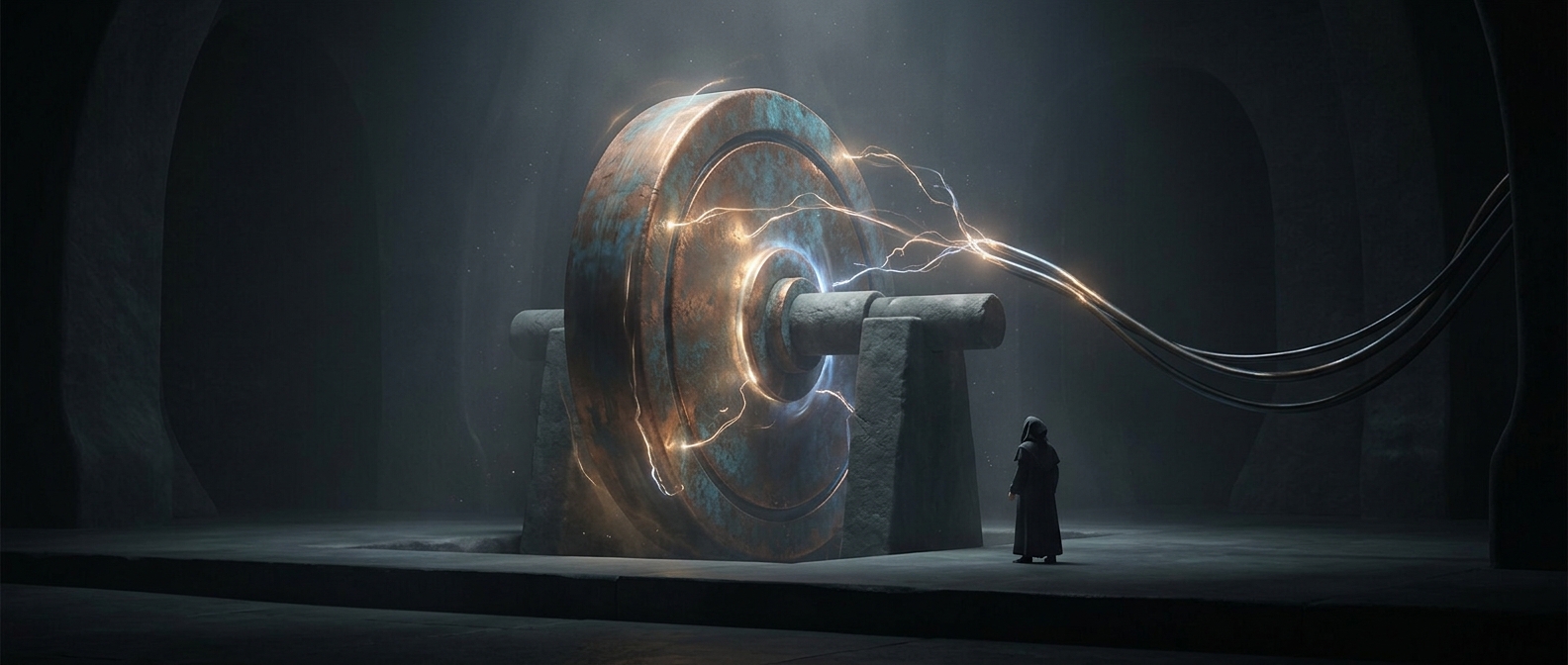
First electric generators used rotating copper disks
A hand-turned copper disk spun between the poles of a horseshoe magnet to produce a continuous electric current. Early electricity could be made with a…
Discover more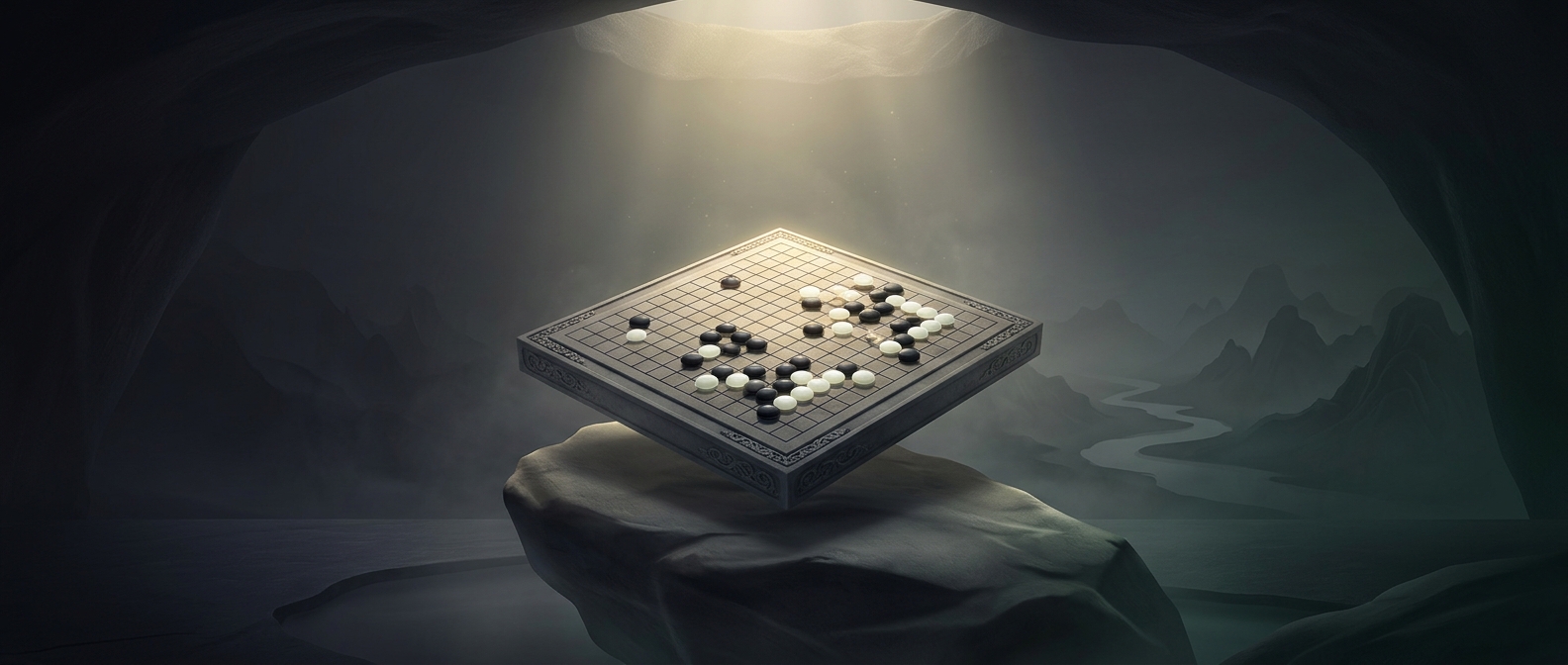
Go originated as a strategy game in ancient China
Players take turns placing black and white stones on a grid, turning a simple board into a contest of strategy.
Discover more STACKY FOR IPHONE
A bigger world.
One discovery
at a time.
Keep discovering with Stacky. Interesting facts in an app that is always within reach.
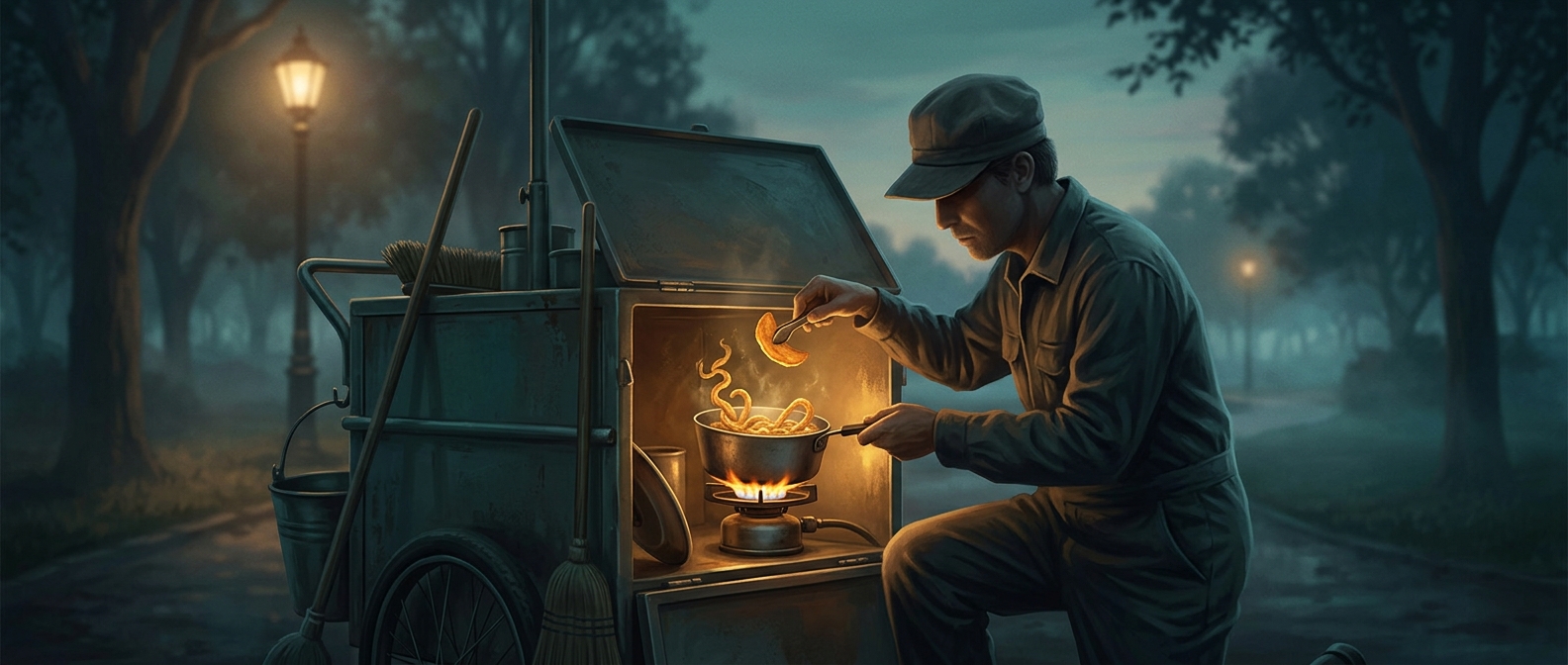
Fritos grew from a recipe bought for $100
In 1932, Charles Elmer Doolin bought a corn-chip recipe and equipment from Gustavo Olguin in San Antonio. He and his family developed production from that…
Discover more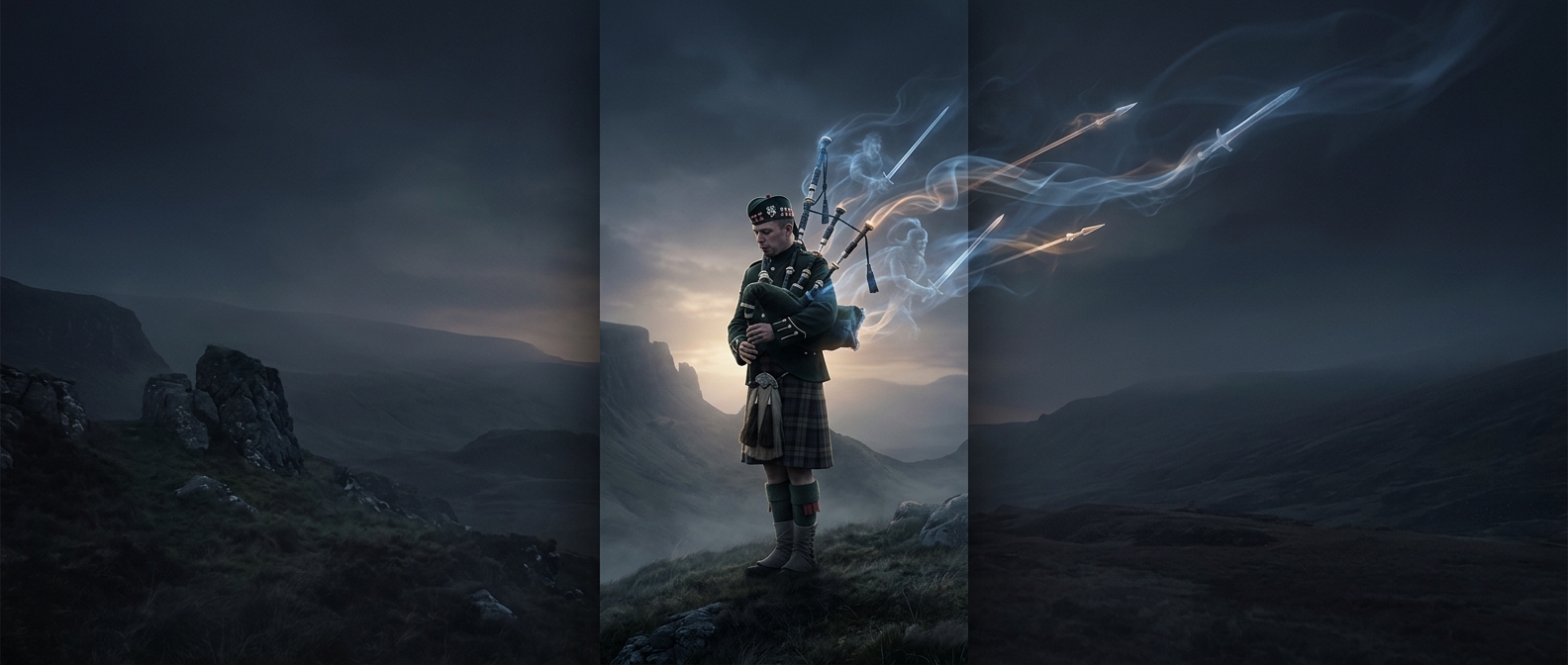
A bagpiper marched into the Normandy landings
Bill Millin landed on Sword Beach on D-Day and played the bagpipes at Lord Lovat’s request. He wore a kilt and carried the instrument through the landing…
Discover more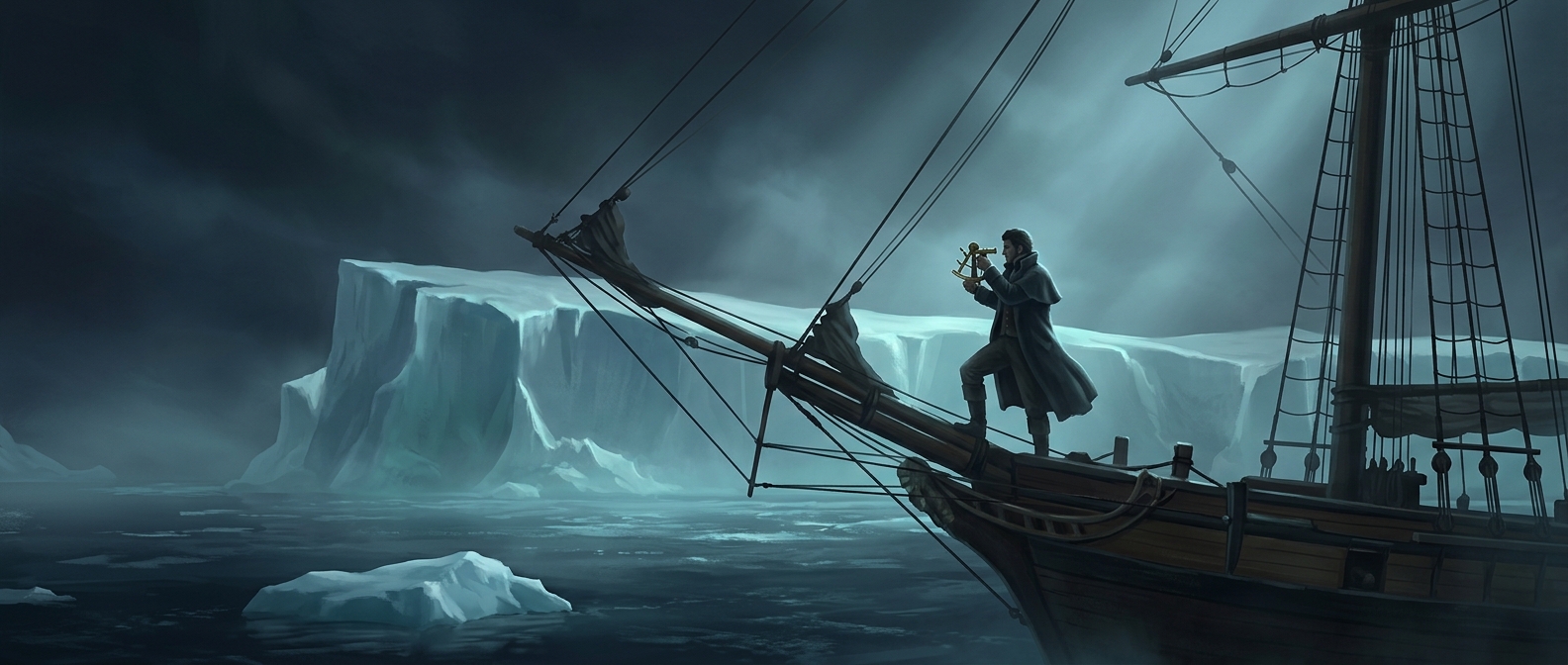
Antarctica was officially sighted in 1820
The sighting confirmed that the long-theorized southern landmass was real, though its frozen conditions made it deeply inhospitable.
Discover more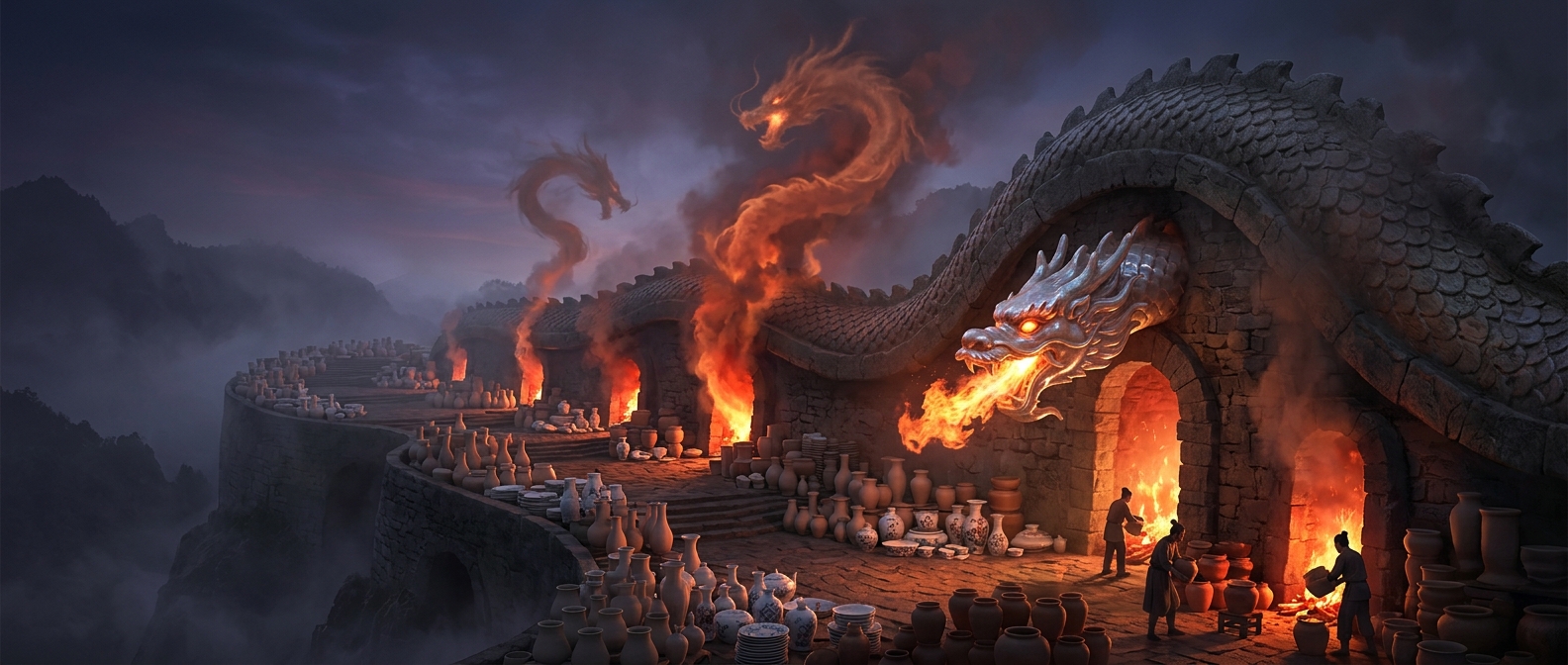
Chinese porcelain was fired in massive dragon kilns
Builders set these kilns along hillsides so heat could rise through chamber after chamber. One long firing could handle thousands of pieces—a production line…
Discover more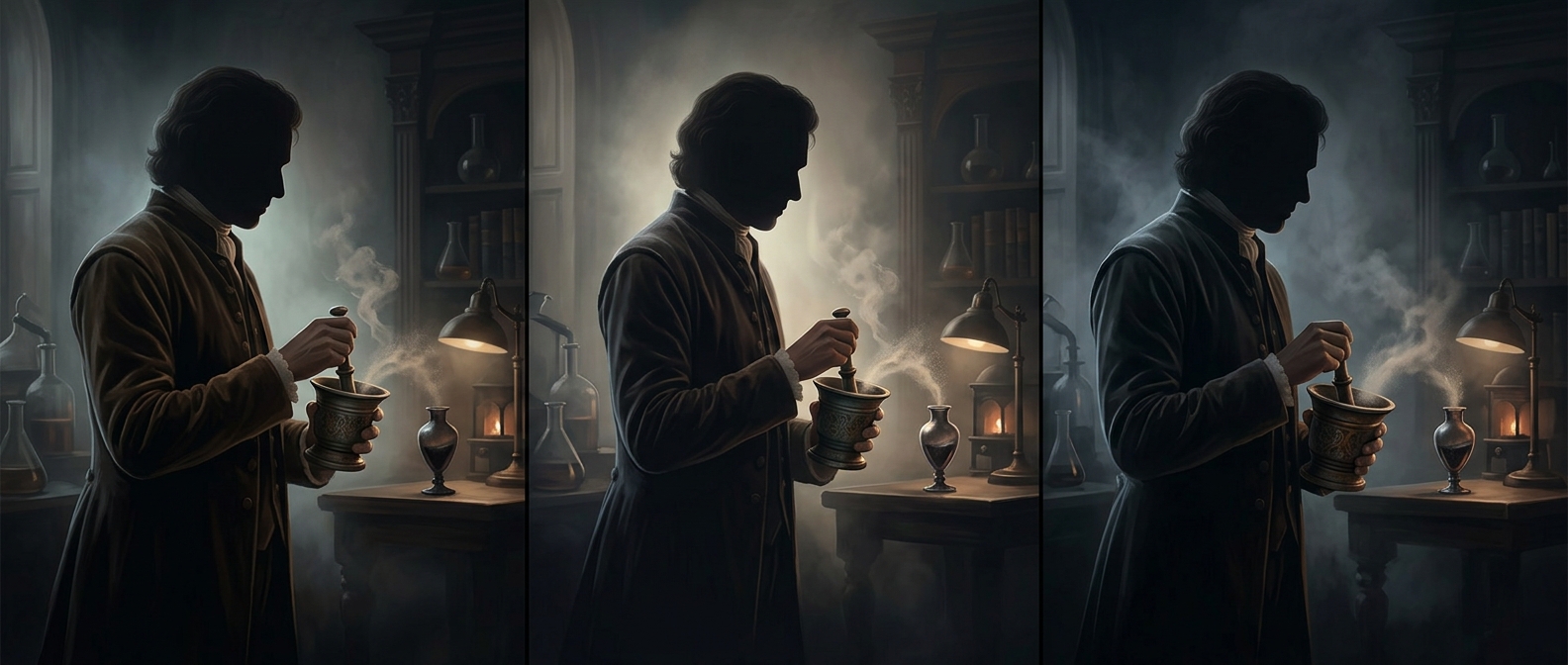
Robert Boyle treated skull moss as medicine
The pioneering chemist reported stopping a nosebleed while holding moss taken from a human skull. Such remedies belonged to the early modern trade in…
Discover more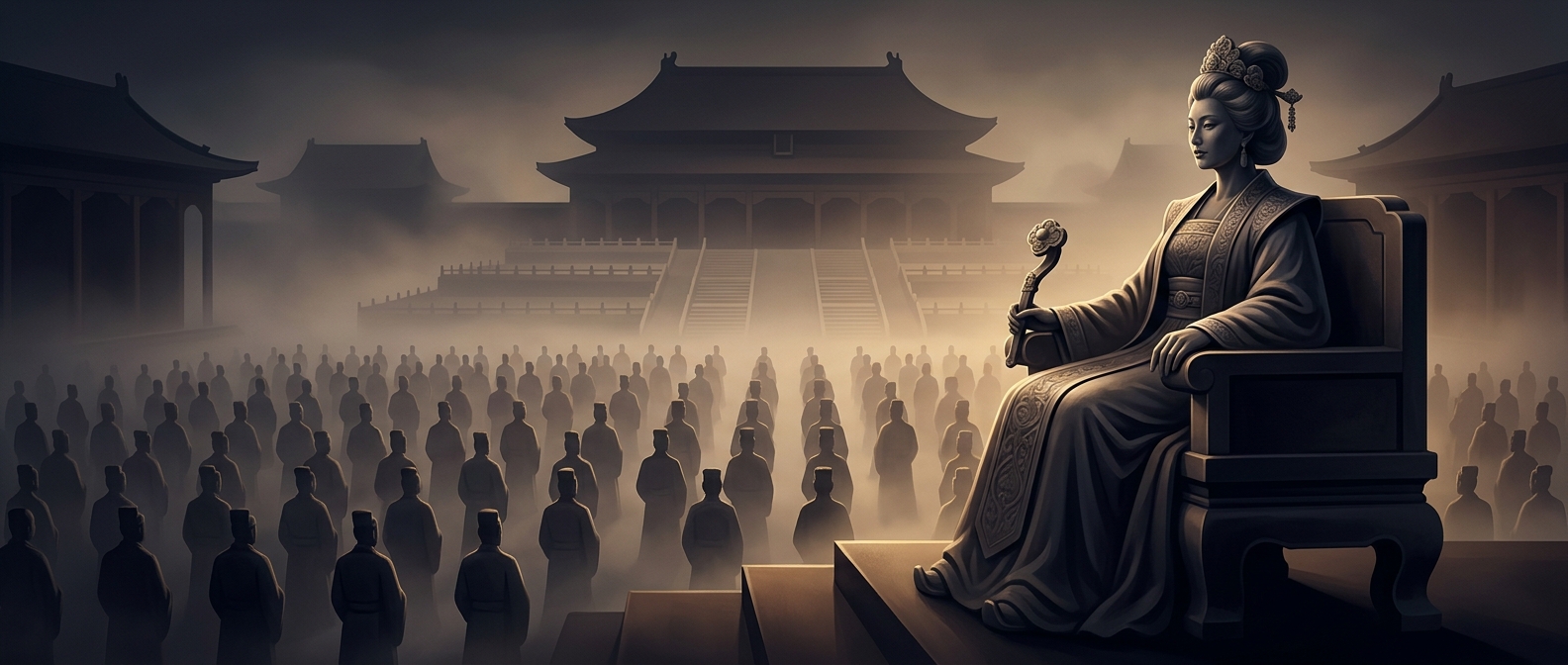
Wu Zetian was China's only officially recognized empress
Wu Zetian climbed from low-ranking concubine to ruler, proclaimed a new dynasty, and expanded the empire. A palace career became a change of dynasty.
Discover more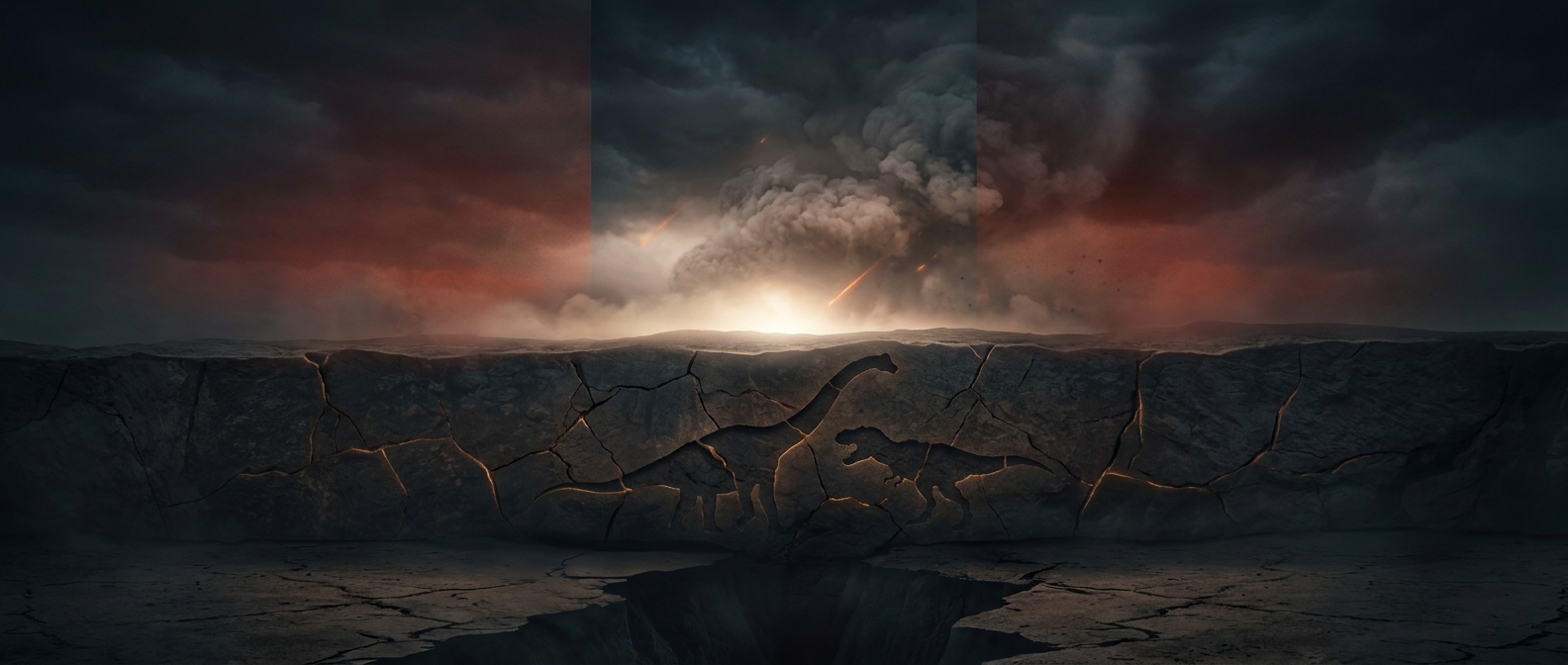
Massive asteroid strike triggered global dinosaur extinction
Dust and debris blocked sunlight, cooling the planet and disrupting food chains. Large dinosaurs died out, while small mammals survived the upheaval and…
Discover more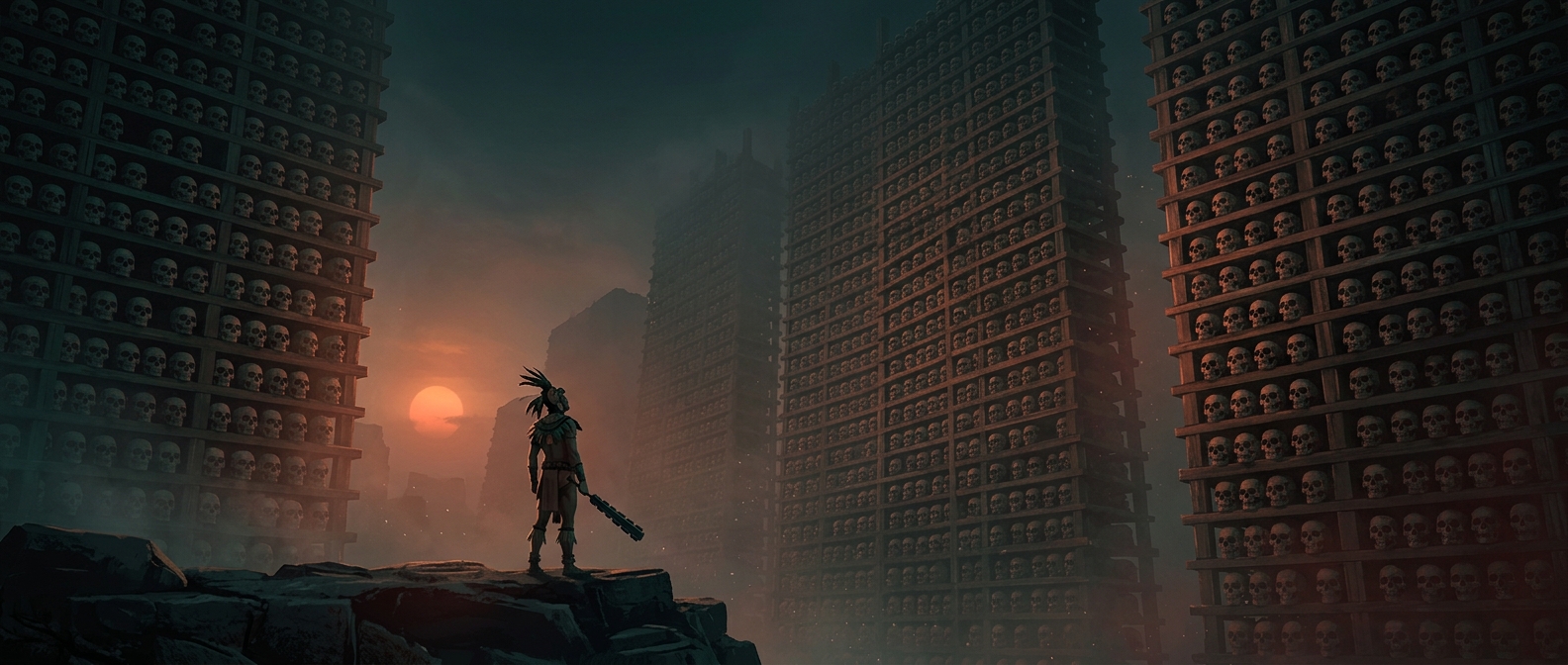
The Aztec racks built from human skulls
The tzompantli displayed pierced skulls of sacrificed captives on wooden frames in the Aztec capital. The sight served as a stark warning to visitors about…
Discover more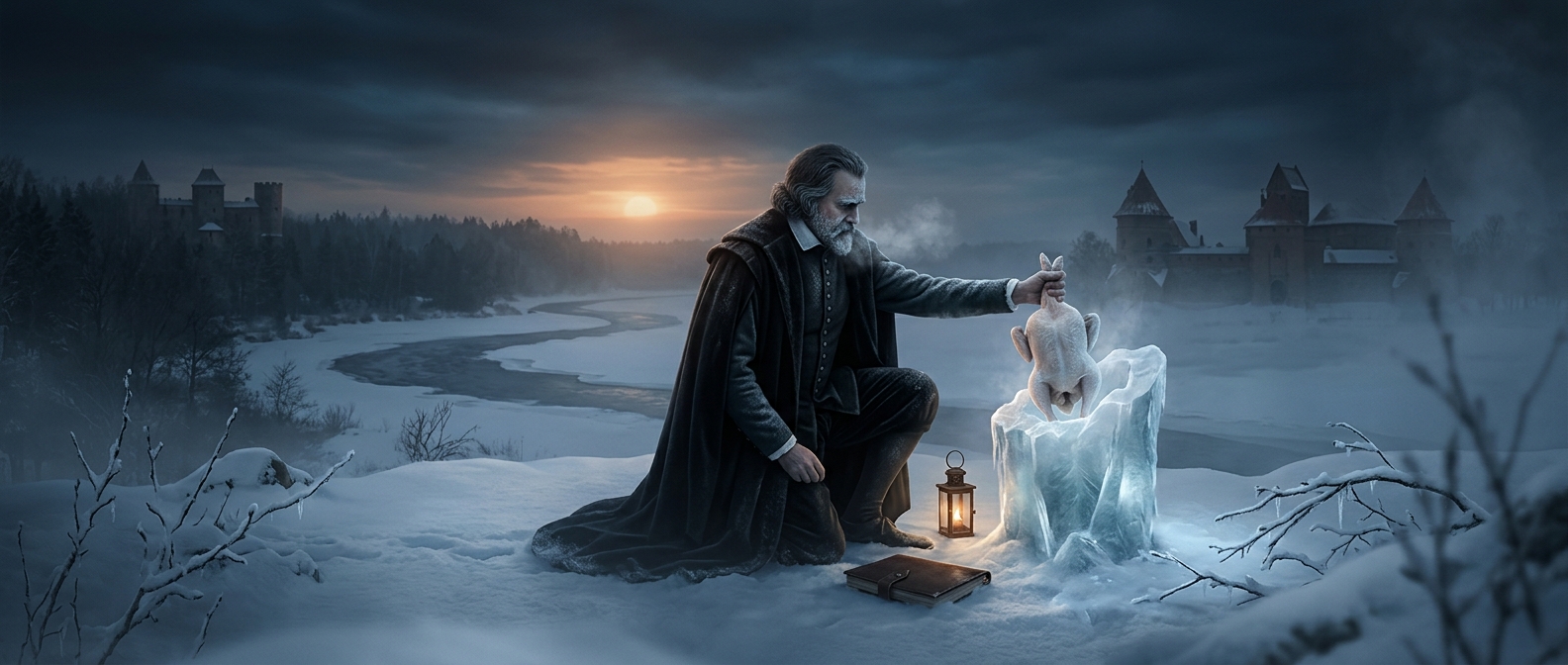
Francis Bacon died testing whether snow could preserve a chicken
He packed snow around a chicken carcass to test whether cold could preserve meat, then caught pneumonia and died.
Discover more
When kings exchanged hostages for peace
A hostage—often a king's son or close friend—was kept at the rival court as a human guarantee that the treaty would be honored.
Discover more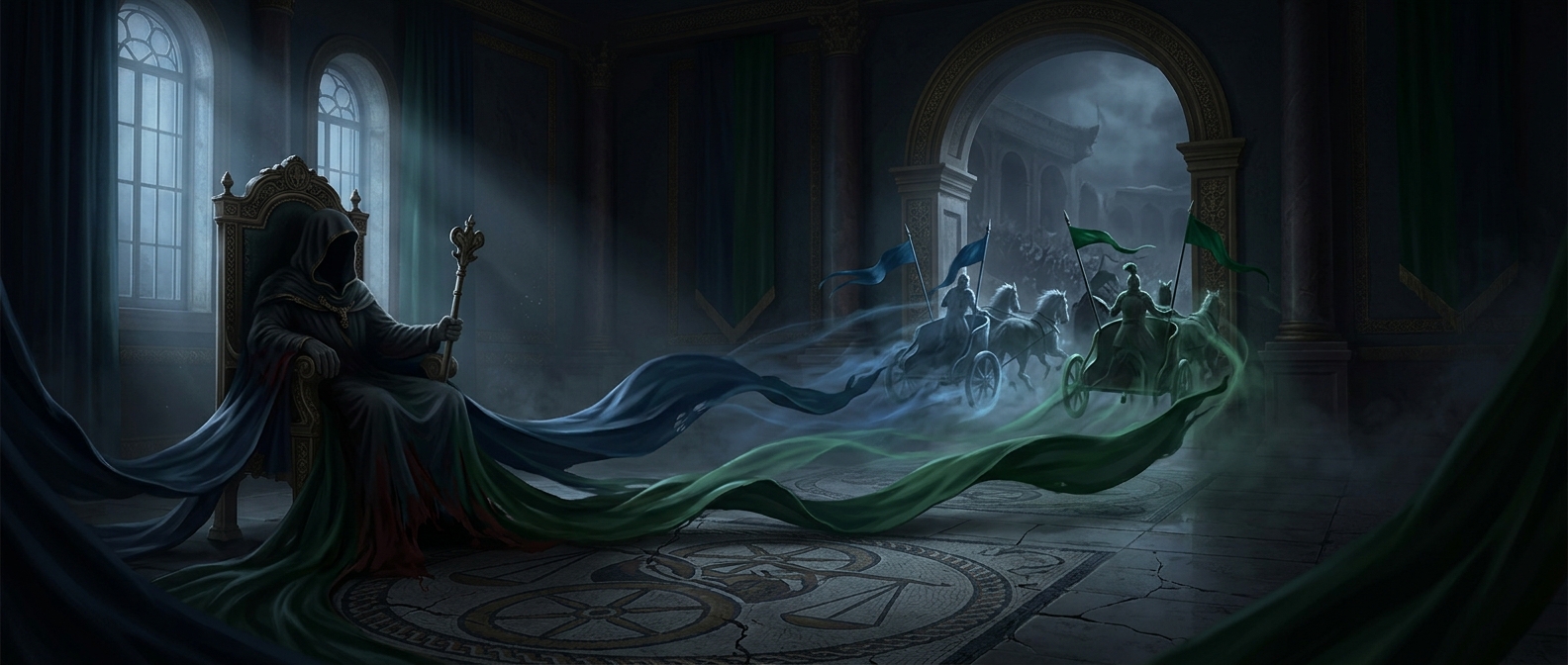
Rival chariot fans united against their emperor
In Constantinople in 532, the Blues and Greens joined forces after Justinian refused demands for mercy for condemned supporters. The unrest became the Nika…
Discover more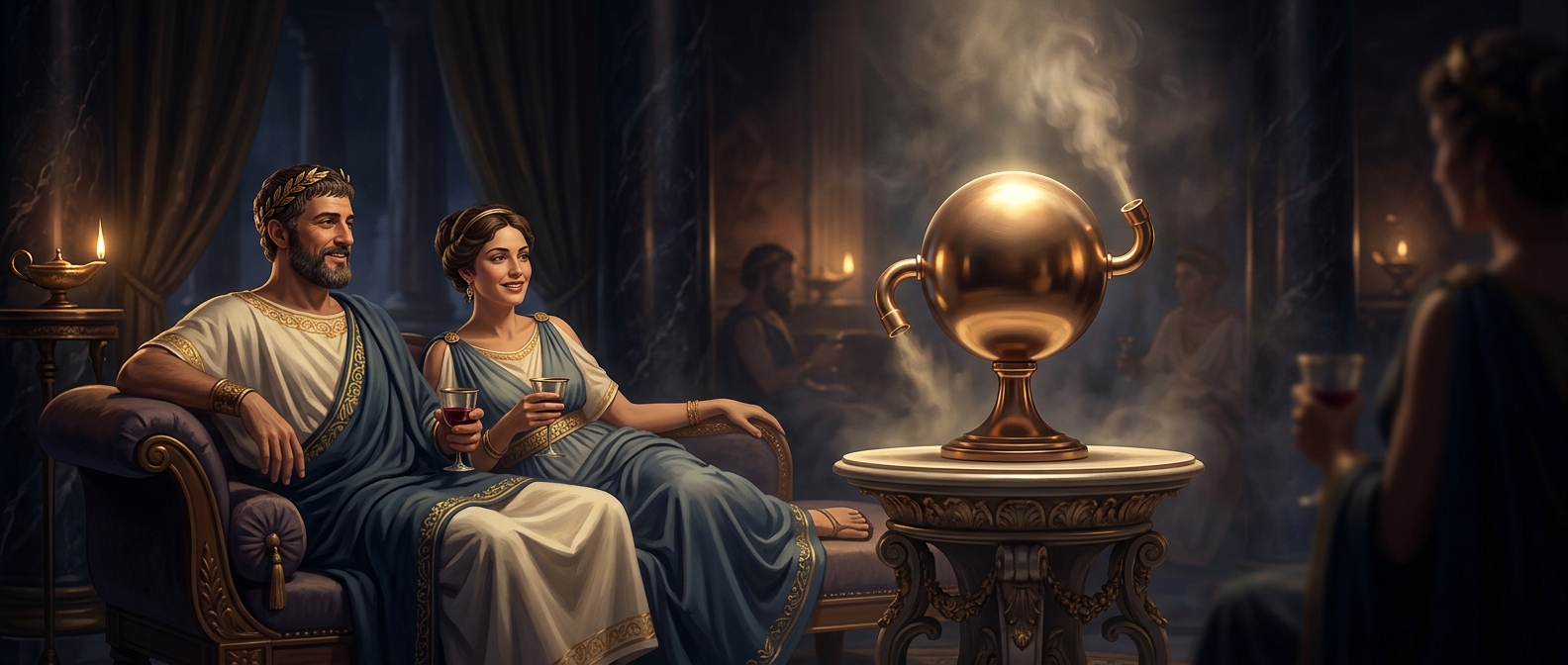
The ancient Greek steam engine used as a novelty
Hero's aeolipile spun as escaping steam pushed through its angled nozzles. It demonstrated the trick, but not a practical way to turn that motion into useful…
Discover more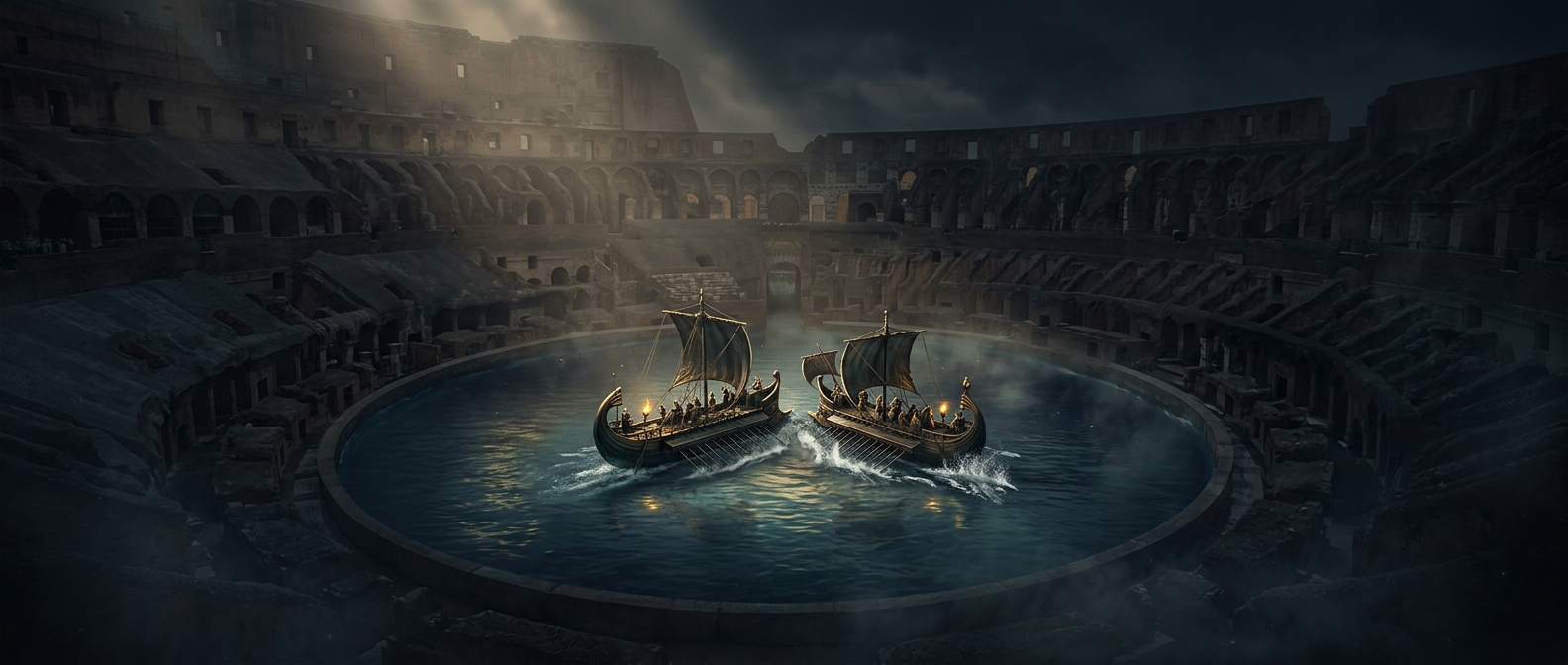
When Romans flooded the Colosseum for naval battles
For these spectacles, the Romans turned the arena into a temporary basin, brought in replica warships, and staged fights on the water. The Colosseum’s usual…
Discover more
The clocks that changed speed with the seasons
These clocks stretched or squeezed the hours so daylight always counted as six hours, even as the seasons changed. Mechanics had to shift their weights every…
Discover more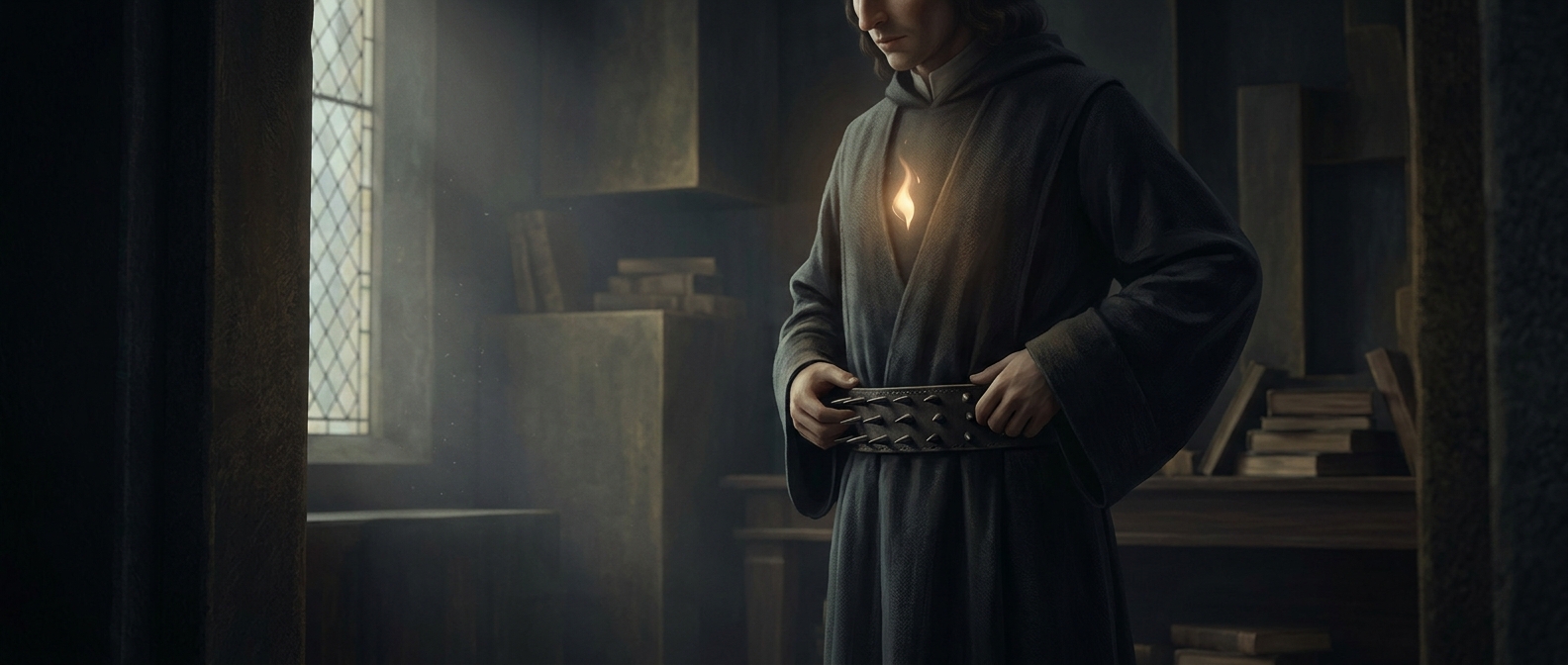
Pascal wore a spiked belt to punish pleasure
When Pascal caught himself enjoying a meal or conversation, he struck his side with the spiked iron belt beneath his clothes. He turned a moment of pleasure…
Discover moreHenry VIII prepared his young heir for Greek lessons and the tiltyard
Edward VI's education emphasized Latin, Greek, scripture, and classical writing. Henry also insisted on fencing, riding, music, and courtly skills, and…
Discover more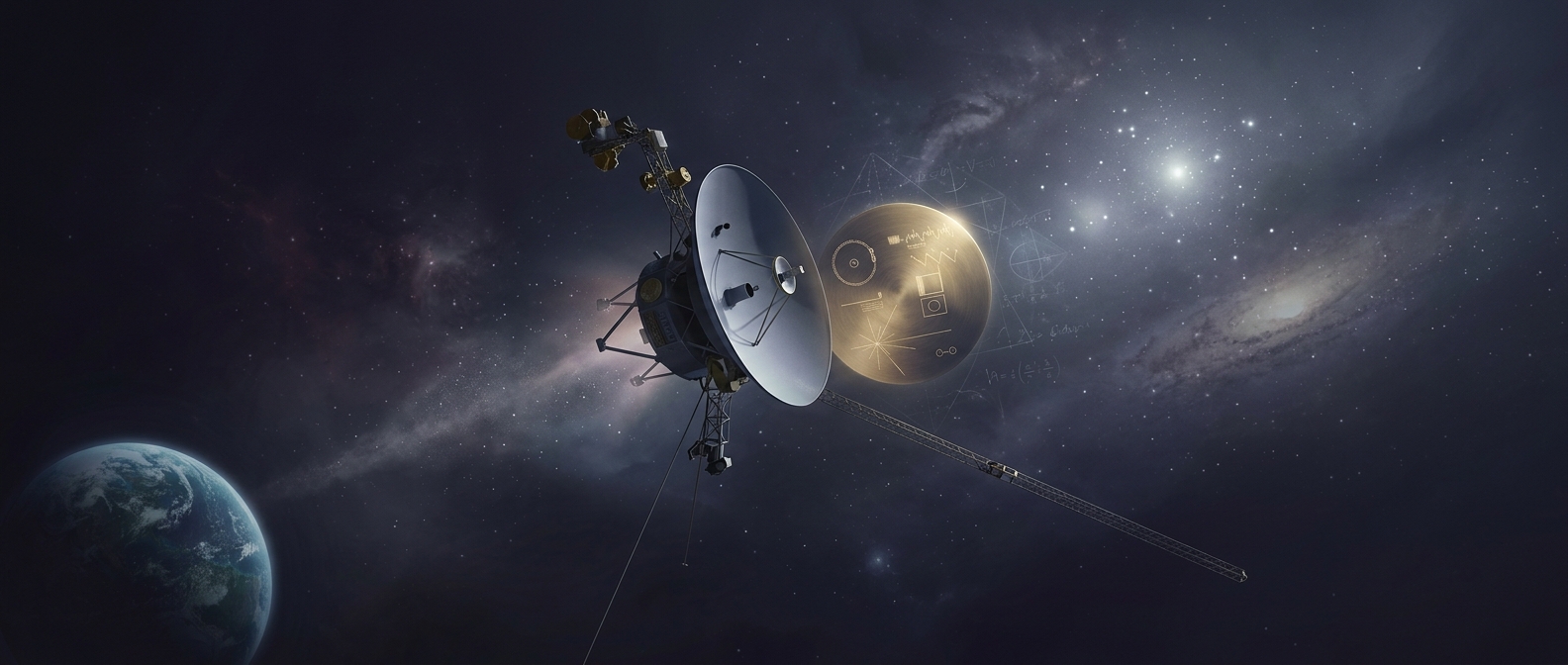
Voyager carries a map pointing aliens to Earth
The map uses pulsars as cosmic coordinates to show where the Sun sits in the galaxy. It’s less a street address than a “you are here” marker aimed at anyone…
Discover more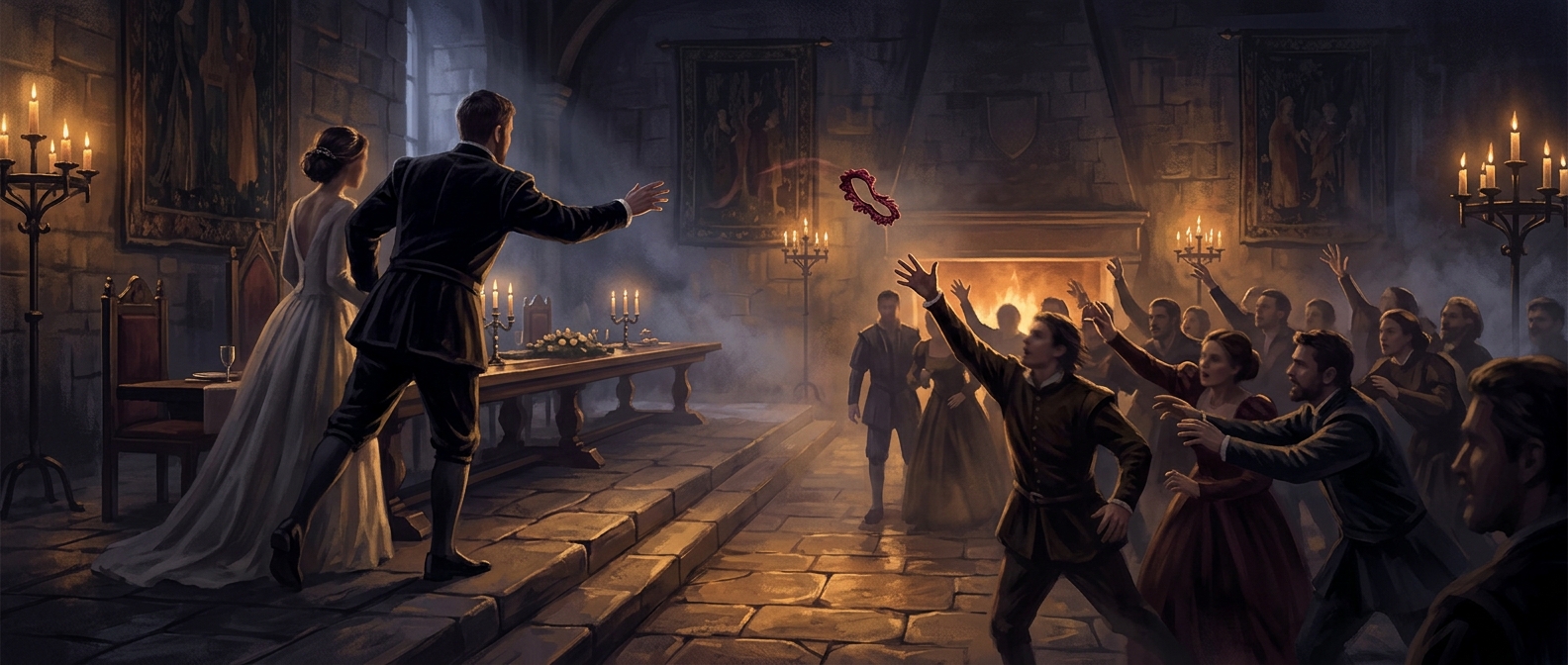
The wedding garter toss is younger than its medieval backstory
Fashion historian Kimberly Chrisman-Campbell reports finding no evidence of the staged modern toss before the mid-1950s. Stories about medieval guests…
Discover more