History
Discover facts about history. Small discoveries that change the way you see familiar things.
History
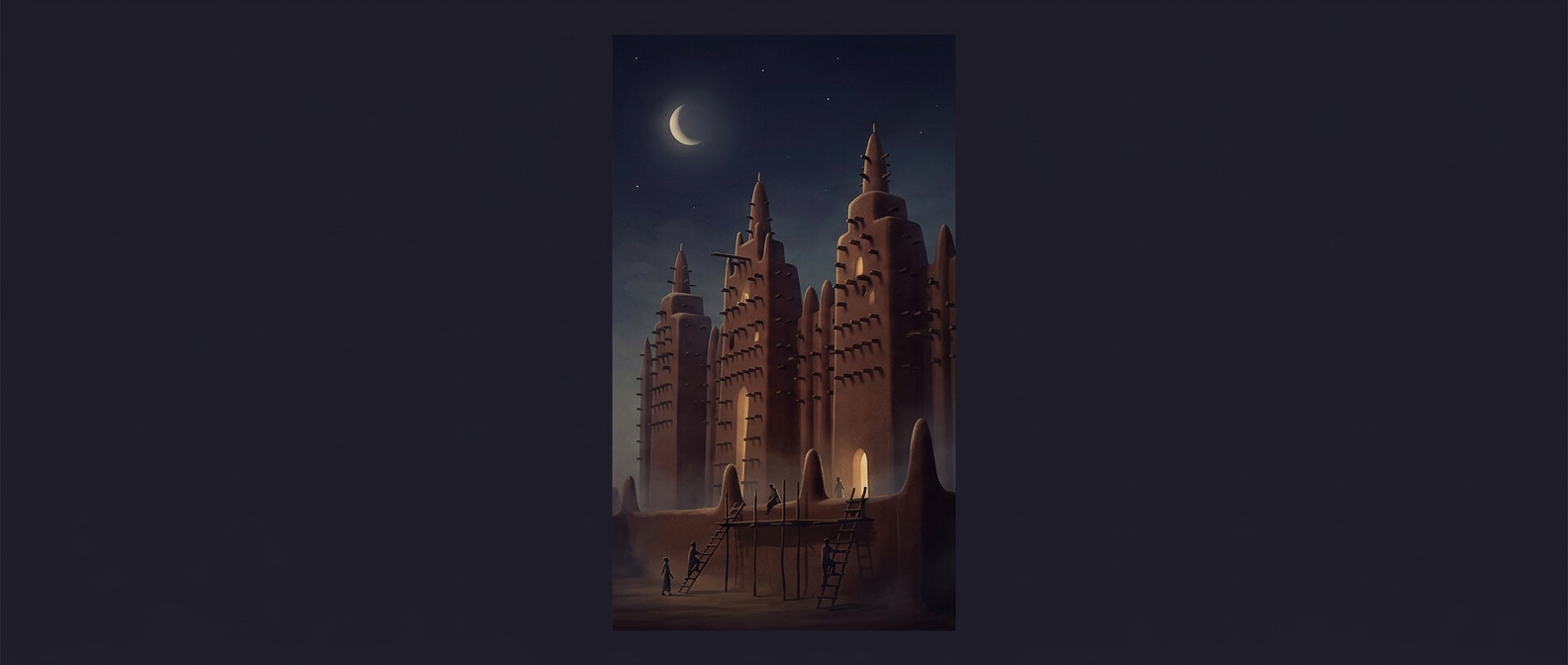
Malian mud mosques feature protruding wooden beams
The beams are built-in scaffolding: workers climb them to re-plaster the mud walls after seasonal rains wear them down. The repair crew doesn’t need to bring…
Discover more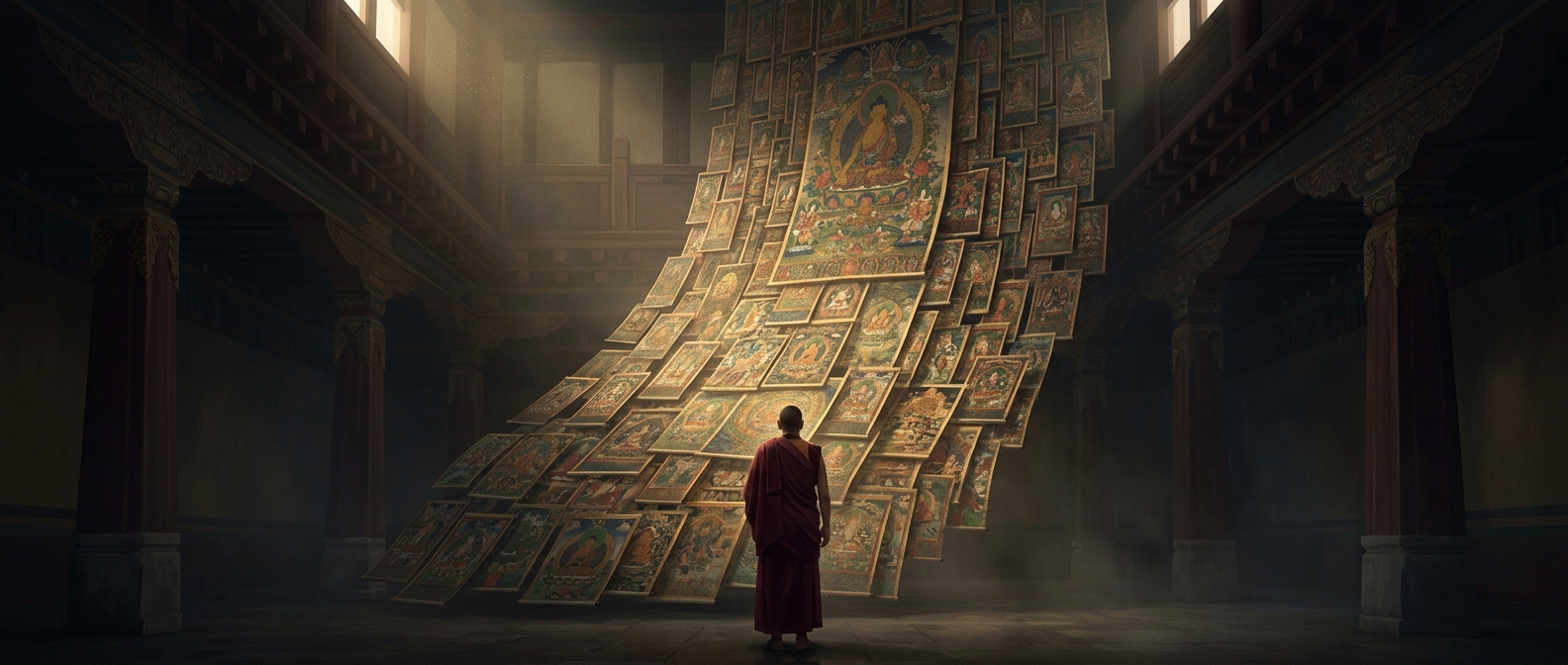
Potala Palace contains thousands of painted scrolls
The thousands of intricate painted scrolls are housed in a sprawling, multistory complex high on a mountain.
Discover more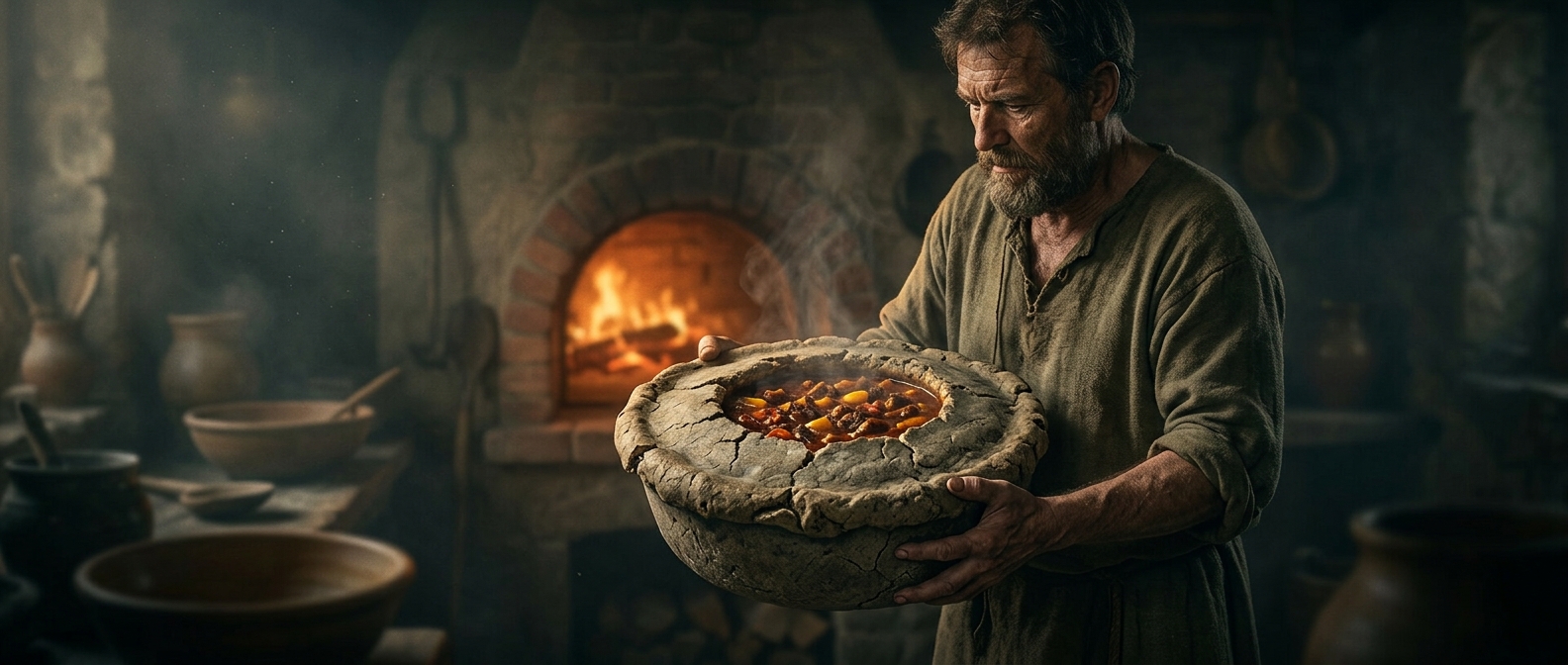
Pie crusts were once just medieval Tupperware
Some medieval meat pies used thick pastry shells as cooking vessels and storage containers rather than as the part diners were meant to enjoy. The crust held…
Discover more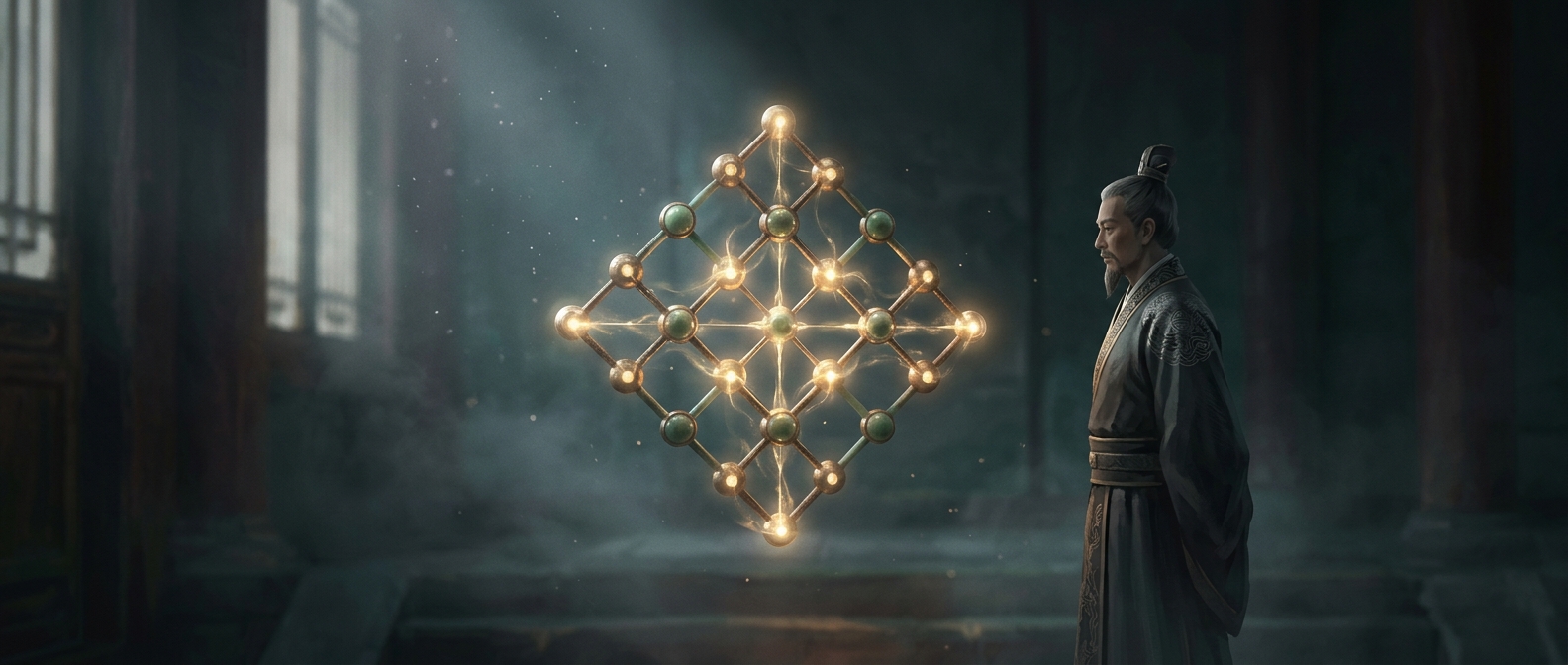
Chinese magic squares perfectly balance numbers
Arrange the numbers one through nine in a 3-by-3 grid and every row, column, and diagonal adds to 15. That balance made the Lo Shu more than a puzzle: its…
Discover more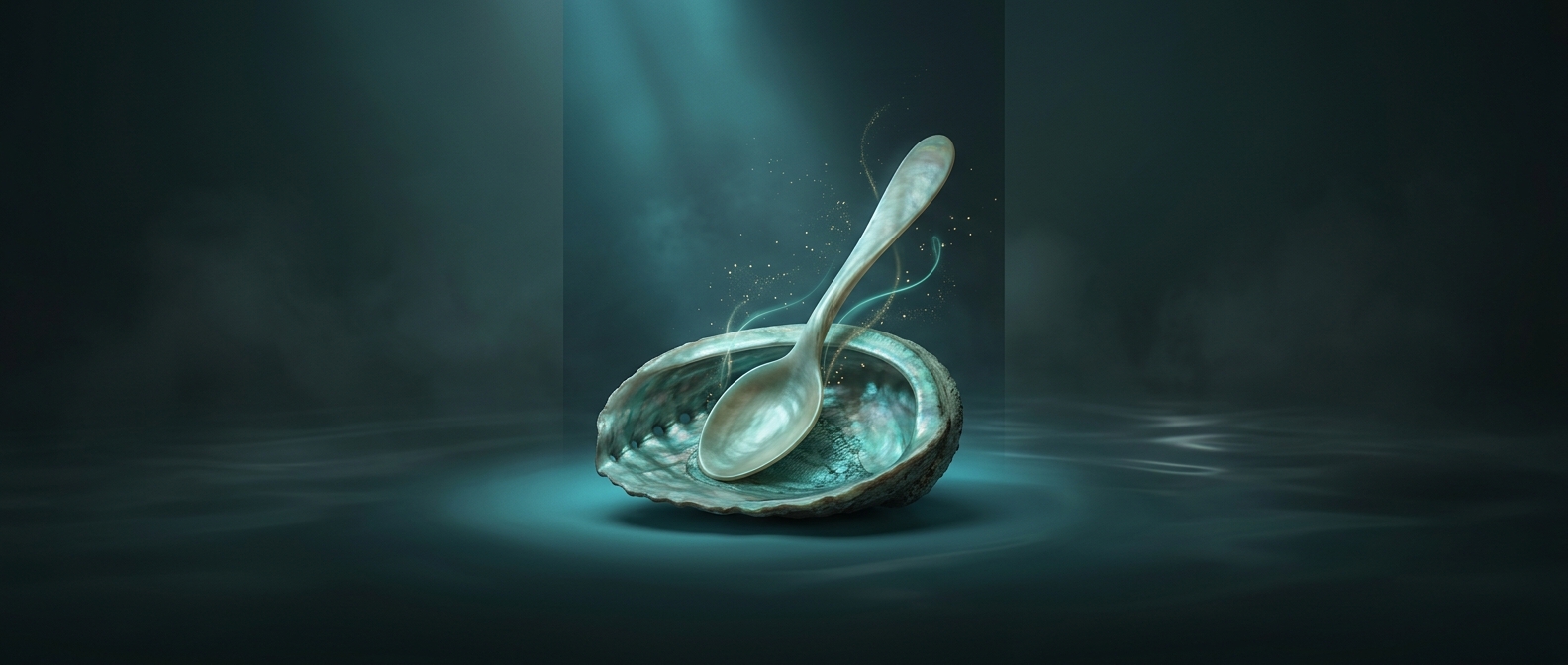
An Egyptian spoon turned its handle into a swimming girl
A turquoise-glazed example at the Met shows a figure holding the container in her outstretched arms. Related cosmetic spoons use waterfowl or plants as part…
Discover more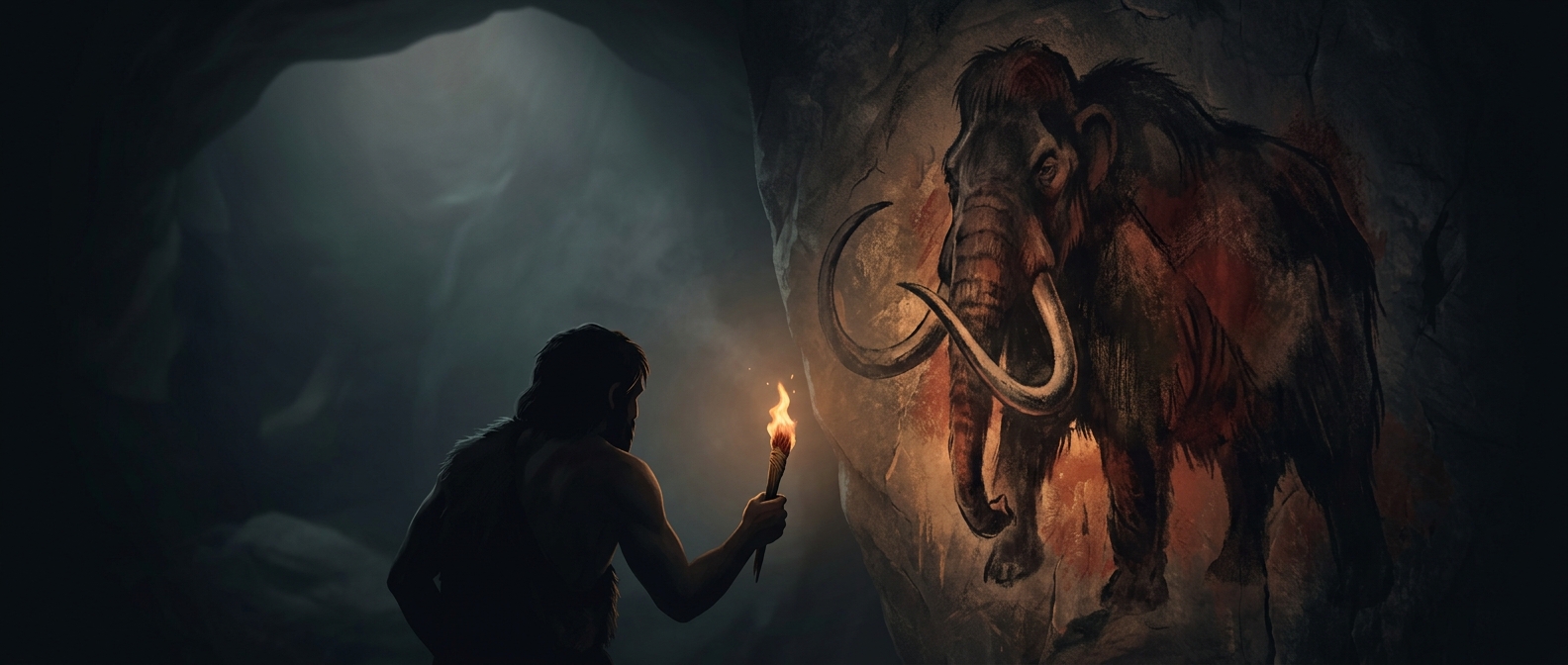
Prehistoric humans heavily painted extinct beasts in caves
Artists painted woolly rhinos and cave bears deep inside limestone caverns, using crushed minerals and the flicker of burning animal fat for light.
Discover more STACKY FOR IPHONE
A bigger world.
One discovery
at a time.
Keep discovering with Stacky. Interesting facts in an app that is always within reach.
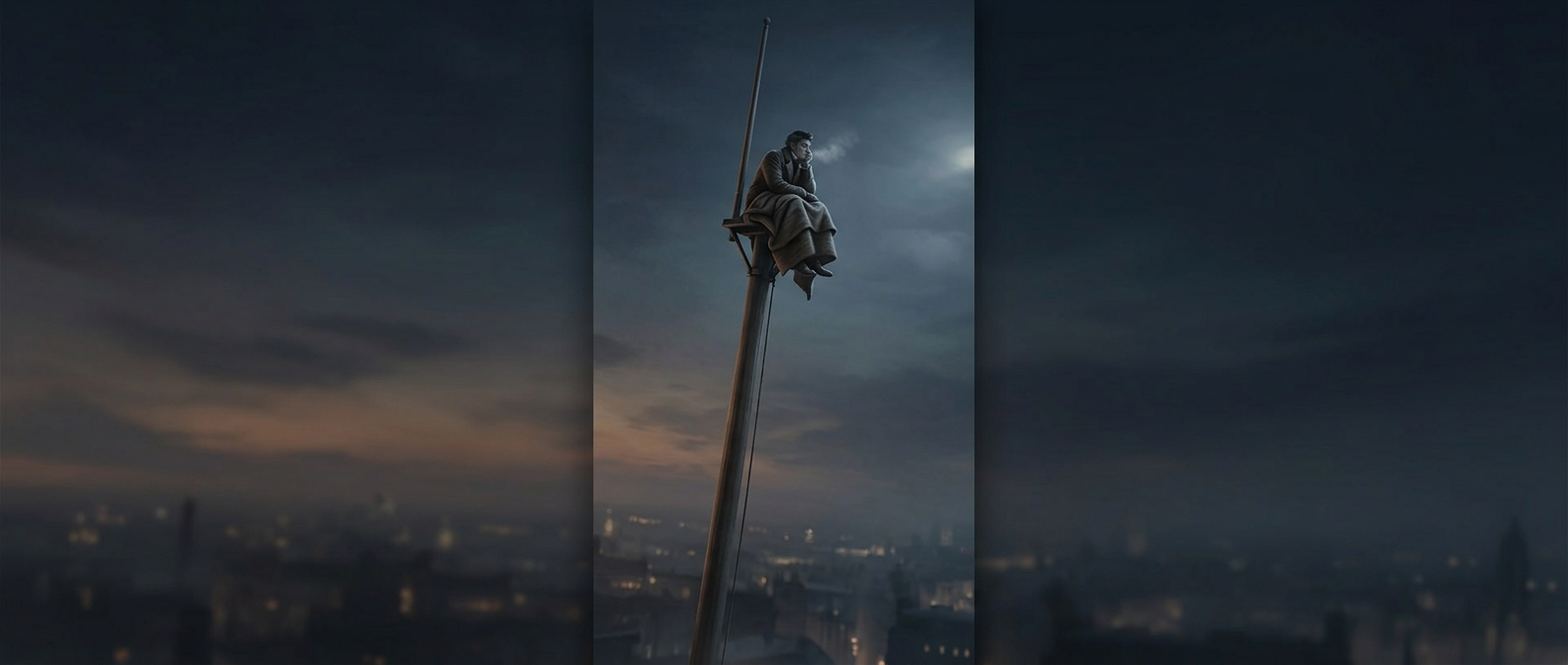
Flagpole sitters turned staying put into a public spectacle
In the 1920s and 1930s, performers remained on small platforms above crowds for days or weeks. Supplies had to come up to them while the audience followed…
Discover more
A historian found barking dogs in early modern public complaints
Research on nuisance dogs in England describes noise, roaming animals, and authorities trying to control them. Samuel Pepys even recorded being kept awake by…
Discover more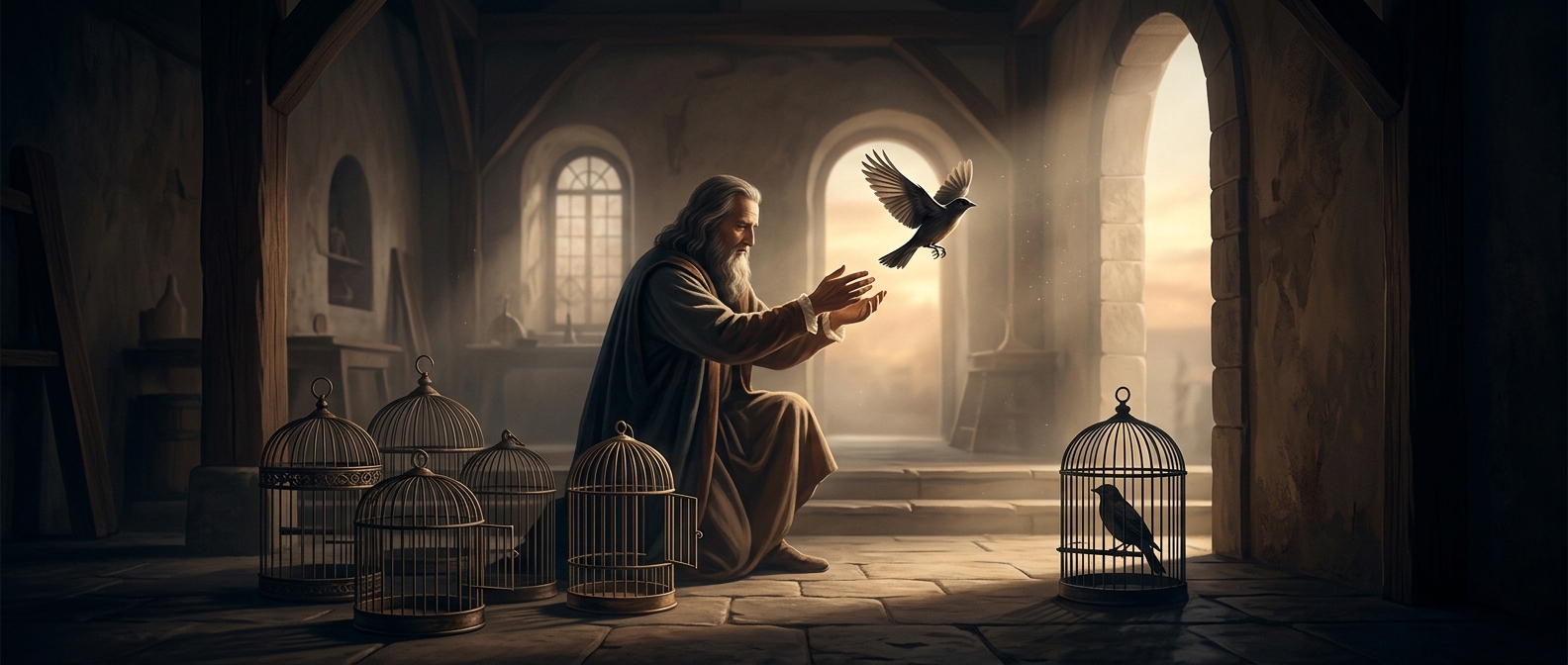
Leonardo da Vinci bought birds just to free them
A vegetarian with deep empathy for wildlife, da Vinci reportedly bought caged birds at markets and released them.
Discover more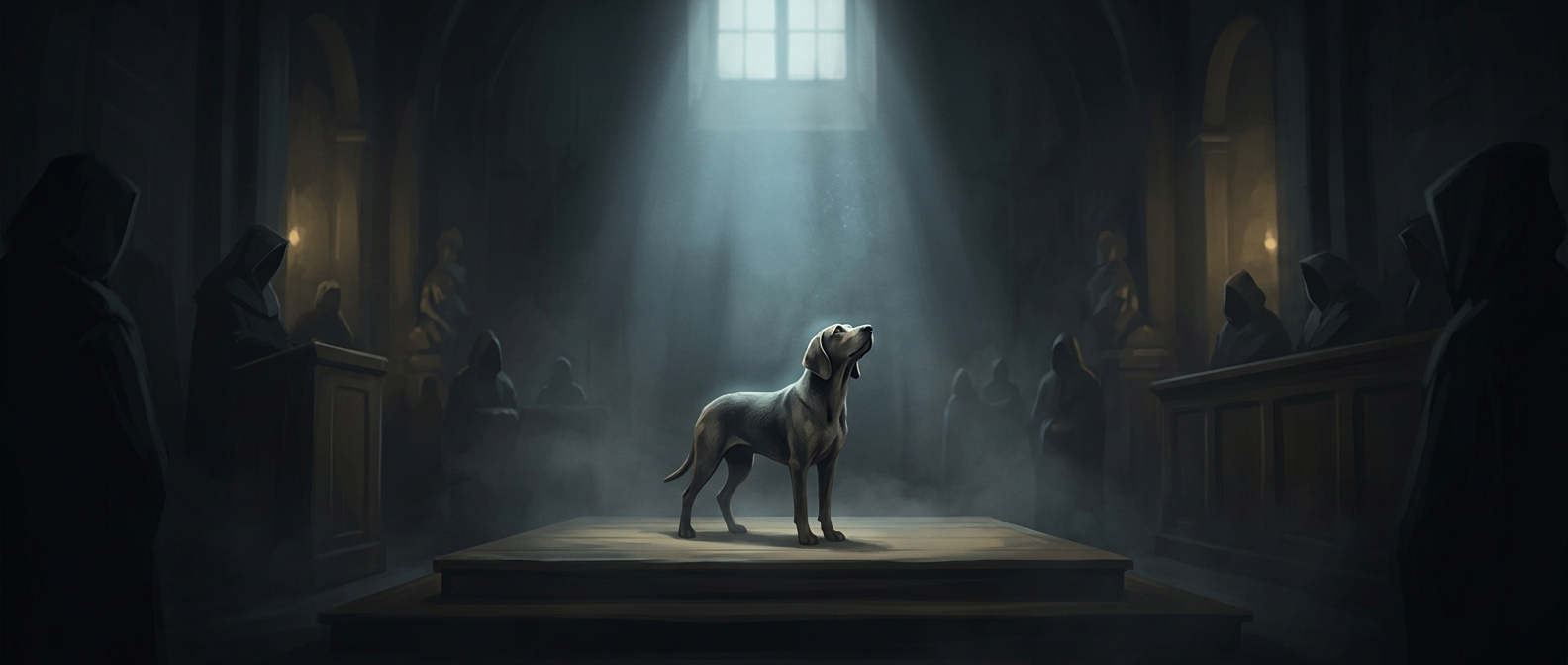
A prison dog got a mug shot and an inmate number
Pep arrived at Eastern State Penitentiary in 1924 and was recorded as C-2559. A sensational story said the governor had sentenced him for killing a cat; the…
Discover more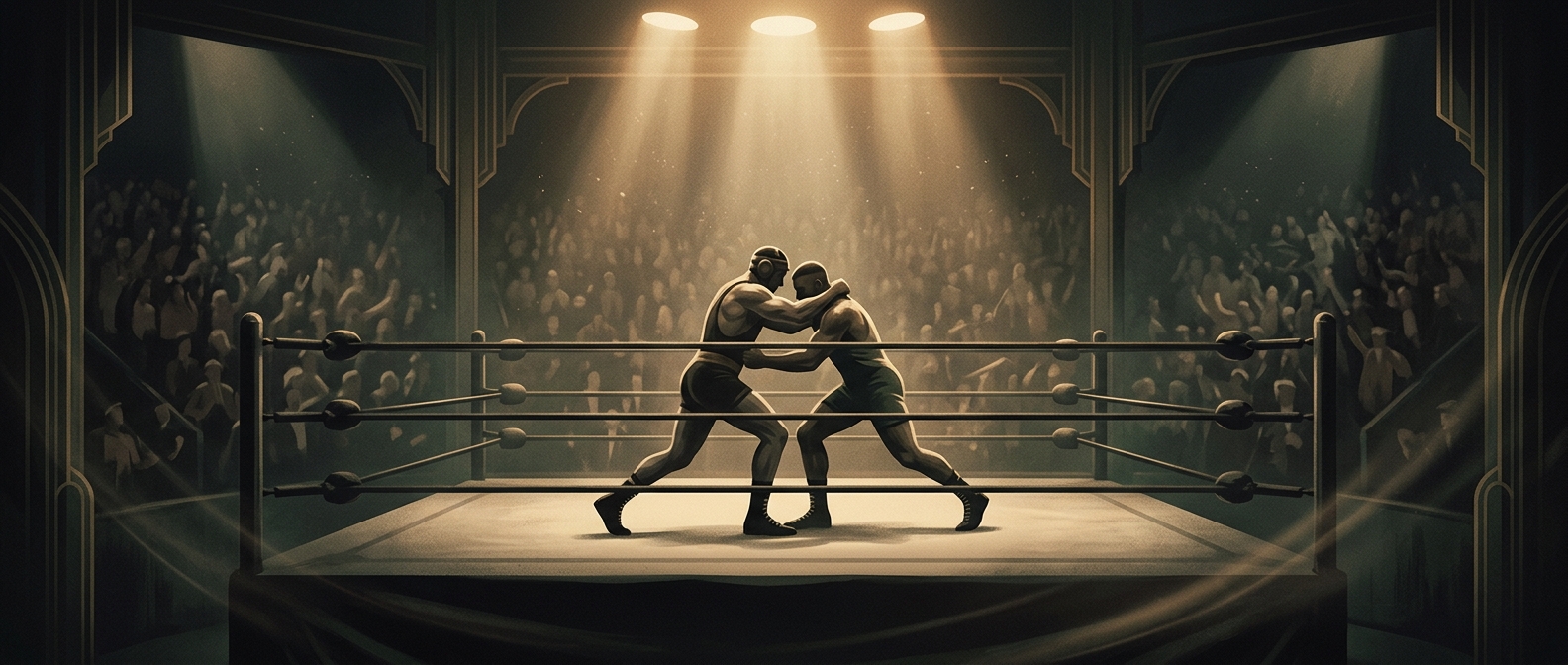
Fake wrestling was already huge in the 1920s
In the 1920s, scripted, melodramatic matches packed arenas. The drama was already doing the heavy lifting, decades before flashy entrances and folding chairs…
Discover more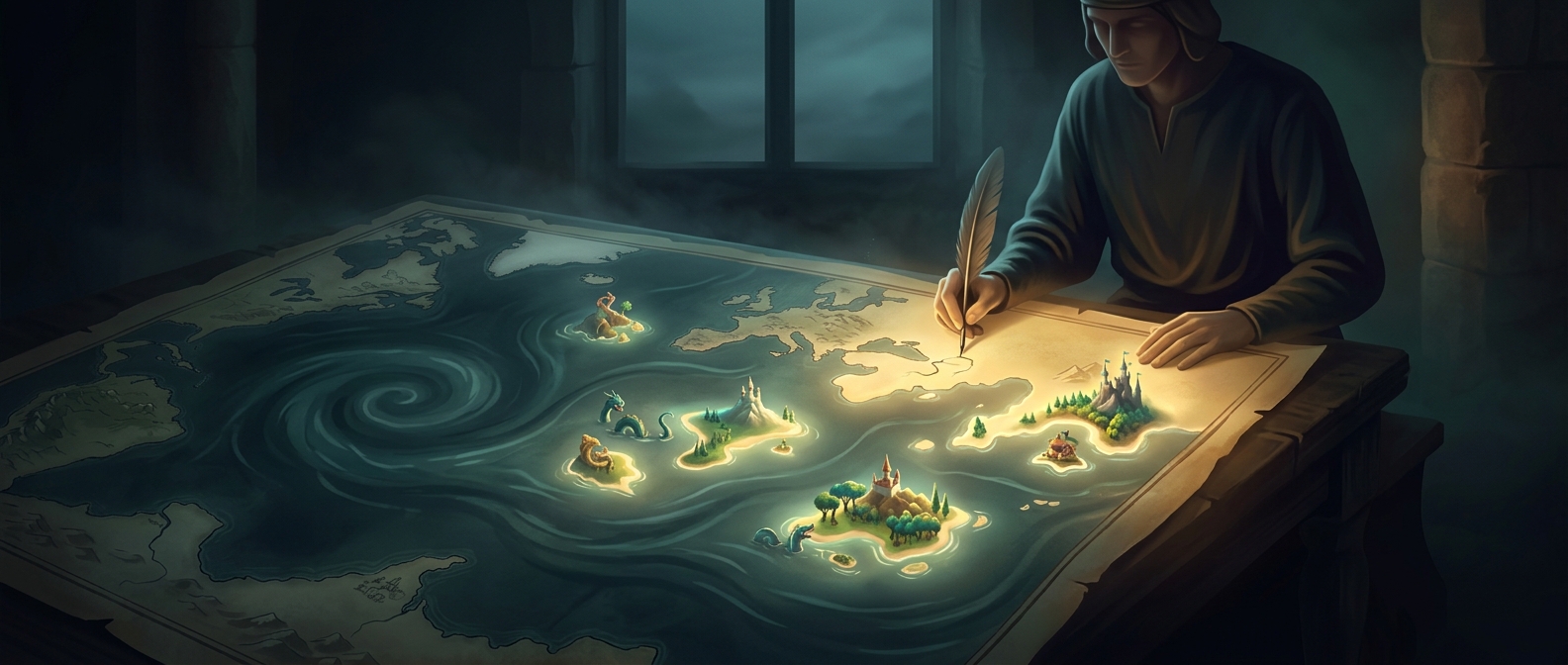
The phantom island that survived centuries of maps
Hy-Brasil appeared west of Ireland on charts even though expeditions never found it. Irish folklore said it emerged from the mist just once every seven years.…
Discover more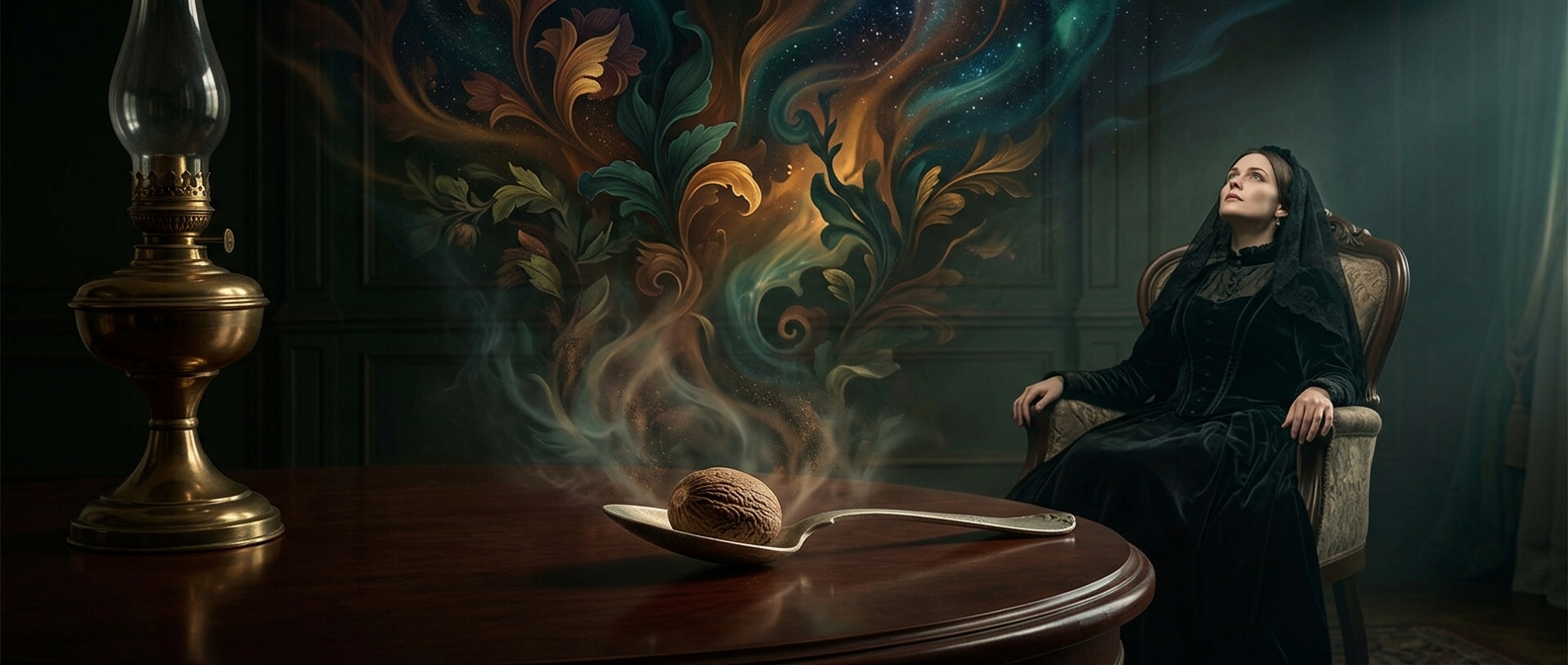
A kitchen spice can cause a very unappetizing poisoning
Nutmeg in excessive amounts can cause confusion, hallucinations, a racing heart, and severe discomfort. The familiar flavoring contains biologically active…
Discover more
Aryabhata worked out why the stars seem to move
His key move was to put the motion in the ground, not the stars: Earth turns, making the sky appear to sweep overhead.
Discover more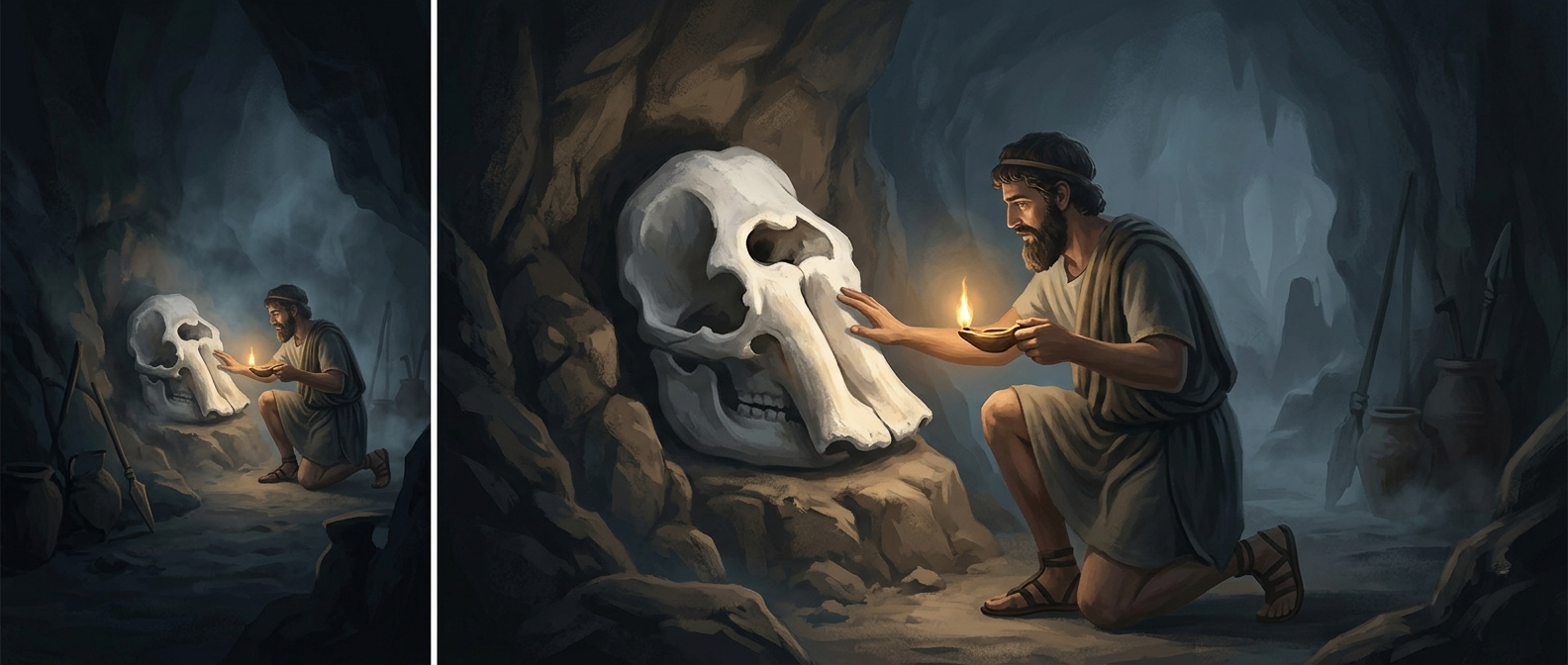
Did elephant fossils inspire the cyclops myth
A dwarf elephant skull’s large opening for the trunk can look like a single eye socket. Some paleontologists think that anatomical mix-up helped inspire…
Discover more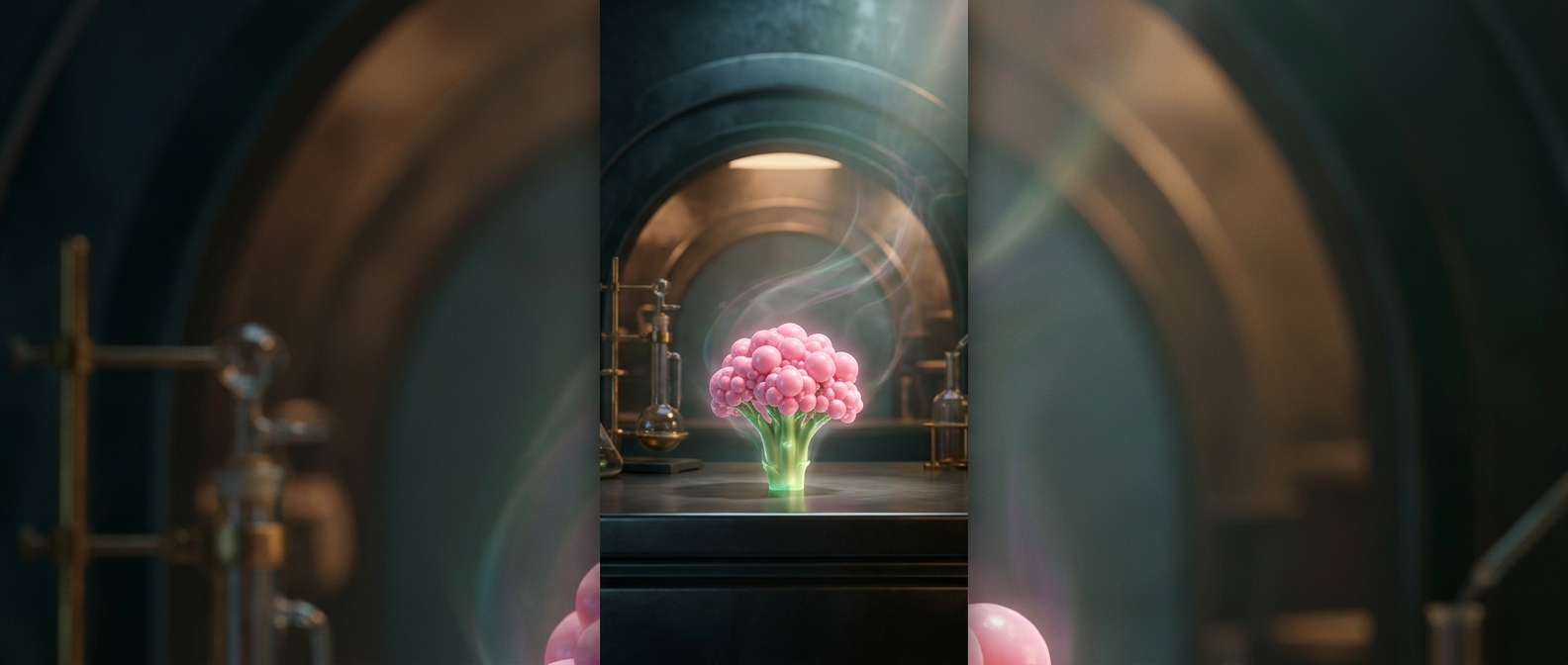
McDonald's once made broccoli taste like bubblegum
McDonald’s tried to make broccoli more appealing to kids by giving it a bubblegum flavor. Children found the candy-flavored vegetable unsettling—proof that…
Discover more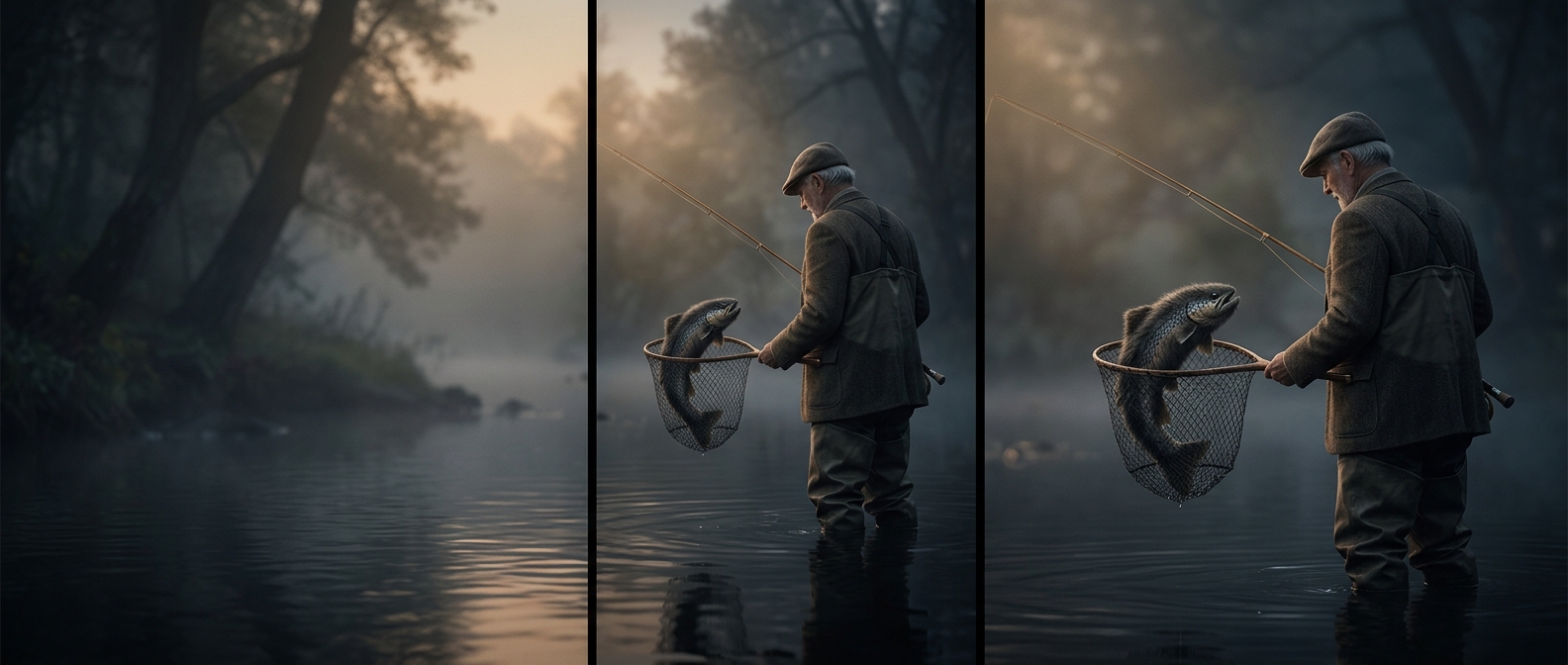
The fake fish that fooled tourists with rabbit fur
Pranksters gave taxidermy fish a coat of white rabbit fur, then told tourists they came from freezing rivers. The fur made the made-up explanation look just…
Discover more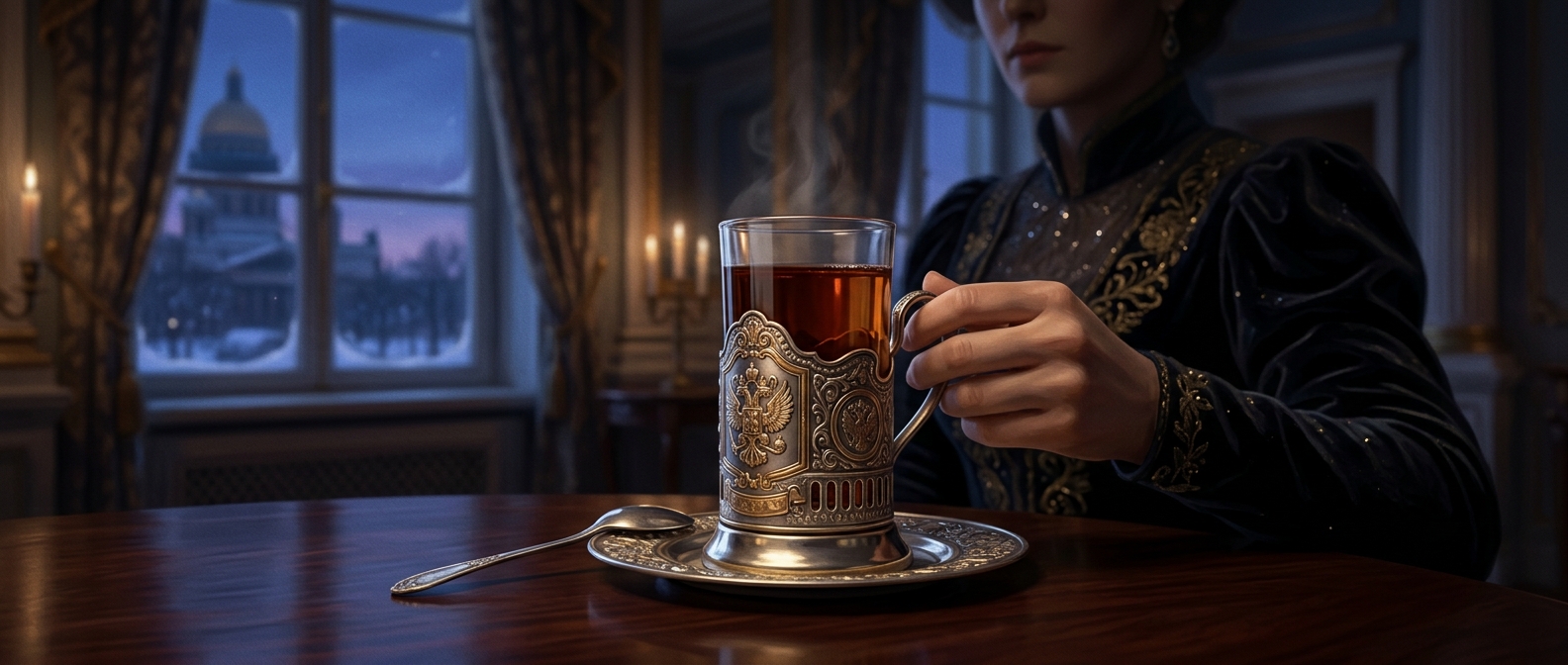
Russian royals drank tea from glasses in metal holders
A metal holder kept the glass steady on bumpy carriage rides and gave drinkers a way to handle scalding tea without gripping the hot glass. The podstakannik…
Discover more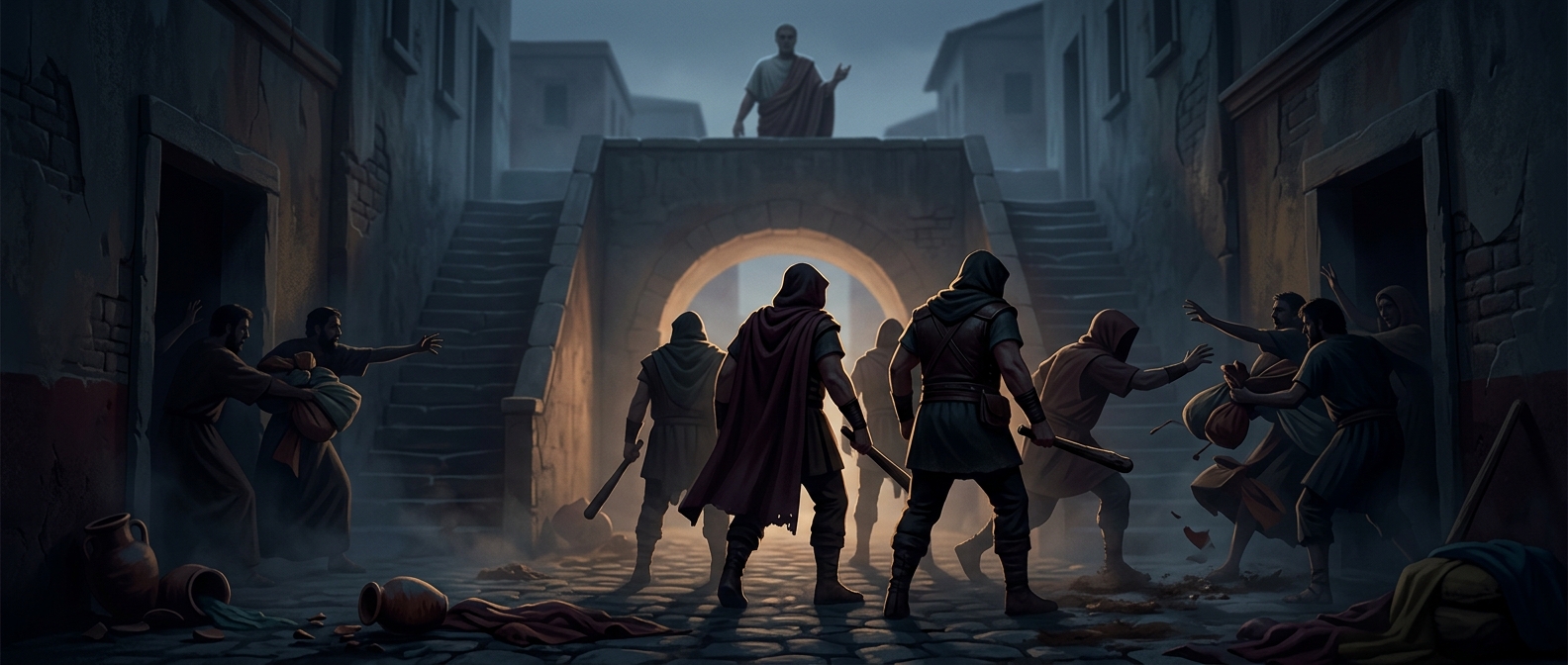
Ancient Roman cities had a rental-housing market
Ostia preserves large apartment buildings known as insulae, a reminder that Roman urban life was not all villas and courtyards. Many people lived in shared,…
Discover more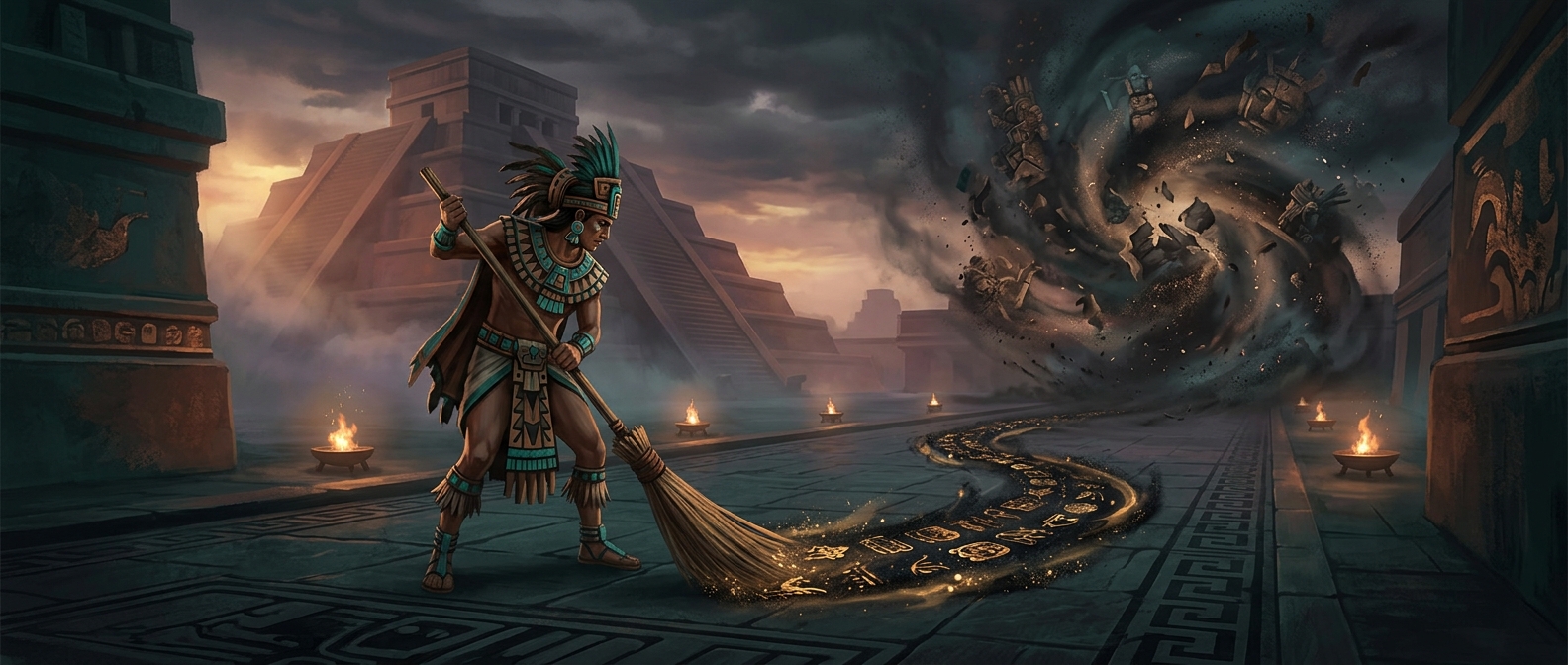
Why Aztecs treated sweeping as cosmic defense
For the Aztecs, sweeping was more than household upkeep: religious festivals treated dirt and disorder as possible invitations to dark cosmic forces. A clean…
Discover more
Coconuts drifted across Southeast Asian coastlines
Their thick, fibrous husks helped coconuts float and protected the seed on long trips at sea. The same packaging that made them tough to open helped them…
Discover more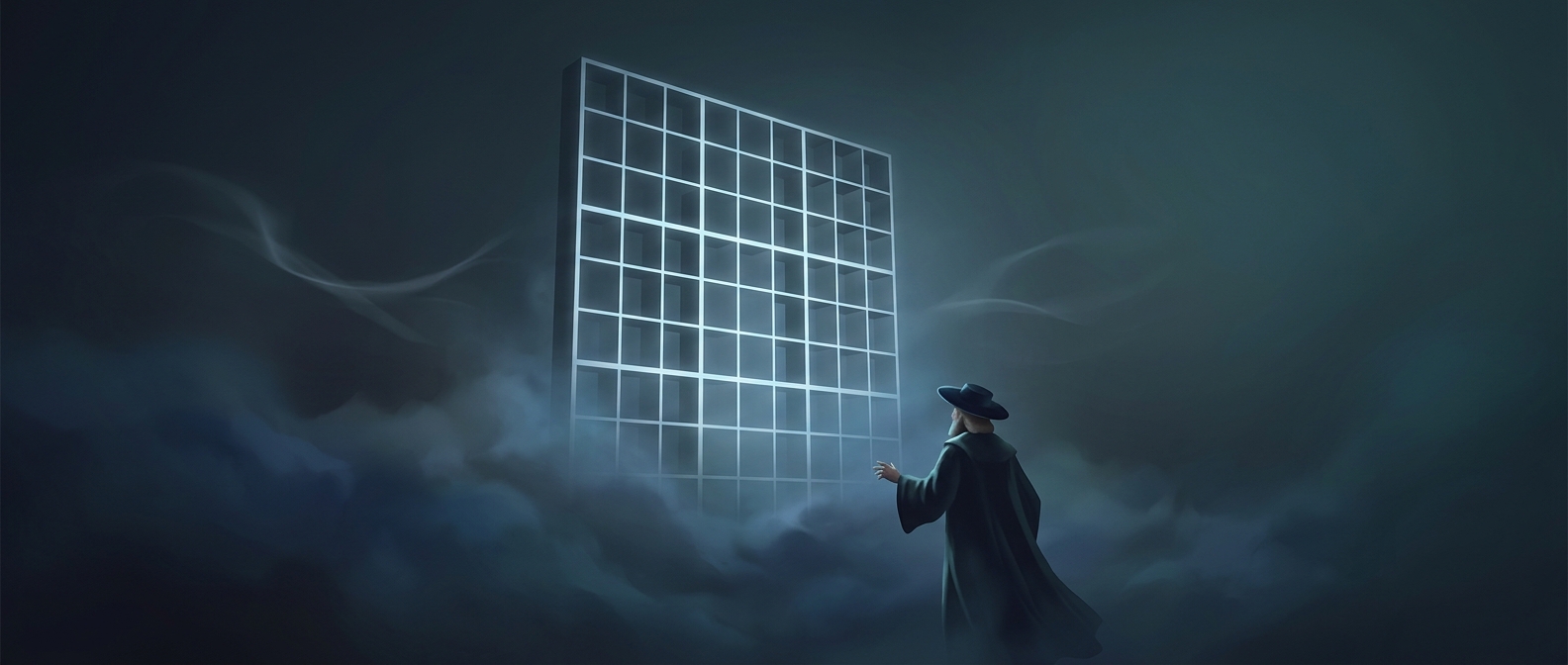
Sudoku is younger than the internet
The grid existed by the late 1970s, but newspapers gave it a daily audience when they began publishing it in 2004. A quiet number puzzle suddenly had a…
Discover more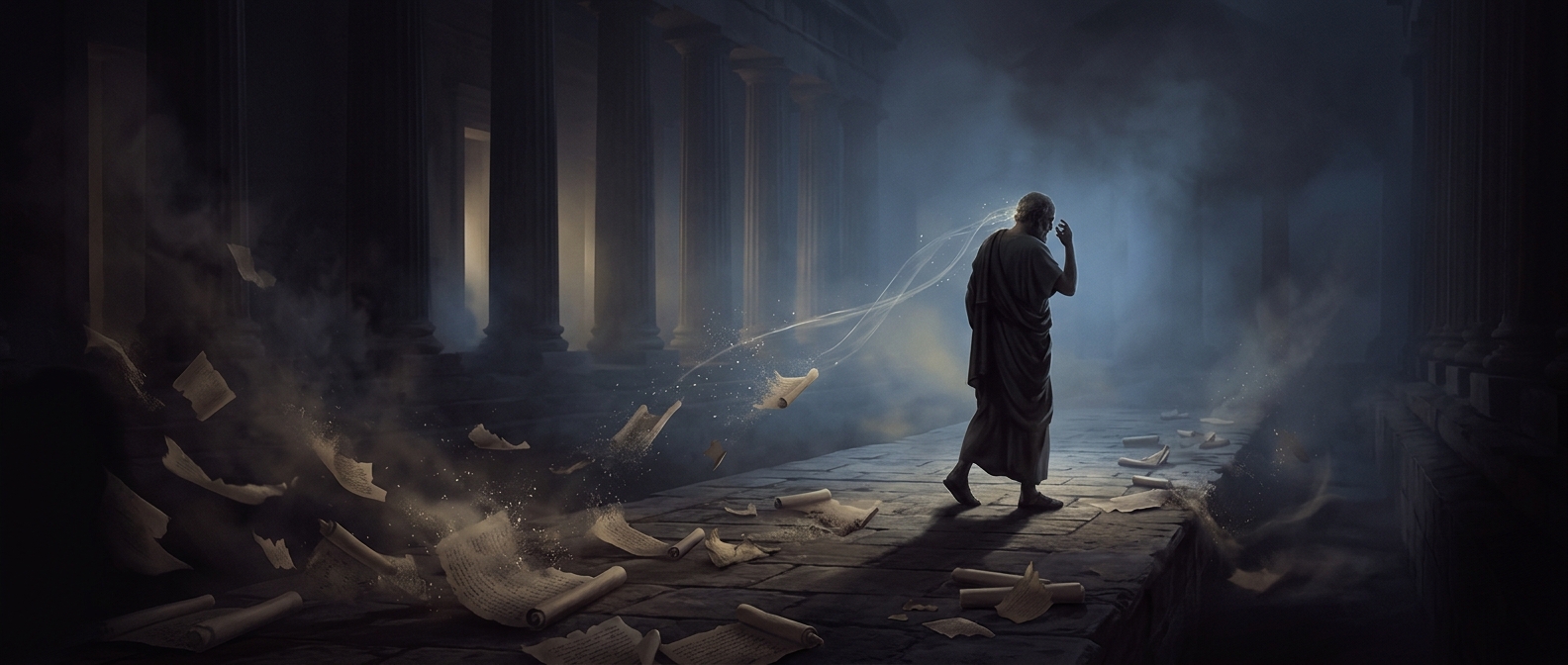
Socrates thought writing would make us forgetful
Socrates warned that writing would weaken memory and make people mentally lazy. We know the argument because Plato wrote it down—a rebuttal preserved by the…
Discover more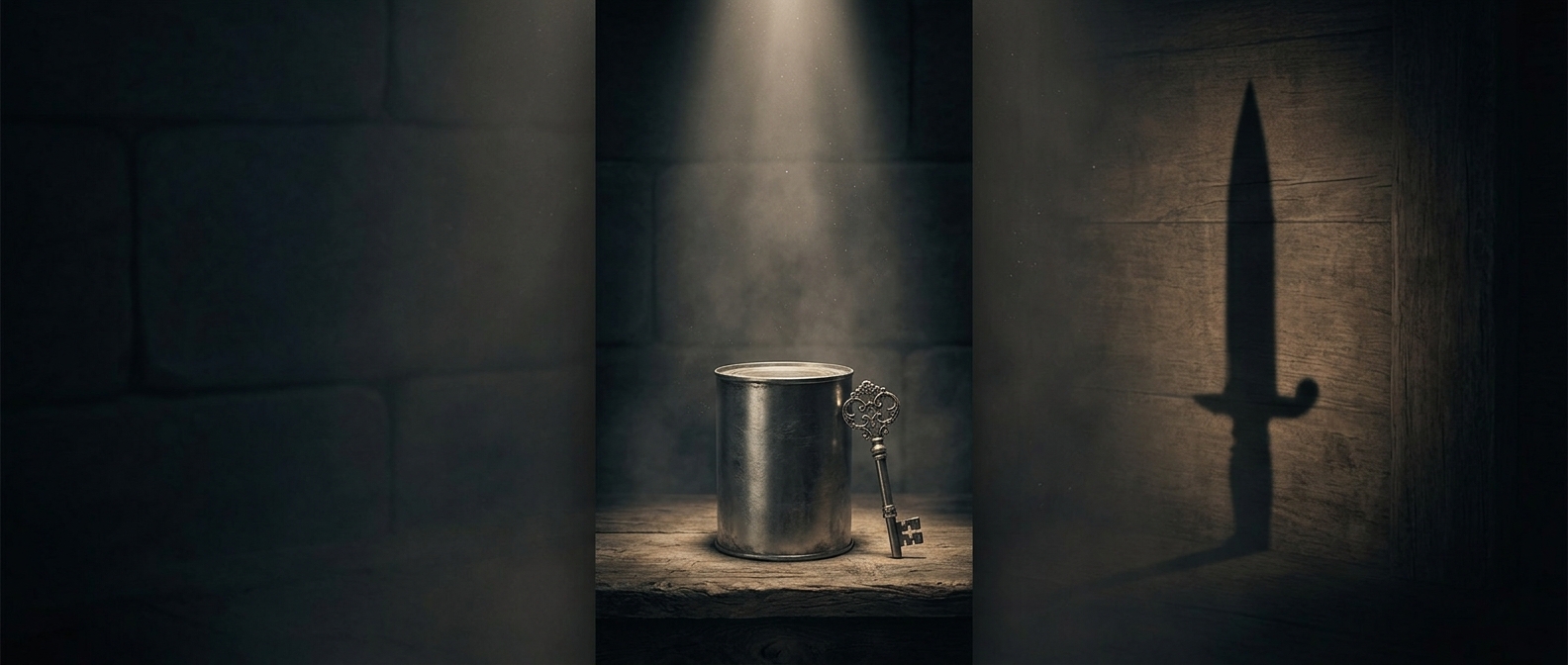
Canned food arrived before the can opener
Preserved food came in cans before anyone had designed a practical opener. Early consumers had to bring out a hammer and chisel; dinner came with a hardware…
Discover more