History
Discover facts about history. Small discoveries that change the way you see familiar things.
History

The king who barked at his royal guests
After he began barking at guests during formal audiences, the king's handlers removed him from power.
Discover more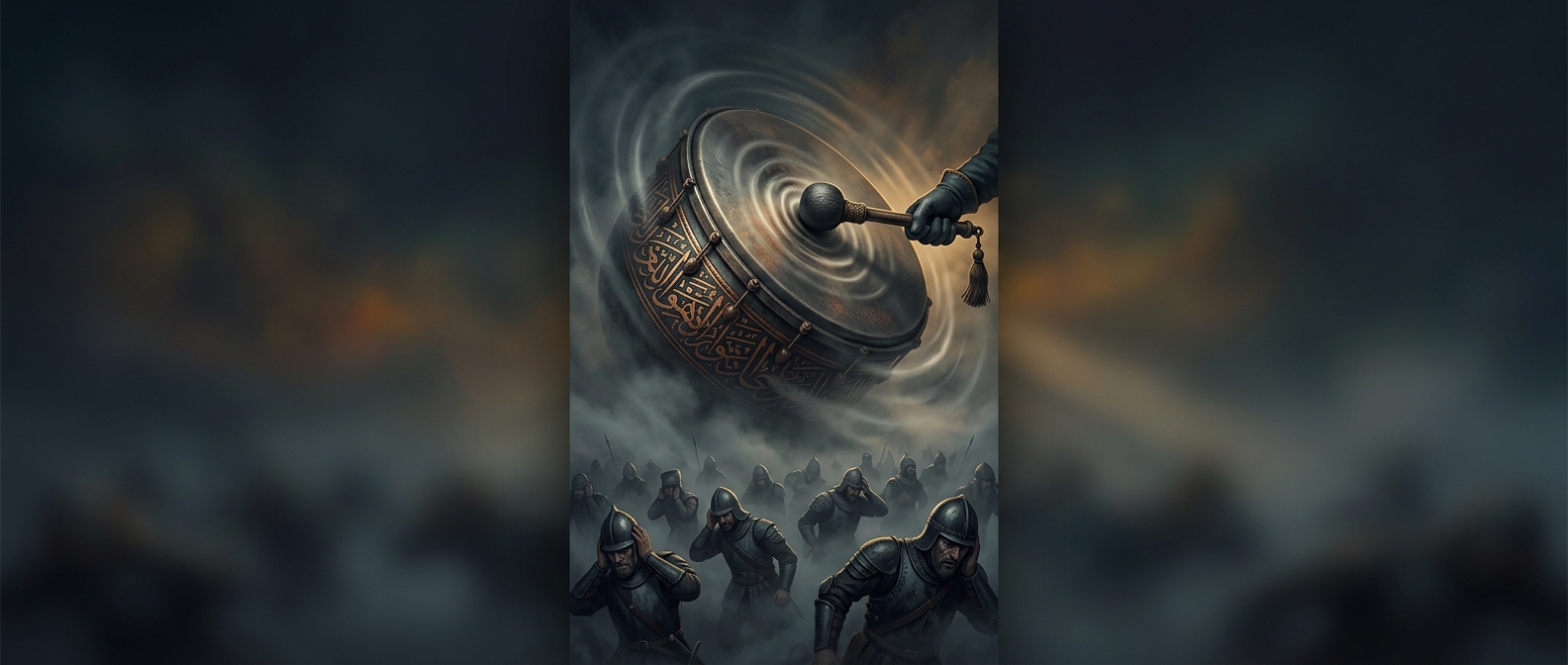
How Ottoman drums terrified European armies
Janissary bands marched with massive kettledrums and blaring horns, making an advancing army impossible to ignore. The noise could unsettle European troops…
Discover more
Indian metalworkers inlay silver wire onto dark zinc
Bidriware artists carve grooves into a blackened zinc-and-copper alloy, then hammer thin silver wire into them for a striking contrast.
Discover more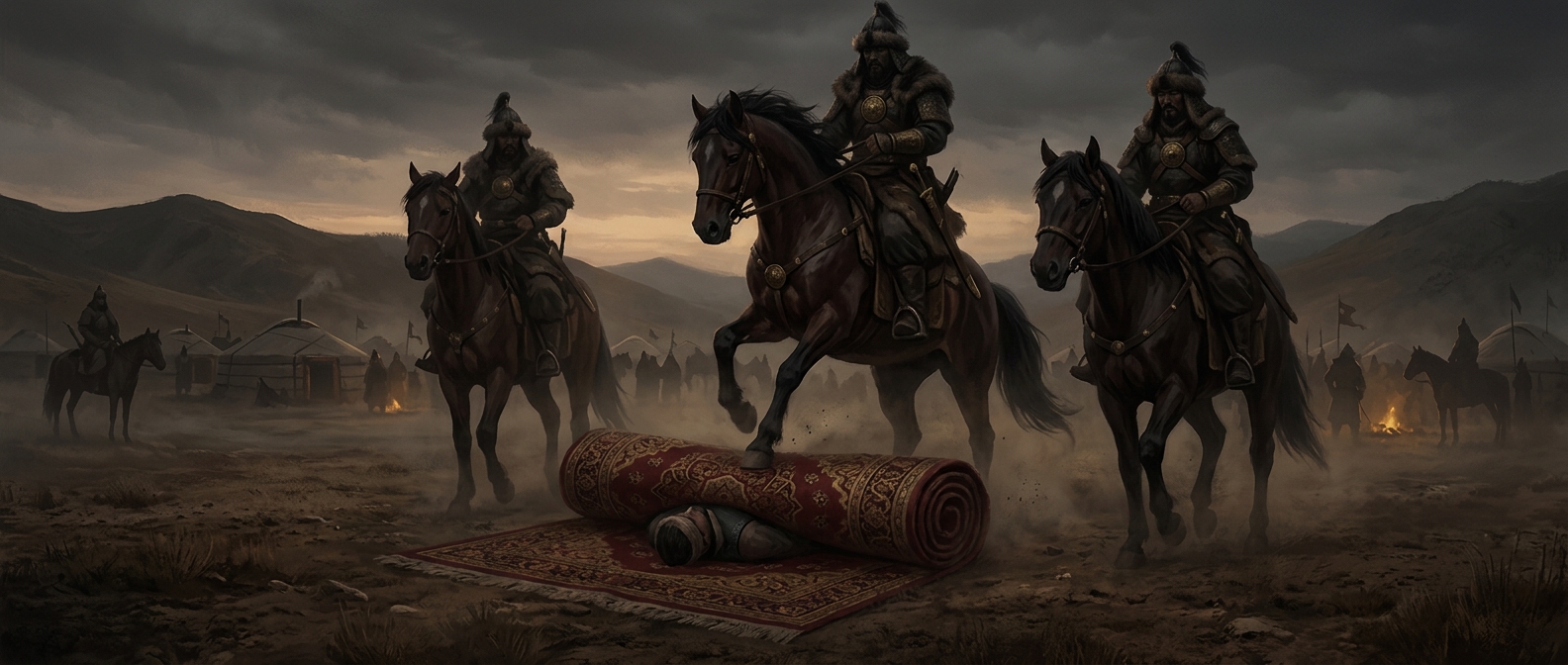
Baghdad's last Abbasid caliph died several ways—in the histories
Accounts of al-Musta'sim's death after the Mongol capture of Baghdad in 1258 disagree, offering different executions and symbolic details. Historians study…
Discover more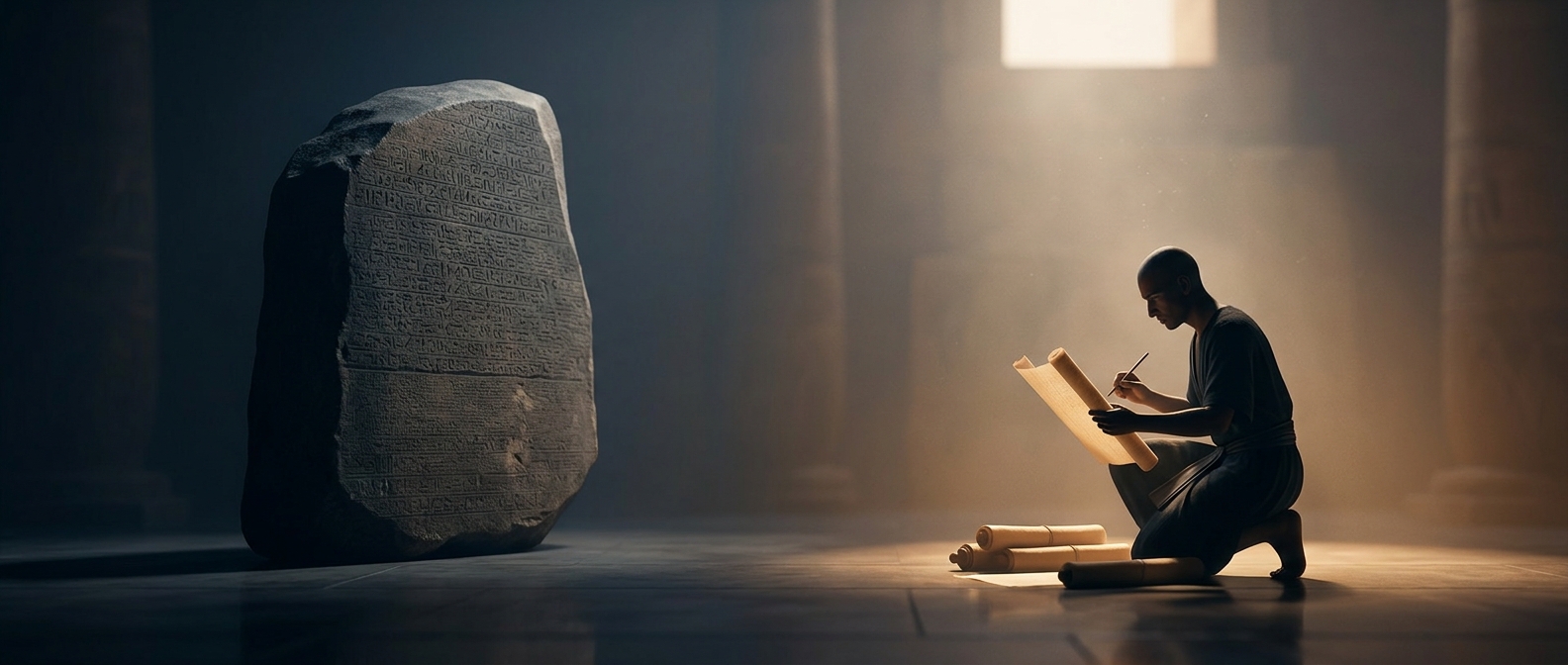
Egyptian scribes wrote on papyrus because stone was heavy
Stone could preserve a message, but it was heavy and fixed in place. Papyrus, made from river-reed pith, was light enough to roll and carry—an ancient…
Discover more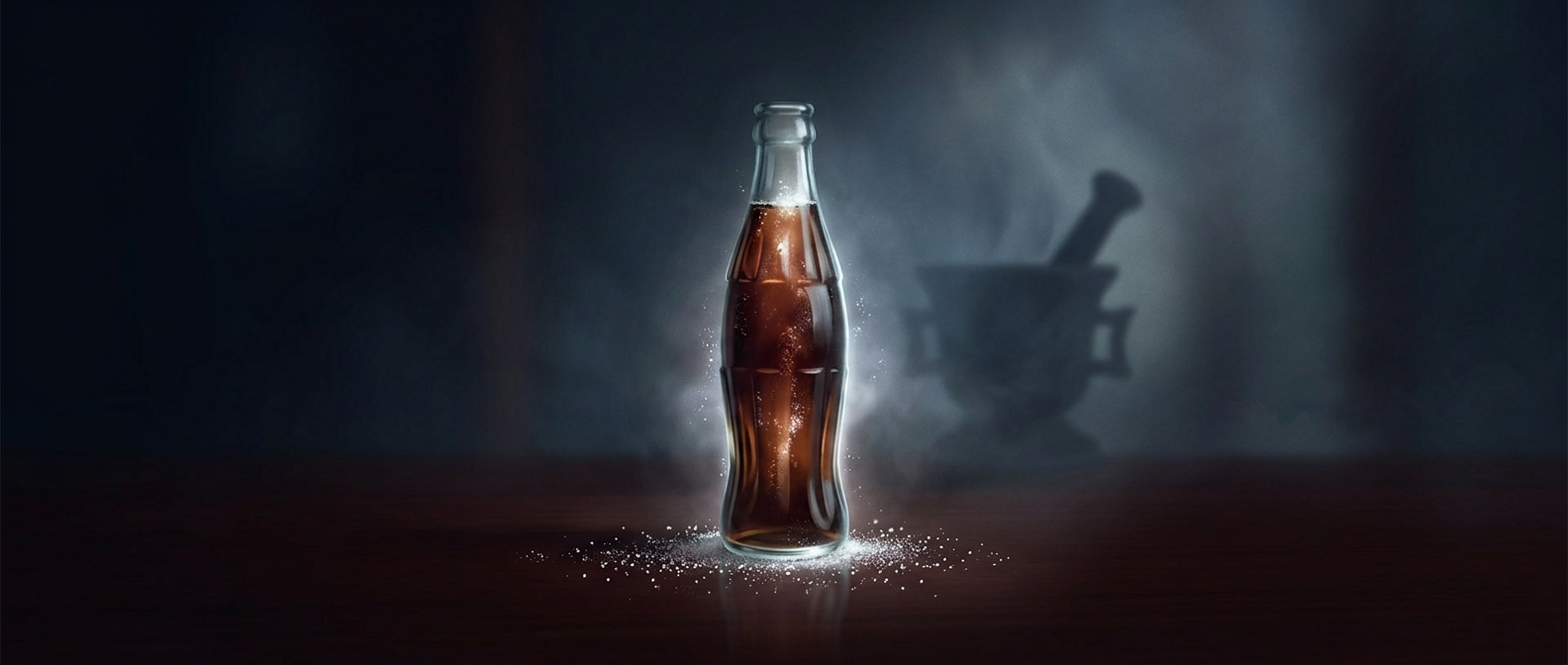
Coca-Cola began in the era of coca-based tonics
Its early formula used coca-leaf extract containing cocaine, and advertising presented the drink as a tonic. A historical NIDA account dates the switch to…
Discover more STACKY FOR IPHONE
A bigger world.
One discovery
at a time.
Keep discovering with Stacky. Interesting facts in an app that is always within reach.

The fish market discovery that rewrote evolution
In 1938, museum curator Marjorie Courtenay-Latimer spotted an unfamiliar fish among a South African catch. It was a coelacanth, known until then only from…
Discover more
Medieval bathhouses could serve dinner with the bath
Medieval European images show people sharing tubs and eating while they bathe. Public bathhouses were social spaces as well as places to wash, and some…
Discover more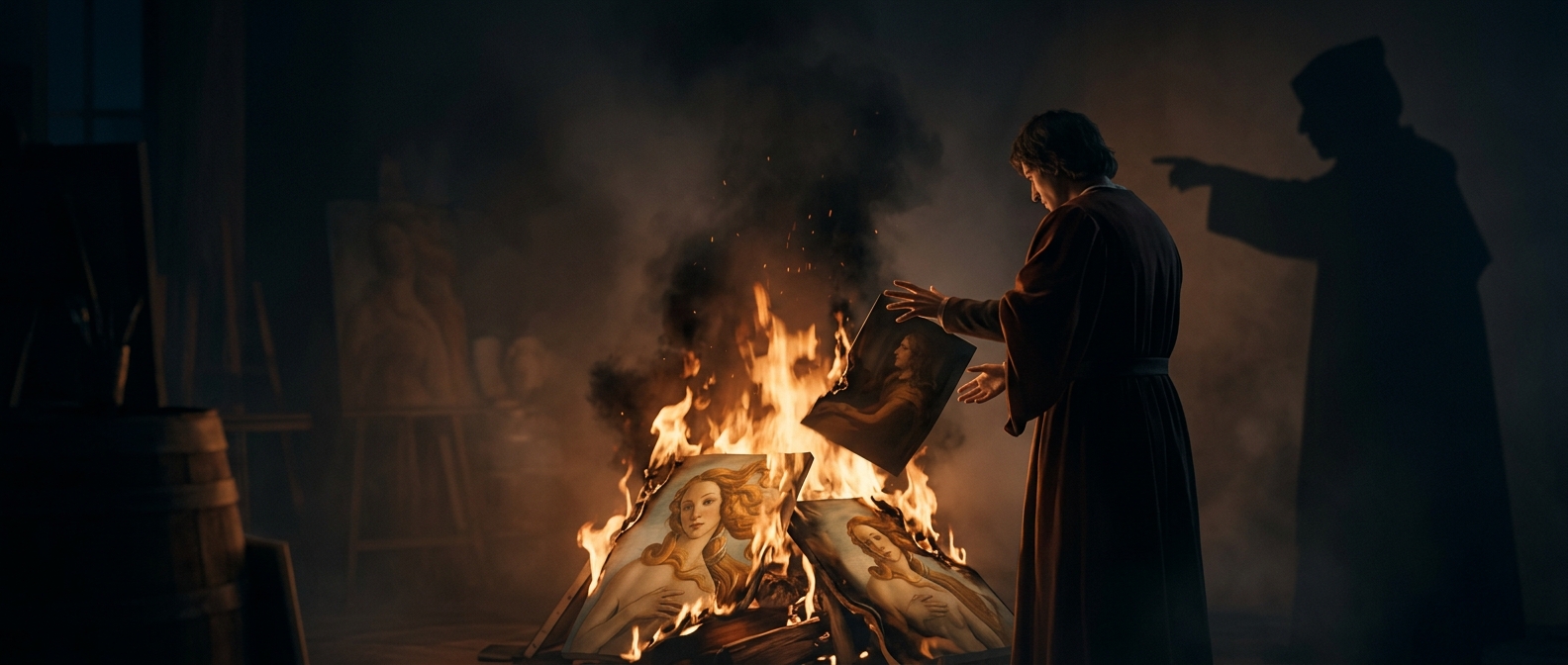
Botticelli painted a Nativity with an apocalypse attached
His Mystic Nativity includes demons retreating into cracks and a Greek inscription linking Italy's troubles with Revelation. The peaceful birth scene carries…
Discover more
Lego derives its name from a Danish phrase meaning play well
The name comes from the Danish phrase “leg godt,” meaning “play well”—a cheerful promise that may feel less apt when a brick meets a bare foot.
Discover more
Medieval London treated football as a public-order problem
A 1314 proclamation under Edward II banned the noisy street game because of the disturbance it caused. Later restrictions also competed with the crown's…
Discover more
How God be with ye became goodbye
“Goodbye” began as “God be with ye.” Repeated use wore the longer blessing down into a word people could say in a hurry.
Discover more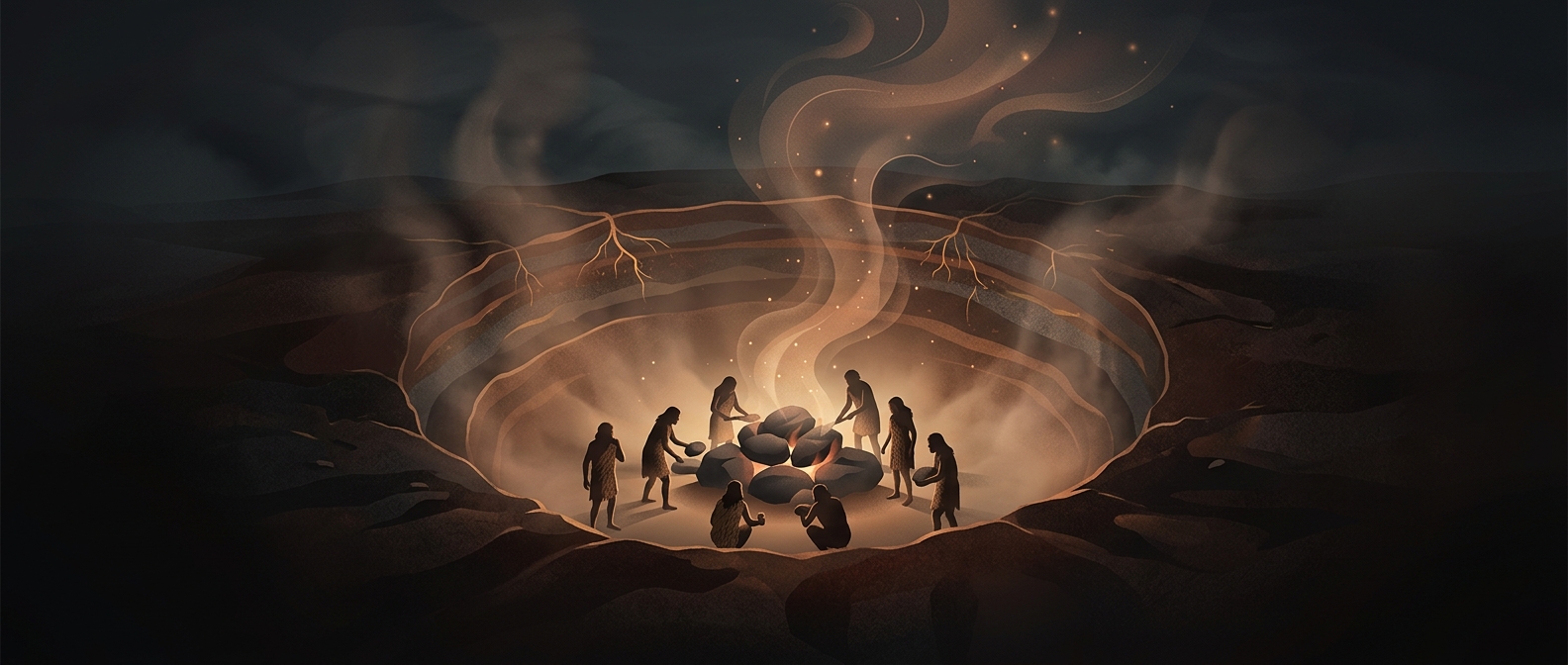
Prehistoric ovens were just giant holes dug in the earth
A prehistoric cooking pit worked like a buried slow cooker: hot stones and raw meat went into a hole, which was covered for hours.
Discover more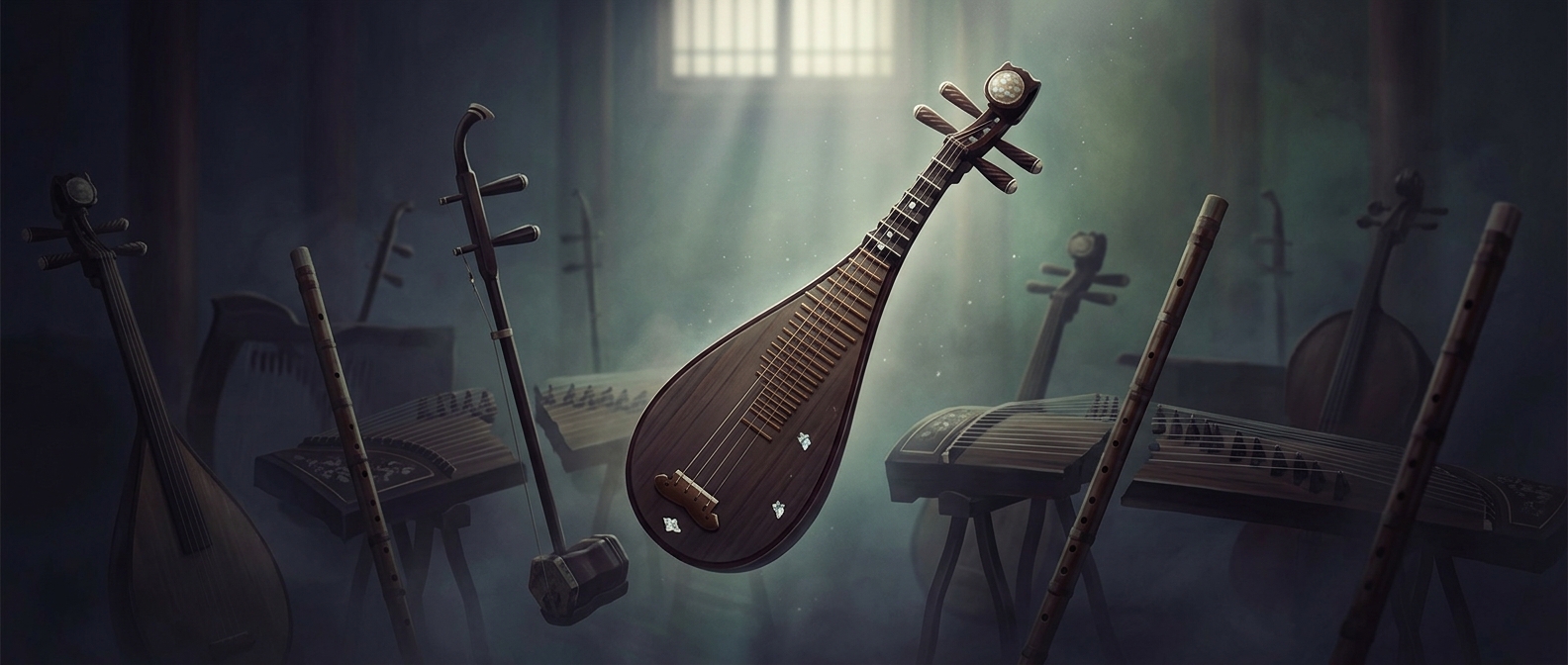
Pipa lutes slice through musical ensembles
Its rapid plucking and sharply fretted notes produce a bright, metallic sound that can stand out among other instruments.
Discover more
The periodic table was supposedly born in a dream
After months of trying to arrange the elements, Dmitri Mendeleev said the pattern came to him in a dream. He woke up and wrote it down; even a breakthrough…
Discover more
Mass literacy is an incredibly recent historical anomaly
For much of history, reading was concentrated among elites. As industrial economies needed workers who could read basic instructions, public education…
Discover more
Why some Maya stretched their earlobes with jade
Jade earspools displayed status, and some Maya gradually replaced them with larger ones. The jewelry grew more imposing as the earlobes stretched to hold it.
Discover more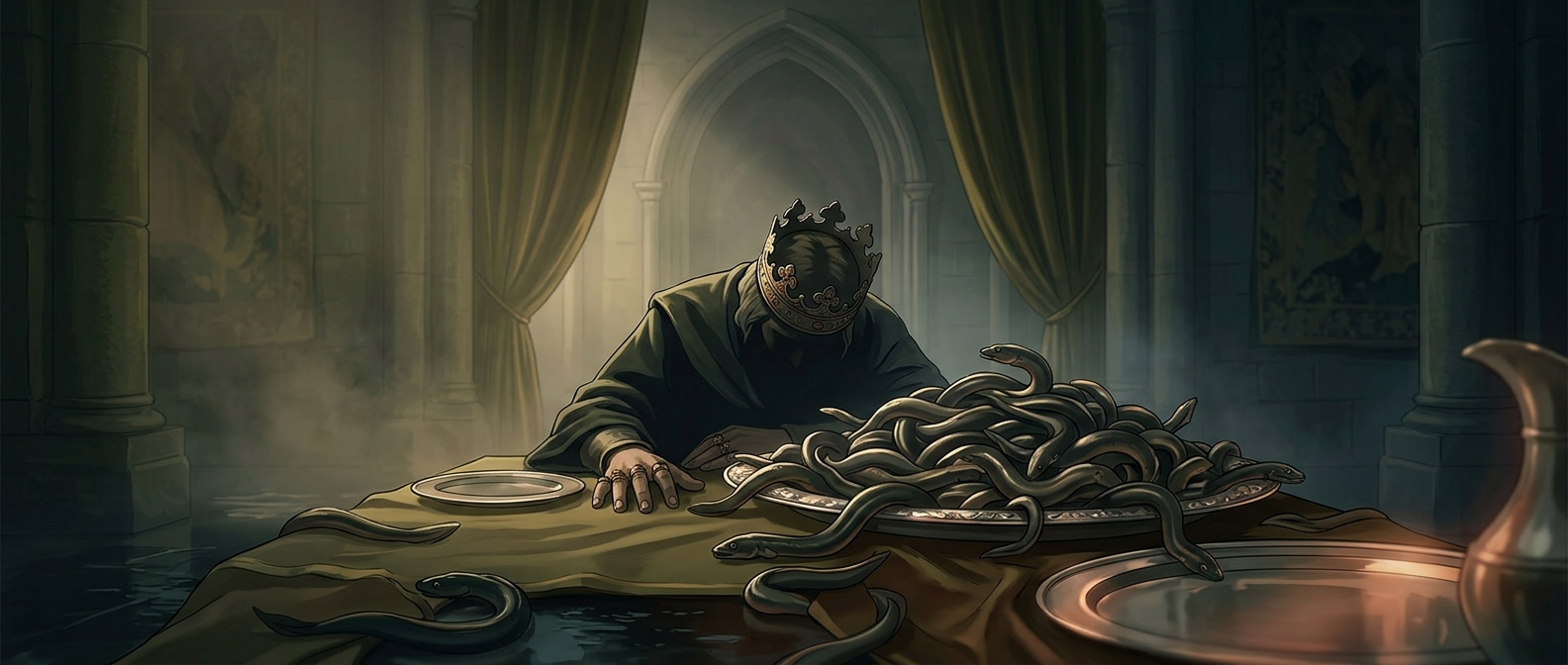
A medieval chronicler blamed Henry I's last illness on lampreys
Henry of Huntingdon wrote that the king ate the fish against medical advice before becoming ill in 1135. The account made a memorable moral story: a ruler…
Discover more
Holy Grail legends inspired countless doomed quests
The Grail’s promise came from legend and poetry, not any guarantee of a find. Still, generations of knights went searching through forests for a cup whose…
Discover more
Lemongrass was heavily farmed in maritime Asia
In maritime Asia, farmers cultivated its tough, fibrous stalks and boiled them to draw out a hint of lemon flavor.
Discover more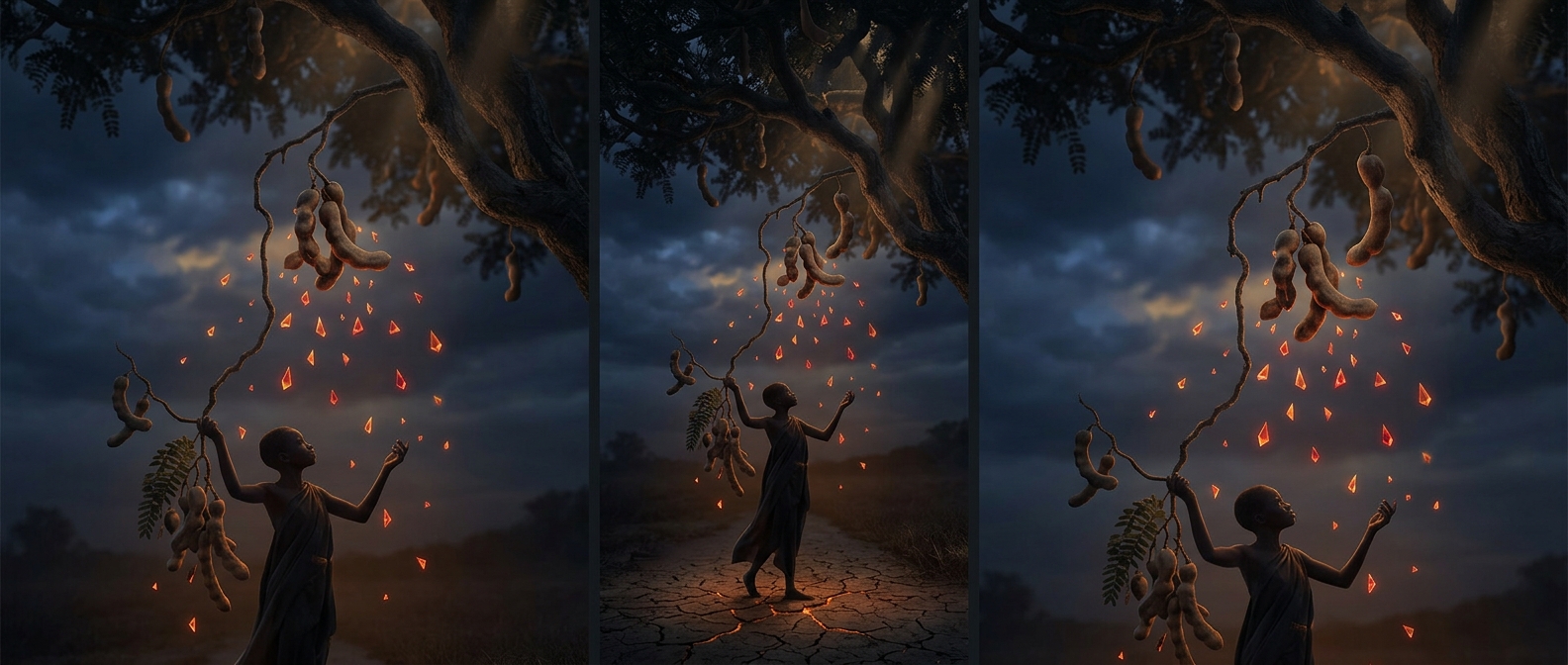
Tamarind pods provided severe tartness in Africa
The sharp sourness is packed into sticky brown pulp inside a brittle, dirt-colored shell. One bite makes clear why tamarind is known for its puckering punch.
Discover more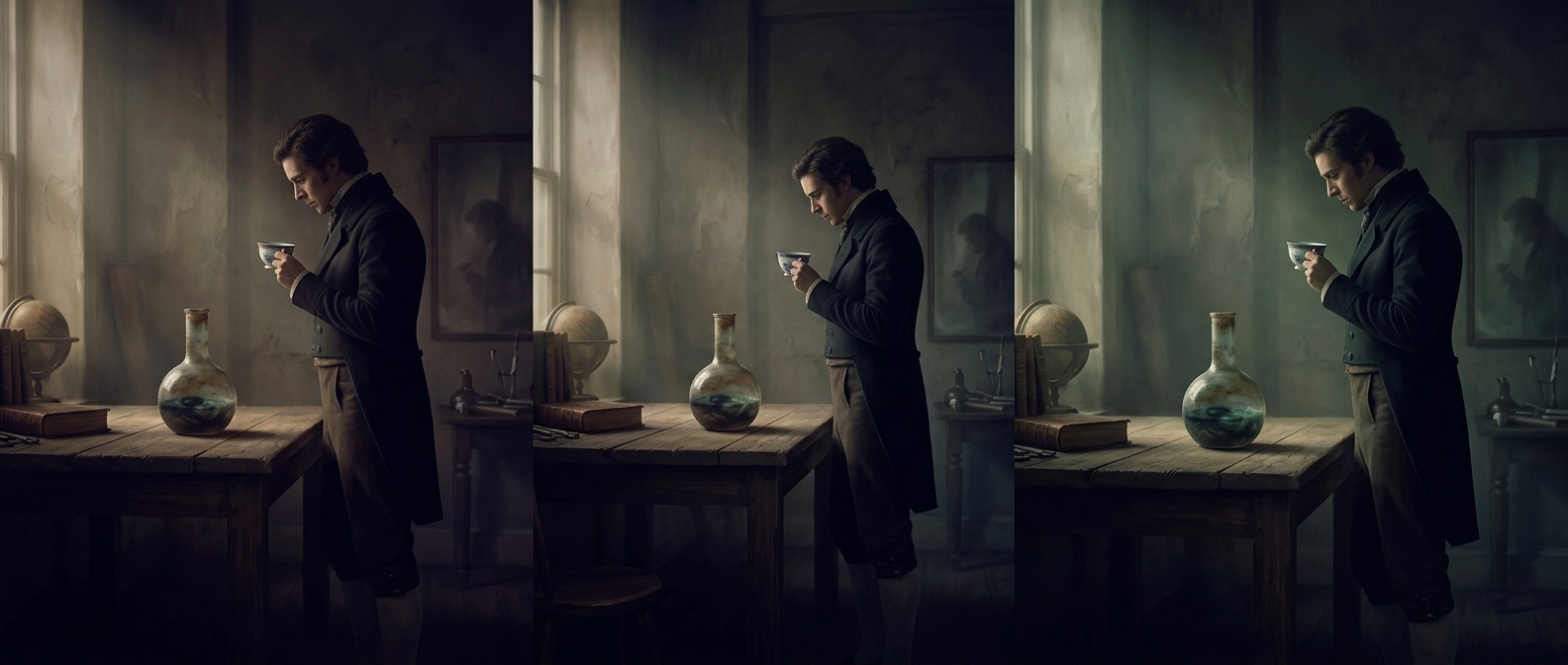
The researcher who drank vomit to study yellow fever
The question was whether yellow fever could spread through contact, so he tested the most direct route imaginable: drinking patients’ vomit and rubbing it…
Discover more
When fashionable wigs attracted live mice
Animal lard kept towering powdered hairstyles in place, but it also made them attractive to mice. Rodents could burrow into the hairpieces overnight, turning…
Discover more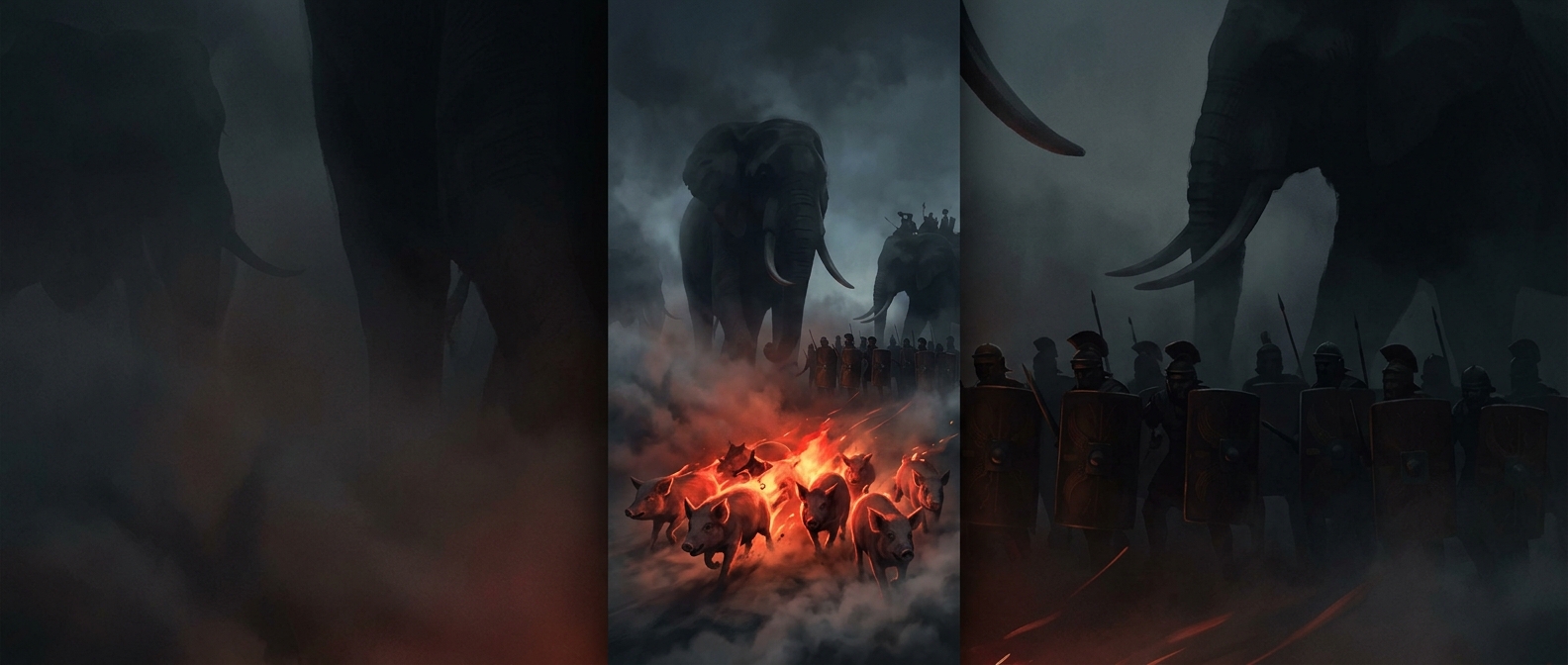
How Romans fought war elephants with flaming pigs
Elephants could panic at pigs’ high-pitched squeals, so the Romans turned the animals into flaming alarms: they coated them in pitch and set them on fire. The…
Discover more