History
Discover facts about history. Small discoveries that change the way you see familiar things.
History
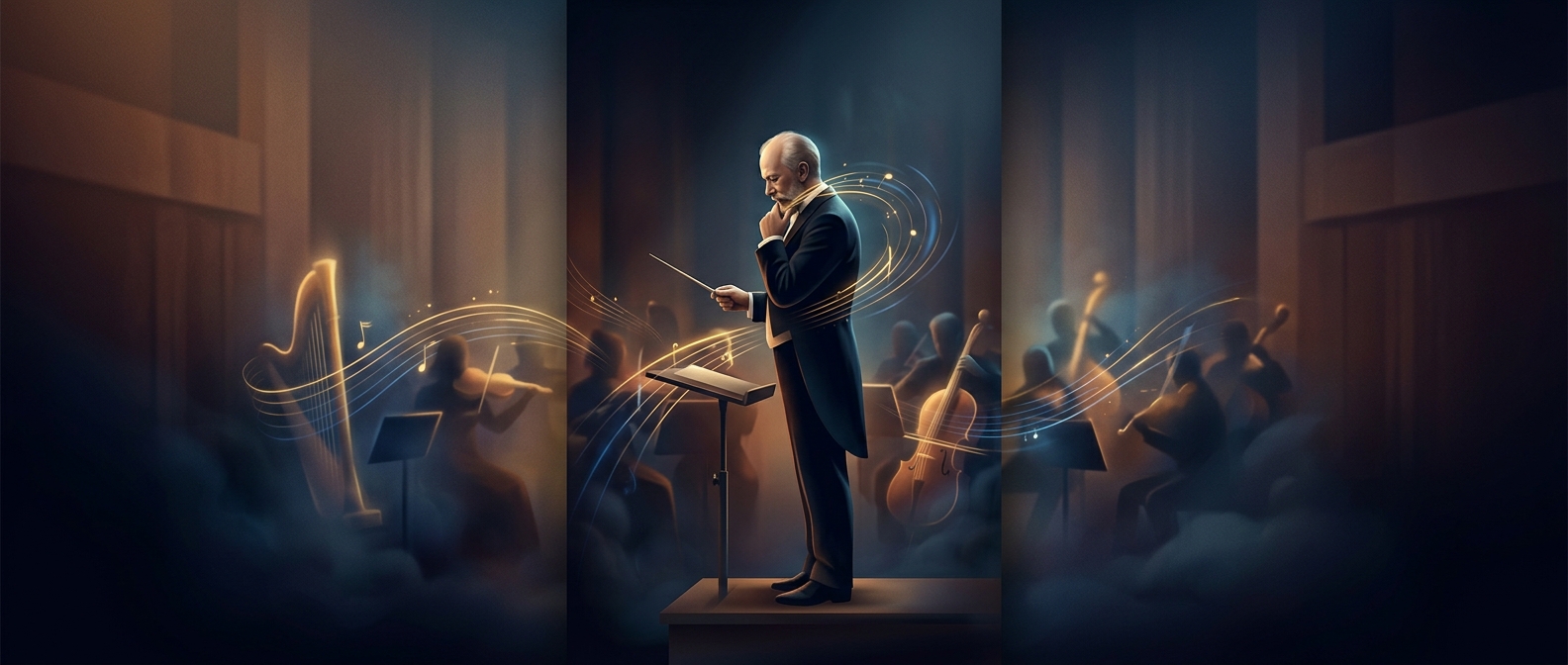
Tchaikovsky held his chin while conducting
He feared his head might come off during vigorous conducting, so he kept one hand under his chin to hold it in place.
Discover more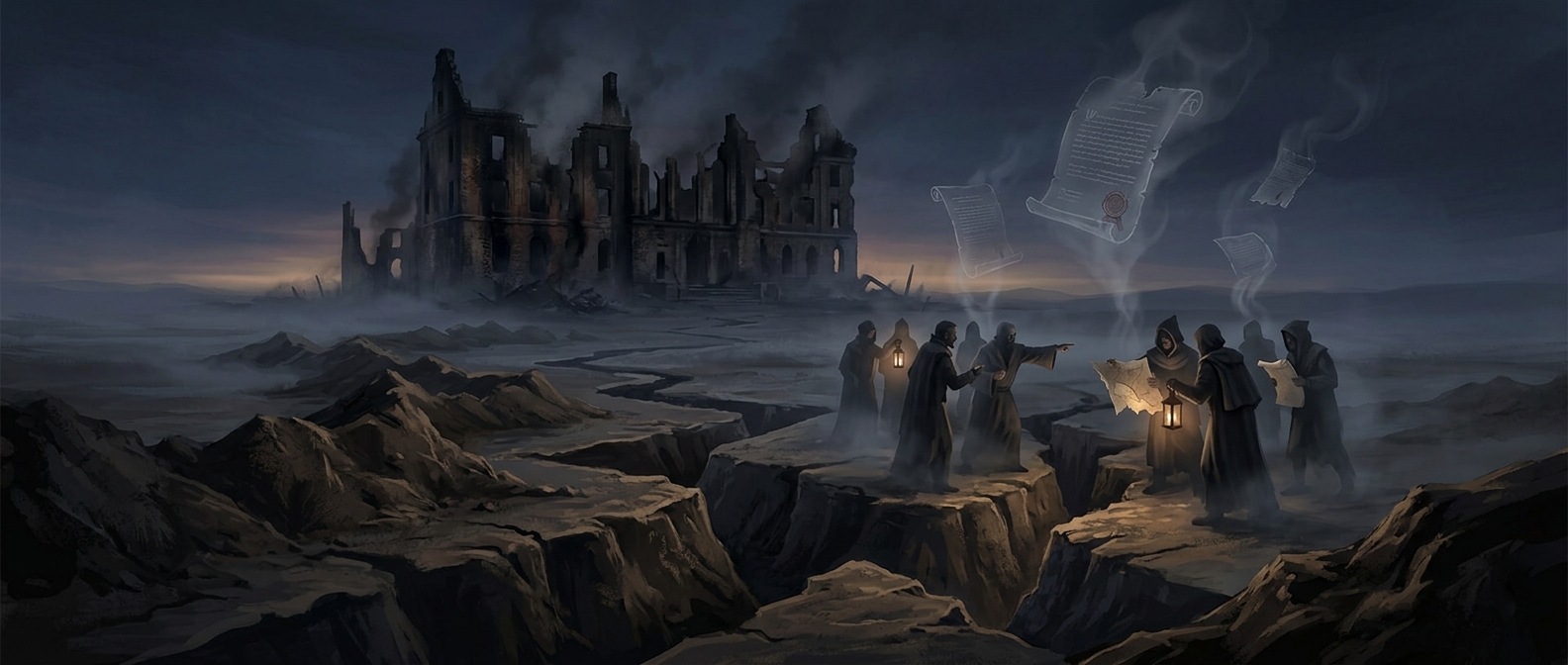
Land registries destroyed border disputes
Once officials mapped parcels and entered them in registries, ownership could be checked against a record instead of argued from memory or shifting landmarks.…
Discover more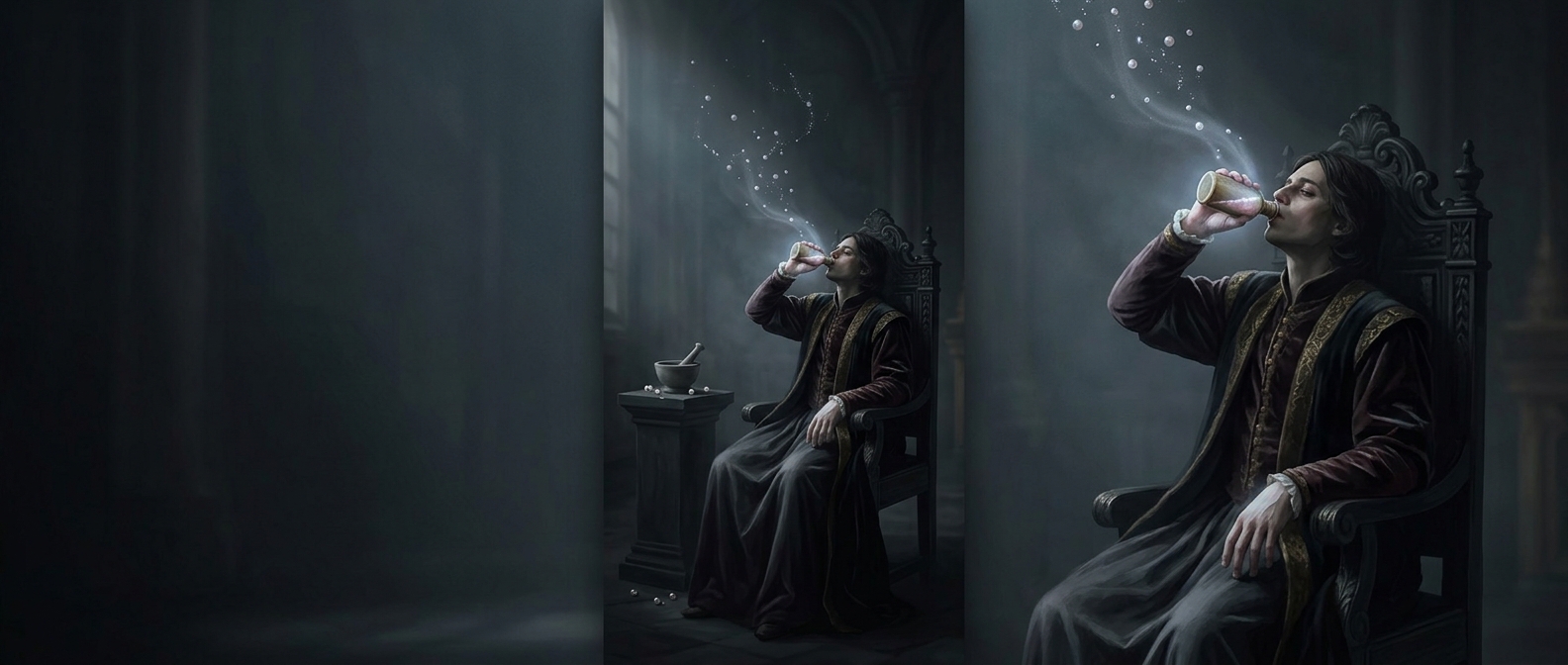
Pearls once crossed from the jewelry box into the medicine cabinet
Early modern remedies could include powdered pearls and other costly materials, valued for supposed healing properties as well as rarity. Grinding the gem…
Discover more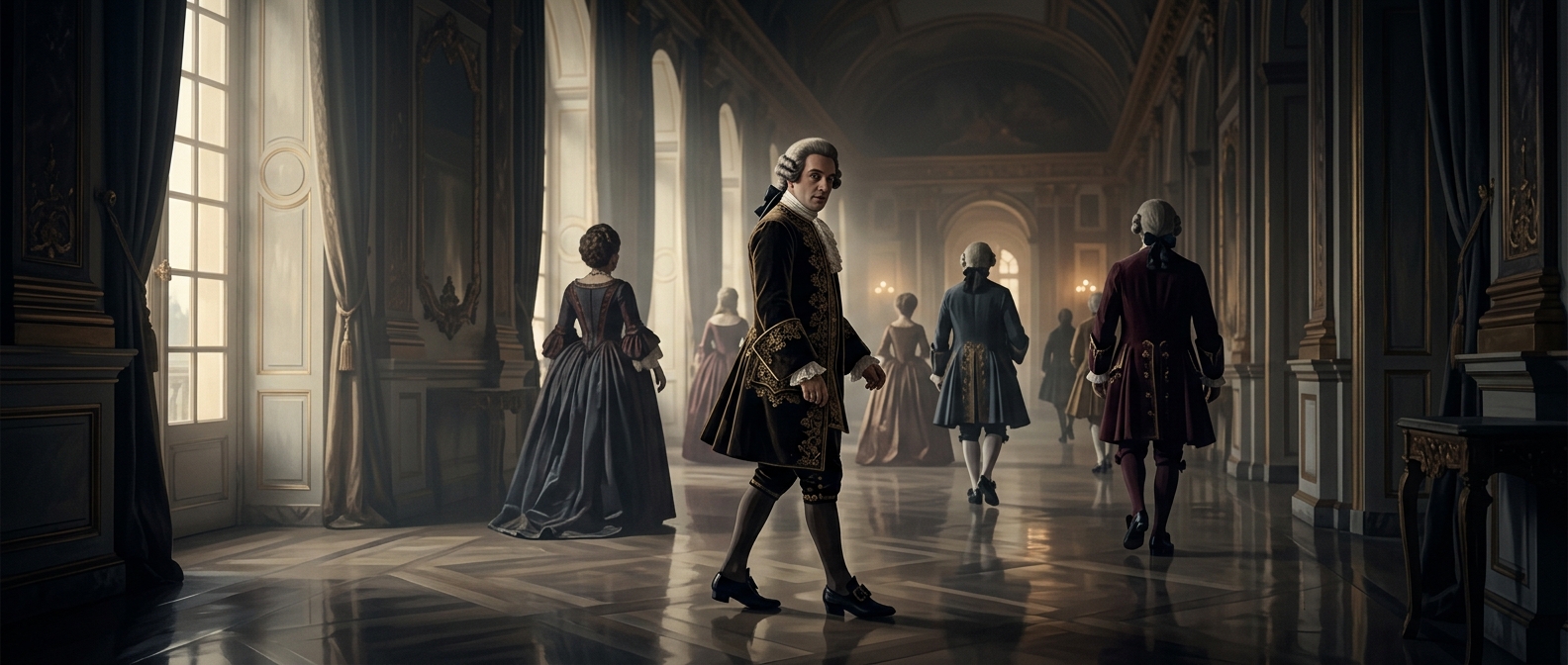
Leaving a monarch once meant walking backward
British court etiquette traditionally required people to back away rather than turn their backs on the sovereign. Reports in 2009 described the practice being…
Discover more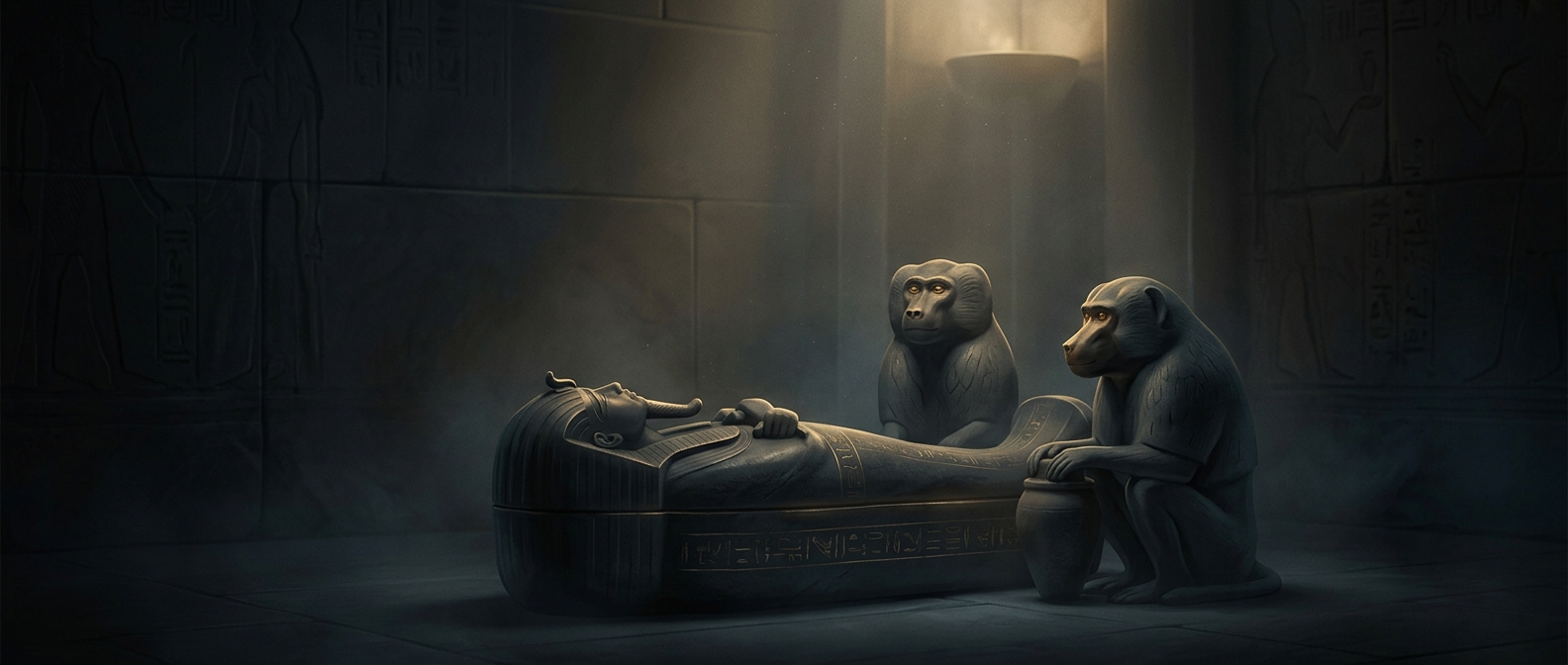
Ancient Egyptians made offerings out of mummified baboons
Baboons were associated with Thoth, the god of writing and knowledge. Preserved animals could be dedicated to the deity as offerings, so a baboon mummy was…
Discover more
Kandinsky thought colors had their own sounds
Kandinsky treated color as something you could almost hear: he linked hues with musical notes and instruments. For him, a painting could work like a…
Discover more STACKY FOR IPHONE
A bigger world.
One discovery
at a time.
Keep discovering with Stacky. Interesting facts in an app that is always within reach.

A Japanese tattoo bodysuit can leave ordinary clothes in charge of the reveal
Large connected designs can cover the back, arms, and legs while leaving areas exposed by normal clothing untouched. Traditional tebori applies ink by hand,…
Discover more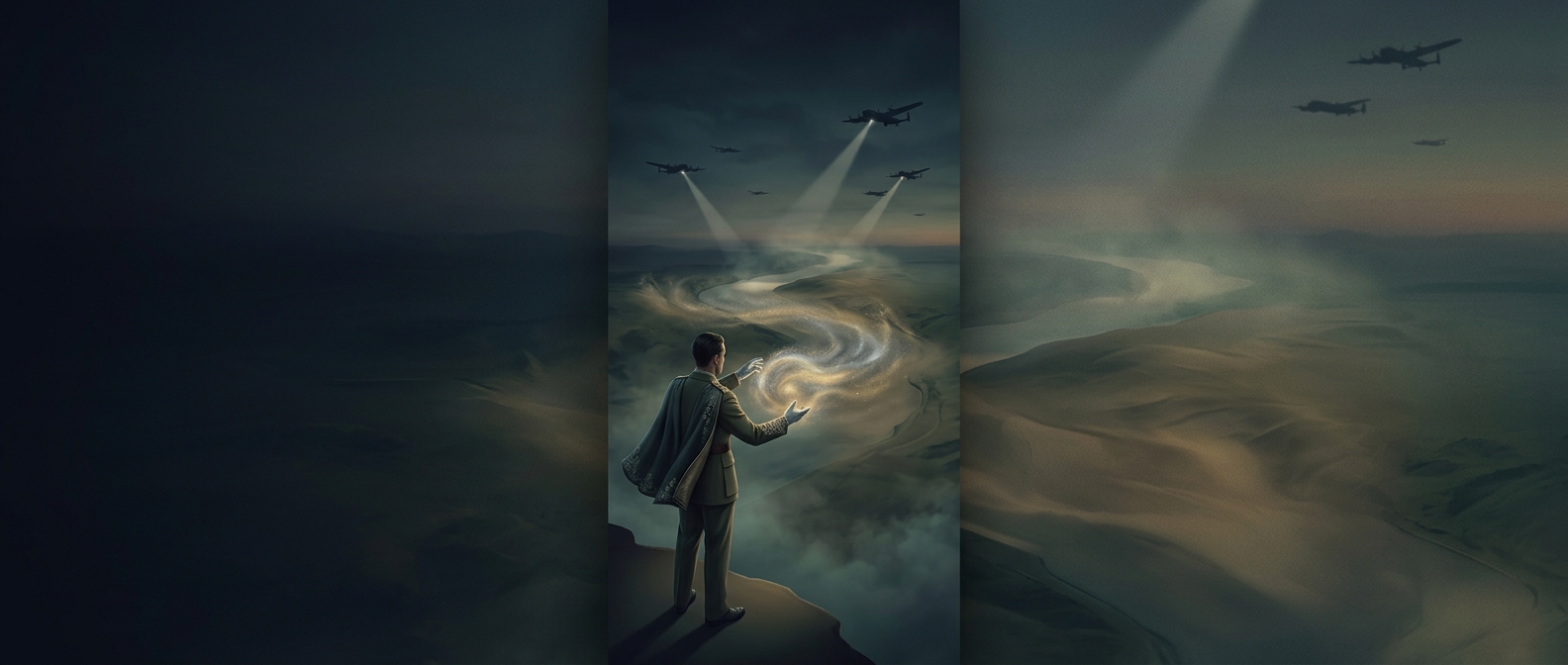
A wartime magician’s memoir made camouflage sound like stagecraft
Jasper Maskelyne served in British wartime camouflage work, and later accounts credited him with spectacular deceptions involving landmarks such as the Suez…
Discover more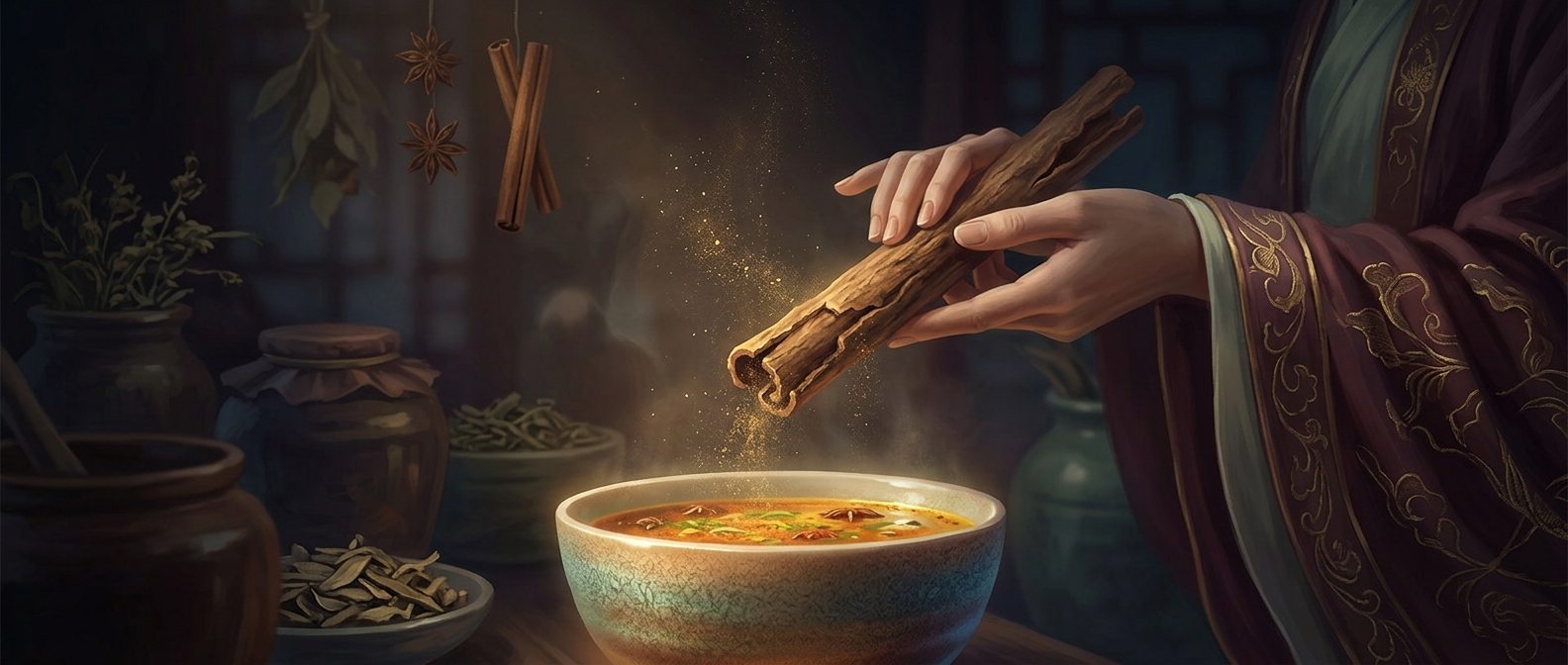
Cassia bark functioned as early Chinese seasoning
Cooks stripped cassia bark from trees and simmered it in food to add flavor. Before spice jars, the seasoning came straight from the tree.
Discover more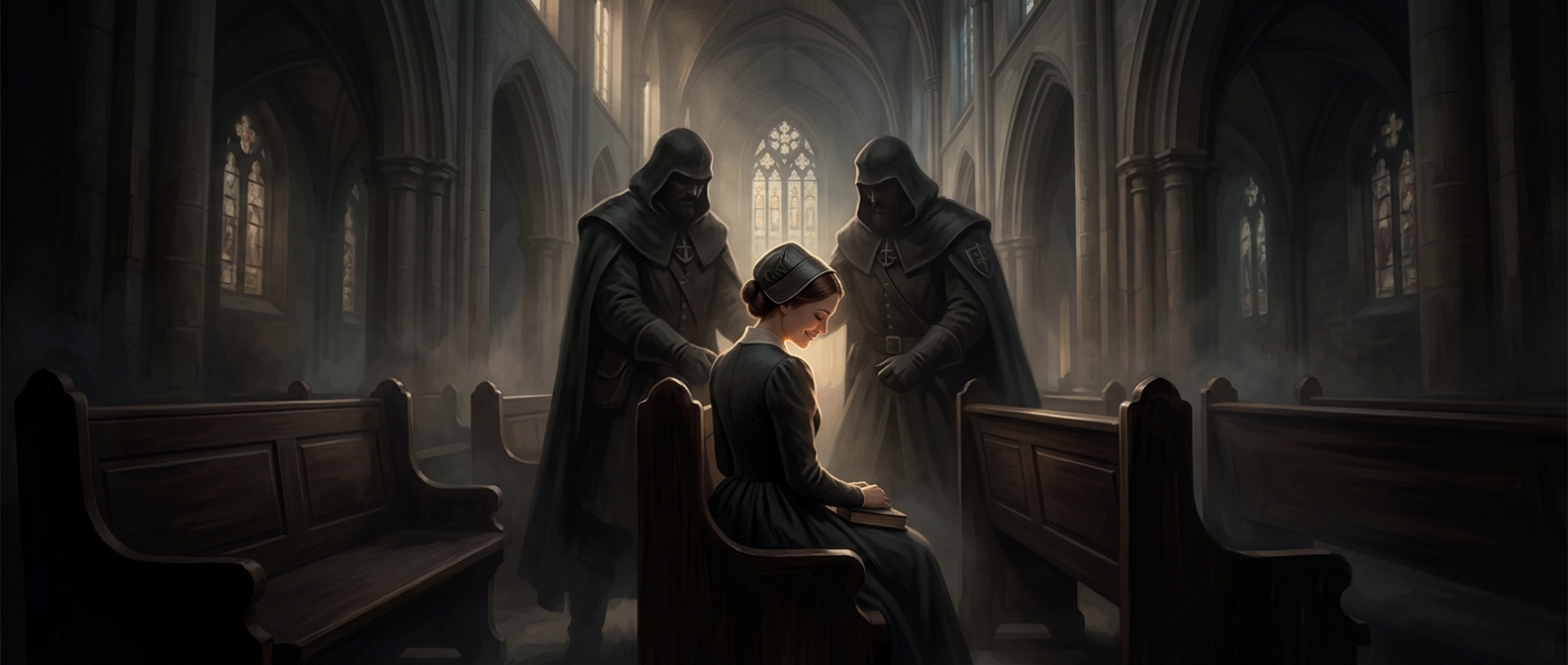
Laughing in church could land you in a Geneva jail
Historian Philip Schaff records three men being imprisoned for three days for laughing during a sermon in Reformation-era Geneva. Religious discipline reached…
Discover more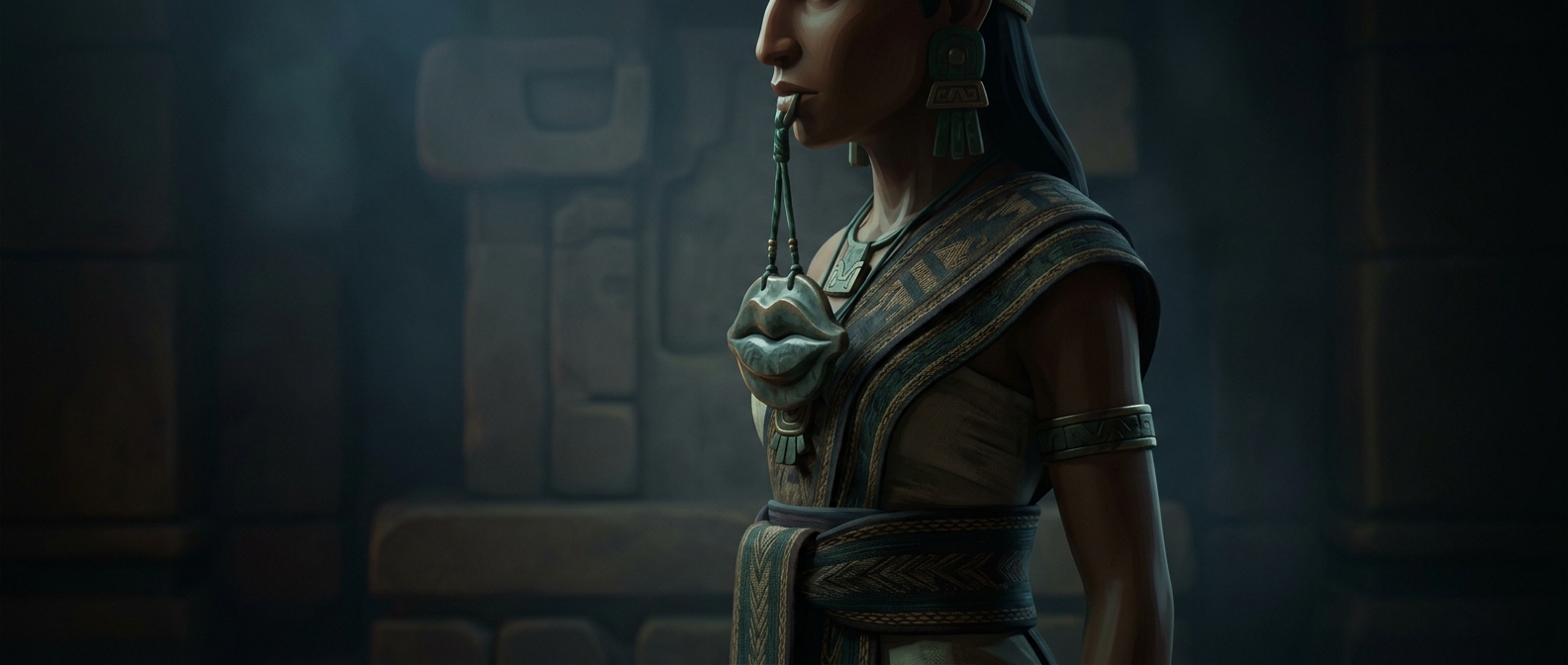
Aztec body modification included large lip stones
Some Aztec body modification involved piercing below the lower lip and inserting a heavy obsidian or rock-crystal plug, which pulled the lip downward.
Discover more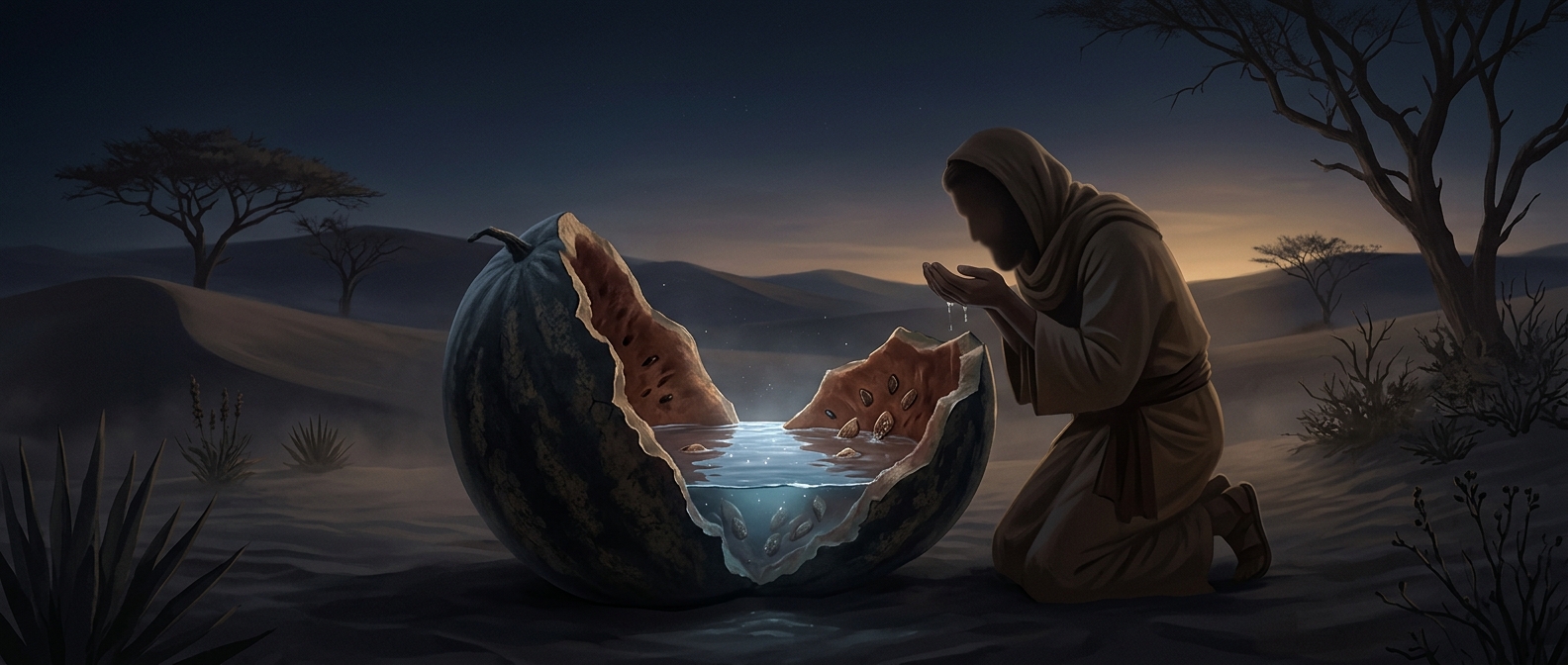
Watermelons were once bitter desert water stores
Early watermelons were pale and bitter, but their flesh held water through dry spells. Sweetness came later; first, the fruit was closer to a canteen with…
Discover more
Camus died with a train ticket in his pocket
Camus had reportedly joked that dying in a car crash would be an absurd way to go. After his publisher persuaded him to drive to Paris instead of taking the…
Discover more
Mongol forces controlled the largest contiguous land mass
Fast-moving horsemen connected distant parts of Asia overland, without relying on a large ocean-going fleet. That land link made the Mongol realm the largest…
Discover more
Félicette returned alive from a French spaceflight
On October 18, 1963, the cat rode a rocket on a suborbital flight and was recovered after a parachute descent. Electrodes recorded physiological data during…
Discover more
Why A4 paper became the global standard
German engineers standardized A4 paper in the 1920s around a simple ratio: cut or fold a sheet in half, and the new rectangle keeps the same proportions. That…
Discover more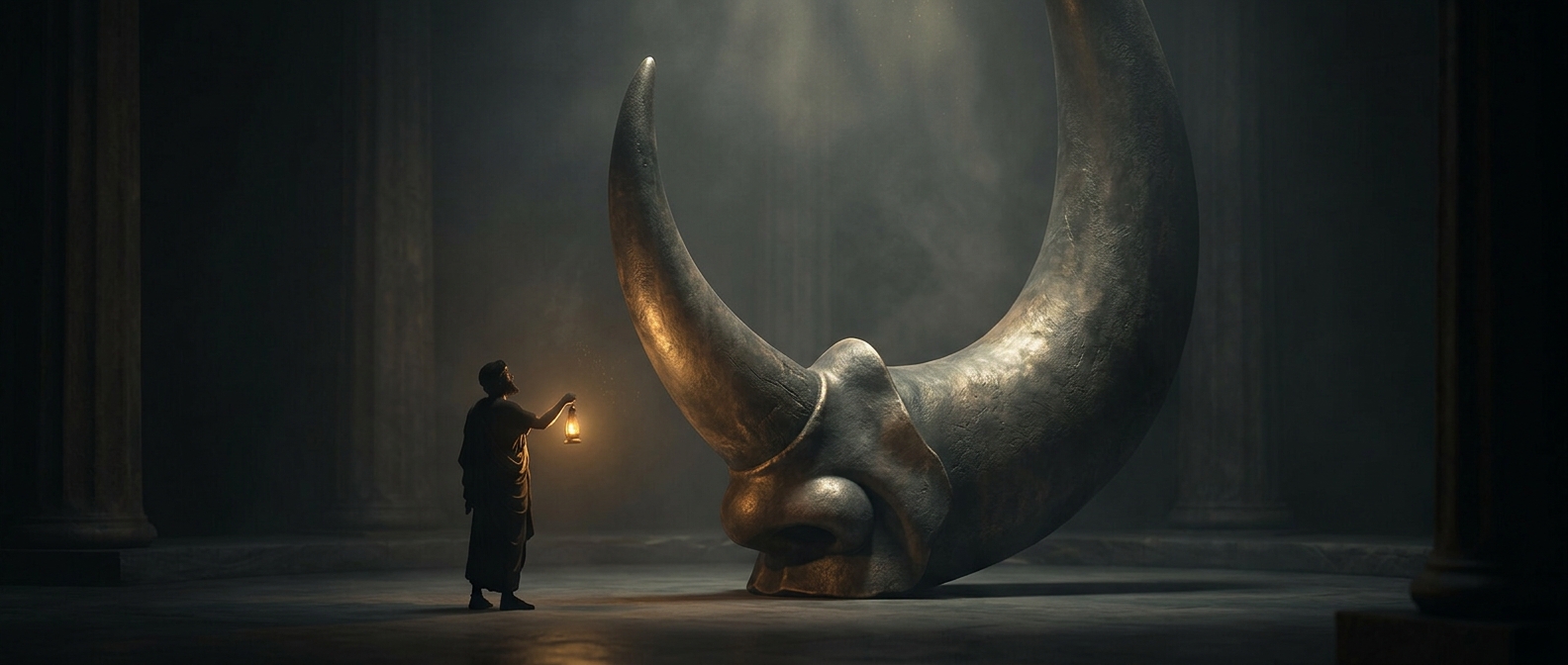
Rhinoceros simply means nose horn in ancient Greek
The name combines the ancient Greek words “rhis” (nose) and “keras” (horn)—a remarkably literal description of the animal.
Discover more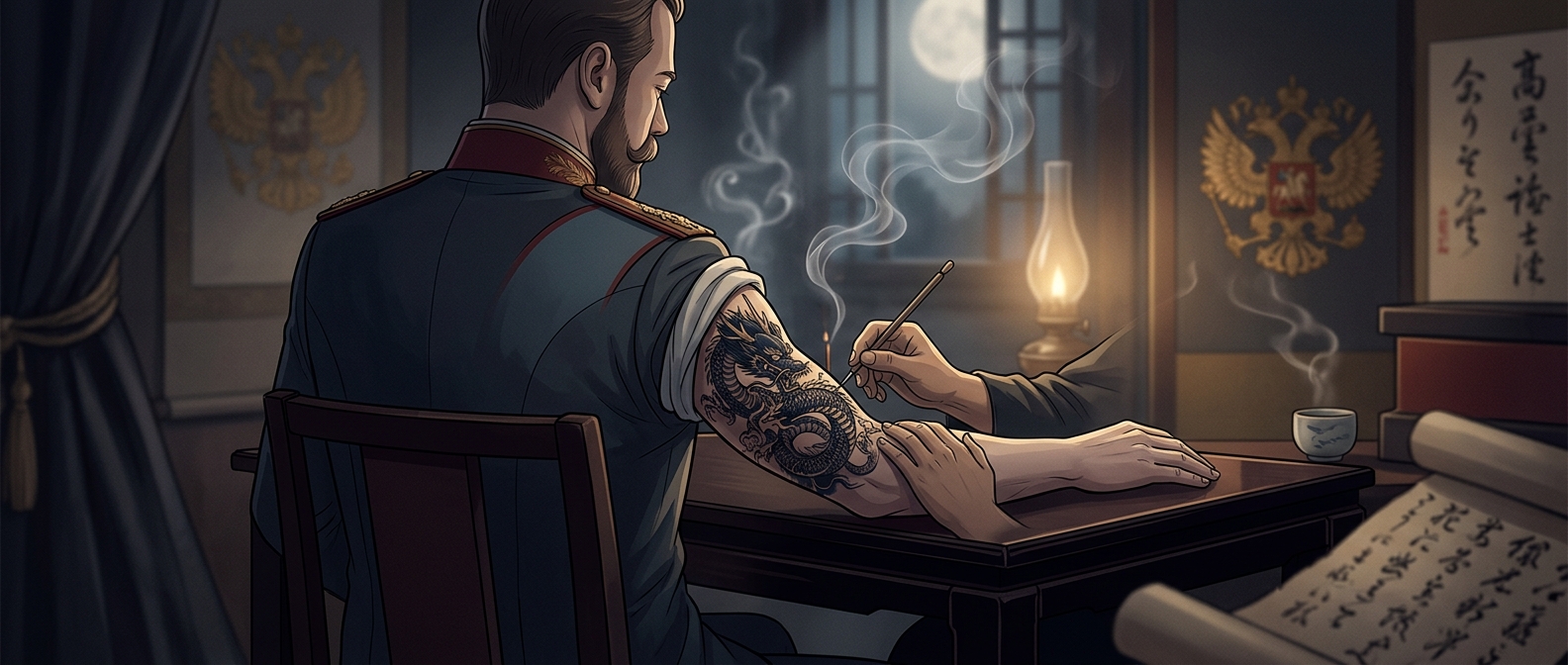
Nicholas II came home from Japan with a dragon tattoo
During his 1891 visit, the future Russian tsar had a large dragon tattooed on his forearm. The souvenir lived under the uniform rather than in a palace…
Discover more
A physicist who measured speech in diracs
Colleagues at Cambridge joked that a “dirac” meant one word per hour, reflecting his famously sparse speech.
Discover more
A surname can preserve a job your family stopped doing centuries ago
Names such as Baker began as ways to distinguish particular people, then became hereditary. A descendant could keep the name without baking anything. Once a…
Discover more
African artisans carve complex rings from single blocks
Makonde carvers hollow a single block of dense ebony into interlocking rings and connected figures. The pieces look assembled, but the trick is that they…
Discover more
The bear that was put on trial
In 2008, a court in Bitola, Macedonia, found a bear responsible for damage to a beekeeper's hives. Because the protected animal had no owner, the state was…
Discover more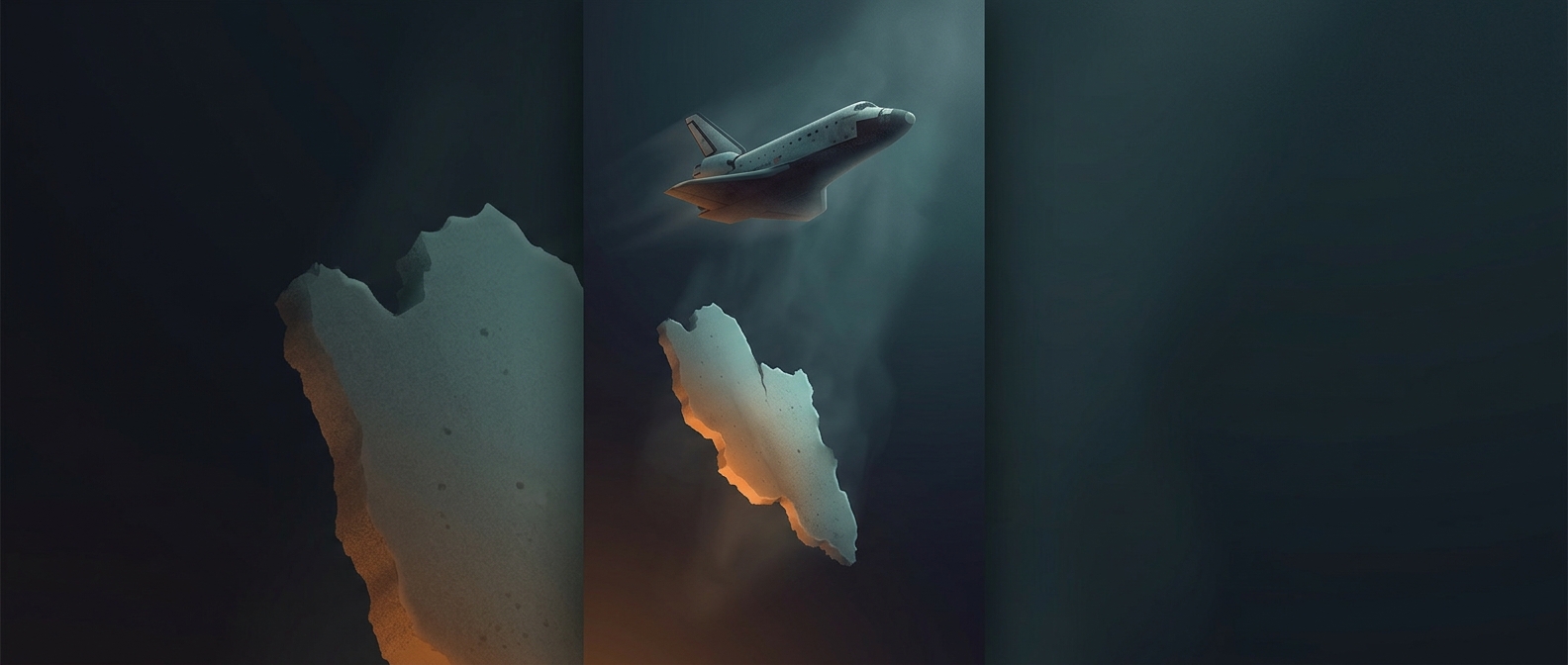
The tiny piece of foam that doomed Columbia
A briefcase-sized piece of foam struck Columbia’s wing during launch and damaged its heat shield. During reentry, heat breached the damaged area and the…
Discover more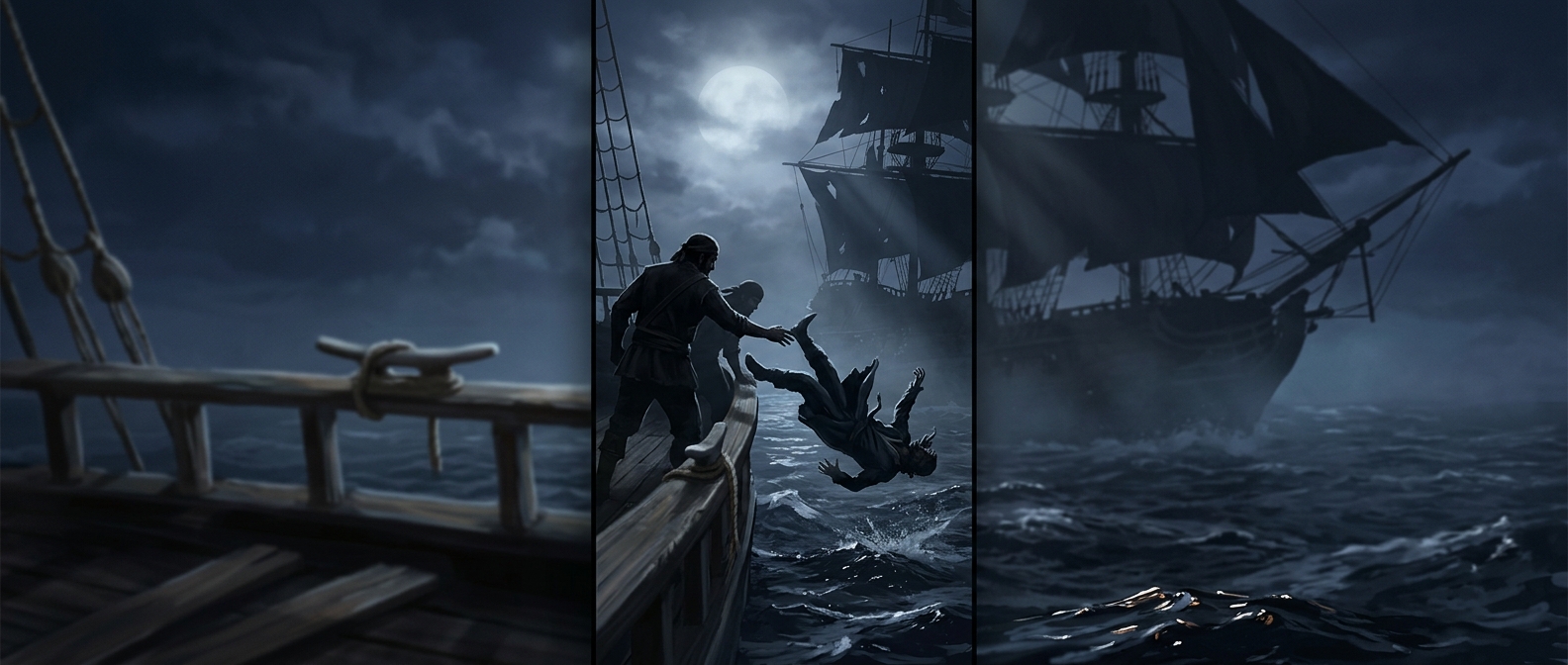
A captured pirate's body could become a warning sign
At London's Execution Dock, convicted pirates were hanged near the Thames. Some bodies were then displayed in gibbets along the river so passing sailors would…
Discover more