History
Discover facts about history. Small discoveries that change the way you see familiar things.
History

The Wii was almost called the Nintendo Revolution
Nintendo dropped the codename Revolution for Wii, a name chosen for its easy pronunciation across languages—though it invited plenty of jokes.
Discover more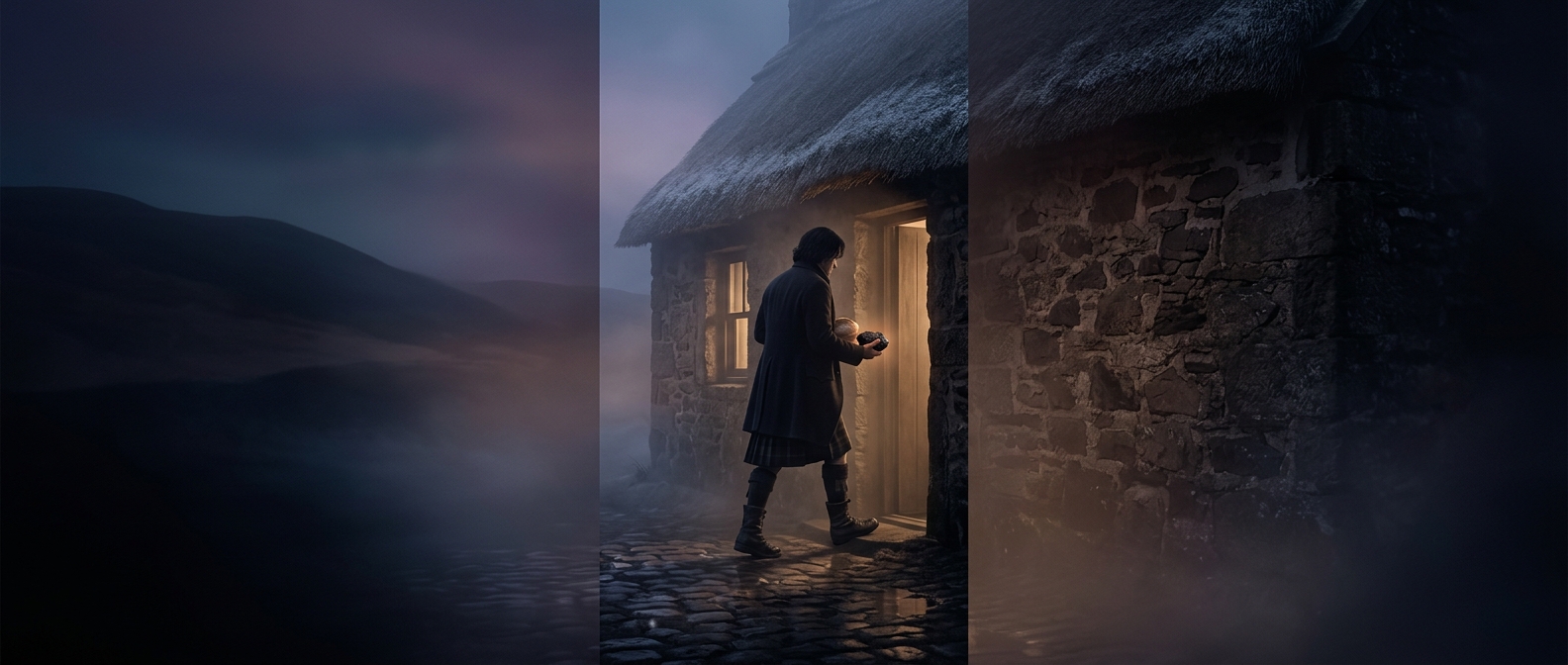
First footing dictated your new year fortune
In the New Year custom, the first person through the door was treated as an omen for the household. Their traits mattered as much as their timing, so the…
Discover more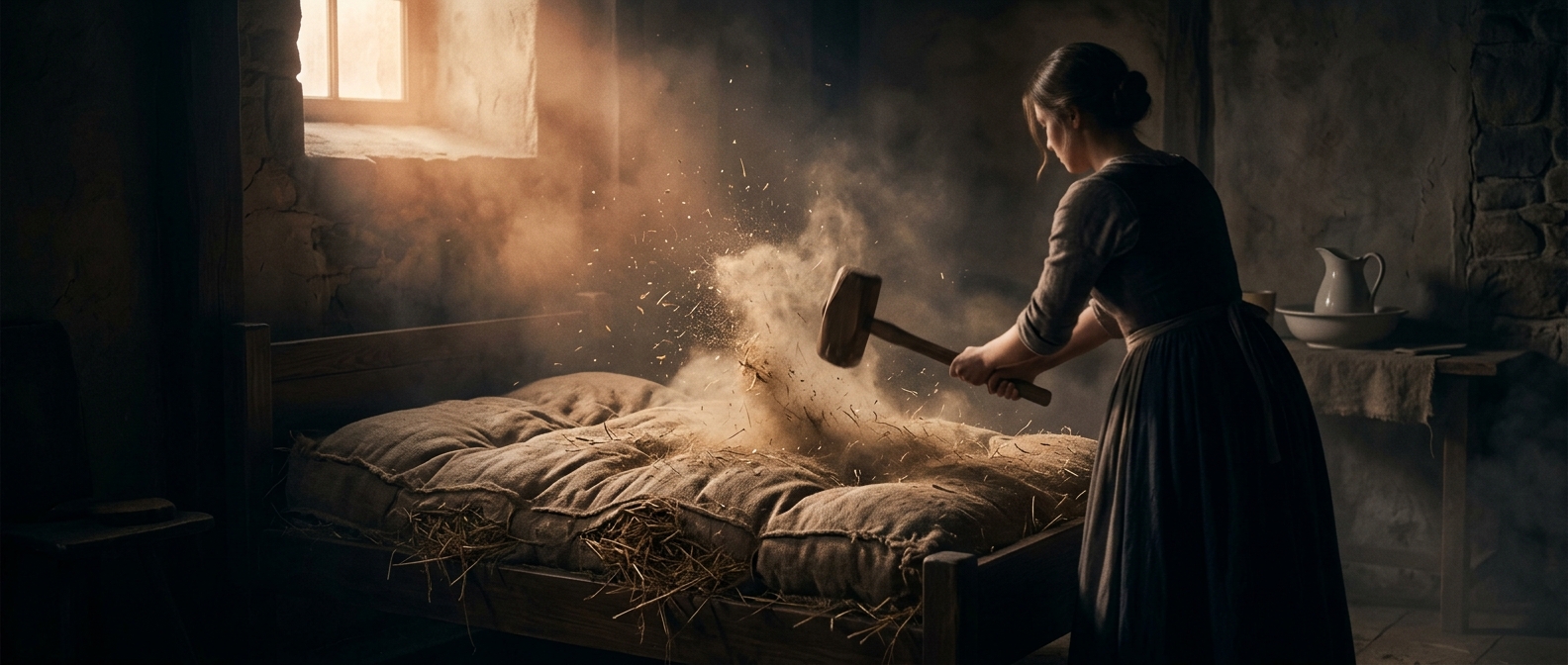
Why old mattresses had to be beaten every morning
Bugs and mice could nest inside old mattresses, so people beat the bedding with a stick to knock them out. Making the bed started with evicting its uninvited…
Discover more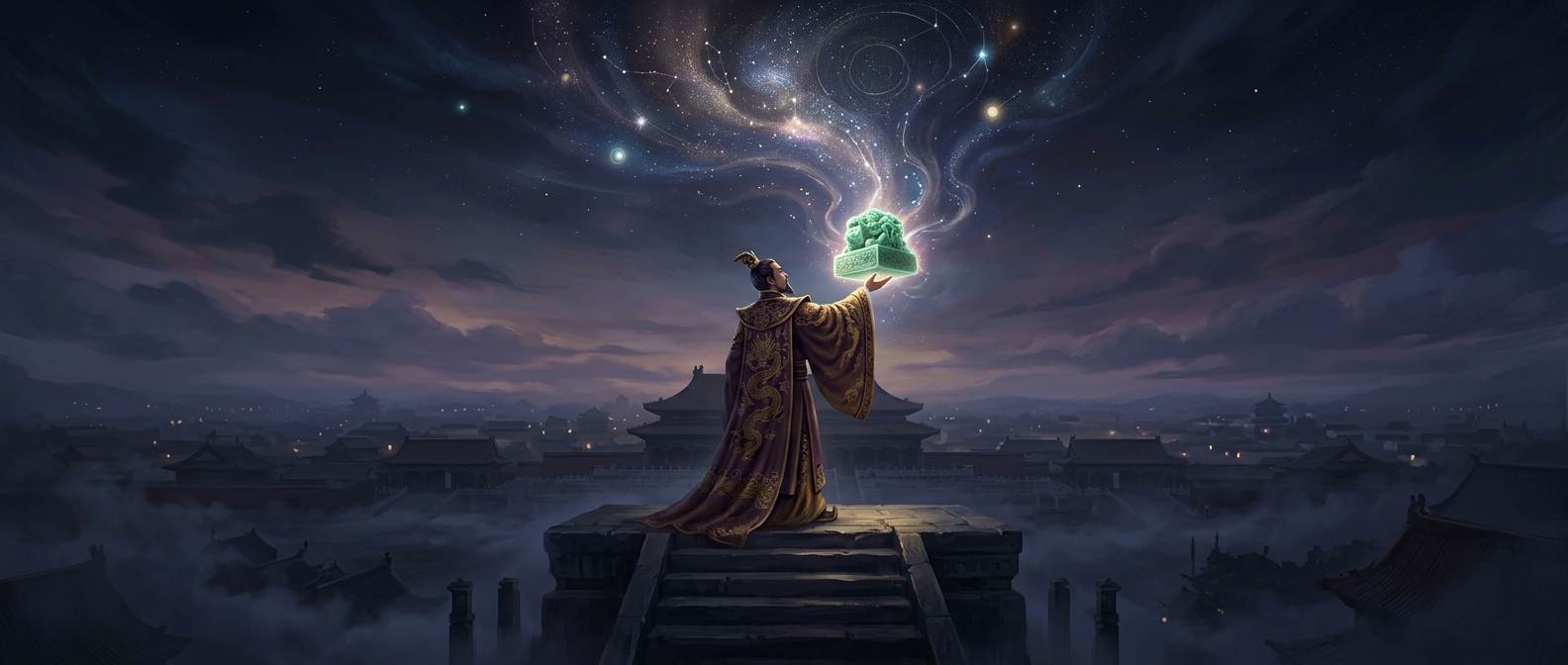
Chinese emperors fully believed they held a cosmic mandate
The Mandate of Heaven made disasters political: floods, famines, or successful rebellions could signal that an emperor had lost divine approval. That meant a…
Discover more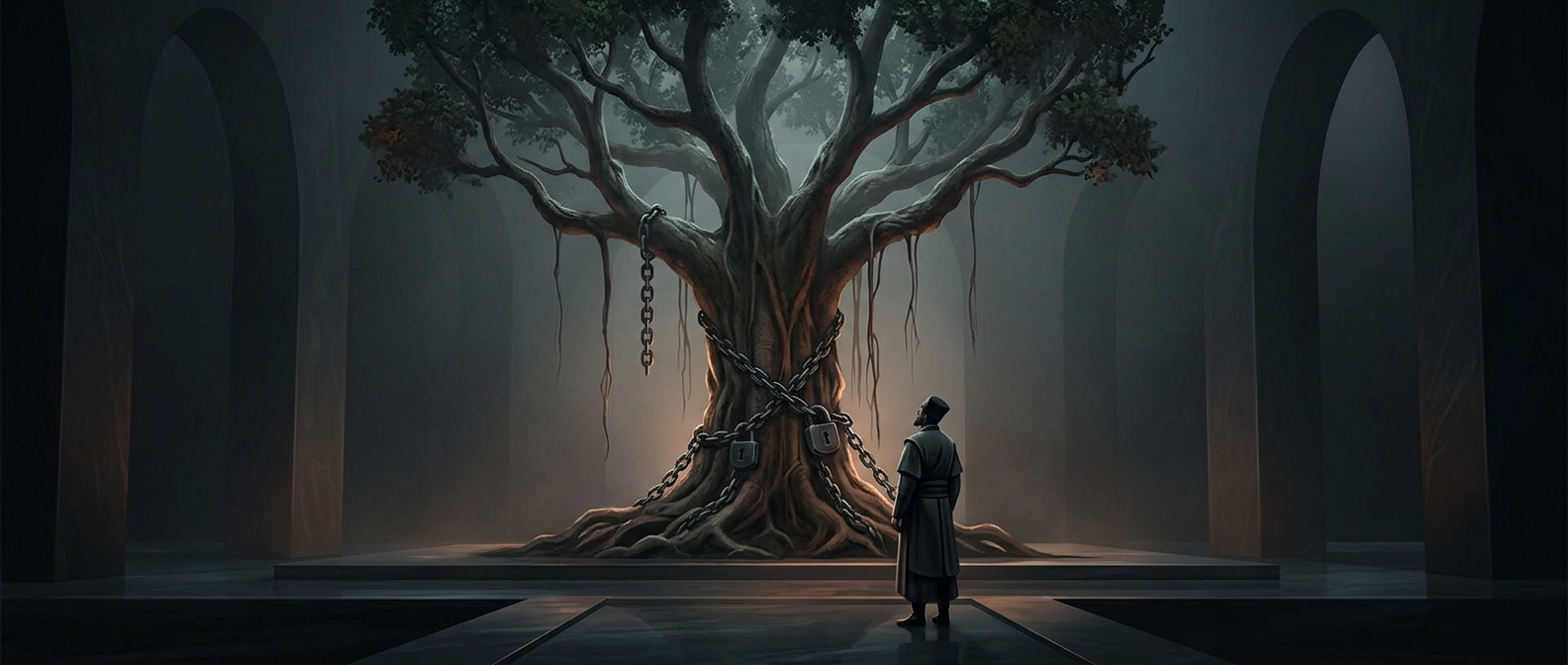
A chained tree commemorates a bizarre colonial order
In Landi Kotal, a banyan tree has long been displayed in chains with a sign recounting its 'arrest.' The local story says a drunken British officer thought it…
Discover more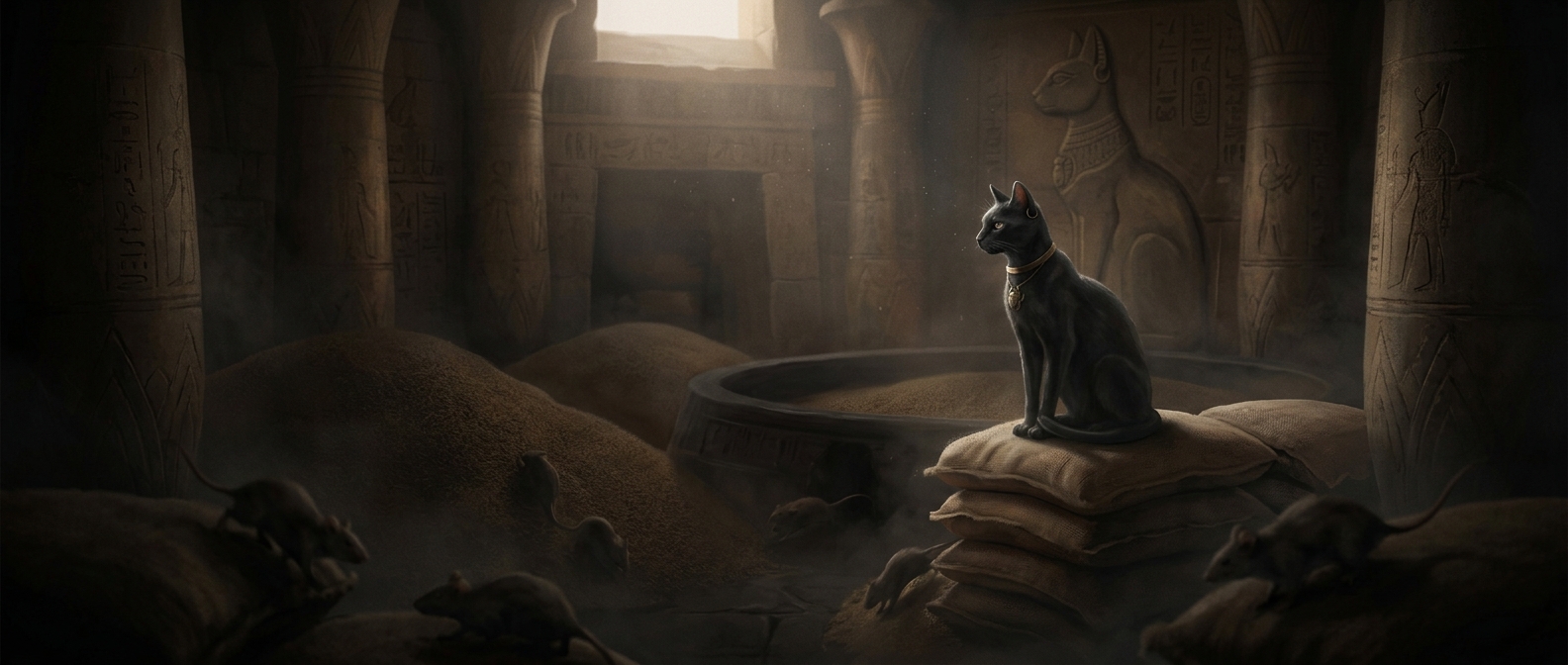
Why ancient Egyptians worshipped cats
Egypt’s grain stores attracted rats, and cats hunted them—making a useful predator valuable to an agricultural society. Their status rose from pest control to…
Discover more STACKY FOR IPHONE
A bigger world.
One discovery
at a time.
Keep discovering with Stacky. Interesting facts in an app that is always within reach.
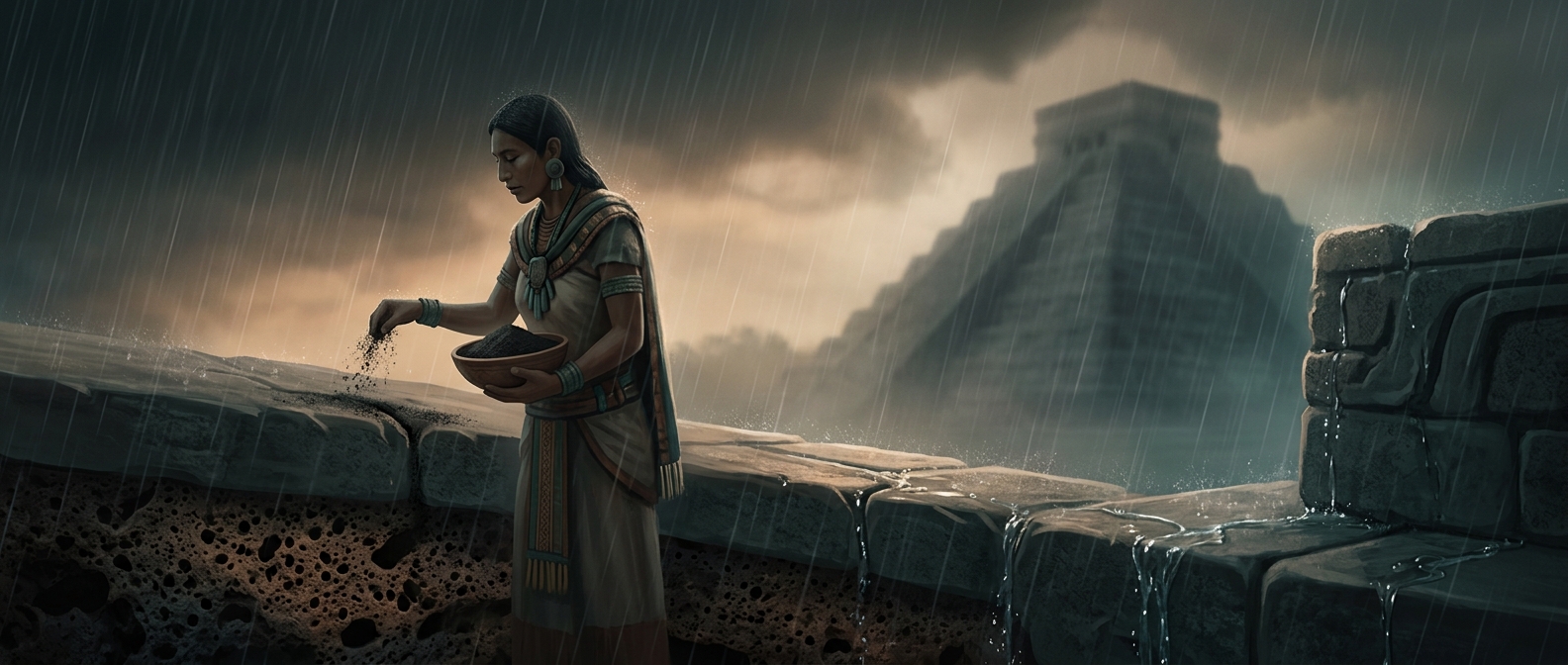
How volcanic ash helped waterproof ancient buildings
Volcanic ash gave stucco a durable, water-resistant finish for stone roofs. Ancient builders turned volcanic debris into the unglamorous part of a building…
Discover more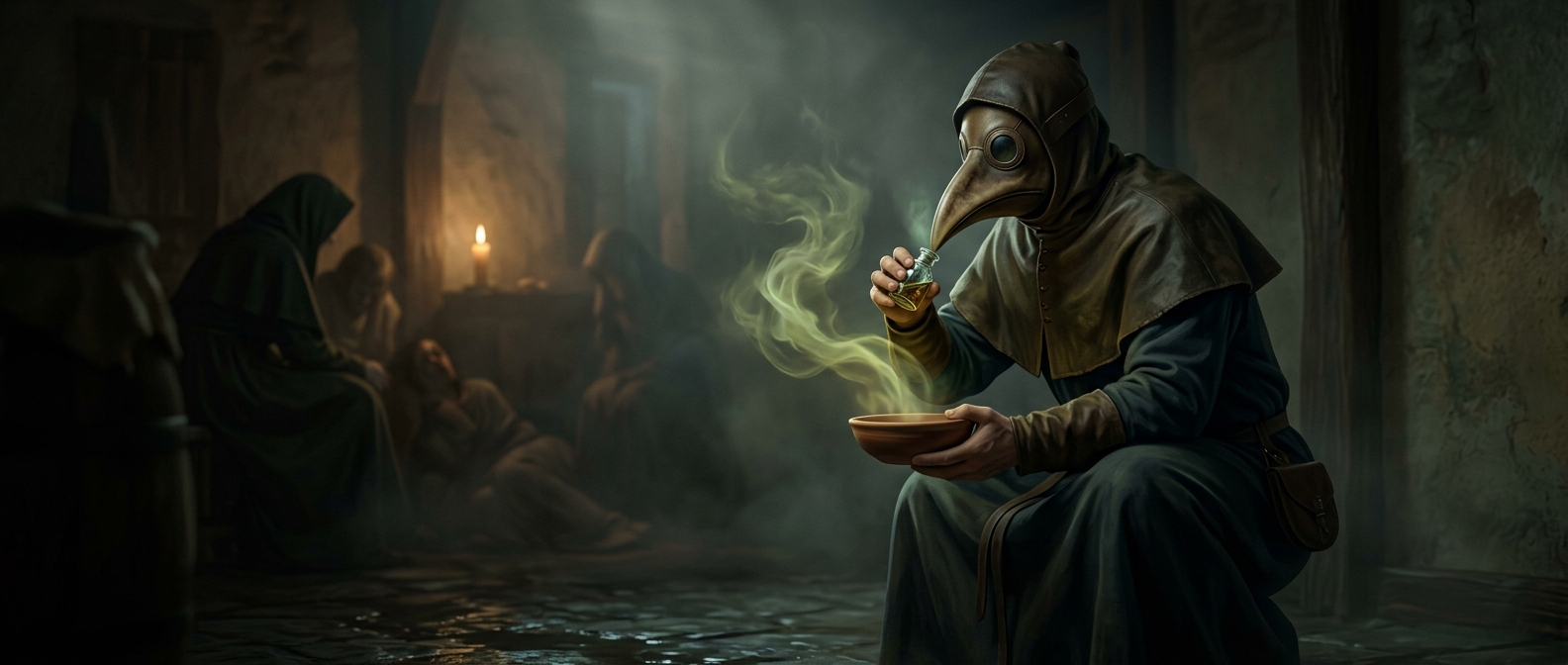
When doctors prescribed smelling farts for the plague
Blaming plague on foul air, some physicians treated one bad smell as a defense against another: they kept flatulence in jars to inhale. The remedy was,…
Discover more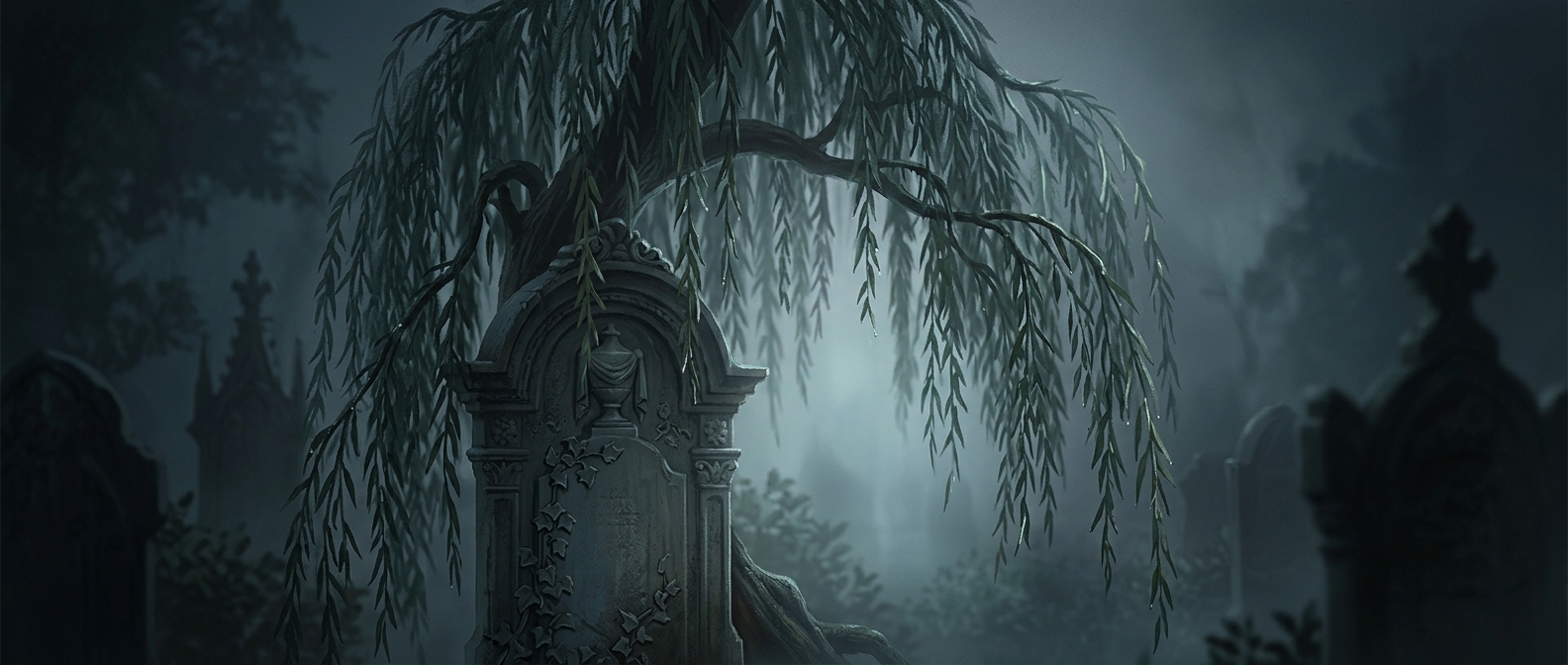
Why Victorian cemeteries were full of weeping willows
Victorians wanted cemetery landscapes to make grief visible, and the weeping willow did the job with its drooping branches. It was a tree that looked like it…
Discover more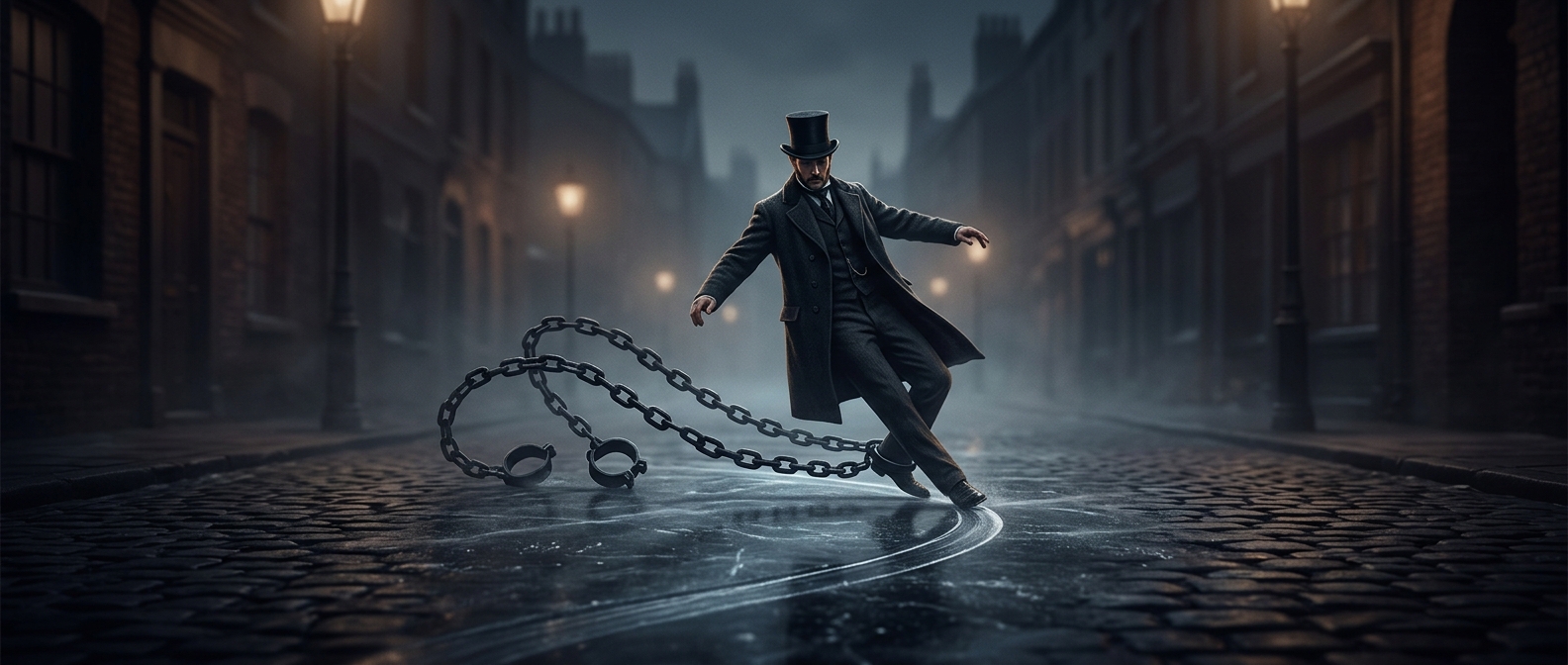
When sliding on ice became a crime
London’s 1839 police law treated sliding on ice or snow in a public street as a punishable nuisance. A slippery sidewalk could turn an ordinary bit of winter…
Discover more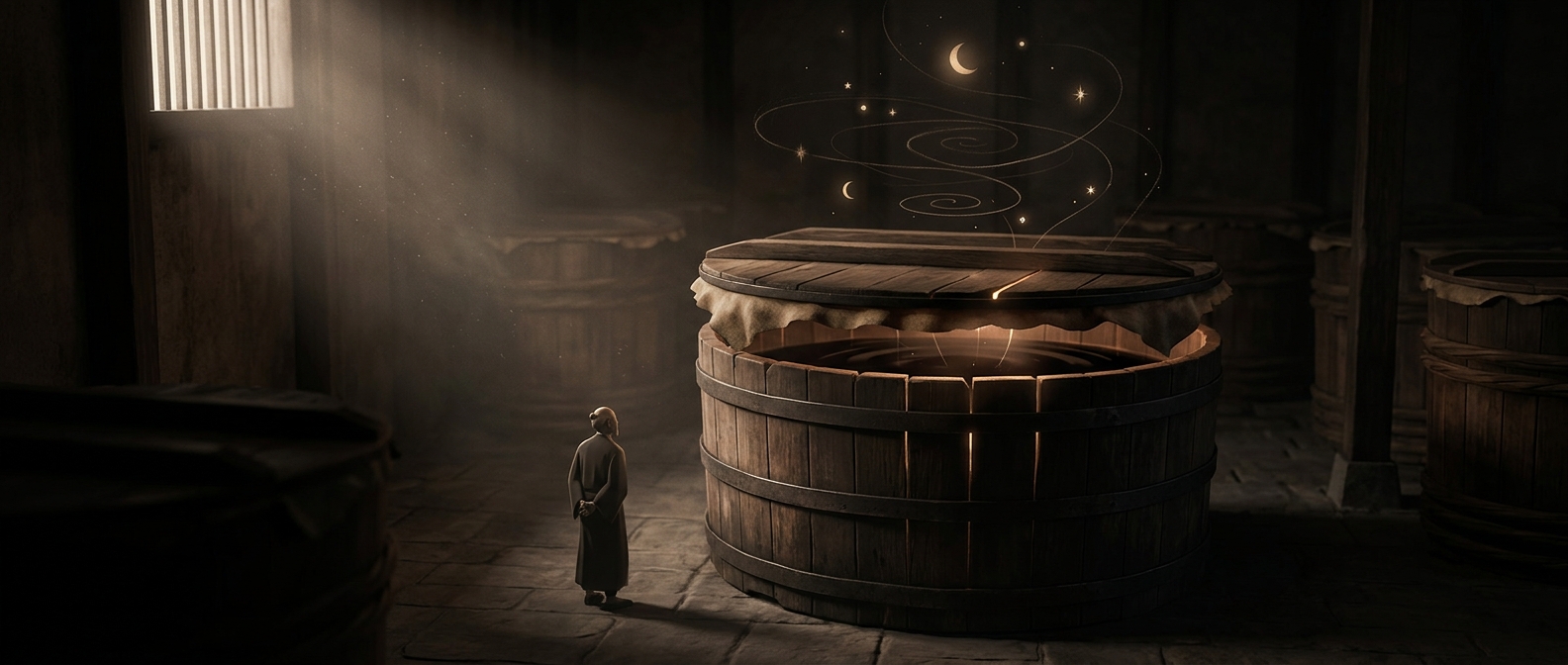
Why making soy sauce once took years
Traditional soy sauce got its savory umami flavor through fermentation in large wooden barrels. The process could take years: this was flavor built on a…
Discover more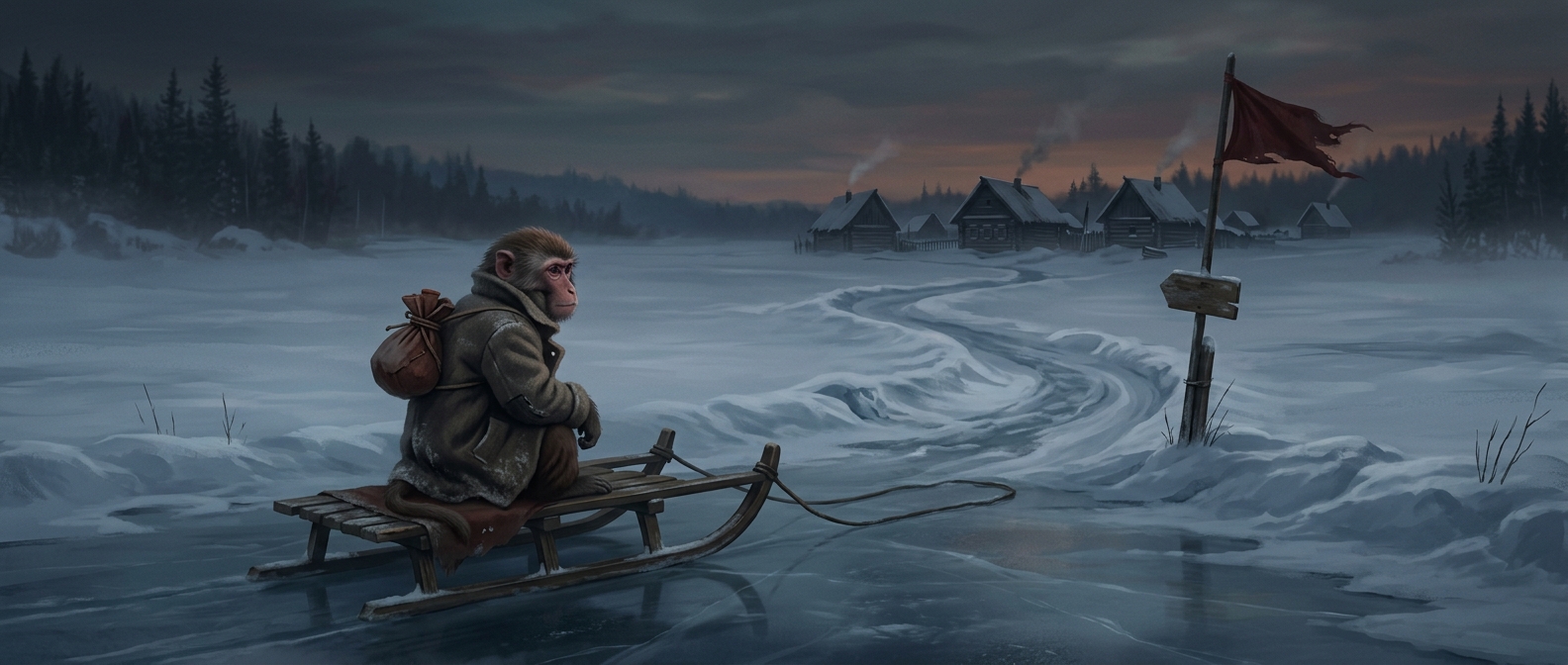
The monkey sent into Siberian exile
The punishment reached beyond the disgraced noble: in the 1740s, his monkey was sent to live in a freezing Siberian village. Exile came with no pet exemption.
Discover more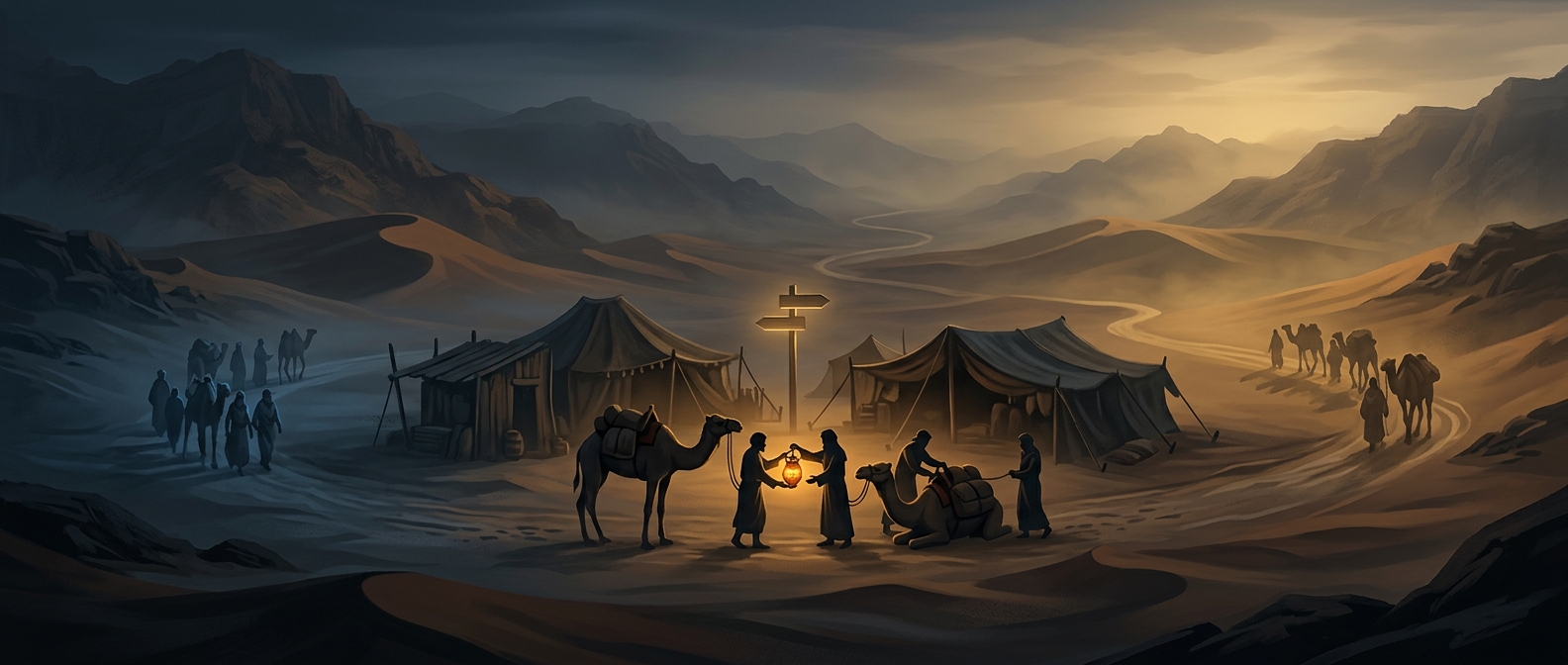
The Silk Road was a relay, not a journey
Merchants usually carried goods only along routes they knew, handing them to the next trader rather than crossing the whole continent themselves. Silk could…
Discover more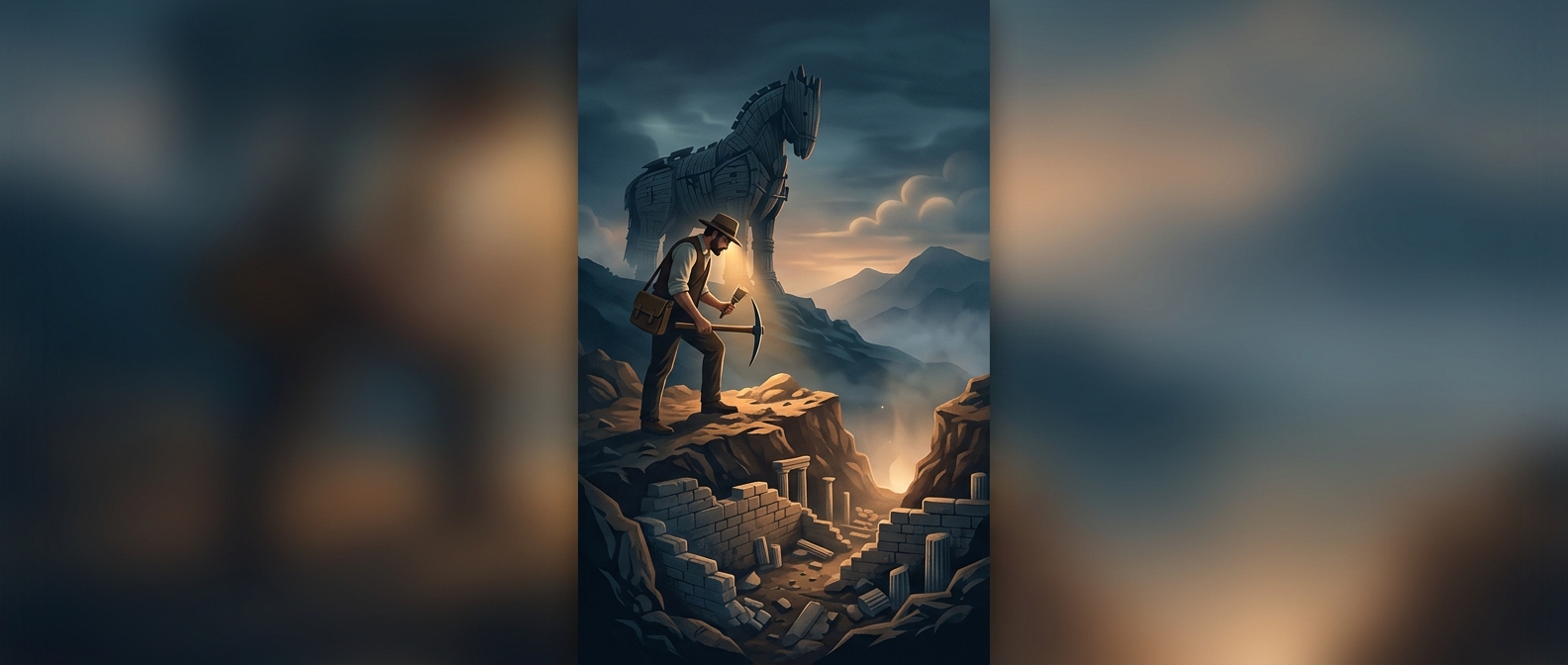
The amateur who found Troy—and damaged it
Heinrich Schliemann drove a huge trench through the mound at Hisarlik in his search for Homer's Troy. Digging toward the layers he considered most important…
Discover more
A piece of the Sphinx's beard survives in a museum
The British Museum holds a limestone fragment of its braided ceremonial beard. The fragment is associated with a later restoration, long after the Sphinx was…
Discover more
Why Einstein stopped wearing socks
Einstein figured his big toe would eventually punch through any sock, so he stopped wearing them—even to formal galas. His solution to a recurring wardrobe…
Discover more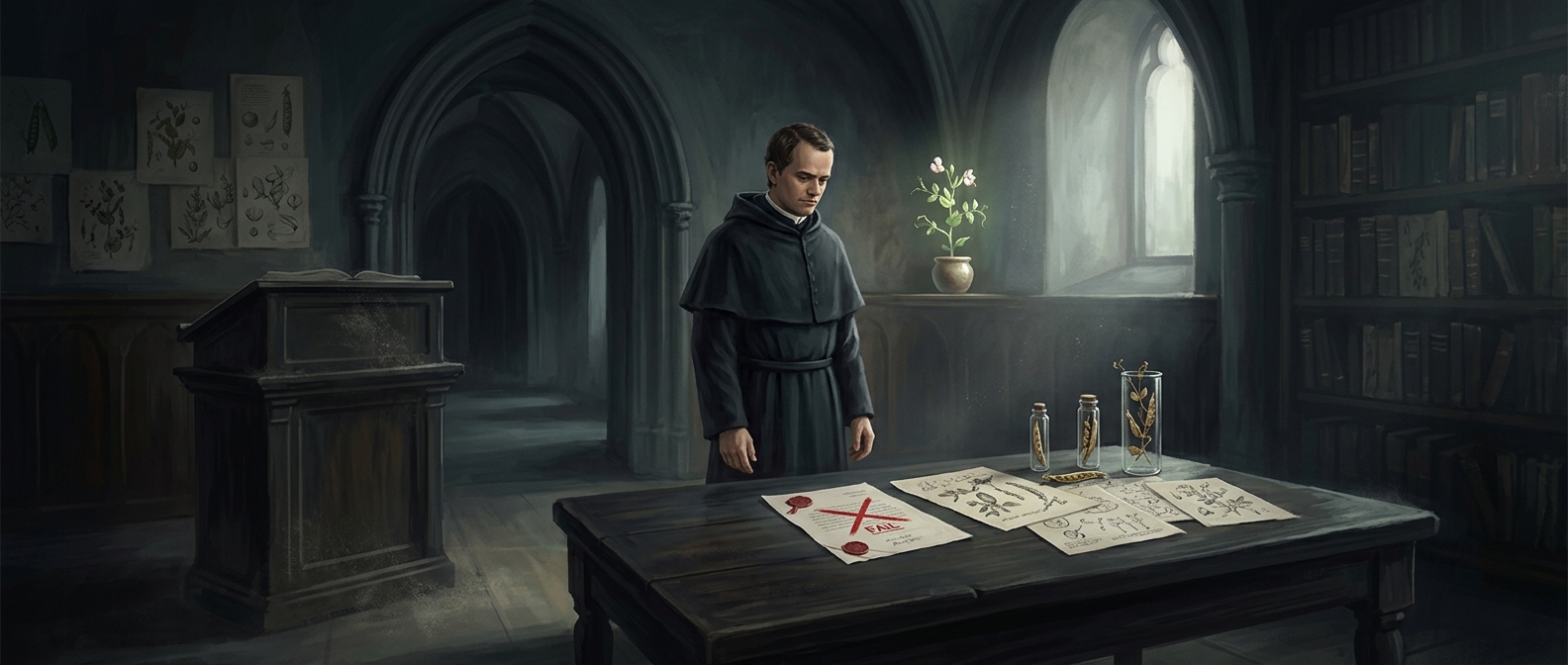
Mendel failed his teaching exams despite his genius mind
Mendel failed the standard teacher-certification exams twice, but the exams didn't measure what he could discover. At a monastery, his pea-plant experiments…
Discover more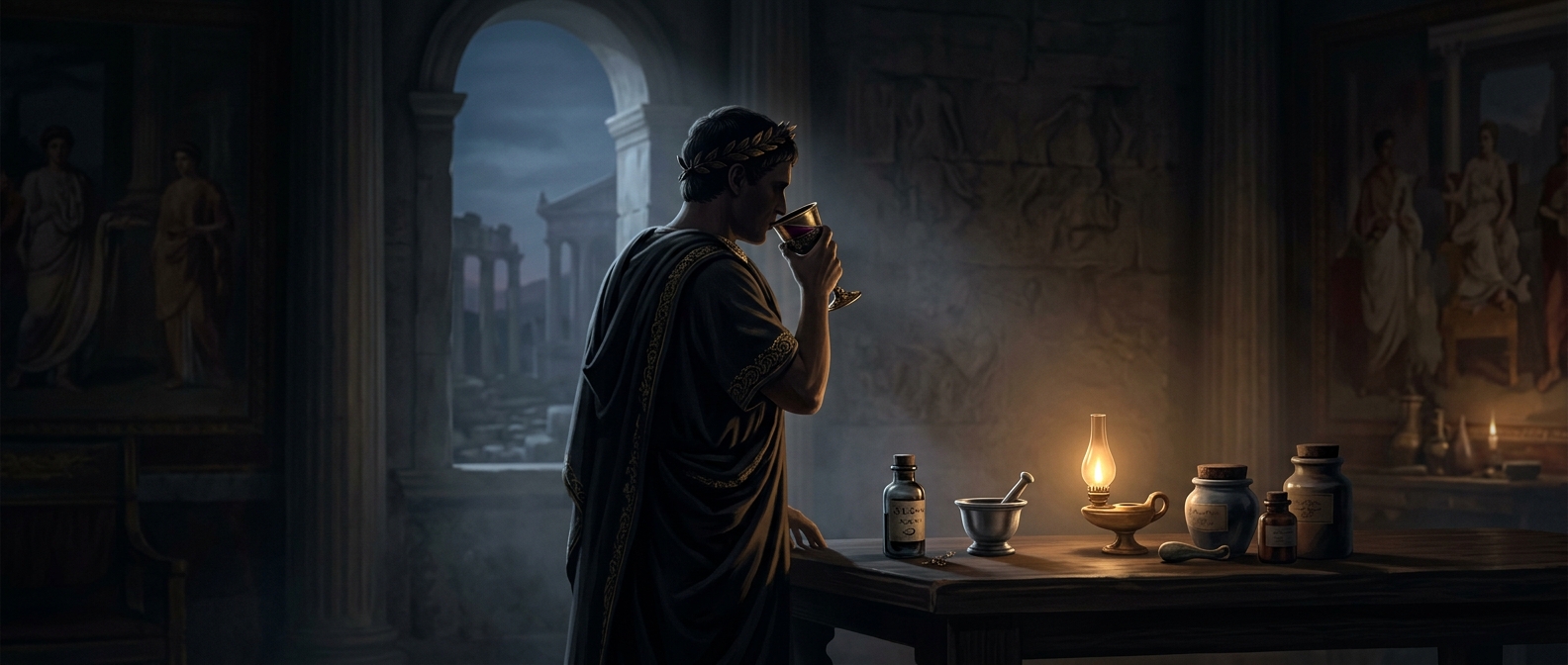
The king said to have made himself poison-proof
Ancient accounts describe Mithridates VI taking small doses of poisons to protect himself against assassination. In the famous ending to the story, poison…
Discover more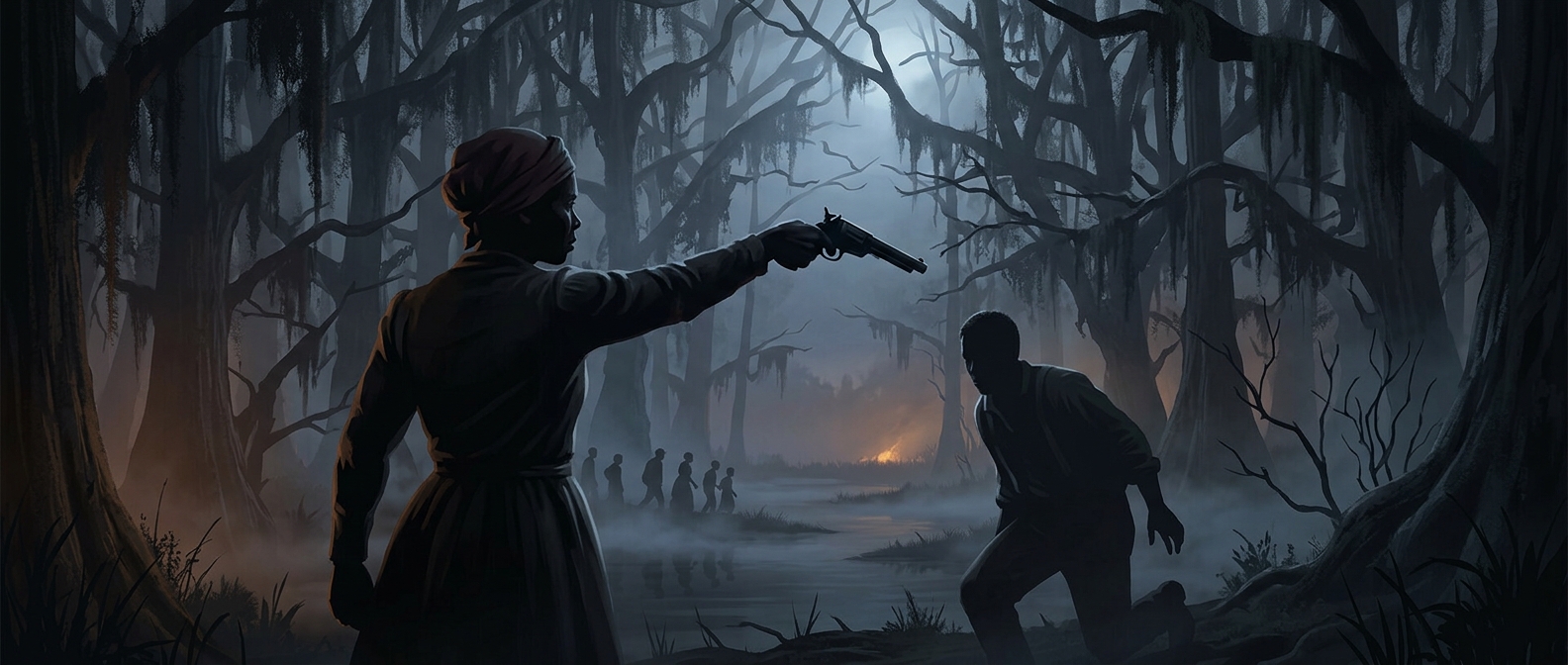
Why Harriet Tubman carried a pistol on the Underground Railroad
A frightened traveler who turned back could expose the whole group, so Tubman carried a pistol and reportedly used the threat of force to keep people moving.…
Discover more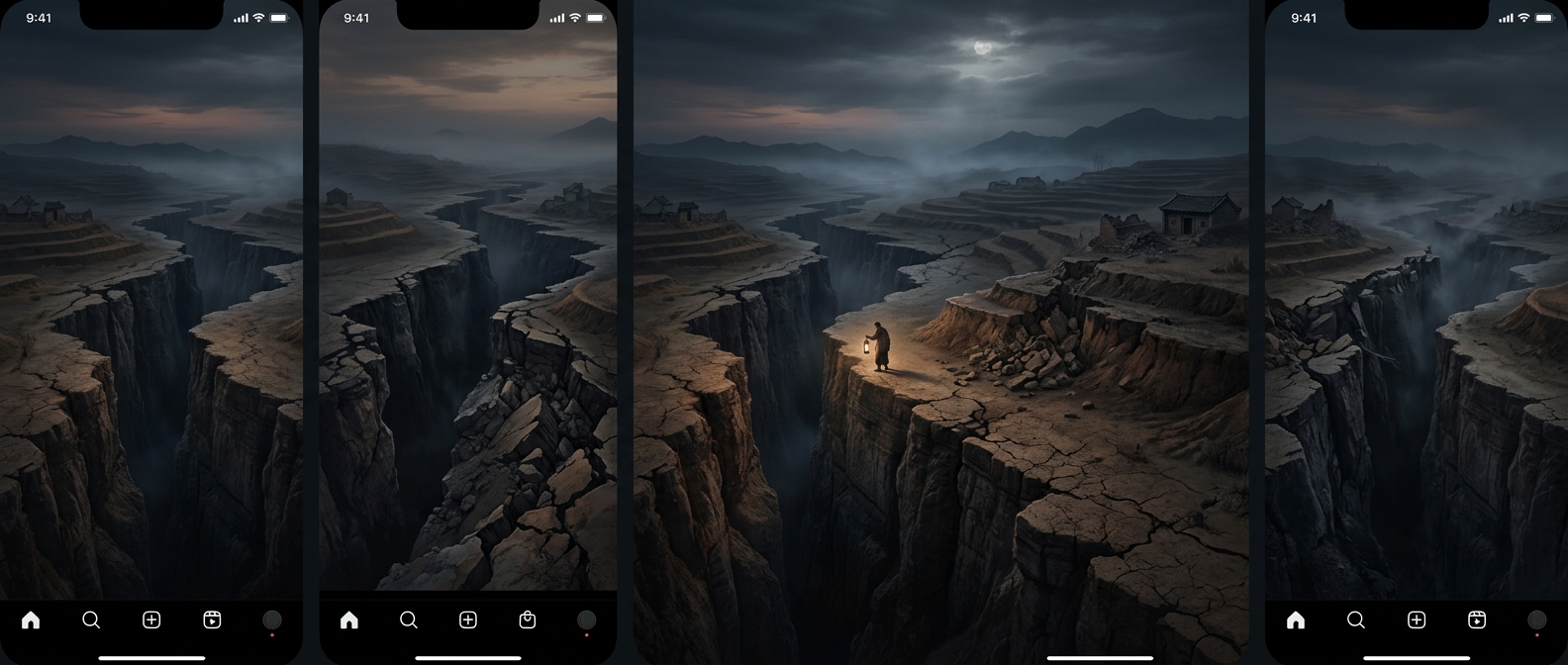
1920 Haiyuan earthquake fractured the earth
The 1920 quake split the dry ground and sent landslides down the hillsides. Homes were buried beneath the slopes, some sealed under earth in the landscape the…
Discover more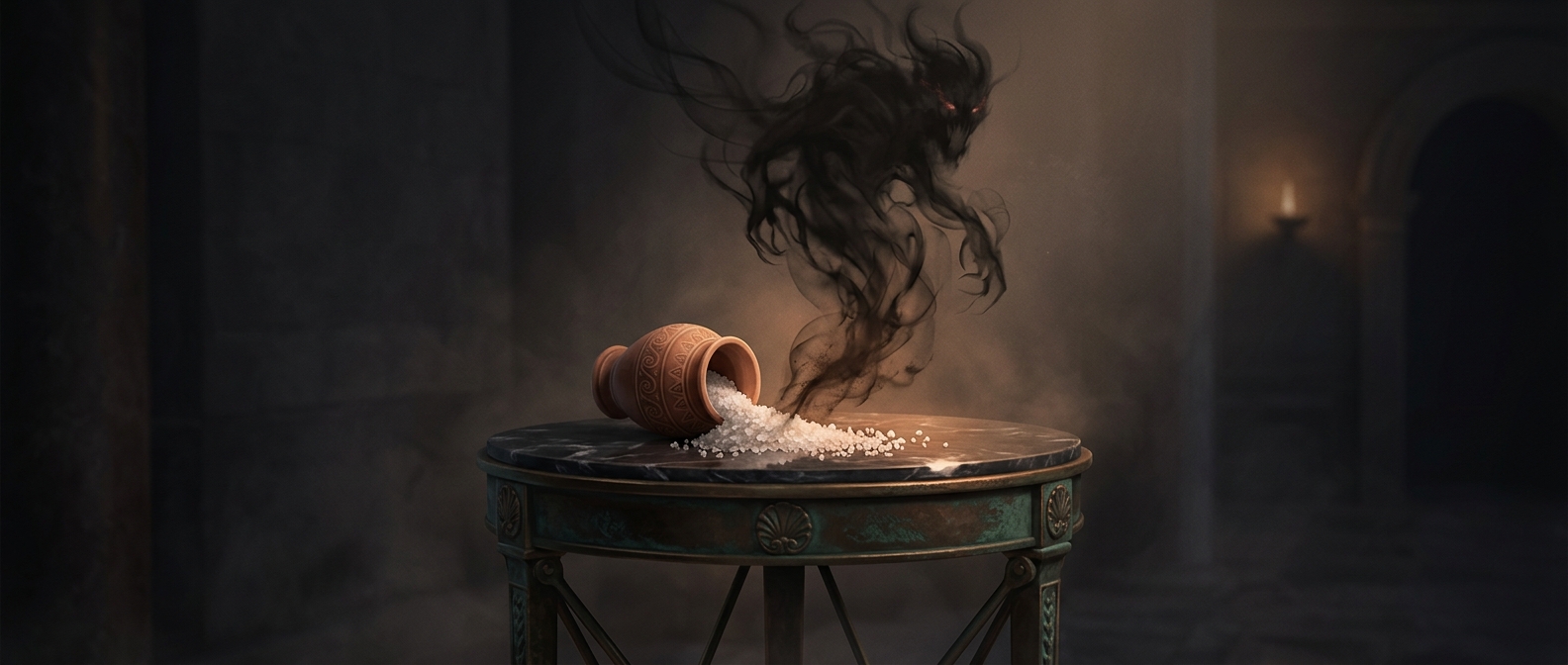
Romans believed spilling salt summoned evil
Because salt preserved food and was valuable, spilling it looked like both waste and a bad omen. The supposed fix was to toss a pinch over the left shoulder…
Discover more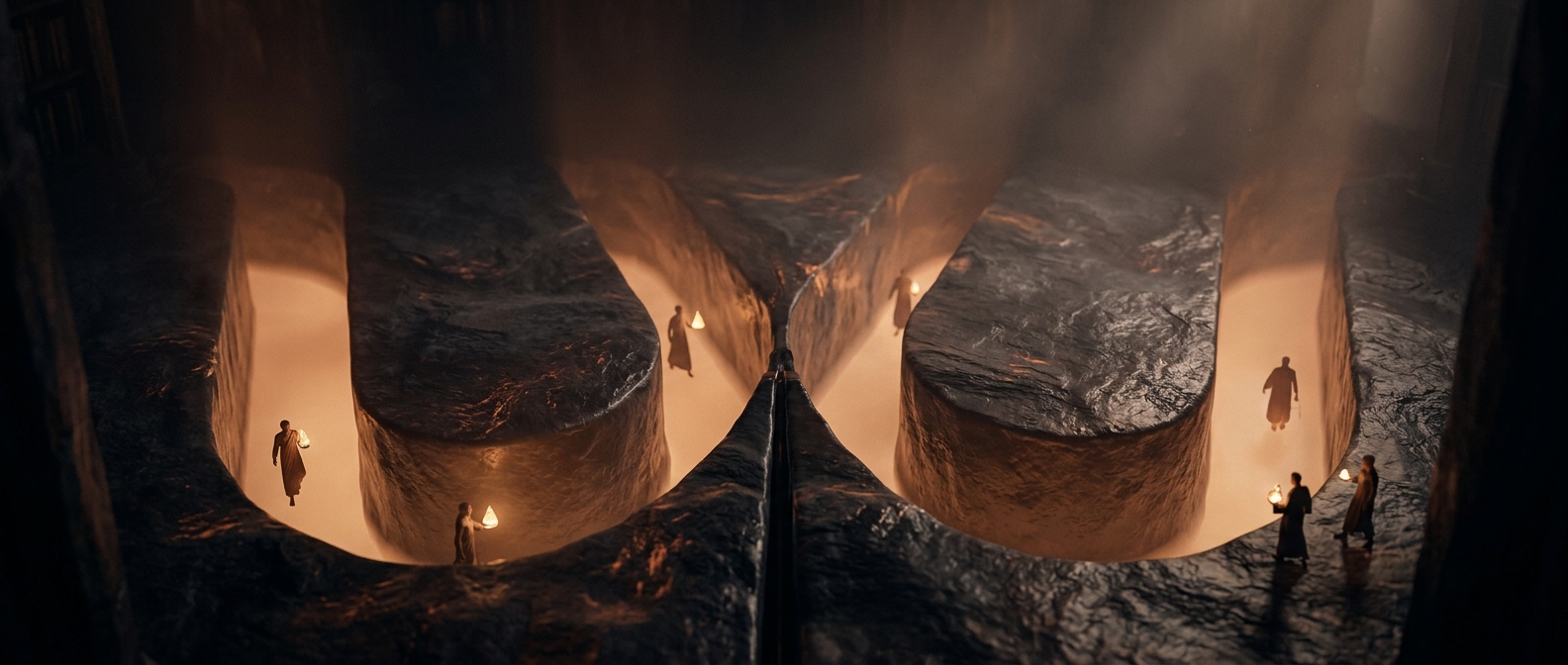
How two U's became the letter W
Scribes wrote two U’s or V’s side by side, and the doubled shape gradually became its own letter. By around the 7th century, W had a place in the alphabet.
Discover more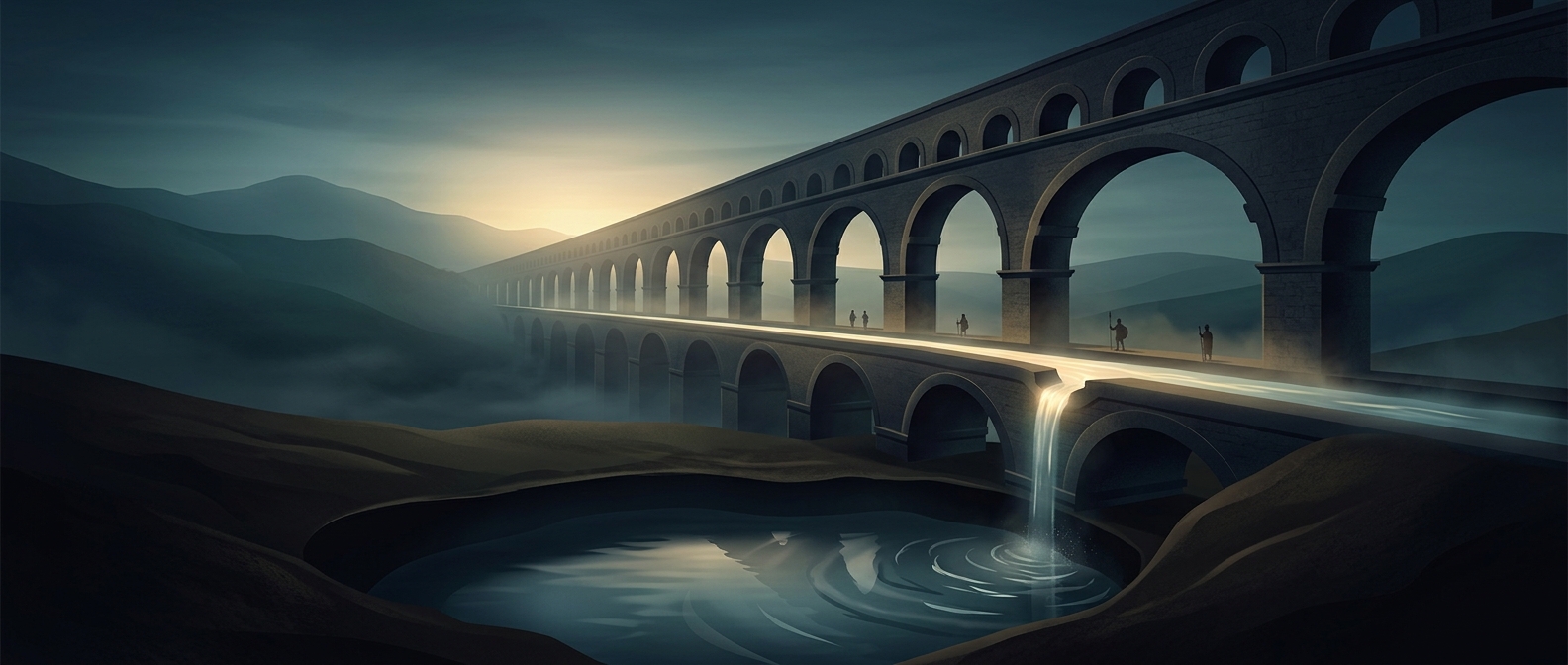
Roman engineers constructed giant gravity-fed water systems
By laying channels at a gentle slope, engineers moved water without pumps. The flow supplied cities with spring water for public baths and decorative fountains.
Discover more
When the Olympics included horse long jump
The winning horse cleared just 20 feet at the 1900 Paris Olympics. The event appeared only once; the Olympics tried a horse version of the long jump, and…
Discover more