Why English needed a new letter
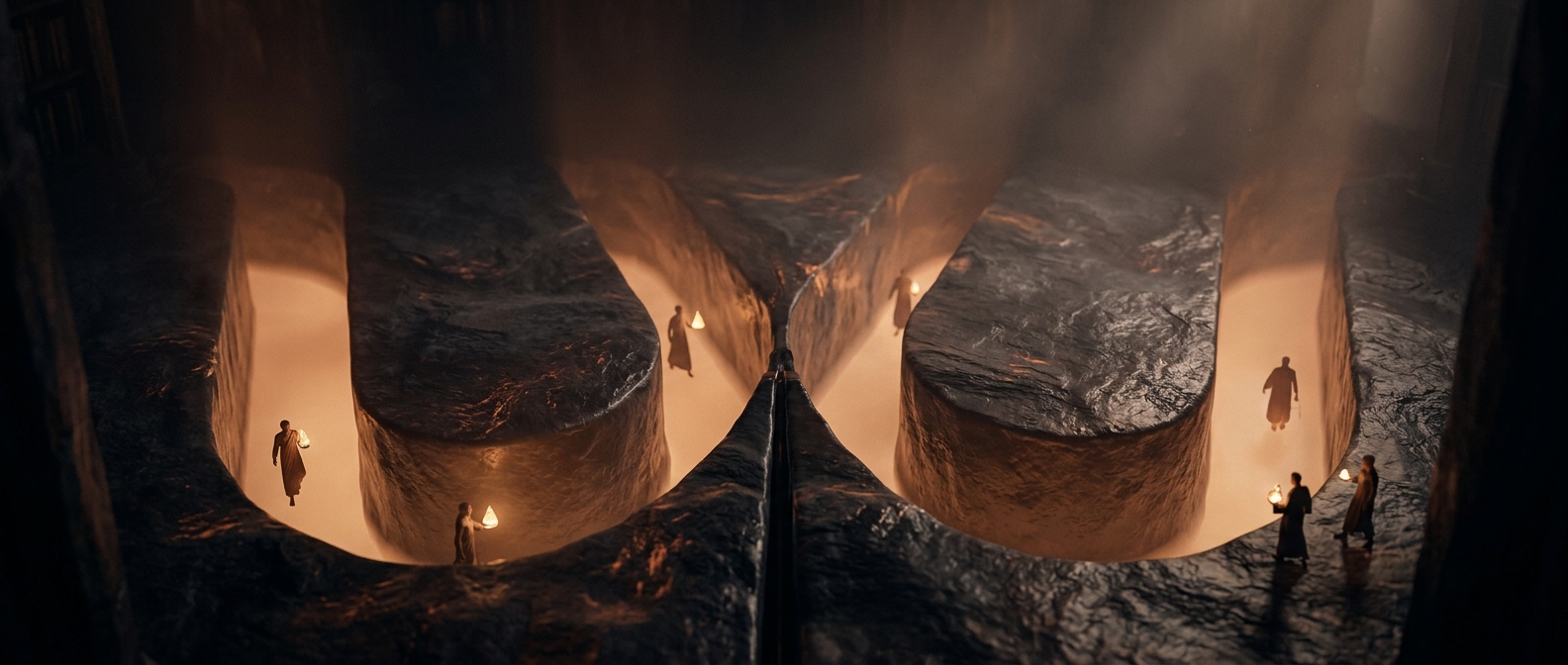
Classical Latin had no single letter for the sound /w/. As Latin speakers encountered Germanic names and words containing that sound, scribes had to improvise. One practical solution was to write u twice: uu. In early medieval handwriting, the letter u and the letter v were not yet consistently distinguished, so the doubled form could look like vv.
The repeated shape was more than a decorative flourish. It gave readers a visible cue that the writing represented a sound Latin’s alphabet could not easily spell with one character.
From two strokes to one letter
At first, uu was simply a spelling convention: two letters standing together. With repeated use, the pair could be treated as a unit and written in a more joined form. That gradual shift—from two marks to a recognized character—is why the result is called double u, even though its modern printed shape often looks like two v’s.
The transition was not identical everywhere. In Old English, scribes also used wynn, a letter borrowed from the runic alphabet, for the same sound. The double-u spelling gained ground in Latin-script writing, and over time W became a distinct member of the alphabet rather than just a convenient pairing.
A spelling that kept its old name
The history survives in the letter’s name. English says “double-u,” recalling the repeated u that gave the character its form, while the capital W preserves the angular appearance of two joined strokes. A workaround for writing an unfamiliar sound eventually became one of the alphabet’s most recognizable letters.