A word with a wider reach
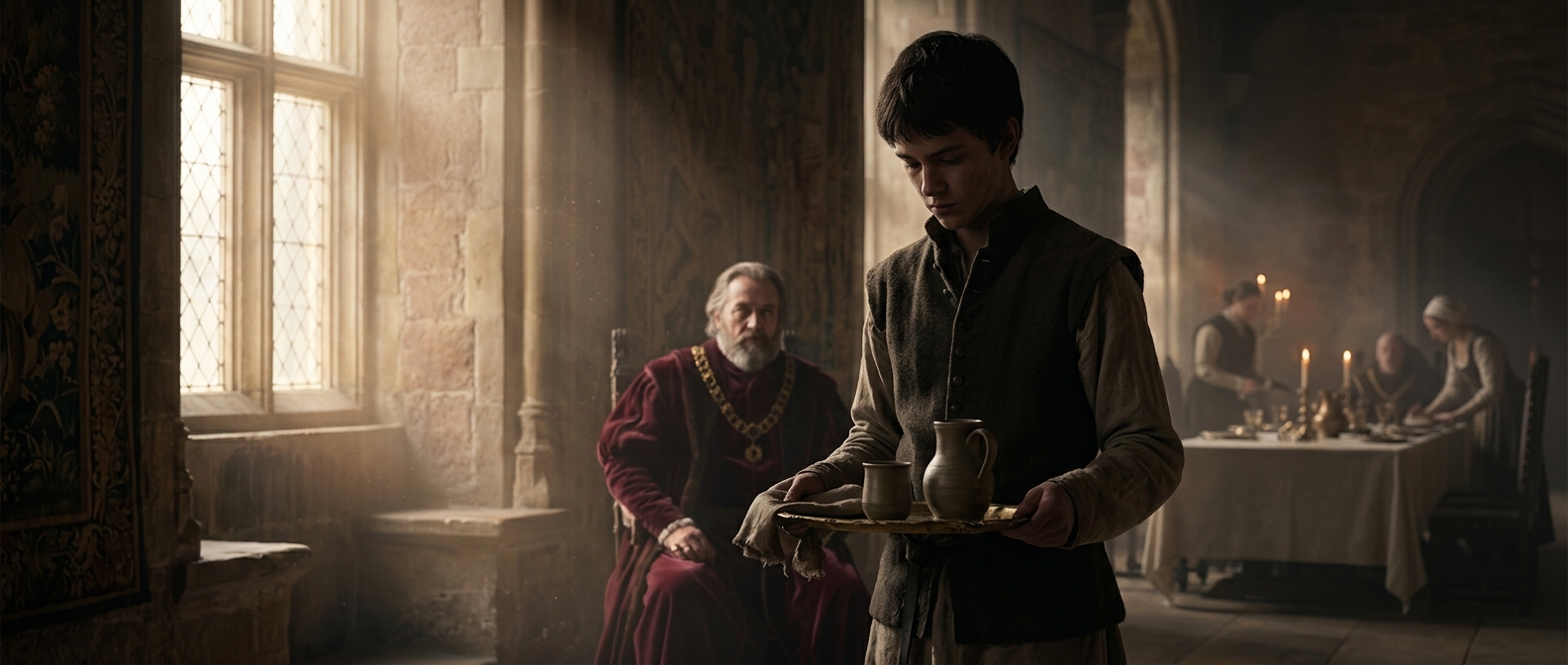
In Middle English, girl could refer to a child without specifying whether that child was male or female. The word’s meaning was therefore broader than it is today: a reader had to rely on the surrounding words or situation to tell who was meant. The spelling may look familiar, but its modern gender-specific sense cannot simply be carried backward into every older use.
How a broad meaning narrows
Words can become more specialized as speakers use them in particular ways. If girl was increasingly used for female children, that association could grow stronger until it became the word’s ordinary meaning. No single decision was needed; meanings shift through repeated use, and the older sense can fade from everyday speech.
That change is a reminder that words are not fixed labels. Their meanings are shared habits, shaped over time. In a Middle English passage, girl might identify a child whose sex the word itself left open—a small difference that can change how a modern reader understands the scene.