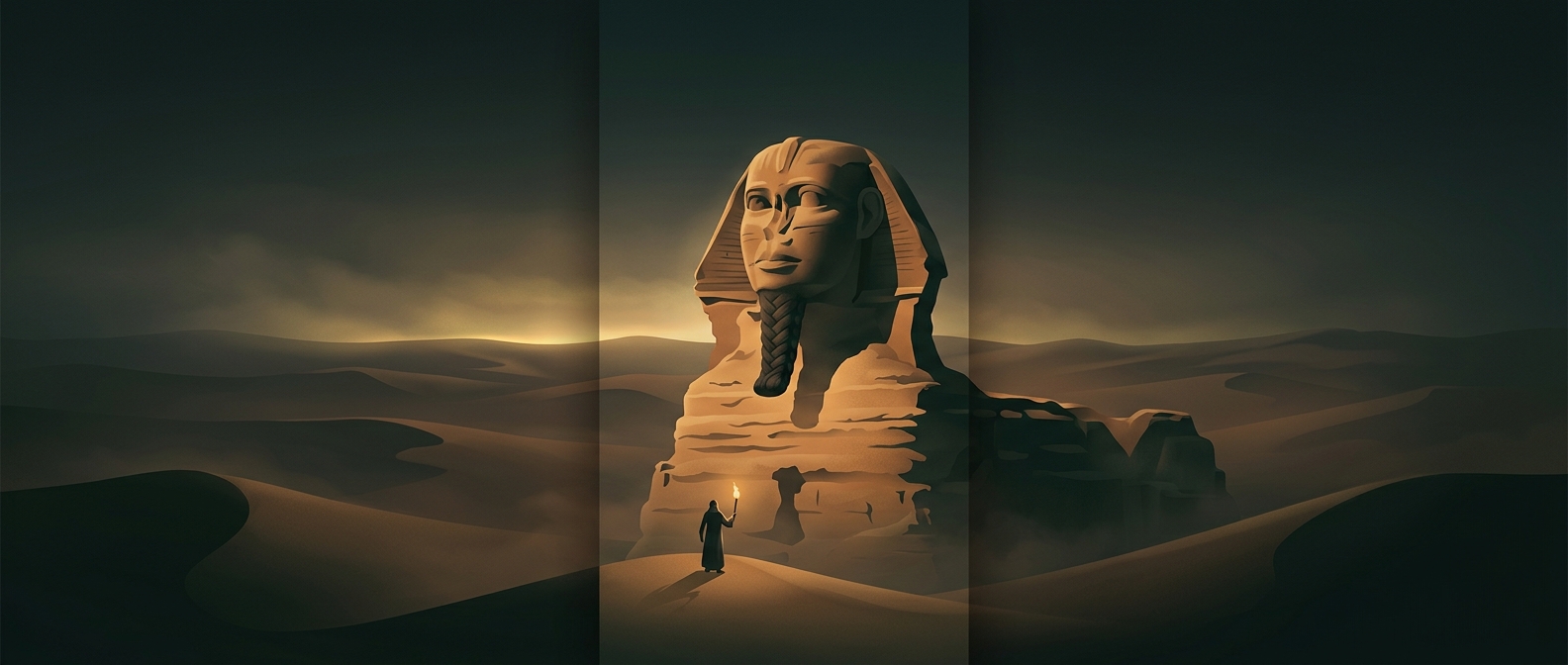
A Royal Beard on a Lion’s Body
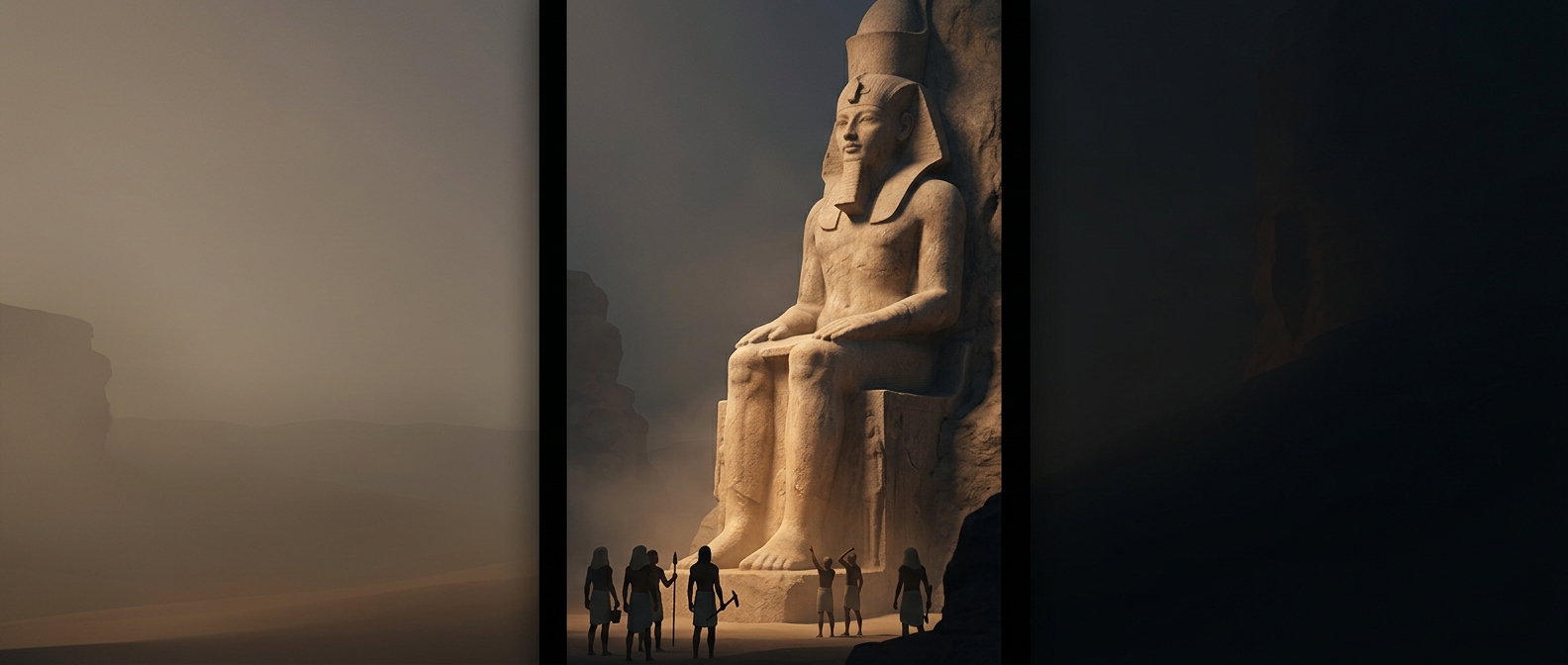
The Great Sphinx was not carved with a smooth chin. A long, braided stone beard was attached beneath its face, giving the lion-bodied monument a distinctly royal look. In ancient Egyptian art, a formal false beard was a sign of kingship and divine authority—not an attempt to depict ordinary facial hair.
That detail helped shape how viewers read the Sphinx: its powerful animal body and human face belonged to the visual language of rulers and gods. The beard made that association more explicit, presenting the figure in a form familiar from images of Egyptian kings.
A Separated Monument
The beard eventually detached, and fragments of it survived near the Sphinx. Its absence today can make the statue seem more like a naturalistic creature than the deliberately royal figure its sculptors created. The surviving pieces are a reminder that the monument’s familiar silhouette is incomplete: its original design included a ceremonial feature that announced authority as clearly as its scale did.