When Leaving the Room Became a Display of Deference
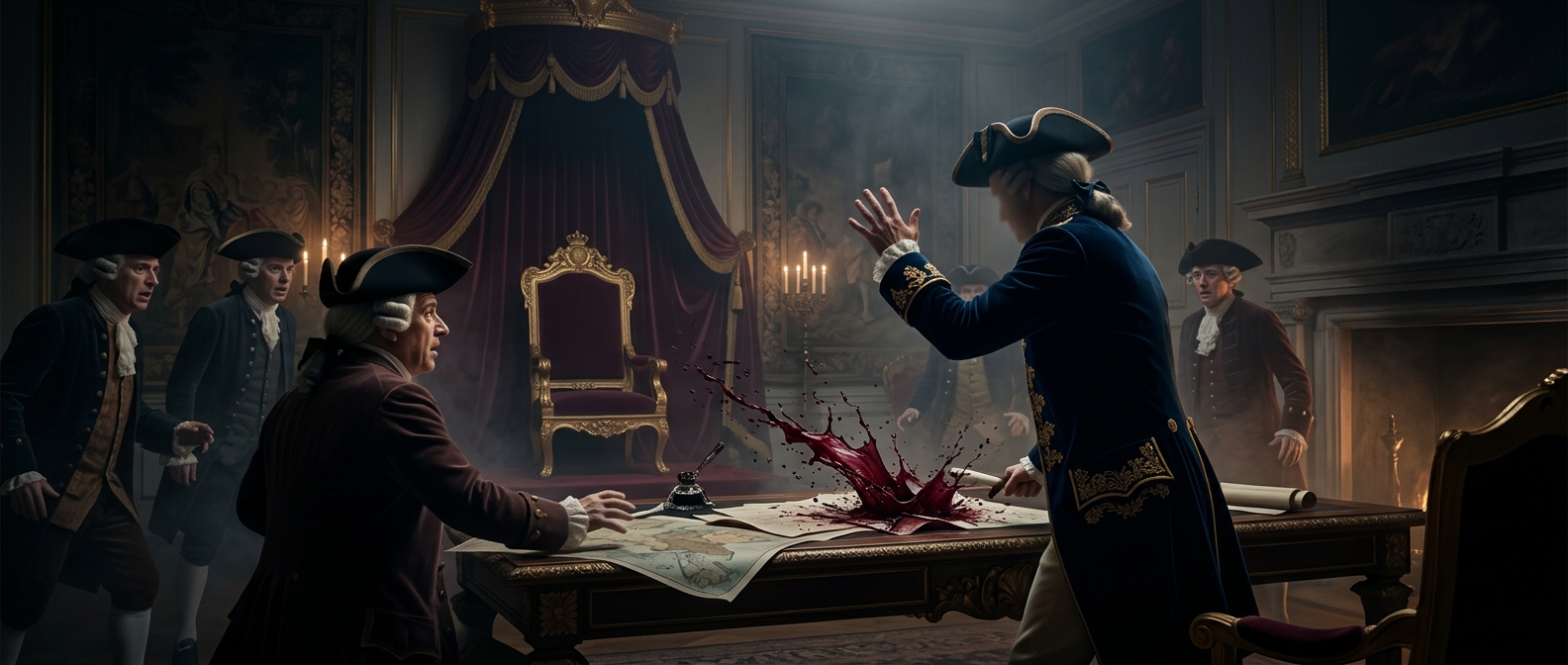
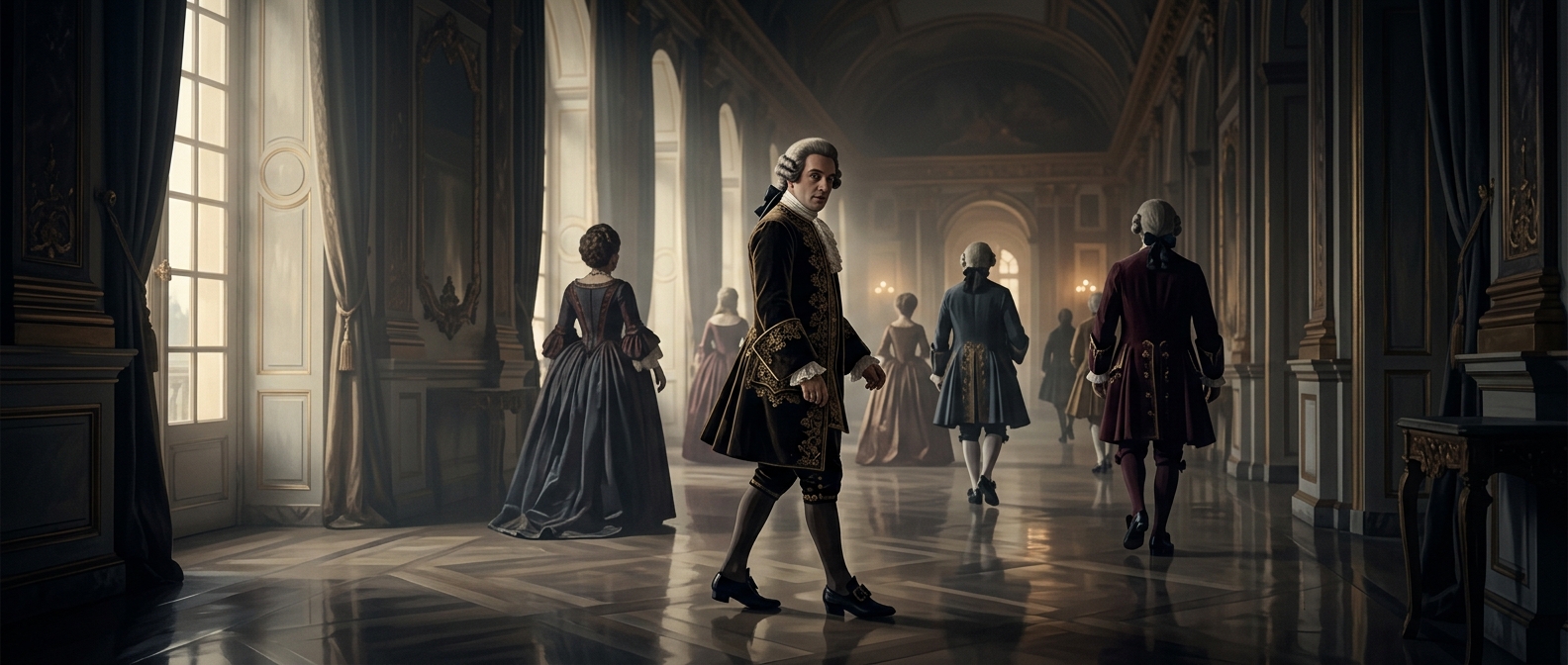
Requiring servants to retreat backward turned an ordinary exit into a small performance of rank. Instead of simply turning toward the door, a staff member had to keep facing the noble while leaving—making the act of departure appear attentive and deferential.
That ceremony changed how people moved through the room. Walking backward limits what a person can see behind them, so furniture that would be easy to avoid while facing forward became a hazard. The rule made the staff absorb the inconvenience: the noble’s preferred ritual took priority over their safe, practical route out.
A Rule Measured in Bumps
The episode’s comedy comes from the gap between what the gesture was meant to signal and what it accomplished. A retreat intended to look controlled could end with someone backing into a chair or table. The furniture exposed the cost of treating obedience as more important than ordinary movement.