Why a Baboon Could Belong in a Pharaoh’s Tomb
To ancient Egyptians, a baboon was more than an exotic animal. Baboons were among the forms associated with Thoth, a god connected with writing, knowledge, and the moon. Their loud calls around sunrise may also have made them seem linked to the sun’s daily return. In a tomb, that symbolism could give a real animal a role in the sacred world the dead hoped to enter.
From Living Animal to Afterlife Companion
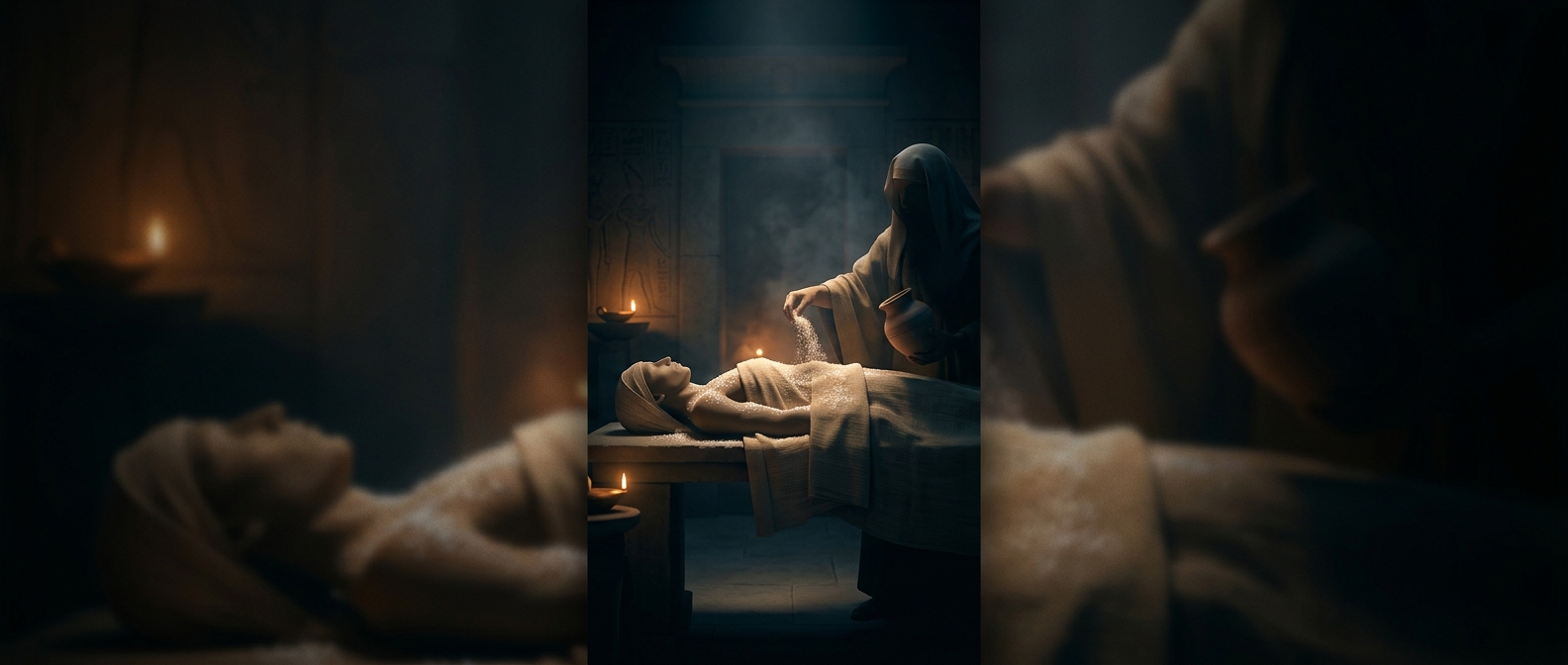
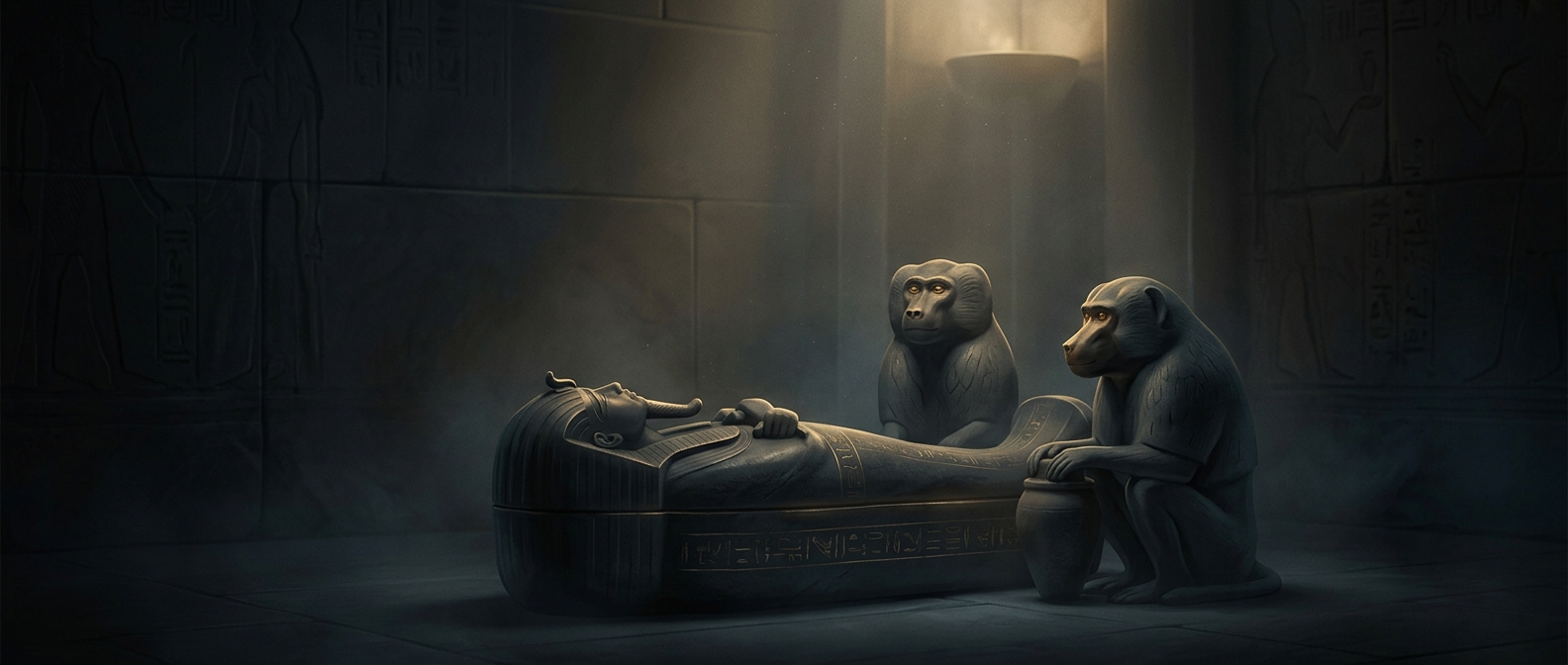
Some Egyptians kept baboons in captivity, and burials could include animals treated as companions as well as offerings. Mummification preserved the body for the afterlife according to Egyptian beliefs. A baboon placed in a royal burial could therefore serve two purposes: accompany the deceased and bring the protection or significance associated with a god.
That did not mean the animal simply died a natural death and was preserved afterward. Preparing a baboon for burial required killing it and wrapping its body, making the animal’s presence a deliberate human choice. The same religious value that made a baboon a fitting companion also made it an object to be sacrificed.
A Costly Symbol Made Tangible
Baboons were not native to Egypt, so obtaining and maintaining one could involve bringing it from elsewhere and caring for it in captivity. Their presence in a tomb made an abstract religious association physical: the deceased would not only be connected to Thoth through images and ritual, but could be buried beside an animal linked to him.
The burial thus joined affection, status, and religious meaning. A baboon was both a living creature whose care had required effort and a powerful symbol carried into the next life.