
stackyFACTS
History

The sacred Egyptian bull fed honey and milk

HERE’S THE INTERESTING PART

The Apis bull was believed to be the physical vessel of the god Ptah, so it lived better than most human citizens. Priests fed this single, highly pampered bovine a decadent diet of honey, milk, and fine grains. When the holy cow eventually died of old age, the entire nation fell into aggressive mourning before mummifying it.
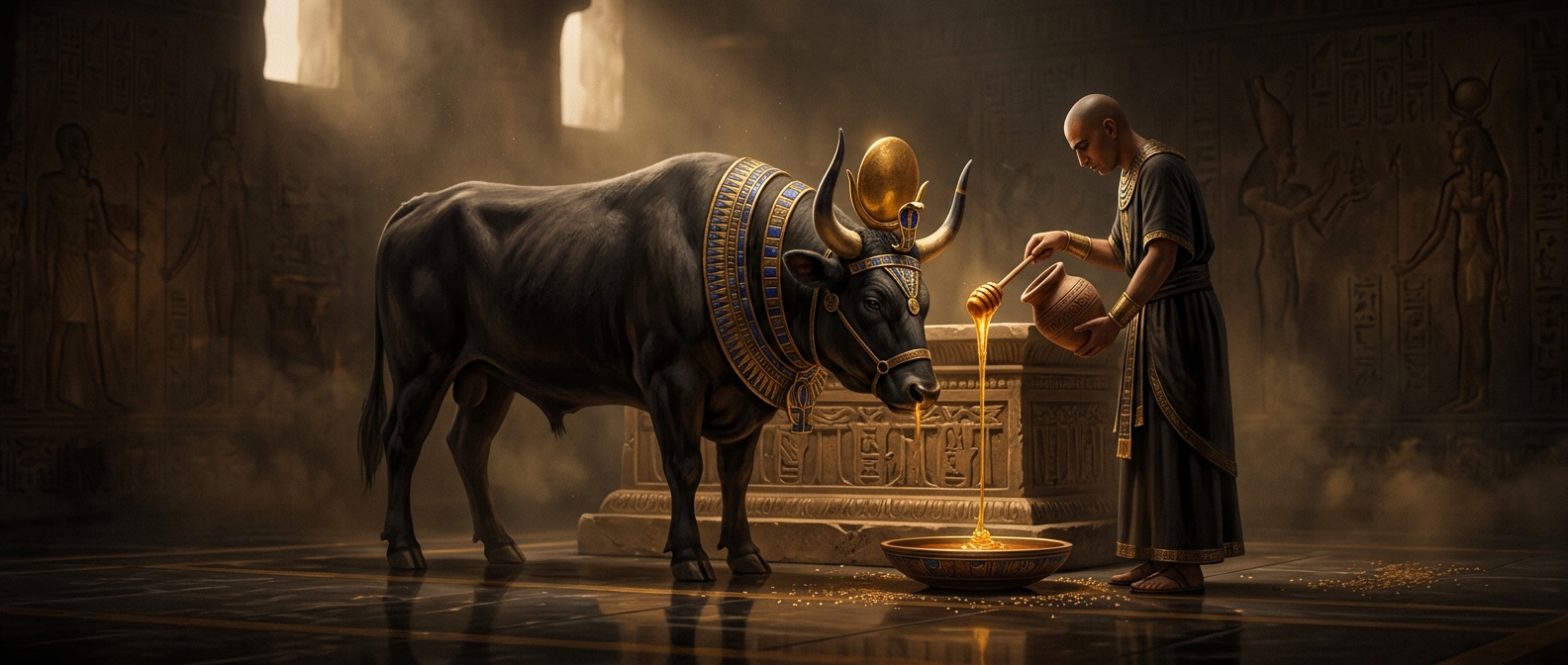
The sacred Egyptian bull fed honey and milk
STACKY / History
One discovery leads to another.

Keep exploring facts in this topic.

History →
STACKY FOR IPHONE

A bigger world.
One discovery
at a time.

Keep discovering with Stacky. Interesting facts in an app that is always within reach.

Download on the App Store
ONE MORE DISCOVERY?

Keep exploring

All in this topic →
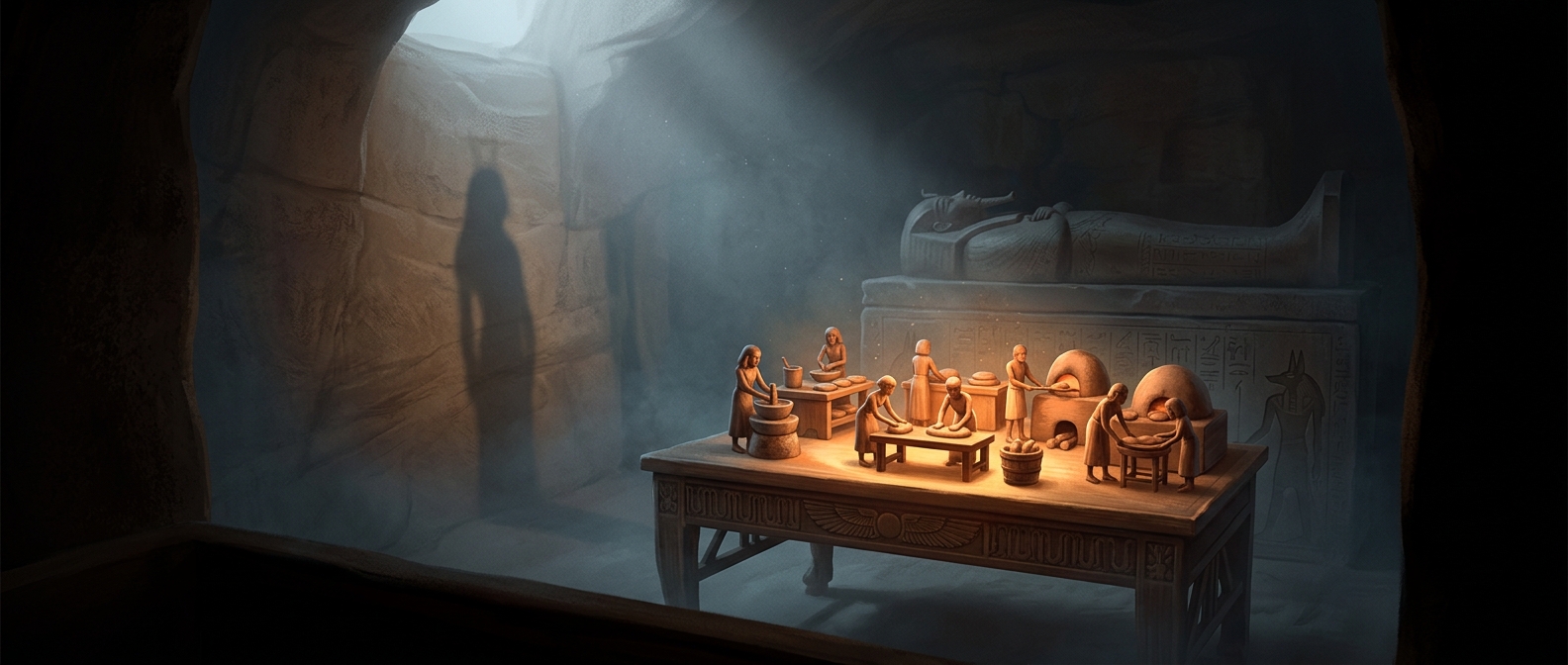
Ancient Egyptians put miniature bakeries in tombs
History

Ancient Egyptians put miniature bakeries in tombs

You can't take your riches with you, but you definitely need carbs in the afterlife. Elaborate tombs often included intricate, miniature wooden models of…

Discover more
Why pharaohs were buried with mummified baboons
History

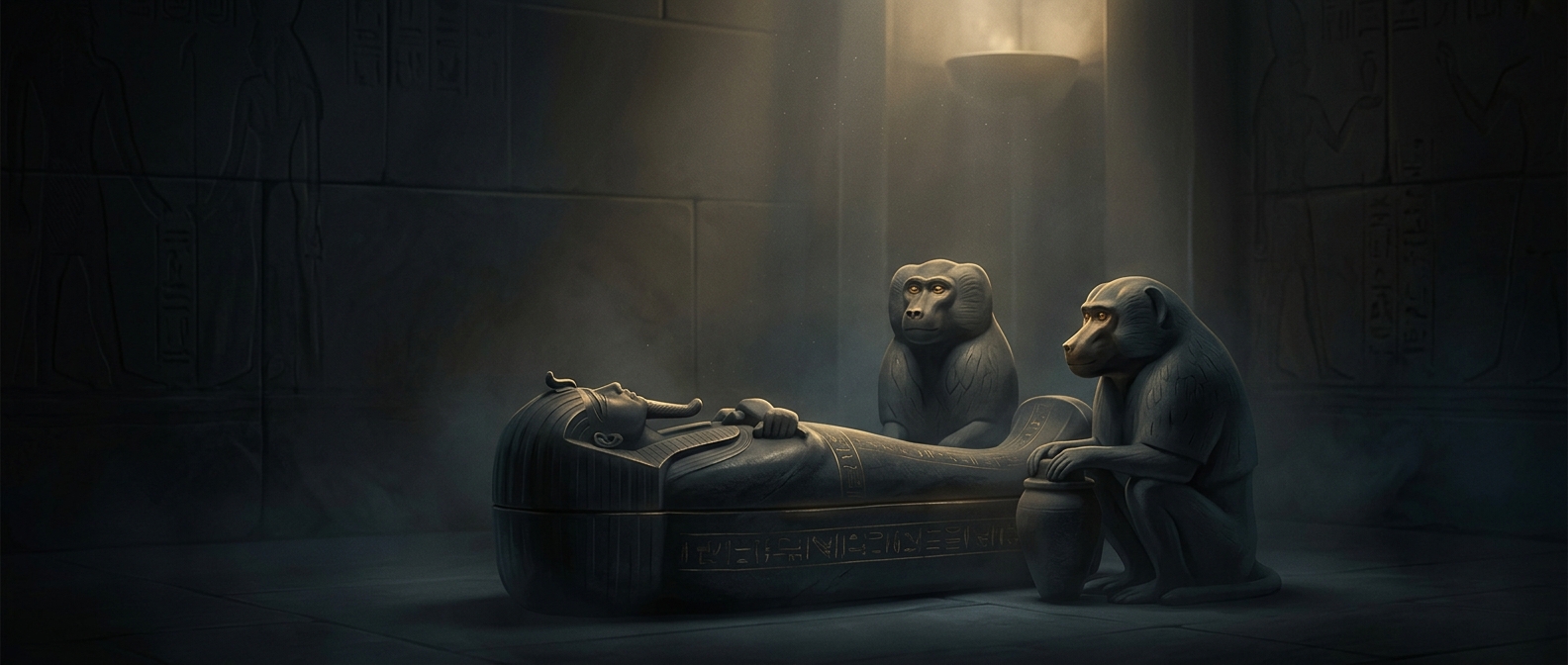
Why pharaohs were buried with mummified baboons

Because arriving to the underworld without an aggressive primate would be embarrassing, several pharaohs were buried alongside heavily mummified baboons.…

Discover more
How Egyptians preserved bodies with desert salt
History

How Egyptians preserved bodies with desert salt

The secret to surviving eternity is extreme desiccation. Embalmers stuffed hollowed-out bodies with natron, a naturally occurring compound of baking soda and…

Discover more
In 14th‑century Paris, the city watchmen carried hollow, perforated clubs filled with burning herbs to signal hour shifts.
History

In 14th‑century Paris, the city watchmen carried hollow, perforated clubs filled with burning herbs to signal hour shifts.

In 14th‑century Paris, the city watchmen carried hollow, perforated clubs filled with burning herbs to signal hour shifts. The sweet-smelling smoke doubled as…

Discover more
Why the Incas blew crushed seashells into the wind
History

Why the Incas blew crushed seashells into the wind

Because the high Andes mountains are painfully landlocked, seashells were considered impossibly rare, magical artifacts. When the rains failed, Inca priests…

Discover more
History

Across buried civilizations, archaeologists uncover ritual pits filled with bones and offerings.

Unearthed beneath the soil, pits layered with bones and treasures seem to whisper stories of cruelty. Yet, to ancient eyes, they were lifelines—transactions…

Discover more
StackyMore discoveries in the app
Download on the App Store