Sound that traveled with the army
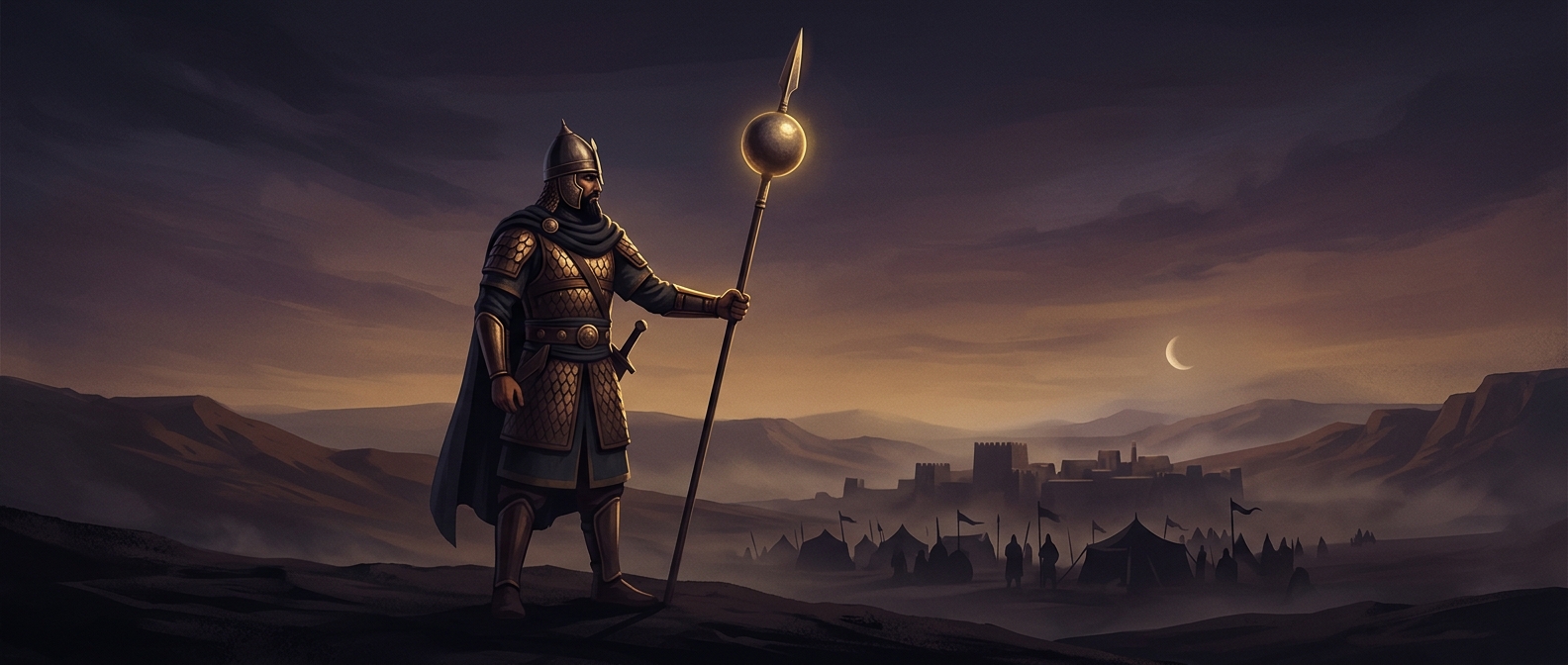
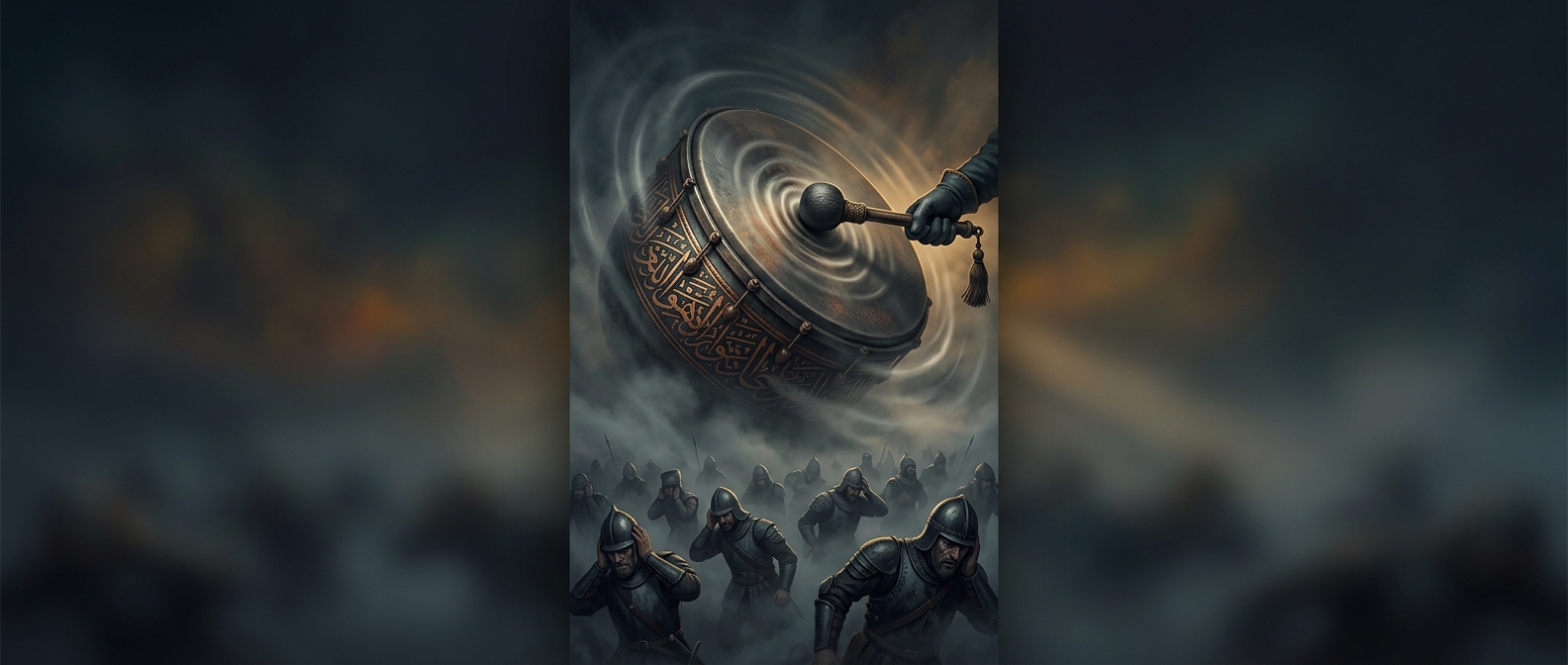
Ottoman military music was not simply a noisy accompaniment. The mehter, the Ottoman military band, helped give an army a recognizable sound as it moved. Large kettledrums supplied a heavy pulse; piercing reed instruments and horns could cut through the rumble of marching, horses, and battle. Together, they made the approach of an organized force audible well beyond the musicians themselves.
That sound also had practical value. Repeated rhythms could help keep troops moving together, while music gave soldiers a shared focus amid the confusion of a campaign. To an opposing force, the same performance announced that the Ottoman army was near and presented it as disciplined and formidable. The psychological effect depended on the listeners: unfamiliar, forceful music could heighten anxiety, but it was one part of the larger shock of facing an advancing army—not a guarantee that opponents would panic.
From battlefield sound to European fashion
The music’s reputation outlasted the encounters that made it famous. European listeners began to associate its bold percussion and bright, emphatic rhythms with Ottoman power. In the eighteenth century, composers and military musicians borrowed elements of this style, often grouped under the label “Turkish music.” European armies adopted percussion such as bass drums and cymbals, while composers used the sound to suggest spectacle, military energy, or an exotic setting.
The irony is that a sound meant to project Ottoman strength also became a model elsewhere. Its most durable effect was not merely the fear it might inspire on a battlefield, but the way its rhythms entered European musical life.